Second Hair Transplant in Malaysia: Complete Guide to Revision Hair Restoration
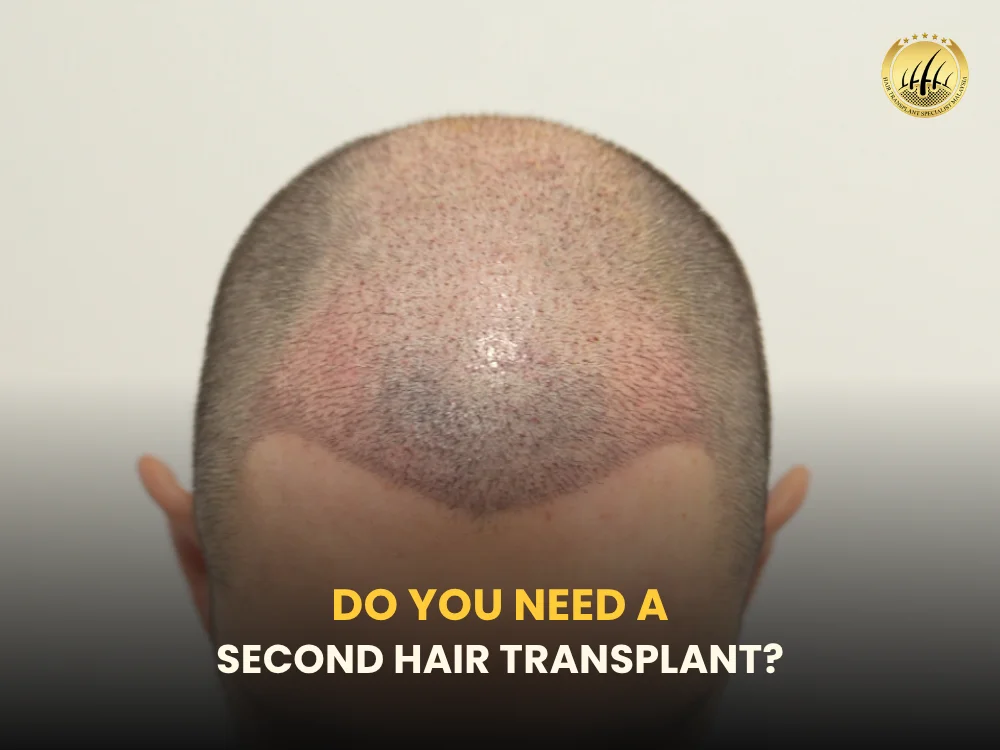
Secondary Session Audit Donor Asset Depletion & Cost Calculator A second hair transplant requires meticulous planning. Calculate your remaining donor reserves and estimated secondary session investment by entering your prior surgery data below. 1. Grafts Harvested in 1st Surgery: 2,000 Grafts 1,000 5,000+ 2. Your Primary Secondary Goal: Density Top-Up (Filling patches within first zone)Progressive Loss Expansion (Filling newly thinned Crown/Vertex)Corrective Repair Work (Fixing pluggy hairlines / donor scarring) Donor Reserve Status: 🟢 Secure Reserve Capacity Estimated Grafts Needed: 1,200 – 1,500 Grafts Estimated Session Cost: RM 10,800 – RM 13,500 📋 Clinical Secondary Session Overview: Loading clinical donor asset safety matrix data… Secondary sessions require an expert macroscopic donor audit to prevent permanent patchy over-harvesting. 📲 Request a Comprehensive Donor & Scar Audit via WhatsApp ➔ Navigating a second hair transplant requires a blend of medical precision and artistic vision. In Malaysia, where aesthetic standards meet world-class medical tourism, revision procedures have become a refined solution for those seeking to perfect their look or fix past surgical shortcomings. What Is a Second Hair Transplant? Definition of a Second Hair Transplant A second hair transplant is a follow-up surgical procedure designed to improve the results of a previous restoration. It involves harvesting additional follicular units from a stable donor area to increase density, refine the hairline, or repair visible scarring from a prior “strip” or FUE surgery. Difference Between First and Second Hair Transplant Procedures The primary difference lies in complexity and donor supply management. While the first surgery works with a “virgin” scalp, the second must navigate existing scar tissue and a potentially depleted donor bank. Surgeons must use refined microsurgical techniques to ensure every remaining graft counts toward the final result. Who Is a Suitable Candidate for a Second Hair Transplant? Ideal candidates have a stable hair loss pattern and sufficient donor density in the occipital or parietal regions. Candidates must also have healthy scalp laxity and realistic expectations. In Malaysia, the Malaysian Medical Council (MMC) guidelines emphasize that patients should be in good general health before undergoing elective revisions. Signs You May Need a Second Hair Transplant Low Hair Density After the First Procedure If your hair still looks thin under bright light, you likely have low “cosmetic density.” This occurs when the initial graft count was insufficient to cover the balding area. A revision can add the necessary volume by “interspersing” new grafts between existing transplanted hairs. Uneven Hairline Design A “pluggy” or asymmetrical hairline is a common sign of surgical inexperience. If the transition from forehead to hair looks abrupt or “doll-like,” a second procedure can soften the edge. Using single-hair follicular units creates a gradual, natural-looking hairline transition that mimics your original growth. Continued Hair Loss After Transplant Hair transplantation doesn’t stop the biological clock. While transplanted hairs are usually permanent, native hairs around them may continue to fall out. This creates a “halo” effect or new bald patches, necessitating a second session to fill in the newly thinned gaps. Poor Graft Survival Rate Sometimes grafts simply don’t “take” due to poor handling or dehydration during the first surgery. If your growth is patchy or non-existent after 12 months, it indicates a low survival rate. A revision focuses on optimizing graft viability through better storage solutions and quicker implantation. Visible Scarring From Previous Hair Transplant Older “Strip” (FUT) methods often leave a linear scar that becomes visible if you cut your hair short. Similarly, overharvested FUE donor areas can look “moth-eaten.” A second transplant can use Scalp Micropigmentation (SMP) or graft placement directly into the scar tissue to camouflage these marks. Common Reasons First Hair Transplants Fail Inexperienced Hair Transplant Surgeon Precision is everything. An inexperienced surgeon may transect follicles during extraction, killing the hair before it’s even planted. Choosing a clinic with a Letter of Credentialing and Privileging (LCP) in Malaysia ensures the doctor has met the Ministry of Health’s strict aesthetic standards. Poor Donor Area Management The “safe donor zone” is a finite resource. If a previous surgeon overharvested the back of your head, they may have permanently thinned your donor supply. Revision specialists must carefully map the Hair Diameter Index (HDI) to ensure the remaining hair can provide adequate coverage without looking sparse. Incorrect Graft Placement If hairs are planted at the wrong angle or depth, they won’t look natural or survive long-term. Hairs must be placed at a specific 10° to 45° angle depending on the scalp location. Poor placement often leads to “tunnelling” or bumps on the scalp surface. Inadequate Post-Operative Care Success isn’t just about the surgery; it’s about the first 14 days. Failure to follow washing protocols or accidentally dislodging grafts can ruin a perfect procedure. Proper aftercare includes avoiding strenuous exercise and protecting the scalp from direct UV exposure during the initial healing phase. Progressive Hair Loss Many patients skip maintenance medications like Finasteride or Minoxidil. Without these, the non-transplanted hair continues to thin, leaving the “islands” of transplanted hair looking isolated. A second transplant often coincides with a renewed focus on a long-term medical hair management plan. Types of Second Hair Transplant Procedures in Malaysia FUE Second Hair Transplant Follicular Unit Excision (FUE) is the gold standard for revisions. It involves extracting individual follicles using a motorized punch (typically 0.8mm to 1.0mm). This method is ideal for filling in small patches or fixing hairlines without creating a new linear scar. FUT Revision Hair Transplant While less common for revisions, a second FUT (Strip) procedure might be used if the scalp still has enough laxity. The surgeon can often excise the old linear scar while harvesting new grafts, essentially “killing two birds with one stone” by providing hair and removing the old scar. Sapphire FUE for Revision Cases Sapphire FUE uses blades made from precious gemstone rather than steel. These blades allow for even smaller, more precise incisions. This reduces trauma to the already sensitized “revision” scalp, leading to faster healing and higher graft survival rates for density improvement. DHI Hair Transplant for Density Improvement
Hair Transplant Australia: Why More Aussies Choose Malaysia for Natural Results
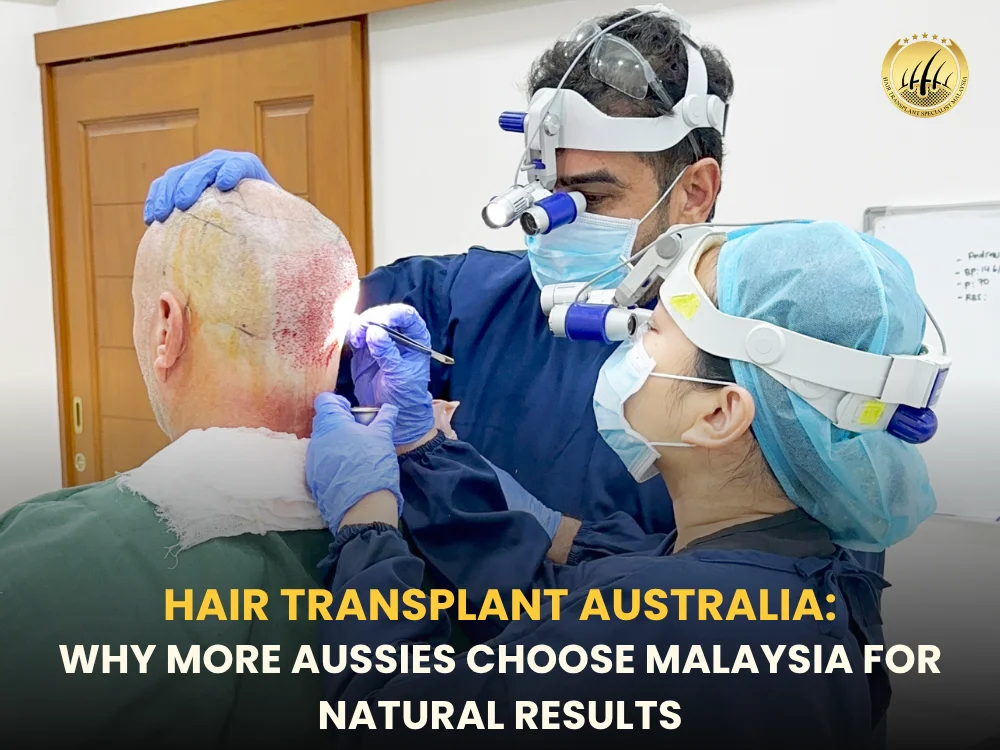
🇦🇺 vs 🇲🇾 Hair Transplant Savings Calculator Select your estimated graft count to see how much you save by choosing Malaysia for natural results. Estimated Grafts: 2,000 Grafts 1,000 2,500 4,000+ Average Cost in Australia $11,000 AUD Premium Care in Malaysia $4,400 AUD You Save Approximately: $6,600 AUD (60%) 💬 Claim Your Free Quote on WhatsApp If you’ve been researching hair transplant Australia, you’ve probably noticed two things: rising costs and long waiting lists. While clinics in Sydney and Melbourne offer quality care, many Australians are now exploring overseas options—especially in Kuala Lumpur—for better value without compromising results. This guide breaks down why Malaysia has become a preferred destination, what to expect, and how to make a confident decision. Hair Transplant Australia: What Are Your Options? When considering a hair transplant in Australia, you’ll typically come across two main techniques: FUE (Follicular Unit Extraction) – minimally invasive, no linear scar FUT (Follicular Unit Transplantation) – strip method, more grafts but visible scarring While both methods are effective, the key differences often come down to cost, surgeon availability, and clinic experience. In cities like Sydney and Melbourne, prices can range from AUD 8,000 to AUD 25,000+, depending on graft count and clinic reputation. This pricing pushes many patients to look abroad. Why Australians Are Choosing Malaysia Instead 1. Significant Cost Savings (Without Cutting Quality) In Malaysia, the same FUE procedure typically costs 50–70% less than in Australia. Lower operational costs—not lower standards—make this possible. You’re not sacrificing safety; you’re avoiding inflated pricing structures. 2. Highly Experienced Surgeons Malaysia has become a regional hub for medical tourism. Many surgeons: Train internationally Perform thousands of grafts monthly Specialize in advanced techniques like dense packing and natural hairline design This high-volume experience often exceeds what’s available in smaller Australian clinics. 3. Advanced Technology & Techniques Clinics in Kuala Lumpur frequently use: Sapphire FUE blades Micromotor extraction tools Precision implantation methods These tools help achieve natural density and minimal downtime, which is crucial for patients flying back to Australia. 4. Minimal Waiting Time In Australia, you may wait weeks or months for a procedure. In Malaysia, scheduling is often available within days to a couple of weeks, making it ideal for planning around work or holidays. 5. Combine Treatment with Travel Malaysia offers a practical advantage: it’s close to Australia (8–9 hours flight), affordable, and English-friendly. Patients from Sydney and Melbourne often turn their procedure into a short recovery getaway. Is It Safe to Get a Hair Transplant Overseas? This is the most common concern—and a valid one. Choosing the right clinic in Malaysia is critical. Look for: Verified patient results Transparent consultations Qualified medical teams Proper hygiene and accreditation Avoid clinics that offer unrealistically low prices or “too good to be true” guarantees. Comparing Hair Transplant Australia vs Malaysia Factor Australia Malaysia Cost High (AUD 8k–25k+) Moderate (50–70% less) Waiting Time Weeks/months Days/weeks Surgeon Volume Moderate High Technology Good Advanced Travel Needed None Yes (short-haul) What to Expect When Traveling for Treatment Step 1: Online Consultation Most Malaysian clinics offer virtual assessments. You’ll receive: Graft estimate Hairline design preview Cost breakdown Step 2: Travel Planning Flights from Sydney or Melbourne to Kuala Lumpur are frequent and relatively affordable. Step 3: Procedure Day Local anesthesia 6–8 hours duration Same-day discharge Step 4: Recovery Most patients stay 3–5 days before returning home. Results Timeline: When Will You See Growth? Hair restoration is a process, not instant. 2–4 weeks: Shedding phase (normal) 3–4 months: Early regrowth 6–9 months: Visible improvement 12 months: Final results Consistency and aftercare play a major role in outcomes. Who Is a Good Candidate? You may be suitable if you: Have pattern hair loss (e.g., receding hairline, crown thinning) Possess sufficient donor hair Are in generally good health A proper consultation—whether in Australia or Malaysia—is essential before committing. Common Mistakes to Avoid Choosing based on price alone Ignoring surgeon experience Expecting unrealistic density Skipping aftercare instructions A hair transplant is a medical procedure, not just a cosmetic upgrade. Why Malaysia Stands Out for Australians For patients researching hair transplant Australia, Malaysia offers a balanced solution: Affordable pricing High-quality results Convenient travel distance English-speaking environment It’s not about replacing Australian clinics—it’s about expanding your options. Final Thoughts If you’re based in Sydney, Melbourne, or elsewhere in Australia, exploring Malaysia could be a strategic decision—especially if you want premium results without premium pricing. The key is doing your research, asking the right questions, and choosing a clinic with proven results. FAQs: Hair Transplant Australia & Malaysia 1. Is it cheaper to get a hair transplant in Malaysia than Australia?Yes, typically 50–70% cheaper due to lower operating costs. 2. Do Malaysian clinics meet international standards?Many do, especially reputable clinics in Kuala Lumpur. 3. How long should I stay in Malaysia after surgery?Usually 3–5 days for initial recovery and follow-up. 4. Will results look natural?Yes, if performed by an experienced surgeon using modern techniques. 5. Is FUE better than FUT?FUE is more popular due to minimal scarring and faster recovery. 6. Can I fly back immediately after the procedure?It’s recommended to wait a few days before flying. 7. Are there risks with overseas procedures?Yes, but they can be minimized by choosing a reputable clinic. 8. How many grafts will I need?Depends on your hair loss severity—usually 1,500 to 4,000 grafts. 9. Do I need multiple sessions?Some patients may require a second session for density. 10. How do I choose the right clinic?Look for verified results, surgeon credentials, and transparent consultations.
Hair Mesotherapy Malaysia — Benefits, Cost & Comparison With PRP
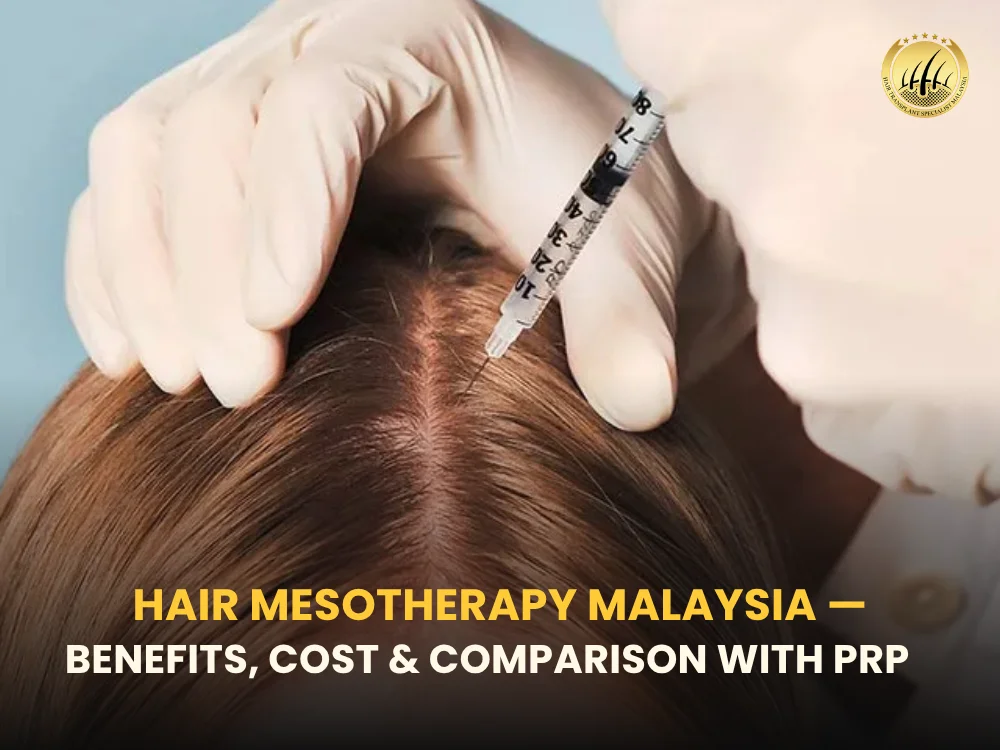
Biocellular Audit Follicle Nutrition Deficiency Risk Screener Hair roots require a constant supply of vitamins, amino acids, and minerals. When stress or diet restricts this supply, follicles shrink and shed prematurely. Check your everyday triggers below to analyze your root starvation score. Your Evaluated Follicle Starvation Level: 0% – Low Risk Matrix Select any active daily lifestyle triggers below to compute your localized root deficiency profile. High Chronic / Oxidative Stress Levels Elevated cortisol constricts micro-vessels in the scalp, restricting oxygen and nutrients from reaching the hair root matrix. Low Protein / Iron / Zinc Nutritional Intake Hair is made of keratin protein. Insufficient iron or protein intake causes the body to divert nutrients away from “non-essential” hair organs. Recent Rapid Weight Loss / Crash Dieting Sudden calorie or metabolic drops can trigger widespread shock, forcing active follicles prematurely into the shedding (Telogen) phase. Frequent Chemical Styling or Thermal Heat Exposure Repeated processing breaks down external disulfide hair bonds and stresses the surrounding dermal papilla cells beneath the surface. Want to reverse follicle starvation by injecting custom-blended vitamin cocktails directly into your roots? 💬 Lock In a Mesotherapy Consultation & Scalp Audit ➔ Hair mesotherapy is a minimally invasive medical procedure that delivers vitamins, minerals, coenzymes, and amino acids directly into the scalp’s dermal layer via microinjections. This targeted treatment stimulates cellular metabolism, increases local microcirculation, and revitalizes dormant hair follicles to combat thinning, slow hair loss, and promote thicker, healthier hair growth. In Malaysia, hair mesotherapy is often offered by aesthetic clinics as part of a broader hair restoration program. This guide explains how the treatment works, its potential benefits, cost considerations, and how it compares with other options such as Platelet-Rich Plasma Therapy. What Is Hair Mesotherapy? Hair mesotherapy is a minimally invasive treatment that involves injecting a customized blend of vitamins, amino acids, minerals, and growth factors into the scalp. The technique originates from Mesotherapy, which was initially developed for skin rejuvenation and fat reduction. When applied to the scalp, mesotherapy targets hair follicles to support healthier growth. These microinjections deliver nutrients directly into the layer of skin where hair follicles are located. The goal is to improve scalp health, stimulate follicles, and encourage stronger hair growth. How Hair Mesotherapy Works Hair follicles require nutrients and healthy blood circulation to function properly. In individuals experiencing hair thinning or early hair loss, the scalp environment may lack the nutrients needed for optimal hair growth. Hair mesotherapy works by delivering beneficial compounds into the Hair Follicle. Common ingredients used in mesotherapy solutions include: Vitamins such as B-complex and biotin Amino acids that support keratin production Minerals that nourish the scalp Peptides and growth factors These ingredients may help strengthen hair roots and support natural hair growth cycles. Conditions Hair Mesotherapy May Help Treat Hair mesotherapy is commonly used as a supportive treatment for several hair concerns. These include: Early Hair Thinning Individuals noticing gradual hair thinning may use mesotherapy to support follicle health. Pattern Hair Loss Mesotherapy is sometimes used alongside medical treatments for Androgenetic Alopecia. Hair Weakness or Breakage Poor scalp nutrition may lead to brittle hair strands. Nutrient injections may help improve hair strength. Stress-Related Hair Shedding Hair shedding related to conditions such as Telogen Effluvium may sometimes be addressed with supportive scalp treatments. Benefits of Hair Mesotherapy Many individuals consider hair mesotherapy because it offers a non-surgical approach to hair restoration. Potential benefits include: Improved Scalp Nutrition Direct delivery of vitamins and nutrients helps nourish the scalp environment. Stronger Hair Roots Hair follicles may become healthier when supplied with adequate nutrients. Minimally Invasive Treatment Hair mesotherapy involves tiny injections and does not require surgery. Short Treatment Sessions Most sessions typically last between 30 and 45 minutes. Minimal Downtime Patients can usually resume normal daily activities shortly after treatment. Hair Mesotherapy vs PRP: What’s the Difference? Hair mesotherapy is often compared with Platelet-Rich Plasma Therapy, another popular hair restoration treatment. Although both procedures involve scalp injections, they work in different ways. Hair Mesotherapy Uses nutrient-based injection solutions Focuses on improving scalp nutrition Typically involves multiple sessions PRP Hair Treatment PRP involves drawing the patient’s blood, processing it, and injecting platelet-rich plasma back into the scalp. The platelets contain natural growth factors that may stimulate hair follicles. Key Differences Feature Hair Mesotherapy PRP Source of treatment Vitamins and nutrients Patient’s blood Goal Improve scalp nutrition Stimulate follicle growth Preparation Pre-mixed solution Blood processing required Some clinics combine both treatments to enhance overall results. Hair Mesotherapy Cost in Malaysia The cost of hair mesotherapy in Malaysia varies depending on the clinic, treatment formula, and number of sessions required. Typical price ranges may include: RM300 to RM800 per session Most patients require 4 to 8 sessions spaced several weeks apart. Factors influencing cost may include: Clinic reputation Doctor expertise Treatment ingredients Additional therapies used Consultation with a qualified practitioner helps determine the most suitable treatment plan. What to Expect During the Procedure Hair mesotherapy sessions are generally straightforward. The process may include: Consultation The doctor evaluates the scalp and hair condition before recommending treatment. Scalp Preparation The scalp is cleaned and sometimes numbed using a topical anesthetic. Microinjections Small amounts of the mesotherapy solution are injected into targeted areas of the scalp. Post-Treatment Care Patients may be advised to avoid washing their hair for several hours after treatment. When Will Results Appear? Hair growth follows a natural cycle, which means results from hair mesotherapy develop gradually rather than immediately. Because hair follicles need time to transition from the resting phase into active growth, patience is an important part of the process. In the early stages of treatment, some patients may notice subtle improvements within the first few weeks. These initial changes often include reduced hair shedding and a healthier scalp environment, indicating that the treatment is beginning to take effect. By around 6 to 8 weeks, improvements in hair texture may become more noticeable. Hair strands may feel stronger, thicker, and less prone to breakage as the follicles receive
Exosome Hair Treatment Malaysia: The Ultimate Guide to Scalp Regeneration
Biotech Suitability Scan The Miniaturization Phase Matcher Exosomes use stem-cell-derived nano-signaling molecules to reverse follicle shrinking. Select the option below that closest matches your current scalp layout to evaluate your biological compatibility. Stage 1: Early Diffuse Thinning / Hairline Recession Hair feels less dense overall, parting lines are widening slightly, but active hair strands cover the entire zone. Stage 2: Significant Scalp Show-Through / Miniaturization Hair strands in the thinning area have become highly fine, short, wispy, and transparent. The scalp is easily visible under standard light. Stage 3: Completely Bare / Smooth Slick Skin The thinning zone is completely smooth or shiny with zero active hair fuzz or fine baby strands visible to the naked eye. Clinical Compatibility Rating: 🟢 Elite Candidate Status — 100% Regenerative Match 🧬 Cellular Action Framework: Loading exosome biological compatibility parameters… Want a macroscopic scalp scan to count your exact number of reversible, miniaturized follicles? 📲 Request a Digital Follicle Analysis via WhatsApp ➔ Exosome hair treatment is an advanced, non-surgical regenerative therapy that uses microscopic extracellular vesicles to reverse hair thinning. Derived from stem cells, these biotechnology-based vesicles deliver thousands of growth factors, coenzymes, and signaling proteins directly to dormant hair follicles, stimulating rapid cellular repair, reducing inflammation, and triggering robust new hair growth cycles. What is Exosome Hair Treatment for Hair Loss The Science Behind Exosomes and Hair Regrowth Exosomes represent a massive leap forward in regenerative medicine. Unlike whole stem cells, exosomes are highly purified nanovesicles (roughly 30 to 200 nanometers in size) that act as intercellular messengers. When introduced into the scalp, they travel directly to the dermal papilla cells within the hair follicles. They deliver a dense cargo of microRNA and messenger RNA (mRNA) that actively reprograms aging, miniaturized follicles. This process switches the hair follicles from a resting phase (telogen) back into an active growth phase (anagen), effectively counteracting the hormonal triggers of androgenetic alopecia. Key Benefits of Exosome Therapy for Thinning Hair Massive Growth Factor Density: Provides a significantly higher concentration of signaling proteins compared to traditional cellular therapies. Anti-Inflammatory Action: Actively calms scalp micro-inflammation, which is a major, hidden cause of female and male pattern baldness. Vascular Regeneration: Promotes angiogenesis, creating new microscopic blood vessels to deliver vital oxygen and nutrients to gasping follicles. Zero Blood Draw: Extracted from sterile, laboratory-controlled donor stem cells (such as umbilical mesenchymal stem cells or specialized botanical sources like Damask Rose), removing the need to harvest patient tissue. How Exosome Hair Treatment Works The Step-by-Step Procedure in Malaysia Clinics Medical practices in Kuala Lumpur and Selangor follow strict clinical protocols to ensure optimal delivery of the biotehnology. Digital Trichoscopy Analysis: A certified medical practitioner uses high-magnification cameras to assess follicle density and pinpoint areas of active thinning. Scalp Preparation: The target area is thoroughly cleansed with a medical-grade antiseptic solution. A topical numbing cream is then applied for 20 to 30 minutes to maximize comfort. Targeted Delivery: The physician delivers the premium exosome solution (popularly utilizing trusted medical brands like ASCE+ or Exomide) into the scalp at the exact depth of the dermal papilla using fine-gauge micro-needles or advanced mechanical mesotherapy systems. Post-Procedure Soothing: The scalp is sanitized again, and a soothing, anti-inflammatory serum may be applied to accelerate immediate recovery. What to Expect During Your First Session The actual procedure takes roughly 45 to 60 minutes to complete. Thanks to the numbing cream, most patients report feeling only a light, repetitive pinching or pressure sensation across the vertex and hairline. Directly following the session, your scalp might look slightly flushed, similar to a mild sunburn. This temporary redness usually fades completely within 12 to 24 hours, allowing you to return to work or daily activities immediately with no visible signs of a medical procedure. Exosome Hair Treatment vs PRP (Platelet-Rich Plasma) Key Differences in Efficacy and Technology While both are considered regenerative therapies, exosomes provide a vastly superior technological approach to standard Platelet-Rich Plasma (PRP). PRP relies entirely on drawing your own blood and spinning it in a centrifuge to isolate platelets. This means the quality of a PRP treatment depends heavily on your current health, age, and hydration levels. Conversely, exosome therapy uses standardized, factory-verified vials with predefined, massive concentrations of pure signaling molecules. Comparison Factor Exosome Therapy PRP (Platelet-Rich Plasma) Primary Source Lab-purified stem cell-derived vesicles Patient’s own autologous blood Growth Factor Density Up to 3x to 5x higher concentration than PRP Variable, depending on patient age/health Patient Convenience No blood draw required Blood draw and centrifugation mandatory Cellular Target Deep mRNA reprogramming of hair follicles Basic growth factor stimulation Typical Sessions Needed 1 to 4 sessions 4 to 6 sessions Why Exosomes are Replacing Traditional Hair Loss Treatments Exosome treatments are rapidly replacing legacy options due to their reliable consistency. Because the cell-signaling payload is manufactured under rigorous laboratory conditions, patients do not suffer from the unpredictable clinical results seen with PRP. Furthermore, older individuals or those suffering from chronic stress often have nutrient-depleted platelets, making PRP less effective; exosomes circumvent this issue entirely by providing a fresh, potent cellular boost that performs independently of the patient’s biological age. Who is the Ideal Candidate for Exosome Hair Therapy Best Candidates for Early-Stage Balding and Hair Thinning Exosome therapy yields its most dramatic results when used to save follicles that are struggling but still alive. It is perfectly optimized for men and women experiencing early-to-moderate stages of hair thinning, a receding hairline, or general diffuse loss across the crown. It is also highly recommended as an adjunct treatment after a hair transplant to accelerate graft survival and boost overall donor-area healing. Who Should Avoid This Treatment This cellular therapy requires a living follicle structure to work its regenerative magic. Consequently, individuals with completely bald, shiny, or heavily scarred areas of the scalp will not see results, as the underlying hair follicles have already completely withered away. It is also contraindicated for pregnant or breastfeeding women, individuals undergoing active oncological treatments, or anyone with an active, untreated
Hair Transplant Scar Repair Malaysia — FUE Correction for Linear & Plug Scars
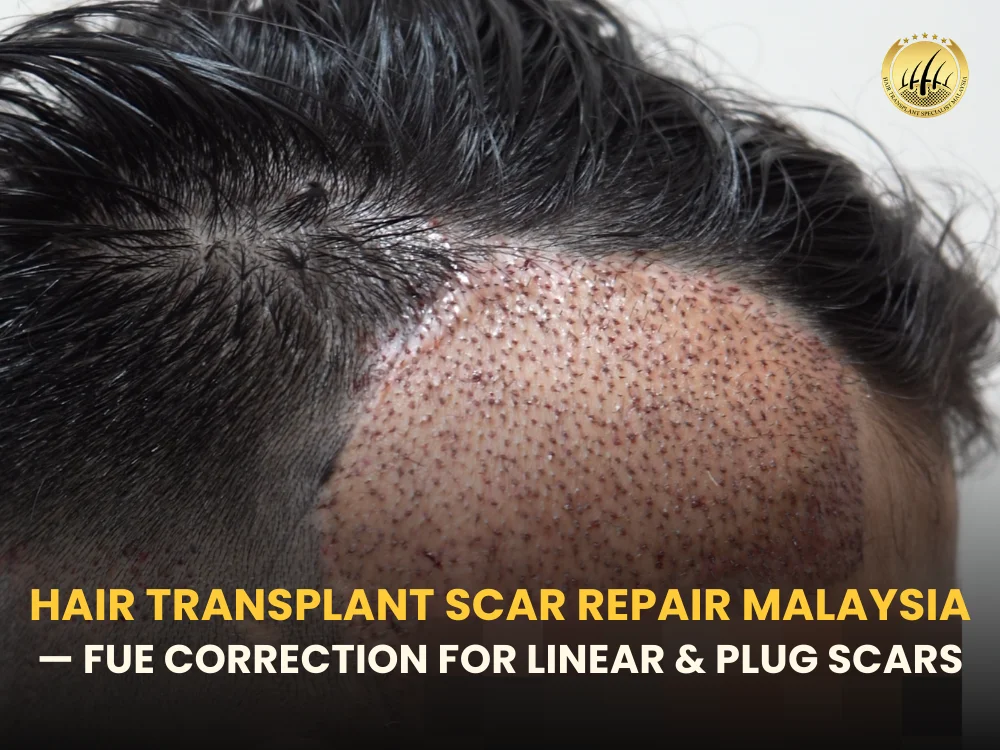
Scar Correction Diagnostic Tool Scar Camouflage & Repair Estimator Scar tissue lacks the normal blood supply of healthy skin. Select your prior surgical scar type below to discover the safest medical camouflage protocol. 1. What does your scar look like? Horizontal Linear Line (From old FUT Strip surgery)White Micro-Dots (Over-harvested / patchy FUE donor zone)Cobblestone / Raised Plugs (Old-school doll’s hair grafts) 2. How short do you want to cut your hair? Skin Fade / Shaved Close (Want scar invisible at short lengths)Medium to Long (Just want to cover it when wind blows) Primary Correction Pathway: Analyzing scar tissue profile… Evaluating structural dermal tissue density… 💉 Tissue Success Rate: Loading recovery criteria… Scar revision requires an in-person vascularity audit. Send a clear macro-photo of your scar to our surgical team for a private, confidential review. 📲 Submit Scar Profile & Request Confidential Snapshot Review via WhatsApp ➔ Hair transplant scar repair is a specialized corrective procedure designed to conceal, minimize, or eliminate visible scarring resulting from strip harvesting (FUT) or follicular unit extraction (FUE). Utilizing advanced techniques like scalp micro-pigmentation, laser resurfacing, scar excision, or grafting follicles directly into cicatricial tissue, it effectively restores a natural, seamless appearance. Hair transplant procedures can restore hair and confidence, but older techniques sometimes left visible scars on the scalp. Fortunately, modern solutions now allow doctors to improve the appearance of these scars. One increasingly popular option is hair transplant scar repair, which uses advanced hair restoration techniques to camouflage or reduce visible scarring. For patients in Malaysia who previously underwent older transplant procedures or experienced surgical scarring, scar repair treatments can help restore a more natural-looking hairline and scalp. Understanding Hair Transplant Scar Repair Hair transplant scar repair refers to medical procedures designed to reduce the visibility of scars left behind by previous hair restoration surgeries. These scars may result from older methods like Follicular Unit Transplantation (FUT) or early plug-style hair transplants. Modern clinics in Malaysia often use Follicular Unit Extraction (FUE) to correct or camouflage these scars by implanting healthy hair follicles directly into the scar tissue. The goal is not necessarily to completely remove the scar, but to blend it with surrounding hair so it becomes much less noticeable. Why Do Hair Transplant Scars Occur? Hair transplant scars usually develop after surgical procedures that involve removing a strip of scalp or placing large grafts. Linear Scars Linear scars typically appear after Follicular Unit Transplantation procedures, where a strip of scalp is removed from the donor area. Although surgeons close the incision carefully, some patients may still develop visible scars at the back of the head. Plug Scars Plug scars are small circular scars caused by older hair transplant methods used decades ago. These procedures often used large grafts that created unnatural-looking clusters of hair. Many patients today seek correction using modern techniques like Follicular Unit Extraction. Poor Healing or Scar Tissue Some individuals naturally form thicker scars due to genetics or healing responses. Factors that may increase scar visibility include: Tight scalp closure during surgery Infection or wound complications Genetic tendency to develop thicker scars How FUE Can Repair Hair Transplant Scars One of the most effective treatments today for scar correction is Follicular Unit Extraction. Instead of removing a strip of scalp, FUE extracts individual hair follicles from the donor area and implants them into the scar tissue. How It Works The process involves: Extracting healthy follicles individually Carefully placing them into the scar area Allowing new hair to grow through the scar tissue As the transplanted hair grows, it helps camouflage the scar and restore natural hair coverage. Types of Scars That Can Be Treated Hair transplant scar repair can address several types of scarring. FUT Linear Scar Repair The most common repair procedure involves filling in a long scar caused by previous strip surgery. Doctors implant follicles along the scar line to reduce its visibility. Plug Hair Transplant Correction Older “plug” transplants often created unnatural hair patterns. Repair may involve: Removing old grafts Redistributing follicles Performing FUE to restore natural density Trauma or Surgical Scalp Scars Hair transplant techniques may also help camouflage scars from injuries or previous scalp surgeries. However, the success rate depends on the condition of the scar tissue. Is Hair Transplant Scar Repair Effective? Hair transplant scar repair can be an effective solution for improving the appearance of visible scars on the scalp. Many patients who have undergone previous hair transplant procedures—particularly older strip techniques—may develop noticeable linear scars or patchy areas where hair no longer grows. Scar repair treatments aim to restore hair coverage and blend the scar with the surrounding scalp. The effectiveness of scar repair largely depends on several individual factors. These include: Size and thickness of the scar: Larger or thicker scars may require more grafts or multiple sessions to achieve optimal coverage. Blood supply in the scar tissue: Scar tissue sometimes has reduced blood circulation, which can affect how well transplanted grafts survive. Hair density in the donor area: Adequate donor hair is essential to provide enough grafts for natural-looking coverage. Skill and experience of the surgeon: Precise graft placement and careful handling of scar tissue are crucial for achieving good results. Although scar repair cannot completely erase a scar, a well-performed procedure can make it much less visible. By strategically implanting hair grafts into the scarred area, surgeons can help the hair grow through the scar tissue, allowing it to blend more naturally with surrounding hair. In many cases, patients notice a significant cosmetic improvement, making the scar far less noticeable—even with shorter hairstyles. Some individuals may benefit from combining hair transplantation with other treatments, such as scalp micropigmentation (SMP) or laser therapy, to further enhance the final appearance. What Happens During the Procedure? A hair transplant scar repair procedure usually follows a process similar to a standard hair transplant. Step 1: Consultation The doctor evaluates the scar type, scalp condition, and donor hair availability. Step 2: Donor Hair Extraction Using Follicular Unit Extraction, individual follicles