Navigating a second hair transplant requires a blend of medical precision and artistic vision. In Malaysia, where aesthetic standards meet world-class medical tourism, revision procedures have become a refined solution for those seeking to perfect their look or fix past surgical shortcomings.
What Is a Second Hair Transplant?
Definition of a Second Hair Transplant
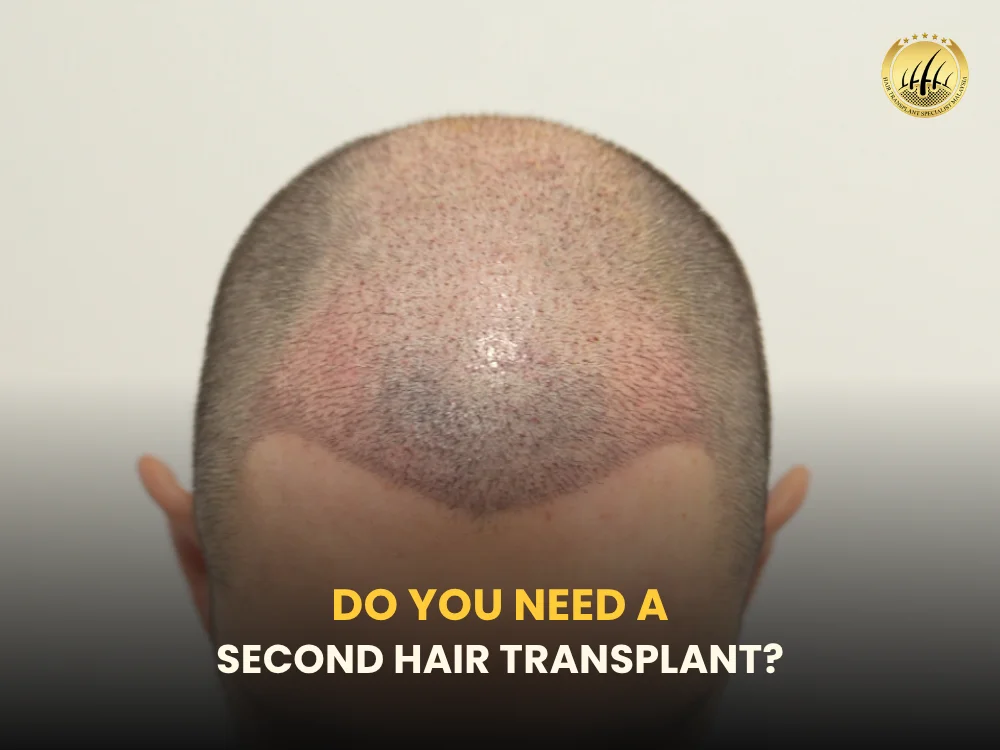
A second hair transplant is a follow-up surgical procedure designed to improve the results of a previous restoration. It involves harvesting additional follicular units from a stable donor area to increase density, refine the hairline, or repair visible scarring from a prior “strip” or FUE surgery.
Difference Between First and Second Hair Transplant Procedures
The primary difference lies in complexity and donor supply management. While the first surgery works with a “virgin” scalp, the second must navigate existing scar tissue and a potentially depleted donor bank. Surgeons must use refined microsurgical techniques to ensure every remaining graft counts toward the final result.
Who Is a Suitable Candidate for a Second Hair Transplant?
Ideal candidates have a stable hair loss pattern and sufficient donor density in the occipital or parietal regions. Candidates must also have healthy scalp laxity and realistic expectations. In Malaysia, the Malaysian Medical Council (MMC) guidelines emphasize that patients should be in good general health before undergoing elective revisions.
Signs You May Need a Second Hair Transplant
Low Hair Density After the First Procedure
If your hair still looks thin under bright light, you likely have low “cosmetic density.” This occurs when the initial graft count was insufficient to cover the balding area. A revision can add the necessary volume by “interspersing” new grafts between existing transplanted hairs.
Uneven Hairline Design
A “pluggy” or asymmetrical hairline is a common sign of surgical inexperience. If the transition from forehead to hair looks abrupt or “doll-like,” a second procedure can soften the edge. Using single-hair follicular units creates a gradual, natural-looking hairline transition that mimics your original growth.
Continued Hair Loss After Transplant
Hair transplantation doesn’t stop the biological clock. While transplanted hairs are usually permanent, native hairs around them may continue to fall out. This creates a “halo” effect or new bald patches, necessitating a second session to fill in the newly thinned gaps.
Poor Graft Survival Rate
Sometimes grafts simply don’t “take” due to poor handling or dehydration during the first surgery. If your growth is patchy or non-existent after 12 months, it indicates a low survival rate. A revision focuses on optimizing graft viability through better storage solutions and quicker implantation.
Visible Scarring From Previous Hair Transplant
Older “Strip” (FUT) methods often leave a linear scar that becomes visible if you cut your hair short. Similarly, overharvested FUE donor areas can look “moth-eaten.” A second transplant can use Scalp Micropigmentation (SMP) or graft placement directly into the scar tissue to camouflage these marks.
Common Reasons First Hair Transplants Fail
Inexperienced Hair Transplant Surgeon
Precision is everything. An inexperienced surgeon may transect follicles during extraction, killing the hair before it’s even planted. Choosing a clinic with a Letter of Credentialing and Privileging (LCP) in Malaysia ensures the doctor has met the Ministry of Health’s strict aesthetic standards.
Poor Donor Area Management
The “safe donor zone” is a finite resource. If a previous surgeon overharvested the back of your head, they may have permanently thinned your donor supply. Revision specialists must carefully map the Hair Diameter Index (HDI) to ensure the remaining hair can provide adequate coverage without looking sparse.
Incorrect Graft Placement
If hairs are planted at the wrong angle or depth, they won’t look natural or survive long-term. Hairs must be placed at a specific 10° to 45° angle depending on the scalp location. Poor placement often leads to “tunnelling” or bumps on the scalp surface.
Inadequate Post-Operative Care
Success isn’t just about the surgery; it’s about the first 14 days. Failure to follow washing protocols or accidentally dislodging grafts can ruin a perfect procedure. Proper aftercare includes avoiding strenuous exercise and protecting the scalp from direct UV exposure during the initial healing phase.
Progressive Hair Loss
Many patients skip maintenance medications like Finasteride or Minoxidil. Without these, the non-transplanted hair continues to thin, leaving the “islands” of transplanted hair looking isolated. A second transplant often coincides with a renewed focus on a long-term medical hair management plan.
Types of Second Hair Transplant Procedures in Malaysia
FUE Second Hair Transplant
Follicular Unit Excision (FUE) is the gold standard for revisions. It involves extracting individual follicles using a motorized punch (typically 0.8mm to 1.0mm). This method is ideal for filling in small patches or fixing hairlines without creating a new linear scar.
FUT Revision Hair Transplant
While less common for revisions, a second FUT (Strip) procedure might be used if the scalp still has enough laxity. The surgeon can often excise the old linear scar while harvesting new grafts, essentially “killing two birds with one stone” by providing hair and removing the old scar.
Sapphire FUE for Revision Cases
Sapphire FUE uses blades made from precious gemstone rather than steel. These blades allow for even smaller, more precise incisions. This reduces trauma to the already sensitized “revision” scalp, leading to faster healing and higher graft survival rates for density improvement.
DHI Hair Transplant for Density Improvement
Direct Hair Implantation (DHI) uses a specialized “Choi Implanter Pen.” This tool allows surgeons to control the depth, angle, and direction of each graft with extreme precision. It is particularly effective for adding density between existing hairs without damaging the original transplants.
How a Failed Hair Transplant Is Corrected
| Problem | Correction Method |
| Pluggy Hairline | Extraction of “plugs” and redistribution as single grafts. |
| Linear FUT Scar | FUE grafts harvested from the body or scalp and planted into the scar. |
| Low Crown Density | High-volume FUE or DHI session targeting the vertex. |
| Wide FUE Scars | Scalp Micropigmentation (SMP) combined with density enhancement. |
Hairline Repair and Redesign
Surgeons often “push” the hairline slightly forward or add “micro-irregularities” to fix a straight, unnatural-looking line. This involves using the finest single-hair follicles at the very front to create a soft, feathered appearance that looks completely authentic under close inspection.
Density Enhancement Procedures
To fix thin areas, surgeons use a “dense packing” technique. This requires placing grafts very close together—often up to 40-50 grafts per cm². Advanced clinics in Malaysia use high-magnification loupes to ensure new incisions don’t “transect” or kill the hair that is already growing.
Scar Revision Techniques
Correcting a wide linear scar often involves a “trichophytic closure” if doing another FUT, or simply planting FUE grafts directly into the scar tissue. Since scar tissue has less blood flow, surgeons may combine this with PRP therapy to boost the chances of graft survival.
Crown Area Repair
The crown (vertex) is like a “black hole” for grafts because it requires high volume for a small visual impact. A revision here focuses on creating a natural “whorl” pattern, ensuring the hair flows in its original circular direction for maximum coverage.
Second Hair Transplant Procedure Step-by-Step
Initial Consultation and Hair Analysis
Your journey begins with a digital trichoscopy to measure your current hair density and miniaturization levels. The surgeon will determine if your donor area can handle another extraction. In Malaysia, this consultation often includes a detailed mapping of your previous surgical sites.
Donor Area Assessment
The surgeon evaluates the “Safe Donor Area” (SDA). They must ensure that extracting more hair won’t lead to a “see-through” look in the back. They calculate the Hair Diameter Index (HDI) to predict how much coverage the remaining grafts can provide.
Hairline Planning and Design
Using a specialized marker, the surgeon draws a new, corrected hairline. This is a collaborative process where you can see the proposed “revision” before a single graft is moved. The goal is to harmonize the hairline with your current facial features and age.
Graft Extraction Process
Under local anesthesia, the surgeon uses a micro-punch to harvest follicles. For a second transplant, this process is slower and more cautious to avoid “overlapping” with old extraction sites. The grafts are then kept in a chilled holding solution to maintain their health.
Implantation Technique
The surgeon creates tiny recipient sites using Sapphire blades or Choi pens. For revisions, “inter-grafting” is used to plant new follicles between old ones. This requires a steady hand and high-powered magnification to avoid damaging the roots of your existing hair.
Recovery and Follow-Up Care
Post-op care is stricter for revisions. You’ll likely receive a specialized kit including saline sprays and antimicrobial shampoos. Most Malaysian clinics schedule follow-ups at 24 hours, 1 week, and 1 month to monitor for any signs of “shock loss” or infection.
How Long Should You Wait Before a Second Hair Transplant?
Recommended Waiting Period
The International Society of Hair Restoration Surgery (ISHRS) generally recommends waiting at least 12 months before a second procedure. This allows the scalp to fully heal, the blood supply to stabilize, and the full results of the first transplant to become visible.
Healing Timeline After the First Procedure
0-3 Months: Scalp is still tender; “shock loss” may occur.
6 Months: About 50-70% of results are visible.
12 Months: Full maturation of hair shafts and final density achieved.
Factors That Affect Timing
If you have significant scalp inflammation or scarring, you may need to wait longer. Patients with underlying conditions like Lichen Planopilaris must ensure their condition is stable for at least two years. Age also plays a role; younger patients may wait longer to see how their hair loss progresses.
Cost of a Second Hair Transplant in Malaysia
Average Hair Transplant Cost in Malaysia
In 2026, the average cost for a high-quality hair transplant in Malaysia ranges from RM 8,000 to RM 25,000. Revision surgeries often sit at the higher end of this scale because they require more time and specialized expertise than a standard first-time procedure.
Cost Per Graft Explained
Most clinics charge per graft. In Malaysia, prices typically range from RM 5 to RM 12 per graft. While some clinics offer “unlimited graft” packages, revision cases usually benefit from “pay-per-graft” models where the focus is on quality and precision rather than sheer volume.
Factors Affecting Total Cost
Technique: Sapphire FUE or DHI usually costs more than standard FUE.
Surgeon’s Reputation: Highly experienced LCP-certified doctors charge a premium.
Complexity: Repairing extensive scarring or “pluggy” results takes longer.
Additional Therapies: Including PRP or Regenera Activa will increase the total.
Is a Second Hair Transplant Worth It?
For many, the answer is a resounding yes. If the first surgery didn’t meet your goals, a revision can provide the “finishing touch.” High patient satisfaction rates—often exceeding 90% for successful revisions—suggest that the emotional boost of a full head of hair justifies the investment.
Choosing the Right Hair Transplant Clinic in Malaysia
What to Look for in a Hair Transplant Clinic
Look for a clinic that specializes in Revision Hair Restoration. They should have advanced diagnostic tools like digital trichograms. Avoid “hair mills” where technicians perform the entire surgery; in Malaysia, legally, a doctor must perform the critical surgical steps.
Certifications and Surgeon Credentials
Ensure your surgeon is registered with the Malaysian Medical Council (MMC) and holds an LCP (Letter of Credentialing and Privileging) for Aesthetic Medical Practice. Membership in international bodies like the ISHRS is a strong indicator of a commitment to global standards.
Importance of Before-and-After Results
Ask specifically for “Revision” before-and-after photos. Fixing a failed transplant is a different skill set than doing a fresh one. Look for consistency in their results—natural hairlines, good density, and no visible “overharvesting” in the donor area photos.
Patient Reviews and Testimonials
Read reviews on independent platforms. Look for stories from patients who had “repair” work done. Their experiences with the clinic’s follow-up care and long-term results will give you the most honest insight into the clinic’s trustworthiness and expertise.
Risks and Complications of a Second Hair Transplant
Shock Loss After Revision Surgery
“Shock loss” is the temporary shedding of native or previously transplanted hair due to the trauma of a second surgery. It affects about 0.15% to 15% of patients. Don’t panic—the hair almost always grows back within 3 to 4 months.
Donor Area Overharvesting
The biggest risk of a second procedure is depleting the donor area. If too many grafts are taken, the back of your head may look thin or “see-through.” Expert surgeons use a “scattered” extraction pattern to ensure the donor area remains looking dense and natural.
Infection and Scarring Risks
While rare (less than 1%), infections can occur. Revisions are slightly higher risk because the tissue may already have reduced blood flow. Following sterile protocols and using post-op antibiotics are essential steps that Malaysian clinics take to mitigate these risks.
Poor Hair Growth Results
If the scalp tissue is heavily scarred from a previous “botched” job, new grafts may have a harder time surviving. This is why surgeons often recommend complementary treatments like PRP to improve the “soil” (scalp) before planting the “seeds” (grafts).
Recovery Timeline After a Second Hair Transplant
First 7 Days Recovery Expectations
Day 1-2: Minor swelling and redness; some “oozing” at the donor site.
Day 3-5: Scabs begin to form; itching is common.
Day 7: You can usually return to work; swelling typically subsides.
Hair Shedding Phase Explained
Between weeks 2 and 8, the newly transplanted hairs will fall out. This is a normal part of the “resting phase” (telogen). Your follicles are still alive under the skin; they are just getting ready to grow new, stronger hair shafts.
Hair Growth Month-by-Month
Month 3: Fine, “baby” hairs begin to sprout.
Month 6: Significant growth; hair becomes thicker and darker.
Month 9: About 80% of the final result is visible; styling becomes easier.
Full Results Timeline
You will see the final, mature results around the 12 to 14-month mark. For revisions, the hair may take slightly longer to reach full thickness due to the existing scar tissue. Patience is key to enjoying your permanent new look.
Before and After Second Hair Transplant Results
Natural Hairline Outcomes
A successful revision replaces a “wall of hair” with a soft, irregular edge. By using single follicles and mimicking the natural “cowlick” patterns, surgeons create a hairline that looks great even when your hair is wet or pushed back.
Hair Density Improvement Results
Most patients achieve a 30% to 50% increase in visual density after a second session. This makes the difference between “thinning” and “full.” The results are especially noticeable in the crown and along the part-line where the scalp was previously visible.
Timeline for Visible Results
While you’ll see a change by month 6, the “wow” factor happens at one year. The hair will have undergone several growth cycles, becoming coarser and more manageable. Many patients find that their second transplant provides the confidence they missed after the first.
How to Maintain Results After a Second Hair Transplant
Hair Loss Medications After Transplant
Surgery moves hair, but it doesn’t stop the loss of original hair. Medications like Finasteride (to block DHT) and Minoxidil (to boost blood flow) are crucial. Most surgeons recommend staying on these indefinitely to preserve the hair you still have.
PRP Therapy After Hair Transplant
Platelet-Rich Plasma (PRP) therapy uses your own blood to stimulate growth. Studies show that 84% of patients see positive effects when using PRP for hair loss. It’s an excellent way to speed up healing and thicken existing hair after a revision.
Proper Hair Care Routine
Use a sulfate-free, pH-balanced shampoo. Avoid high-heat styling and harsh chemical dyes for at least 6 months post-op. A gentle scalp massage can also help improve circulation, ensuring your new grafts get the nutrients they need to thrive.
Long-Term Hair Maintenance Tips
Diet: Eat a diet rich in Biotin, Zinc, and Protein.
Stress Management: High cortisol can trigger hair shedding.
Regular Check-ups: Visit your clinic once a year for a “hair health” check.
Sun Protection: Use a hat or scalp-specific sunscreen to protect grafts.
Frequently Asked Questions About Second Hair Transplant
Can You Have a Second Hair Transplant?
Yes, provided you have enough donor hair. Most people have between 6,000 and 8,000 grafts available in their lifetime. If your first surgery used 3,000, you still have a significant “bank account” left for a revision or a second session.
Is a Second Hair Transplant Permanent?
The transplanted hair is harvested from the “DHT-resistant” zone, meaning it is genetically programmed to grow for a lifetime. While the results are permanent, the aging process and continued loss of non-transplanted hair can still affect your overall look over time.
How Many Grafts Are Needed?
This varies. A hairline touch-up may only need 800 to 1,200 grafts, while significant density improvement or crown repair might require 2,000 to 3,000 grafts. A specialist in Malaysia will give you a precise count during your digital scalp analysis.
Can a Failed Hair Transplant Be Fixed?
Almost always. Whether it’s a wide scar, an unnatural hairline, or low density, modern revision techniques can significantly improve the appearance. Even in cases of donor depletion, options like Body Hair Transplants (BHT) or SMP can provide a solution.
What Is the Success Rate of a Second Hair Transplant?
When performed by an expert, the success rate is very high—typically over 95% graft survival. The key is choosing a surgeon who understands the unique challenges of working with scar tissue and managing a limited donor supply effectively.
How Do I Choose the Right Surgeon in Malaysia?
Prioritize doctors with LCP certification and extensive “before and after” portfolios. A good surgeon will be honest about your donor limits and won’t over-promise. Look for a clinic that offers a comprehensive long-term care plan to ensure your investment lasts.