Facial Hair Transplant Cost in Malaysia: Comprehensive Price Guide
Coverage Blueprint Beard Coverage & Density Map Select the custom aesthetic profile that best matches your target facial hair goals to view a precise diagnostic graft volume assessment and localized pricing layout. The Anchor Profile (Mustache & Goatee) Establishing strong density across the upper lip, chin, and soul patch. The Definition Profile (Cheeks & Jawline Fill) Fill patchy side cheeks, sharpen low beard lines, & connect sideburns. The Full Transformation (Lumberjack Reconstruction) A complete, heavy-density build stretching across the full fields. Estimated Grafts Needed 500 – 800 Grafts Estimated Investment Map RM 4,500 – RM 6,800 🧔 Design Strategy: Mustache & Goatee Anchor Architecture Focuses heavily on defining symmetrical vectors along the philtrum ridges and reinforcing structural density at the chin base. Grafts are strategically extracted from fine hair zones at the back of the scalp to perfectly mimic natural facial hair micro-diameters. Would you like our hair restoration surgeons to audit your facial donor zone availability? 📲 Request a Custom Face Map Consultation on WhatsApp ➔ Facial hair transplant cost represents the total financial investment required to surgically restore hair density in areas like the beard, moustache, and sideburns. In Malaysia, this cost typically ranges from RM 6,000 to RM 25,000, calculated based on the number of grafts implanted and the surgical technique used. Average Cost of Facial Hair Transplant in Malaysia The cost of achieving a fuller beard or a sharply defined moustache varies significantly depending on the scope of the procedure. Malaysia has become a premier hub for medical tourism, offering advanced hair restoration at a fraction of Western prices. Price Range for Beard, Moustache, and Sideburn Transplants The total surface area requiring coverage dictates the final price. A partial restoration or a localized touch-up requires fewer follicular units than a full, dense beard. According to current medical data from regional clinics, the typical price ranges across Malaysia are structured as follows: Target Treatment Area Average Grafts Needed Estimated Cost Range (RM) Moustache Restoration 300 – 600 grafts RM 6,000 – RM 9,000 Sideburns (Both Sides) 300 – 800 grafts RM 6,500 – RM 10,500 Goatee / Chin Area 500 – 1,000 grafts RM 8,000 – RM 14,000 Full Beard Coverage 1,500 – 3,000 grafts RM 15,000 – RM 25,000 Cost per Graft vs Package Pricing Structure Clinics in major Malaysian medical hubs like Kuala Lumpur and Penang generally utilize two distinct pricing models. Per-Graft Pricing: Patients pay strictly for the exact number of hair follicles extracted and implanted. The average rate ranges between RM 7 to RM 15 per graft, depending on the complexity of the extraction. All-Inclusive Packages: Many international patients prefer tiered package pricing. These flat-rate tiers group together specific graft ranges (e.g., a “Full Beard Package” up to 2,500 grafts) and bundle all clinical amenities into a single upfront fee. Factors Influencing Facial Hair Transplant Prices The final invoice for a facial hair restoration procedure is never arbitrary; it depends heavily on several surgical and geographic variables. Total Number of Grafts Needed The primary price driver is the sheer volume of hair follicles required to achieve the patient’s desired density. A patient suffering from patchy beard growth might only require minimal filling. Conversely, an individual with complete facial alopecia will require an extensive, multi-hour mega-session drawing thousands of single-hair grafts from the occipital scalp donor area. Extraction Technique Used: FUE vs DHI The choice of surgical methodology has a direct bearing on clinical fees: Follicular Unit Extraction (FUE): This standard approach involves manually punching out individual follicles and creating recipient incisions before placement. It remains highly cost-effective. Direct Hair Implantation (DHI): Using a specialized tool like the Choi Implanter Pen, the surgeon extracts and implants follicles simultaneously. This ensures a graft survival rate of up to 97% and precise control over the angle and direction of growth. Because DHI minimizes the follicle’s out-of-body time, it commands a 20% to 30% premium over traditional FUE. Surgeon Reputation and Clinic Location in Malaysia Surgical artistry matters deeply when recreating facial hair patterns. Board-certified plastic surgeons and credentialed members of global hair restoration societies command higher professional fees due to their specialized skill sets. Furthermore, premium clinics operating in high-end medical districts within Kuala Lumpur, Bangsar, or Petaling Jaya carry higher operational overheads, which influences their baseline pricing. What Included in the Facial Hair Transplant Cost? When evaluating quotes, it is crucial to ensure that the figure provided represents a comprehensive, fully realized treatment pathway. [Total Price] ──► Includes: Consultation + Surgery & Local Anesthesia + Recovery Medications Consultation and Hairline Designing Fees A successful facial transplant requires meticulous preoperative planning. This initial phase includes a microscopic evaluation of the donor scalp, blood diagnostic screenings to rule out underlying hormonal anomalies, and a custom mapping of the beard or moustache boundaries. Procedural Fees and Local Anesthesia The bulk of your financial investment covers the active operating room costs. This includes the surgeon’s specialized labor during a 4-to-8-hour window, the dedicated nursing team, sterile single-use microsurgical instruments, and the administration of local tumescent anesthesia to ensure a comfortable, pain-free patient experience. Post-Surgery Care and Recovery Medication Reputable medical institutions bundle essential immediate aftercare items into their baseline fees. This typically covers specialized antibacterial shampoos, saline sprays to keep the newly implanted grafts hydrated, a course of take-home antibiotics, and anti-inflammatory medications to manage localized swelling. Additional and Hidden Costs to Consider Patients should account for secondary out-of-pocket expenses that might not appear on an initial basic quote sheet. Post-Operative Follow-Up Sessions Ensuring that the delicate facial grafts anchor correctly requires professional monitoring. While immediate check-ups are generally complimentary, subsequent clinical evaluations or advanced healing therapies—such as Platelet-Rich Plasma (PRP) sessions to accelerate tissue repair—may incur extra fees ranging from RM 500 to RM 1,200 per session. Cost of Touch-Up Sessions for Density Facial skin features highly vascularized tissue, but minor graft shedding can still happen during the standard 3-to-6-month post-op timeline. If a patient desires an ultra-thick beard profile or requires minor symmetric
PRP Hair Treatment Cost in Malaysia: 2026 Price Guide
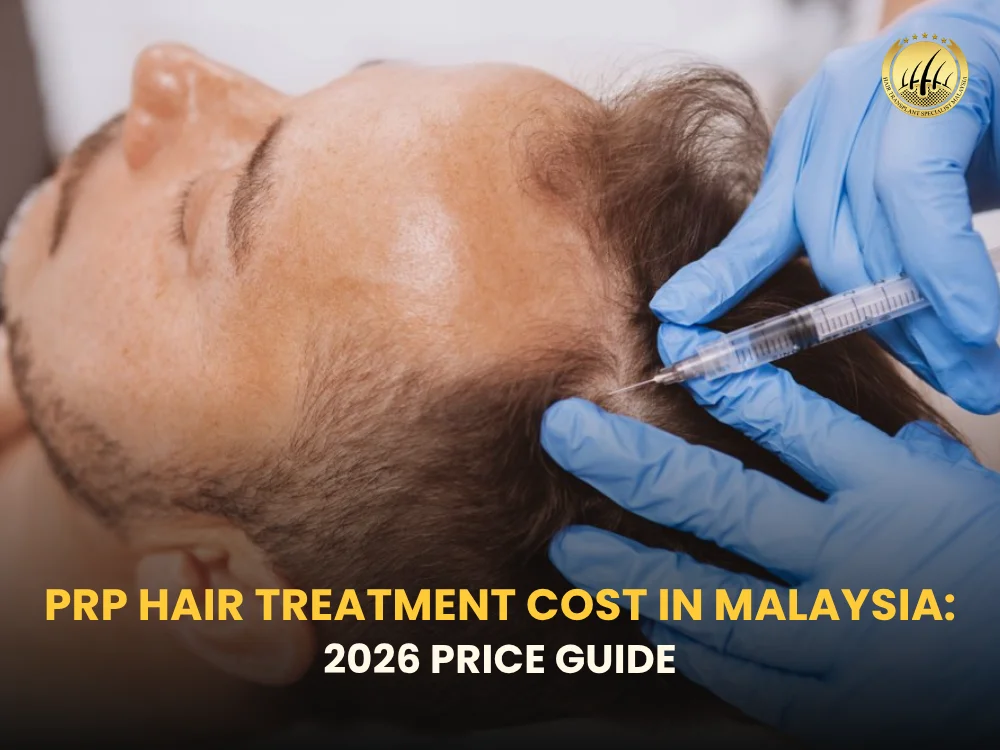
PRP Hair Cost Estimator (Malaysia) Disclaimer: This tool provides estimated price ranges based on typical Malaysian market rates in RM. Actual clinic quotes may vary. Loading options… Estimated Pricing Profile Start Over PRP hair cost refers to the price of Platelet-Rich Plasma therapy, a non-surgical procedure where a patient’s concentrated platelets are injected into the scalp to stimulate hair growth. In Malaysia, costs typically range from RM 600 to RM 1,800 per session, depending on technology and clinic expertise. How Much Does PRP Hair Treatment Cost in Malaysia? The cost of PRP hair treatment has stabilized in 2026 due to the widespread availability of advanced centrifugal systems. While it remains an out-of-pocket expense, it is often viewed as a cost-effective entry point for hair restoration. Average Price per Session For a single standalone session, you can expect to pay between RM 800 and RM 1,500. Premium clinics utilizing high-concentration leukocyte-poor PRP (LP-PRP) may charge at the higher end of this spectrum. Estimated Total Cost for Full Treatment Cycles Most patients require an initial “loading phase” of 3 to 6 sessions. A full primary cycle typically ranges from RM 2,400 to RM 7,000. This ensures the follicle-stimulating growth factors reach a therapeutic threshold. Breakdown of PRP Hair Treatment Pricing Factors Quality of Centrifuge and Kit Technology Not all PRP is created equal. The purity of the plasma depends on the Medical Device Authority (MDA) approved kits used. High-end kits that achieve a 5x to 7x platelet concentration cost more but offer superior results compared to basic laboratory tubes. Clinic Location and Specialist Seniority Pricing often reflects the overhead of the location. Clinics in luxury malls or central business districts carry higher premiums. Additionally, treatments performed by a board-certified dermatologist or a LCP-certified aesthetic doctor will be priced higher than those performed by general practitioners. Customization of Treatment Add-ons Many clinics now offer “PRP Plus” packages. These may include: Microneedling: To enhance scalp absorption. Exosomes: Advanced signaling molecules added to the PRP. Biotin or Mesotherapy cocktails: Injected alongside the plasma. PRP Hair Treatment Package Prices vs. Ala Carte Sessions Standard 3-Session Package Rates Buying in bulk is the standard way to save. Most Malaysian clinics offer a 3-session bundle for approximately RM 1,800 to RM 3,500, representing a 15–20% discount over ala carte pricing. Long-term Maintenance Pricing After the initial cycle, maintenance is required every 6 to 12 months. Some clinics offer “Loyalty Memberships” where maintenance shots are capped at a flat rate of RM 600 to RM 900 for existing patients. Comparison of PRP Hair Costs in Major Malaysian Cities City Price Range (Per Session) Kuala Lumpur RM 900 – RM 1,800 Penang RM 800 – RM 1,500 Johor Bahru RM 850 – RM 1,600 Ipoh / Malacca RM 600 – RM 1,200 PRP Pricing in Kuala Lumpur and Klang Valley As the medical hub of Malaysia, KL offers the widest price range. You will find both budget-friendly clinics and high-end International Hair Restoration affiliated centers with premium pricing. PRP Pricing in Penang and Johor Bahru These regions benefit from medical tourism. Prices are competitive, often slightly lower than KL, aiming to attract both locals and international patients from Singapore or Indonesia. Hidden Costs to Consider for PRP Hair Therapy Initial Scalp Consultation Fees Before treatment, a digital scalp analysis (trichoscopy) is usually performed. This diagnostic fee can range from RM 100 to RM 300, though some clinics waive this if you sign up for a package. Post-Procedure Medication and Hair Care Products To maintain results, doctors often prescribe Minoxidil or Finasteride. Expect to spend an additional RM 150 to RM 300 per month on these pharmaceutical-grade topicals and specialized DHT-blocking shampoos. Clinical Experience Observation at Hair Transplant Malaysia Centre suggests that patients who combine PRP with low-level laser therapy (LLLT) see a 30% faster improvement in hair density. However, the success of PRP is highly dependent on the patient’s baseline health; smokers often require more sessions to achieve the same results as non-smokers. Is PRP Hair Treatment Worth the Investment? Success Rates vs. Cost Efficiency PRP is highly effective for Androgenetic Alopecia in its early stages. When compared to the lifetime cost of hair pieces or expensive daily serums, a yearly PRP cycle is often more cost-efficient for maintaining existing hair. Comparing Cost with Hair Transplant Alternatives A FUE hair transplant in Malaysia starts around RM 8,000 to RM 15,000. While PRP is cheaper, it cannot “regrow” hair on a completely bald scalp. It is a maintenance and thickening tool, whereas a transplant is a redistributive solution for permanent hair loss. Frequently Asked Questions About PRP Hair Cost Does Malaysia health insurance cover PRP for hair loss? No, PRP is classified as a cosmetic procedure by Malaysian insurers. It is generally not covered unless the hair loss is secondary to a covered medical trauma or specific illness. Are there installment plans available for PRP treatments? Yes, most major clinics in Malaysia offer 0% interest-free installment plans (up to 12 months) through banks like Maybank or Public Bank for packages exceeding RM 2,000. Why do PRP prices vary significantly between clinics? Variation is due to the “closed-system” kit quality, the concentration levels of platelets achieved, the inclusion of growth factor activators, and the expertise of the medical professional. How many sessions of PRP are needed for results? Most specialists recommend a minimum of 3 sessions spaced 4 weeks apart to see visible changes in hair diameter and scalp coverage. Is there a consultation fee for PRP? Most specialist clinics charge an initial consultation fee of RM 100–RM 250, which often includes a digital hair density check. Ready to restore your hair density? For personalized pricing and a professional scalp analysis, consult at Hair Transplant Malaysia Centre today. Our specialists utilize the latest 2026 PRP technology to ensure maximum growth factor recovery.
Hair Transplant Success Rate in Malaysia: 2026 Patient Guide
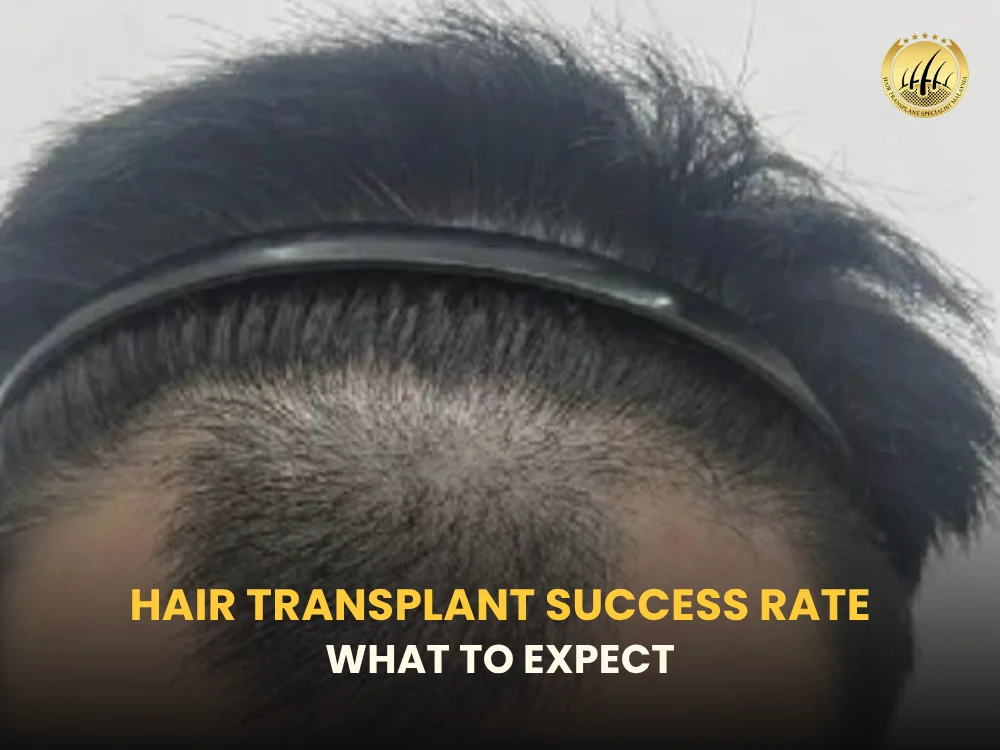
Feasibility Screener The Donor Zone Capacity Check The ultimate density of your hair transplant is governed by your donor asset reserves. Match your current thinning patterns with your native hair profile to evaluate your coverage feasibility blueprint. 1. Your Current Hair Loss Pattern: Mild Recession (Temples & Hairline Only)Moderate Thinning (Receding Front + Thinning Crown)Advanced Hair Loss (Extensive Top Areas Bare) 2. Your Back Donor Zone Density: Fine / Sparse / Thin StrandsAverage Density & ThicknessHigh Density / Coarse / Thick Hair Aesthetic Coverage Blueprint Verdict Processing blueprint parameters… 📐 Medical Strategy Evaluation: Please update selection dropdown parameters to analyze surgical framework expectations. Want a hair restoration surgeon to calculate your exact lifetime graft count availability? 📲 Request a Digital Donor Density Evaluation via WhatsApp ➔ Hair transplant success rate in Malaysia now commonly range between 90% and 95% for properly selected patients treated by experienced surgeons. Premium clinics using advanced FUE or DHI systems sometimes report graft survival rates approaching 99% under ideal conditions. Malaysia has also become a leading Southeast Asian destination for hair restoration because procedures are regulated under the Malaysia Ministry of Health invasive aesthetic procedure framework. That regulatory oversight improves patient safety and clinic accountability. Understanding the Realistic Hair Transplant Success Rate A realistic hair transplant success rate means long-term graft survival, natural density, stable hairline design, and minimal donor damage. Success is not just about hair growth after six months. It also includes how the transplanted follicles perform after five to ten years. What Defines a “Successful” Hair Transplant? A successful transplant usually achieves three outcomes: at least 90% graft survival, natural-looking direction and density, and preserved donor reserves for future procedures. Most specialists also evaluate patient satisfaction, scalp healing, and scar visibility. Clinically, surgeons measure success through follicular survival and cosmetic density. According to the International Society of Hair Restoration Surgery (ISHRS), recipient-site planning and donor management directly influence final aesthetic results. Average Graft Survival Rates: FUE vs. DHI vs. FUT Technique Typical Survival Rate Main Advantage Main Limitation FUE 90–95% Minimal scarring Longer extraction time DHI 92–98% Precise implantation Higher cost FUT 90–95% High graft yield Linear scar Modern Malaysian clinics increasingly favor Sapphire FUE and DHI because they reduce trauma during implantation. Studies comparing FUT and FUE show both methods can produce excellent graft survival when performed correctly. How Modern Technology Has Improved Outcomes High-magnification microscopes, chilled graft storage solutions, sapphire blades, and AI-assisted planning have significantly improved outcomes since 2020. Reduced “out-of-body” graft time is especially important because follicle dehydration lowers survival rates. Many advanced clinics now use implanter pens and digital density mapping to improve angle consistency. Research published through ISHRS also highlights better graft preservation protocols and PRP-supported healing. Key Factors Influencing Hair Transplant Outcomes in Malaysia Several variables affect success rates more than the technique itself. Surgeon experience, donor quality, genetics, climate management, and post-operative care all play major roles in determining final density. Clinical Expertise and Surgeon Specialization The surgeon remains the single biggest predictor of transplant success. Experienced hair restoration doctors usually produce lower graft transection rates and more natural hairline patterns. During consultations, ask whether the surgeon personally performs extraction and implantation. In Malaysia, some lower-cost clinics delegate major steps to technicians, which can reduce consistency and graft survival. Donor Area Quality and Scalp Health Assessment Strong donor density equals better long-term results. Patients with thick, DHT-resistant donor follicles typically achieve fuller coverage with fewer grafts. Scalp inflammation, seborrheic dermatitis, smoking, uncontrolled diabetes, and nutritional deficiencies can lower graft survival. A proper trichoscopy assessment helps identify these risks before surgery. The Role of AI and Robotic-Assisted Graft Placement AI-assisted systems now help surgeons calculate follicular angles, density spacing, and donor extraction patterns. Robotic extraction also reduces human fatigue during large sessions exceeding 3,000 grafts. However, AI remains a support tool. Natural-looking artistry still depends on surgeon judgment, especially for Asian hairlines and crown swirl reconstruction. Patient Age and Genetic Hair Loss Stability Patients under 25 often face unstable hair loss patterns. Surgeons may delay transplantation until androgenetic alopecia stabilizes. Older patients with mature hair loss patterns generally experience more predictable outcomes because future recession can be better anticipated. Long-term planning matters more than aggressive density. Maximizing Results: Post-Operative Care in the Malaysian Climate Malaysia’s humid tropical climate creates unique healing challenges after transplantation. Sweat, bacteria, and excessive sun exposure can disrupt newly implanted grafts during the first two weeks. Managing Humidity and Sweat During the Healing Phase Avoid intense outdoor activity for at least 10 to 14 days after surgery. Excessive sweating may increase infection risk and loosen fragile grafts before anchoring occurs. Patients in Kuala Lumpur and Penang often rely on air-conditioned environments during the initial recovery period. Light walking is acceptable, but gym workouts should wait until medical clearance. Essential Aftercare Protocols for High Graft Survival High-survival protocols usually include: Saline spraying every 30–60 minutes initially Elevated sleeping position for 5–7 days Gentle medical shampoo use No helmets or caps during early healing Strict avoidance of scratching or rubbing Many clinics also recommend thermal spring water sprays to reduce scalp irritation. The Importance of Post-Surgery Medication Compliance Medications like finasteride and topical minoxidil help preserve native hair surrounding transplanted grafts. Antibiotics, anti-inflammatory medication, and medicated shampoos also reduce complications. Skipping medication can negatively affect overall density and healing quality. Hair Transplant Success Rates Across Different Profiles Not all patients experience identical outcomes. Gender, age, ethnicity, hormonal stability, and scalp characteristics influence survival rates and cosmetic appearance. Success Rates in Female Hair Restoration Female hair transplant patients generally achieve strong survival rates when diffuse thinning is properly diagnosed. However, women with active hormonal shedding may require medical stabilization before surgery. Female hairline restoration often focuses on density refinement rather than large graft counts. DHI is commonly preferred for precision placement. Outcomes for Young Patients vs. Mature Patients Young patients usually want aggressive hairline lowering. Unfortunately, unstable hair loss can create unnatural results later if recession continues behind the transplanted zone. Mature patients
Hair Transplant Spain to Malaysia: Cost, Clinics & Results 2026
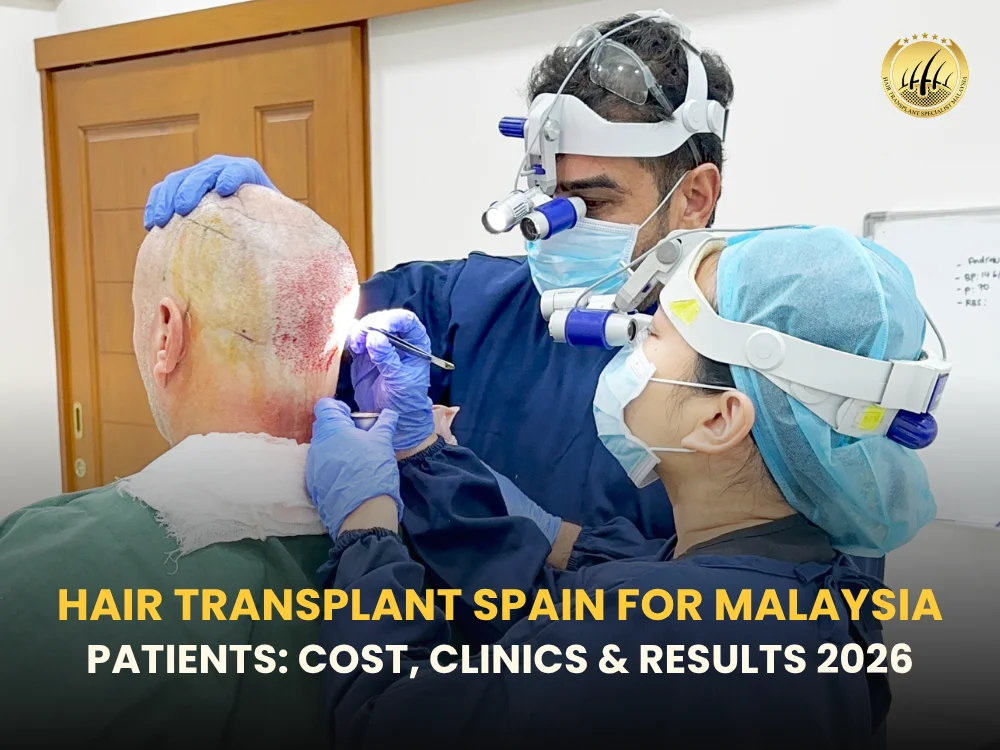
Hair loss affects millions of people across Europe, and many Spaniards are now looking beyond their borders for advanced yet affordable hair restoration solutions. Malaysia has become one of Asia’s leading destinations for hair transplant Spain, offering internationally accredited clinics, experienced surgeons, modern medical technology, and a comfortable recovery experience in a tropical setting. Why Spaniards Choose Malaysia for Hair Transplants Spanish patients are increasingly choosing Malaysia because it combines high medical standards with significantly lower treatment costs compared to Europe. Clinics in Kuala Lumpur are known for personalized care, advanced FUE and DHI techniques, and multilingual support for international patients. Many Spaniards also appreciate the shorter clinic waiting times and luxury medical tourism experience available in Malaysia. Malaysia vs Turkey vs Spain for Hair Transplants Malaysia offers an appealing balance between Spain’s premium medical standards and Turkey’s low-cost high-volume market. While Turkey is known for affordability, Malaysia focuses more on individualized treatment and internationally regulated healthcare facilities. Compared to Spain, Malaysia provides similar technology and techniques at a much lower overall cost. Feature Malaysia Turkey Spain Regulation MOH Malaysia Ministry of Health EU Standards Average Cost RM 10,000 – RM 25,000 €1,500 – €3,000 €3,000 – €6,000 Specialization Advanced Aesthetic Clinics High-Volume Clinics Premium Boutique Clinics Safety Standards and Medical Regulations in Malaysia Malaysia has one of Southeast Asia’s strongest healthcare systems. Hair transplant clinics are regulated by the Ministry of Health Malaysia (MOH), and many surgeons receive international certifications and training. Clinics serving foreign patients often follow strict sterilization protocols and use modern surgical equipment comparable to European standards. Hair Transplant Cost in Malaysia One of the main reasons Spaniards travel to Malaysia is affordability. Hair transplant procedures in Malaysia can cost 40–60% less than equivalent treatments in Spain while still maintaining excellent quality standards. Most clinics provide transparent pricing without hidden fees. Average FUE Hair Transplant Cost in Malaysia An FUE (Follicular Unit Extraction) procedure in Malaysia generally ranges from RM 10,000 to RM 20,000 depending on the number of grafts required. This usually includes consultation, surgery, medications, and follow-up care. DHI Hair Transplant Pricing in Malaysia DHI (Direct Hair Implantation) procedures are slightly more expensive due to the precision tools involved. Prices commonly start from RM 15,000 and increase depending on graft count and clinic reputation. Malaysia Hair Transplant Packages for International Patients Many Malaysian clinics offer complete medical tourism packages for Spanish patients. These packages often include: Airport pickup Hotel accommodation Translator assistance Post-operative medication Follow-up consultations This makes the entire process convenient and stress-free for overseas visitors. Is Malaysia Cheaper Than Spain for Hair Transplants? Yes. Malaysia is significantly more affordable than Spain for most hair transplant procedures. Even after including flights and accommodation, many Spanish patients still spend less overall while receiving high-quality treatment from experienced surgeons. Types of Hair Transplant Procedures in Malaysia Malaysian clinics provide a wide range of modern hair restoration methods tailored to different hair types and levels of hair loss. FUE Hair Transplant FUE is the most popular technique in Malaysia. Individual hair follicles are extracted and implanted carefully to create a natural-looking hairline with minimal scarring and fast recovery. DHI Hair Transplant DHI allows surgeons to implant follicles directly using a specialized implantation pen. This technique is ideal for patients who want higher density and a quicker healing process. Sapphire FUE Hair Transplant Sapphire FUE uses sapphire blades instead of steel, allowing for smaller incisions, reduced trauma, and faster recovery times. Female Hair Transplant Treatments Malaysia is also becoming popular for female hair restoration treatments. Clinics often specialize in procedures that restore hairlines and density without requiring a full head shave. How to Choose the Best Hair Transplant Clinic in Malaysia Choosing the right clinic is critical. Spanish patients should focus on surgeon qualifications, clinic reputation, and before-and-after results rather than price alone. Qualifications to Look for in a Hair Surgeon Look for surgeons who: Are experienced in FUE and DHI techniques Have international certifications Specialize specifically in hair restoration Perform procedures personally rather than relying entirely on technicians Questions to Ask Before Booking Who performs the extraction and implantation? How many procedures are performed daily? What happens if graft growth is poor? Can I see patient results with similar hair types? Red Flags to Avoid Avoid clinics that: Promise “unlimited grafts” Offer unusually low prices Use aggressive sales tactics Refuse to show real patient results Hair Transplant Malaysia Before and After Results Malaysian clinics are known for creating soft, natural hairlines that suit each patient’s facial structure and hair characteristics. Many Spanish patients report high satisfaction rates and noticeable improvements in confidence after treatment. Expected Hair Growth Timeline Month 1: Temporary shedding (“shock loss”) Months 3–4: Early hair growth begins Month 6: Visible thickening and improved coverage Months 12–18: Final results fully develop Recovery and Aftercare Recovery in Malaysia is generally smooth thanks to the warm climate, modern facilities, and strong aftercare support. Patients are advised to: Sleep with their head elevated Avoid intense exercise Protect the scalp from direct sunlight Follow washing instructions carefully Most patients return to normal activities within 7–10 days. Hair Transplant Success Rates in Malaysia Top clinics in Malaysia report graft survival rates above 95%. Success largely depends on surgeon skill, graft handling, and patient compliance with aftercare instructions. Traveling From Spain to Malaysia for a Hair Transplant Malaysia is well-connected to Europe through major international airlines. Kuala Lumpur is a modern and safe city with excellent infrastructure, making it attractive for medical tourism. Visa Requirements for Spaniards Spanish citizens can typically enter Malaysia visa-free for short stays. Travelers should still check the latest immigration requirements before departure. Flight and Accommodation Planning Most international patients fly into Kuala Lumpur International Airport (KLIA). Many hair transplant clinics are located in central Kuala Lumpur near premium hotels and shopping districts. How Long Should You Stay in Malaysia After Surgery? Most clinics recommend staying for 5–10 days after surgery to allow proper recovery and follow-up checks before flying home. Hair Transplant Malaysia Reviews
Hair Transplant vs SMP in Malaysia: Which Hair Loss Solution Is Best?
Decision Diagnostic The Hair Restoration Crossroad Quiz Stuck between a real-growth Hair Transplant and cosmetic Scalp MicroPigmentation (SMP)? Answer these 4 lifestyle questions to reveal your customized compatibility match. Question 1 of 4 What is your ideal hair length preference? A I want styleable hair length I want to comb, part, and feel real growing hair fibers across my scalp contours. B I prefer a clean, shaved buzz-cut look I am completely fine keeping my hair trimmed close to the skin for a sharp profile. Your Personalized Treatment Match 🌱 Hair Transplant (FUE) Fit Score: 0% 🎨 Scalp MicroPigmentation (SMP) Fit Score: 0% 📋 Clinical Lifestyle Evaluation: Analyzing profile values matrices… ➔ Retake Quiz Decisions Would you like our hair restoration surgeons to clinically verify your quiz outcome parameters? 📲 Submit Your Quiz Profile for Medical Review on WhatsApp ➔ A hair transplant is a surgical procedure involving the redistribution of follicular units from a donor site to thinning areas to restore natural hair growth. Conversely, Scalp Micropigmentation (SMP) is a non-invasive cosmetic tattooing technique that uses medical-grade pigment to replicate the appearance of dense hair follicles or a buzzed hairstyle. What is Hair Transplant vs SMP? A hair transplant is a surgical procedure that relocates permanent hair follicles to thinning areas for natural growth. Scalp Micropigmentation (SMP) is a non-surgical medical tattoo that uses pigment dots to mimic the look of hair follicles. While transplants restore actual hair, SMP creates the illusion of density. Hair Transplant vs Scalp Micropigmentation (SMP): Key Differences Choosing between these two depends on your goals, budget, and the extent of your thinning. A transplant provides texture and length, while SMP provides color and coverage. How Hair Transplant Works: Surgical Hair Restoration Hair transplantation typically involves Follicular Unit Extraction (FUE) or Follicular Unit Transplantation (FUT). Surgeons harvest healthy follicles from the “donor area” (usually the back of the head) and implant them into balding zones. Because these follicles are genetically resistant to DHT, the transplanted hair continues to grow naturally for a lifetime. How Scalp Micropigmentation Works: Non-Surgical Hair Tattoo SMP is often called a “hair tattoo,” but it uses specialized needles and medical-grade pigments. A technician deposits tiny dots of pigment into the dermal layer of the scalp. This technique replicates the appearance of a “buzz cut” or adds a shadow of density behind thinning long hair. It does not involve surgery, incisions, or real hair growth. Comparison of Results and Appearance Natural Hair Growth vs The Shaved Look Effect The biggest difference is texture. A transplant gives you real hair that you can style, cut, and wash. It is the gold standard for restoring a receding hairline or a thinning crown with actual volume. SMP is 2D. It looks incredibly realistic from a distance but lacks height. It is best suited for those who prefer a “shaved head” aesthetic or want to camouflage a pale scalp peeking through thin hair. Immediate Results vs Long-Term Maturation SMP offers almost immediate gratification. You will see a darker, fuller-looking scalp right after your first session, though it usually requires three appointments for the final look. In contrast, hair transplants require patience. Most patients experience “shock loss” where transplanted hairs fall out temporarily before the new, permanent hair begins to sprout at month four, with full results visible by month 12. Procedure and Recovery Comparison Treatment Duration and Number of Sessions Hair Transplant: Usually a single, long session lasting 6 to 8 hours. SMP: Typically 3 separate sessions, each lasting 2 to 4 hours, spaced a few weeks apart. Downtime and Healing Process Hair transplant recovery involves about 7 to 10 days of visible scabbing and mild swelling. You must follow strict post-operative care to ensure graft survival. SMP recovery is minimal. There is usually some redness for 24 to 48 hours. Most people return to work the very next day, making it a popular choice for those with busy schedules. Cost Analysis of Hair Transplant vs SMP in Malaysia In Malaysia, the cost is a major deciding factor. Generally, SMP is more budget-friendly in the short term, while a transplant is a larger one-time investment. Feature Hair Transplant (FUE/FUT) Scalp Micropigmentation (SMP) Initial Cost Higher (Price per graft) Lower (Price per area) Maintenance Low (Natural hair care) Moderate (Touch-ups every 3–5 years) Longevity Permanent Semi-permanent (Fades over time) Pros and Cons of Each Hair Restoration Method Benefits and Risks of Hair Transplant Pros: Real hair growth, permanent results, and a completely natural look. Cons: Higher upfront cost, surgical risks like infection, and limited donor hair supply. Benefits and Risks of Scalp Micropigmentation Pros: No surgery, instant results, and works for Totalis/Universalis alopecia. Cons: Pigment can fade or blue over time if poor ink is used, and it offers no physical texture. Clinical Experience: We often see patients who choose SMP to “fill in the gaps” after a transplant. This hybrid approach provides the best of both worlds: the physical hair of a transplant and the dense “shadow” of SMP to hide any remaining scalp visibility. Choosing the Right Method for Your Level of Hair Loss When to Choose a Hair Transplant You are an ideal candidate if you have a stable donor area and want to regain length and volume. It is the best choice for Male Pattern Baldness (MPB) stages 2 through 5 on the Norwood Scale. When to Choose SMP SMP is excellent for those who are completely bald and have no donor hair left. It is also a fantastic solution for covering surgical scars from old FUT procedures or for women with diffuse thinning. Frequently Asked Questions Is SMP more affordable than a hair transplant? Yes, SMP is generally more affordable. While a hair transplant in Malaysia can cost several thousand ringgit depending on graft count, SMP is priced by the size of the treatment area and typically costs significantly less upfront. Can you combine a hair transplant with SMP? Absolutely. Combining both is a common strategy to maximize the appearance of