Hair Transplant Myths Debunked: Facts for Malaysians
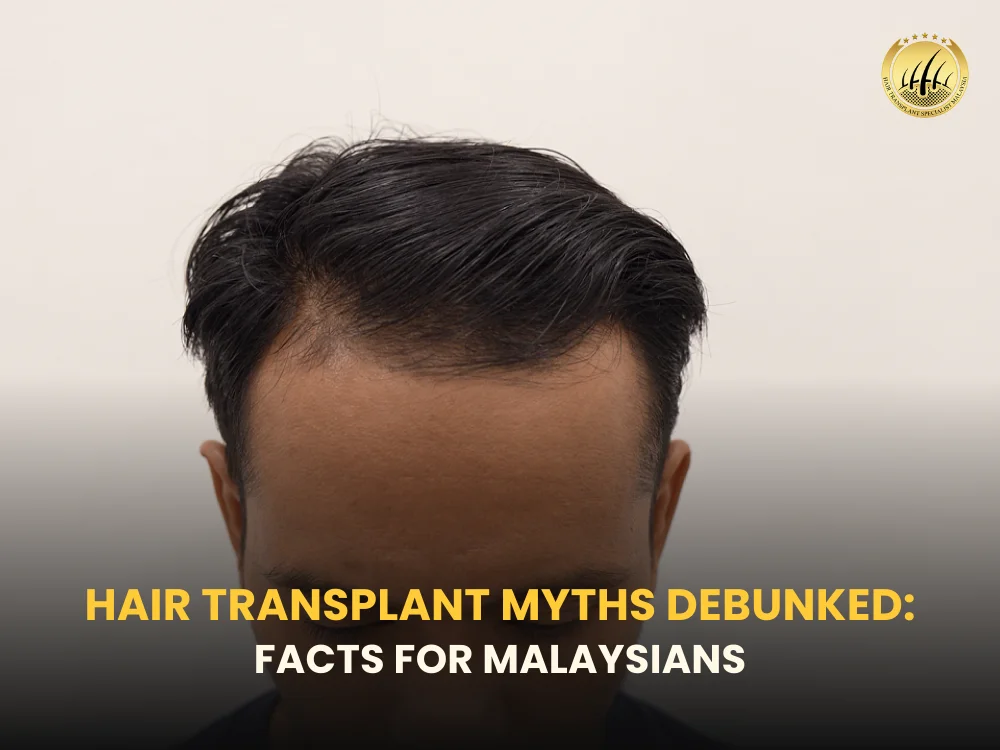
Hair loss affects thousands of Malaysian men and women every year. Whether caused by genetics, hormonal changes, stress, or medical conditions, thinning hair often impacts confidence and self-image. Yet despite the growing popularity of FUE and DHI procedures in Kuala Lumpur, Penang, and Johor Bahru, many people still hesitate due to misinformation. In this article, we’ll uncover the most common Hair Transplant Myths and replace them with medically accurate facts — so you can make an informed decision. Why Hair Transplant Myths Still Persist in Malaysia Many Hair Transplant Myths stem from outdated techniques used decades ago. In the 1990s, “pluggy” hair transplants created unnatural results. Today, modern methods like Follicular Unit Extraction (FUE) and Direct Hair Implantation (DHI) provide natural-looking density with minimal scarring. However, social media rumors, unverified online forums, and word-of-mouth exaggerations continue to create confusion. Understanding current technology and medical standards helps separate fact from fiction. Let’s address the most common misconceptions. Hair Transplant Myths 1: Transplants Look Fake Fact: Modern procedures produce natural results. Today’s surgeons transplant individual follicular units (1–4 hairs per graft), mimicking natural growth patterns. Hairline design is customized according to facial proportions, age, and ethnicity. When performed by a qualified hair restoration surgeon, results blend seamlessly with existing hair. Most people cannot tell a transplant was done. Hair Transplant Myths 2: Procedure Is Extremely Painful Fact: Local anesthesia makes the procedure comfortable. Patients may feel mild discomfort during anesthesia injection, but the surgery itself is generally painless. Post-procedure soreness is manageable with prescribed medication. Compared to older FUT strip surgery, FUE and DHI cause less tissue trauma and faster recovery. Hair Transplant Myths 3: Results Are Immediate Fact: Full growth takes 12–18 months. One of the most common misunderstandings is expecting instant density. After surgery, transplanted hairs enter a shedding phase (shock loss) within 2–8 weeks. New growth typically starts around month three or four. Final results appear between one year to 18 months, depending on the area treated. Patience is part of the process. Hair Transplant Myths 4: Transplants Don’t Last Fact: Transplanted hair is permanent. Hair is usually extracted from the back of the scalp — an area genetically resistant to DHT (the hormone responsible for androgenetic alopecia). Once implanted, these follicles retain their resistance and continue growing naturally for life. However, untreated native hair may continue thinning, which is why some patients combine surgery with medications like minoxidil or finasteride (under medical supervision). Hair Transplant Myths 5: Only Men Can Get Transplants Fact: Women are also suitable candidates. Female pattern hair loss, traction alopecia (common with tight hairstyles), and eyebrow thinning can be treated with hair restoration procedures. Women in Malaysia increasingly seek consultation for hairline lowering, density enhancement, and scar camouflage. Suitability depends on donor hair availability and scalp health. Hair Transplant Myths 6: Are Only for the Wealthy Fact: Costs are more accessible than before. In Malaysia, procedures typically range between MYR 8,000 to MYR 25,000 depending on: Number of grafts Technique used (FUE vs DHI) Clinic reputation Surgeon experience Many clinics offer installment plans. Compared to long-term spending on ineffective hair products, transplantation may be a cost-effective long-term solution. Hair Transplant Myths 7: You Can’t Wear Hats After Fact: Hats can be worn — at the right time. Patients are advised to avoid tight caps during the first 7–10 days. After the grafts stabilize, loose-fitting hats are usually allowed. Following post-operative instructions ensures graft survival. Hair Transplant Myths 8: Recovery Is Very Long Fact: Most people resume normal activities within days. With FUE or DHI: Swelling subsides within 3–5 days Scabs fall off by day 10 Visible redness fades within 2–3 weeks Many patients return to office work within 3–5 days. Heavy exercise should be avoided for about two to three weeks. Hair Transplant Myths 9: Cause Brain Damage Fact: The procedure only involves the scalp. This myth is completely false. Hair transplantation does not go beyond the scalp layer. Surgeons work at the dermis level — far from the skull or brain. It is a minimally invasive cosmetic procedure with a strong safety record when performed by licensed professionals. Hair Transplant Myths 10: All Clinics Provide the Same Results Fact: Experience and technique matter greatly. Choosing a reputable Malaysian clinic is critical. Important factors include: Board-certified doctors Transparent graft calculation Proper sterile environment Real before-and-after cases Ethical consultation Low-cost overseas packages sometimes compromise quality. Always prioritize safety and surgeon expertise over price. Why Malaysians Are Choosing Modern Hair Restoration Hair transplant procedures have grown in popularity across Kuala Lumpur, Selangor, and Penang due to: Advanced medical facilities Skilled aesthetic physicians Competitive pricing Medical tourism standards Malaysia is now considered a regional hub for aesthetic and cosmetic treatments. Who Is a Good Candidate? Hair transplantation is not a one-size-fits-all solution. The success of the procedure depends greatly on proper patient selection. You may be considered a good candidate if you meet the following criteria: 1. You Have Stable Hair LossCandidates with stabilized hair loss—such as those with mature male or female pattern baldness (androgenetic alopecia)—tend to achieve better long-term results. If hair loss is still rapidly progressing, doctors may recommend waiting or combining the procedure with medical treatments like minoxidil or finasteride to stabilize the condition first. 2. You Possess Adequate Donor HairA successful transplant requires healthy hair follicles from the donor area, typically the back or sides of the scalp. The density, thickness, and quality of your donor hair significantly influence the final outcome. Individuals with strong donor areas are more likely to achieve natural-looking density. 3. You Are in Good General HealthGood overall health supports proper healing and graft survival. Candidates should not have uncontrolled medical conditions that could interfere with recovery. During consultation, your doctor will review your medical history to ensure the procedure is safe for you. 4. You Have Realistic ExpectationsUnderstanding what a hair transplant can and cannot achieve is essential. While modern techniques like FUE and DHI deliver natural-looking results, they do not restore the exact hair density
Hair Transplant Recovery in Malaysia: Timeline & Tips
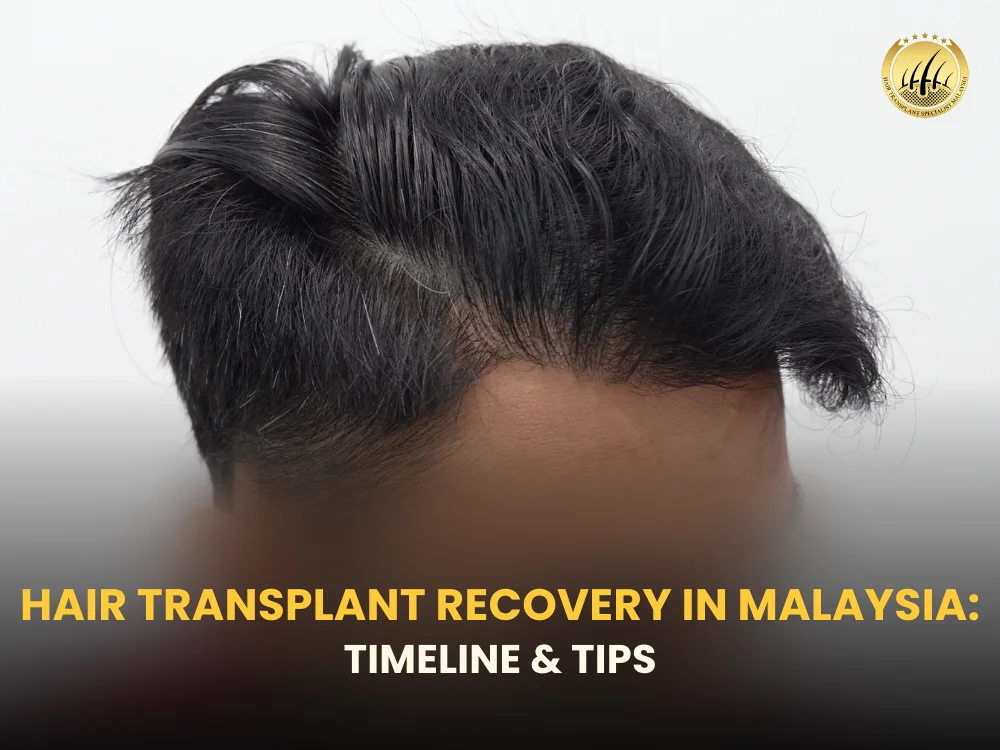
Recovering from a hair transplant is just as important as the procedure itself. Understanding the hair transplant recovery process helps patients manage expectations, avoid common mistakes, and achieve natural, long-lasting results. In Malaysia, where modern hair restoration techniques like FUE and DHI are widely available, recovery is generally smooth when proper aftercare is followed. This guide explains the full hair transplant recovery timeline, what’s normal, and practical tips to support healthy hair growth. Understanding Hair Transplant Recovery Hair transplant recovery refers to the healing period after hair follicles are extracted from the donor area and implanted into thinning or balding regions. While the procedure is minimally invasive, your scalp still needs time to heal, adapt, and restart normal hair growth cycles. Recovery does not mean instant results. Newly transplanted follicles go through temporary shedding before entering a new growth phase. Knowing this process helps reduce anxiety and prevents unrealistic expectations. Hair Transplant Recovery Timeline (Week by Week) Day 1–3: Immediate Post-Procedure Phase During the first few days, mild swelling, redness, and tenderness are common. Tiny scabs form around the implanted grafts, which is a natural part of healing. What to expect: Mild discomfort or tightness Redness around the recipient area Small scabs forming on the scalp Care tips: Sleep with your head elevated Avoid touching or scratching the scalp Take prescribed medications as directed Day 4–7: Early Healing Stage By the end of the first week, swelling usually subsides. Scabs begin to dry and fall off naturally. What to expect: Reduced redness Itching (a normal healing sign) Scabs loosening gradually Care tips: Wash your hair gently using clinic-approved shampoo Avoid direct sun exposure Do not peel scabs manually Week 2–4: Shedding Phase (Shock Loss) This is often the most worrying stage for patients, but it is completely normal. Transplanted hairs fall out while the follicles remain healthy under the skin. What to expect: Temporary hair shedding Scalp looks similar to pre-transplant Why it happens: Hair follicles enter a resting phase before regrowth This phase is a key part of hair transplant recovery and does not indicate failure. Month 2–3: Resting & Regeneration Phase Visible growth is minimal during this stage, but internally, follicles are preparing to produce new hair. What to expect: Minimal visible changes Reduced sensitivity in donor area Care tips: Maintain a healthy diet Follow any supplements recommended by your doctor Month 4–6: Early Hair Growth New hairs start emerging, often thin and soft at first. What to expect: Noticeable new hair growth Hair may appear uneven initially This stage marks a positive turning point in the recovery journey. Month 7–12: Maturation Phase Hair continues to thicken, darken, and blend naturally with existing hair. What to expect: Improved density More natural hair texture Final results becoming visible Most patients in Malaysia see optimal outcomes between 9–12 months. Common Symptoms During Hair Transplant Recovery Recovering from a hair transplant involves several temporary changes as your scalp heals and newly implanted grafts settle into place. Experiencing certain symptoms does not mean something is wrong. In fact, many post-procedure reactions are completely normal and expected. Understanding what’s typical—and what isn’t—can help you feel more confident during the healing phase. 1. Mild Itching Itching is one of the most common symptoms after a hair transplant. It usually occurs within the first 7–14 days as small scabs form and the skin begins repairing itself. While it may feel uncomfortable, avoid scratching or rubbing the area. Instead, follow your clinic’s washing instructions and use only recommended products to soothe the scalp safely. 2. Temporary Numbness Some patients experience numbness or reduced sensation in the donor or recipient areas. This happens because tiny nerve endings are temporarily affected during the procedure. In most cases, sensation gradually returns within a few weeks to a few months without any special treatment. 3. Redness Lasting a Few Weeks Redness around the transplanted area is common, especially in individuals with sensitive or fair skin. It may last for several weeks but typically fades as healing progresses. Mild pinkness does not indicate a complication—it’s simply part of the natural inflammatory response during tissue repair. 4. Mild Swelling Some swelling on the forehead or around the eyes may appear within the first few days after surgery. This usually resolves on its own within 3–5 days. 5. Shedding of Transplanted Hair (Shock Loss) Around 2–4 weeks after the procedure, transplanted hairs may shed. This is completely normal and expected. The follicles remain intact beneath the scalp and will begin producing new hair in the coming months. Essential Hair Transplant Recovery Tips Follow Post-Procedure Instructions Strictly Each clinic provides specific aftercare guidelines. These are tailored to the technique used and your scalp condition. Avoid Strenuous Activities Heavy exercise, swimming, and intense sweating should be avoided for at least 2–3 weeks to prevent graft displacement. Protect Your Scalp from Sun Exposure Malaysia’s climate can slow healing if the scalp is exposed to strong sunlight. Wear a loose hat if necessary. Maintain a Balanced Diet Nutrients such as protein, iron, zinc, and biotin support healthy hair growth during recovery. Be Patient with Results Hair growth is a gradual biological process. Comparing early results to final outcomes often leads to unnecessary stress. Hair Transplant Recovery in Malaysia: What Makes It Easier? Malaysia is known for: Experienced hair transplant surgeons Modern FUE and DHI technology Comprehensive aftercare support Many clinics offer structured follow-ups, making recovery smoother and more predictable for patients. Mistakes That Can Delay Recovery A successful hair transplant doesn’t end in the operating room. The recovery phase plays a major role in graft survival and long-term results. Certain habits can slow healing, increase complications, or reduce final density. Here are common mistakes to avoid: 1. Scratching or Rubbing the ScalpItching is normal during the healing process, especially in the first two weeks. However, scratching, rubbing, or picking at scabs can dislodge newly implanted grafts before they fully anchor into the scalp. This may lead to patchy growth or reduced density. If itching becomes uncomfortable,
Hair Transplant Side Effects & Risks Explained
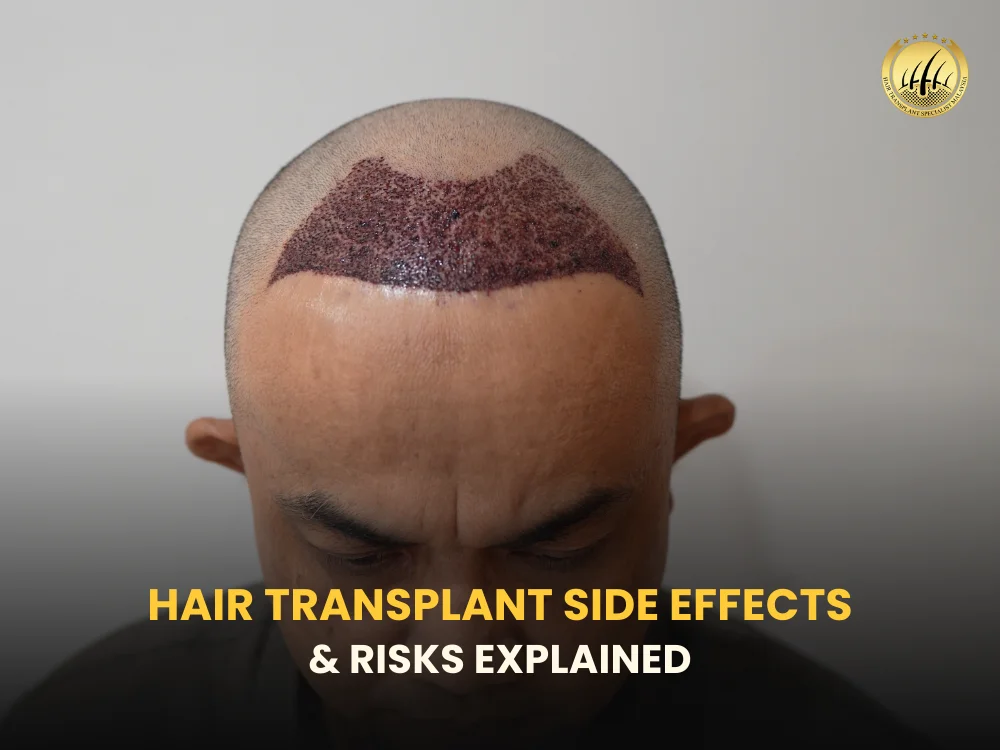
Hair transplant procedures are widely considered safe and effective, especially with modern techniques like FUE and DHI. However, like any medical procedure, they can come with temporary side effects and potential risks. Understanding hair transplant side effects helps patients prepare realistically, reduce anxiety, and make informed decisions before treatment. This guide explains what is normal, what is rare, and how most side effects can be managed safely. Understanding Hair Transplant Side Effects Hair transplant side effects refer to temporary physical reactions or, in rare cases, complications that may occur after a hair restoration procedure. Most side effects are mild, short-term, and part of the body’s natural healing response. The likelihood and severity of side effects depend on: The technique used (FUE, DHI, FUT) Surgeon experience Individual healing response Post-procedure care Common Hair Transplant Side Effects (Usually Temporary) 1. Swelling of the Scalp and Forehead Mild swelling may appear within the first few days, especially around the forehead or eyes. Why it happens: Local anesthesia Fluid movement under the scalp How long it lasts: 2 to 5 days in most cases 2. Redness at the Recipient Area Redness around transplanted follicles is a normal inflammatory response. What to know: More visible in lighter skin tones Gradually fades within 1–3 weeks This is one of the most common hair transplant side effects and not a sign of failure. 3. Itching During Healing Itching occurs as the scalp heals and scabs begin to fall off naturally. Important: Avoid scratching to protect grafts Use prescribed sprays or shampoos 4. Scabbing and Crusting Tiny scabs form around transplanted grafts during the first week. Normal timeline: Scabs form within days Fall off naturally by day 7–10 Manually removing scabs can damage follicles and delay healing. 5. Temporary Hair Shedding (Shock Loss) One of the most misunderstood hair transplant side effects is shedding of transplanted hair. Why it happens: Hair follicles enter a resting phase Follicles remain healthy under the skin Hair usually begins regrowing within 3–4 months. Less Common but Possible Hair Transplant Side Effects 6. Numbness or Tingling Sensation Temporary numbness may occur in donor or recipient areas due to minor nerve irritation. Typical duration: A few weeks to several months Sensation usually returns naturally. 7. Mild Pain or Discomfort Most patients experience only mild soreness after the procedure. Managed with: Prescribed pain medication Proper rest Severe or prolonged pain should be evaluated by a doctor. 8. Folliculitis (Inflamed Hair Follicles) Small pimple-like bumps may appear during early hair growth. Causes: New hairs breaking through the skin Minor bacterial irritation Usually resolves with topical treatment. Rare Hair Transplant Risks to Be Aware Of 9. Infection Infections are rare when procedures are performed in sterile environments. Warning signs: Increasing pain Pus or unusual discharge Fever Prompt treatment prevents complications. 10. Poor Graft Survival In rare cases, grafts may not survive due to: Poor blood supply Excessive trauma Inadequate aftercare Choosing an experienced surgeon significantly reduces this risk. 11. Unnatural Hairline or Uneven Growth This is usually linked to: Poor hairline design Inexperienced placement Modern techniques greatly minimize this risk when performed by qualified professionals. Factors That Influence Hair Transplant Side Effects Hair transplant procedures are generally safe when performed by experienced professionals. However, side effects can vary from one patient to another. Several key factors influence how the body responds after surgery and how smooth the recovery process will be. 1. Technique Used The method chosen plays a major role in determining post-procedure reactions. FUE (Follicular Unit Extraction) and DHI (Direct Hair Implantation) are minimally invasive techniques. They involve extracting individual hair follicles, resulting in tiny puncture wounds that heal relatively quickly. These methods typically cause less swelling, minimal scarring, and faster recovery. FUT (Follicular Unit Transplantation), on the other hand, involves removing a strip of scalp tissue. Because it is more invasive, patients may experience more noticeable discomfort, tightness, and a linear scar at the donor area. Choosing the appropriate technique based on your hair loss pattern and scalp condition can significantly reduce potential complications. 2. Number of Grafts Implanted The total number of grafts transplanted directly affects the extent of trauma to the scalp. Larger sessions involving 3,000–4,000 grafts may lead to: Increased swelling Prolonged redness Temporary numbness Longer healing time Smaller sessions generally allow for quicker recovery and milder side effects. Your surgeon will usually recommend a graft count that balances density goals with safe healing. 3. Scalp Sensitivity and Individual Healing Response Each person’s body reacts differently to surgical procedures. Some individuals naturally have: Sensitive skin prone to redness Slower wound healing Higher inflammation response Patients with certain skin conditions or a history of keloid scarring may also experience more noticeable post-surgical effects. A thorough pre-procedure assessment helps identify these risks in advance. 4. Smoking and Lifestyle Habits Lifestyle choices significantly influence recovery outcomes. Smoking, in particular, reduces blood flow to the scalp and limits oxygen supply to transplanted follicles. This can: Delay healing Increase infection risk Affect graft survival Excessive alcohol consumption, poor sleep, dehydration, and inadequate nutrition can also slow the recovery process. Maintaining a healthy lifestyle before and after surgery supports better healing and minimizes side effects. 5. Compliance with Aftercare Instructions Following post-operative instructions is one of the most important factors in preventing complications. Patients are usually advised to: Avoid touching or scratching the scalp Sleep with the head elevated Use prescribed medications as directed Follow proper washing techniques Avoid strenuous activities for a recommended period Failure to follow these guidelines can increase the risk of infection, graft displacement, excessive swelling, or delayed healing. How to Minimize Hair Transplant Side Effects Choose a Qualified Hair Transplant Surgeon Surgeon experience directly impacts both results and safety. Follow Post-Procedure Instructions Carefully Aftercare guidelines are designed to protect grafts and reduce complications. Avoid Smoking and Alcohol These can slow healing and reduce blood flow to transplanted follicles. Keep the Scalp Clean Using only recommended products helps prevent infection and irritation. Attend Follow-Up Appointments Regular check-ups allow early detection of potential
DHI Hair Transplant in Malaysia: How It Works
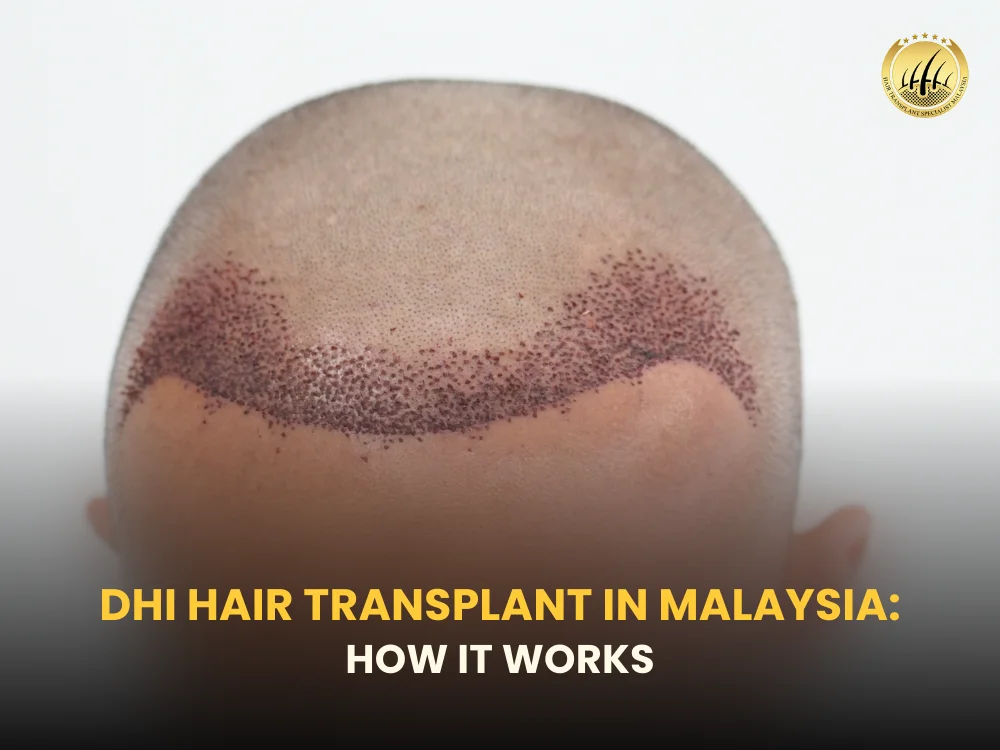
DHI Hair Transplant Malaysia is a popular choice for individuals seeking a minimally invasive and precise hair restoration procedure. Unlike traditional hair transplants, DHI (Direct Hair Implantation) uses a specialized technique that allows hair follicles to be implanted directly into the scalp without creating incisions first. This method ensures higher survival rates for transplanted hairs, natural-looking results, and faster recovery times. Clinics offering DHI Hair Transplant Malaysia have grown in number, thanks to the rising demand for cosmetic and aesthetic solutions among both locals and international patients. How DHI Hair Transplant Malaysia Works DHI Hair Transplant Malaysia involves several key steps designed to maximize hair growth and achieve a natural appearance: 1. Consultation and Assessment Before the procedure, a detailed consultation is conducted. The doctor evaluates your hair loss pattern, scalp condition, and hair density. This step is crucial to design a personalized hairline and estimate the number of grafts required. 2. Harvesting Hair Follicles Using a specialized DHI implanter, hair follicles are extracted from the donor area, usually the back of the scalp. The process is minimally invasive and ensures the follicles remain intact for implantation. 3. Direct Implantation The harvested follicles are then implanted directly into the thinning or bald areas. The DHI implanter allows precise control over the depth, angle, and direction of each hair, resulting in a natural growth pattern. 4. Post-Procedure Care After the procedure, patients receive detailed instructions for scalp care, including washing techniques, avoiding sun exposure, and medication if necessary. Recovery is usually quick, with most patients resuming normal activities within a few days. Benefits of DHI Hair Transplant Malaysia DHI Hair Transplant Malaysia offers a range of advantages that make it a popular choice for hair restoration. Patients can enjoy the following benefits: Minimally Invasive Procedure: Unlike traditional hair transplant methods that require incisions or stitches, DHI uses a specialized implanter pen to directly implant follicles. This minimally invasive approach reduces pain, lowers the risk of scarring, and makes the procedure more comfortable overall. Natural-Looking Results: DHI allows for precise placement of each hair follicle at the correct angle, depth, and direction. This ensures that the transplanted hair grows naturally, blending seamlessly with existing hair, and creating a full, youthful appearance. Higher Graft Survival Rates: Since follicles are handled carefully and implanted immediately after extraction, they remain healthy and viable. This improves graft survival, meaning more transplanted hairs take root successfully, maximizing the density and coverage of the restored area. Shorter Recovery Time: Patients typically experience mild redness or swelling, which usually subsides within a few days. Most people can resume normal activities within a week, making DHI a convenient option for those with busy lifestyles. Suitable for Various Hair Types: Whether your hair is straight, wavy, curly, fine, or coarse, DHI can be customized to suit your hair texture and density. This versatility ensures that the results look natural and harmonious with your existing hair. Minimal Risk of Complications: With no large incisions and careful handling of follicles, DHI reduces the likelihood of infection, bleeding, or other common transplant complications. Long-Lasting Results: Once the transplanted hair follicles establish themselves, they continue to grow naturally for a lifetime, providing a permanent solution to hair loss. Cost of DHI Hair Transplant Malaysia The cost of a DHI hair transplant Malaysia can vary widely, as several factors influence the final price. On average, patients can expect to pay between MYR 12,000 and MYR 25,000, but the exact cost depends on individual needs and clinic choices. Factors Affecting Cost: Number of Grafts Required: The total number of hair follicles transplanted is a primary factor in pricing. Larger areas of hair loss or higher density requirements will naturally increase the cost. Clinic Reputation and Expertise: Clinics with experienced surgeons, high success rates, and advanced technology may charge more. However, investing in a reputable clinic often ensures safer procedures and better long-term results. Complexity of the Procedure: Cases involving severe hair loss, specialized hairline design, or correction of previous transplants may require more time and skill, affecting the overall cost. Technology and Equipment: Clinics using the latest DHI implanters, advanced microscopes, and precision tools may charge higher fees, reflecting the improved graft survival and natural results. Location of the Clinic: Clinics in major cities or popular medical hubs may have higher overhead costs, which can influence pricing. Why DHI May Cost More Than Traditional Methods:DHI hair transplant is more precise and minimally invasive than conventional techniques. Each follicle is implanted individually at the correct angle and depth, which increases procedure time but results in a natural-looking hairline and higher graft survival. While the upfront cost may be higher, many patients find the long-term benefits and quality of results justify the investment. Additional Considerations:Some clinics may offer package deals that include consultation, surgery, and post-operative care, while others may charge separately for follow-up visits or medications. Always clarify what is included in the quoted price to avoid unexpected expenses. Investing in a high-quality DHI hair transplant not only restores hair but also boosts confidence and provides a permanent solution for hair loss, making it a worthwhile consideration for those seeking natural, lasting results. Choosing the Right Clinic Selecting the right clinic is one of the most important steps in ensuring a successful DHI hair transplant. Here are key factors to consider: Experience and Qualifications: Look for clinics where surgeons are certified, trained, and experienced specifically in DHI procedures. Skilled surgeons are better at designing hairlines, extracting and implanting follicles accurately, and handling any unexpected challenges during surgery. Clinic Reputation: Research the clinic’s reputation by reading patient reviews, testimonials, and success stories. Before-and-after photos provide a visual confirmation of the quality and consistency of their results. Clinics with a strong track record demonstrate reliability and patient satisfaction. Technology and Equipment: DHI relies on precise tools and advanced technology. Clinics that use the latest DHI implanters, high-quality microscopes, and modern techniques tend to achieve better graft survival, faster recovery, and more natural-looking results. Aftercare and Follow-Up Services: Comprehensive aftercare
PRP Infusion for Hair Loss: 7 Powerful Reasons Is Popular
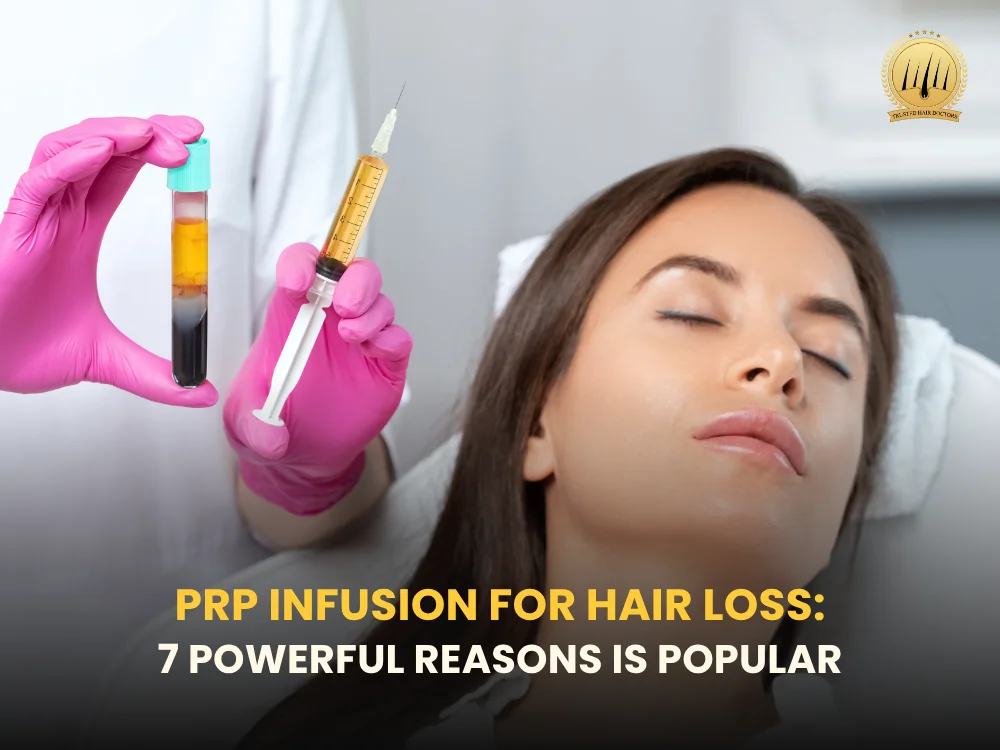
Understanding PRP infusion for hair loss PRP infusion for hair loss has quickly become one of the most talked-about regenerative treatments in modern trichology. Using your own platelet-rich plasma, PRP infusion helps stimulate dormant follicles, improve scalp health, and boost natural hair growth without surgery. This guide breaks down 7 powerful reasons why PRP infusion is rising in popularity, how it works, who benefits most, and how it compares to other advanced hair loss treatments. 1. PRP Infusion Uses Your Own Natural Growth Factors One of the biggest reasons PRP infusion stands out is that it relies entirely on your own blood-derived platelets, not synthetic chemicals. These platelets contain: Growth factors Cytokines Healing proteins Regenerative signals When infused into the scalp, these substances help: Repair miniaturized hair follicles Improve follicle strength Restore healthier hair growth cycles Reduce inflammation Because it’s autologous (from your own body), PRP infusion reduces risks of allergy or reaction, making it one of the safest hair restoration therapies available. 2. It Helps Both Men and Women With Different Types of Hair Loss Unlike some treatments that only target specific conditions, PRP infusion is versatile. It can help with: Androgenetic alopecia (male & female pattern hair loss) Telogen effluvium Stress-related hair shedding Early thinning or miniaturization Weak or slow-growing hair Postpartum hair loss Density loss along the hairline or crown Doctors often recommend PRP infusion for men and women who want a non-surgical, regenerative approach before considering transplantation. 3. PRP Infusion Improves Follicle Health at a Cellular Level Unlike topical products that only treat the surface, PRP infusion penetrates deep into the scalp layers. PRP works by: Increasing blood supply to the follicle Prolonging the anagen (growth) phase Strengthening the follicle bulb Stimulating stem cells within the follicle Reducing fibrosis (scarring around follicles) Because PRP addresses cellular repair, it can slow down miniaturization and increase hair density over time—making it a favorite among dermatologists and hair transplant surgeons. 4. It Has Minimal Downtime and Quick Sessions PRP infusion sessions typically take 30–45 minutes, making them convenient even for people with busy schedules. A standard session includes: Blood draw Centrifugation to isolate platelet-rich plasma Infusion or microinjection into targeted scalp areas After the procedure: No major restrictions No incision No long healing period Most people return to work or daily activities immediately. This convenience makes PRP infusion extremely popular among working adults and young professionals dealing with early-stage thinning. 5. PRP Infusion Is Scientifically Backed by Dermatology & Hair Experts Clinical studies have shown that PRP infusion can: Increase hair density Accelerate hair growth rate Reduce shedding Improve overall scalp environment Enhance transplanted hair survival Many ABHRS and ISHRS-certified surgeons use PRP as part of their hair restoration protocol, especially before and after hair transplant procedures. Because PRP enhances healing and strengthens follicles, it’s considered a gold-standard supportive treatment in modern hair medicine. 6. It Works Even Better When Combined With Other Treatments Another reason PRP infusion is popular—it integrates seamlessly with other therapies. Common combinations include: PRP + Minoxidil for better absorption PRP + Low-Level Laser Therapy for follicle stimulation PRP + Hair Growth Serums for surface nourishment PRP + DHT-blocking medication (male or female pattern hair loss) PRP + Hair Transplantation to boost graft success A multi-therapy approach often provides faster and more consistent results, especially for individuals with genetic or long-term hair thinning. 7. PRP Infusion Shows Noticeable Results in 2–3 Months Hair restoration requires time, but PRP infusion delivers visible improvements faster than many expect. Most patients experience: Reduced shedding by 4–6 weeks Thickening of existing hair by 8–12 weeks Improved density by 3–6 months Full results at 6–12 months Because PRP supports healthy follicle function from within, results tend to be natural, gradual, and sustainable—making it a preferred choice for people who want a natural-looking improvement without drastic changes overnight. How PRP Infusion Works: A Simple Breakdown To understand PRP infusion, it helps to break the process into stages: Step 1: Blood Extraction A small amount of blood is drawn from your arm. Step 2: Centrifugation The blood sample is placed in a centrifuge to separate platelet-rich plasma from red and white blood cells. Step 3: Activation The PRP is activated, creating a concentration 3–6 times richer in growth factors than normal blood. Step 4: Infusion into the Scalp The PRP is infused using microinjections or specialized delivery systems. Step 5: Follicle Stimulation and Repair Growth factors stimulate follicle regeneration, leading to better hair growth. Who Is an Ideal Candidate for PRP Infusion? PRP infusion is most effective for individuals who still have active, living hair follicles, even if those follicles are weak or miniaturized. You may be a good candidate if you are: At early or moderate stages of hair thinningPRP works best before the follicles become fully inactive, making it ideal for mild to moderate androgenetic alopecia. Experiencing weak or miniaturized folliclesThe growth factors in PRP can help strengthen and thicken existing hairs. Dealing with stress-related shedding (telogen effluvium)PRP may help speed up recovery and stabilize shedding when combined with proper stress and lifestyle management. Looking for non-surgical or minimally invasive solutionsPRP is a good alternative for those who want to avoid surgical procedures. Preparing for a hair transplantStrengthening the scalp and follicles beforehand can improve graft survival and overall results. Maintaining results after a hair transplantMany specialists recommend PRP to support long-term hair growth and reduce post-transplant shock loss. Who May Not Be Suitable for PRP Infusion? PRP is not recommended for everyone. It may not be suitable for individuals with: Advanced or severe baldness with inactive folliclesIf the follicles are completely dormant, PRP cannot revive them. Scarring alopeciaConditions that destroy follicular tissue—like lichen planopilaris—usually do not respond to PRP. Certain blood or platelet-related disordersPRP relies on healthy platelet levels; issues like thrombocytopenia can affect effectiveness. Individuals on specific medicationsBlood thinners and certain anti-inflammatory drugs can interfere with PRP’s healing process. Why a Consultation Matters A proper assessment by a trained hair specialist is crucial to: Determine if your