Low-Level Laser Therapy (LLLT) in Malaysia
A clinically proven, painless non-surgical treatment that uses medical-grade light wavelengths to stimulate dormant hair follicles, boost scalp circulation, and fight hair thinning. Ideal for both men and women seeking natural hair restoration without downtime.
- 100% Non-Invasive with Zero Downtime
- Encourages Cellular Metabolism & Follicle Revival
- Suitable for Early-to-Moderate Hair Thinning
Hair loss affects both men and women across Malaysia. Humid weather, stress, genetics, hormonal imbalance, and nutritional deficiencies all play a role. Fortunately, modern non-surgical hair restoration treatments now offer clinically supported options without downtime or scalp surgery.
Malaysia’s aesthetic medical industry is regulated by the Ministry of Health (MOH). Patients should only visit clinics registered under the Private Healthcare Facilities and Services Act 1998 and doctors listed in the National Registry of Aesthetic Medical Practitioners.
According to the aesthetic medical practice guidelines, minimally invasive scalp procedures must be performed by credentialed medical professionals.
Top Non-Surgical Hair Restoration Treatments in Malaysia
Malaysia now offers advanced regenerative hair therapies previously limited to South Korea, Japan, and Europe. Most treatments focus on stimulating dormant follicles, improving scalp circulation, and extending the hair growth cycle.
Regenera Activa: Advanced Micrograft Technology
Regenera Activa uses autologous scalp tissue micrografts extracted from healthy donor areas. These micrografts contain progenitor cells and growth factors that may reactivate weakened follicles.
The procedure usually takes under one hour. Clinics commonly recommend it for androgenetic alopecia and early-stage thinning. Results often appear within three to six months, depending on follicular health and patient age.
Unlike traditional hair transplants, Regenera Activa requires no stitches or graft harvesting. That makes it popular among professionals seeking minimal downtime.
PRP (Platelet-Rich Plasma) Therapy for Hair Growth
PRP therapy uses concentrated platelets derived from the patient’s blood. These platelets contain growth factors that may improve follicle vascularization and prolong the anagen growth phase.
A 2023 review published in the National Library of Medicine database reported improved hair density and thickness in many androgenetic alopecia patients after repeated PRP sessions.
Most Malaysian clinics schedule PRP every four to six weeks initially. Maintenance sessions are usually performed every six to twelve months.
Exosome Therapy: Cellular Scalp Regeneration
Exosome therapy is among the fastest-growing regenerative scalp treatments in Asia. Exosomes are extracellular vesicles containing proteins, peptides, and signaling molecules involved in cellular communication.
Clinics often combine exosome therapy with microneedling to improve absorption. Early studies suggest enhanced follicular repair and reduced scalp inflammation, though long-term evidence remains limited.
Patients experiencing diffuse thinning, postpartum shedding, or stress-related telogen effluvium often explore exosome-based protocols.
Hair Filler Injections and Peptide Bio-Stimulation
Hair fillers contain biomimetic peptides and hyaluronic acid designed to stimulate follicle metabolism. Popular formulations may include copper tripeptides and amino acid complexes.
These injections target scalp circulation and follicular nutrition. Many patients choose hair fillers alongside PRP or topical minoxidil for combined stimulation.
Visible thickening usually requires multiple sessions spaced two to four weeks apart.
Low-Level Laser Therapy (LLLT) for Scalp Health
LLLT uses red light wavelengths to stimulate cellular activity within hair follicles. FDA-cleared laser caps and in-clinic laser systems are increasingly available in Kuala Lumpur and Penang.
The therapy is painless and non-invasive. It may improve blood flow and ATP production within scalp tissues.
LLLT works best for mild-to-moderate hair thinning rather than advanced baldness.
| Treatment | Downtime | Best For | Typical Sessions |
|---|---|---|---|
| PRP | Minimal | Early thinning | 3–6 |
| Regenera Activa | 1–2 days | Pattern hair loss | 1 yearly |
| Exosome Therapy | Minimal | Diffuse shedding | 3–5 |
| Hair Fillers | Minimal | Hair strengthening | 4–6 |
| LLLT | None | Maintenance therapy | Weekly |
Clinical Scalp Procedures and Growth Factor Therapy
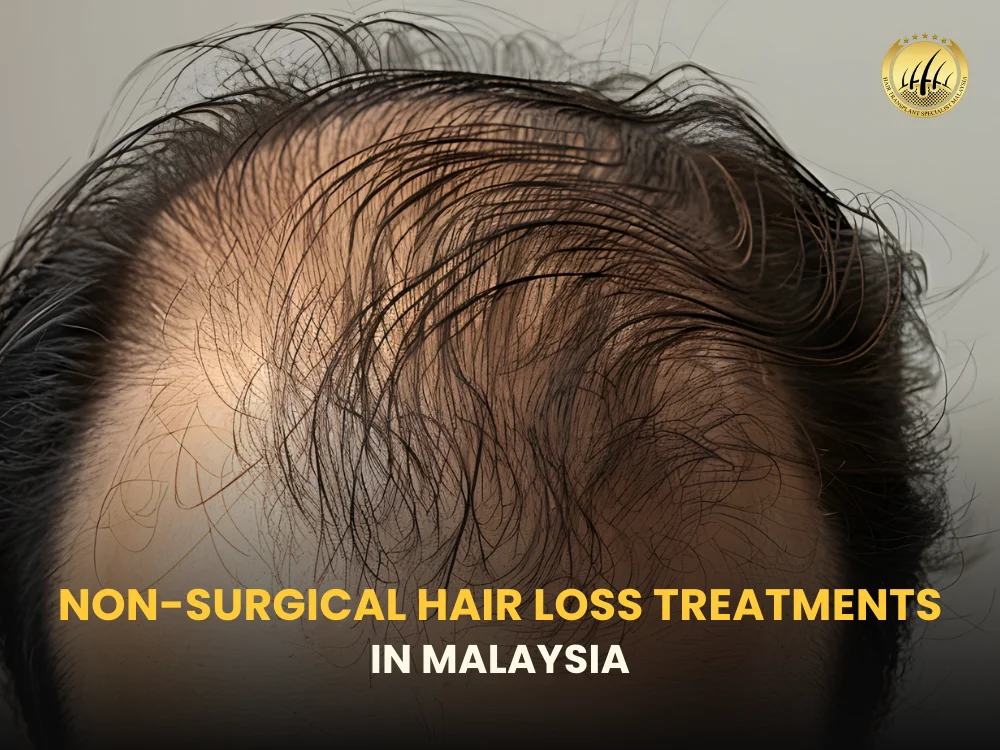
Clinical scalp procedures target follicle stimulation at a deeper level. These treatments are frequently combined with pharmaceutical therapies for stronger long-term outcomes.
Mesotherapy: Targeted Nutrient Delivery to Follicles
Hair mesotherapy delivers vitamins, amino acids, peptides, and coenzymes directly into the scalp using microinjections.
Common ingredients include biotin, dexpanthenol, zinc, and growth complexes. The goal is to improve scalp nutrition and microcirculation around hair follicles.
Mesotherapy is widely used in Malaysia for stress-related shedding and postpartum hair loss.
Scalp Microneedling and Dermapen Protocols
Microneedling creates controlled micro-injuries in the scalp using fine needles. This process stimulates collagen remodeling and activates wound-healing pathways linked to follicular regeneration.
Dermapen devices are commonly paired with PRP, exosomes, or topical serums. Studies suggest microneedling may improve topical minoxidil absorption significantly.
Sessions are usually performed monthly under sterile clinical conditions.
QR678 Neo: Non-Surgical Growth Factor Treatments
QR678 Neo is a patented growth-factor formulation developed for hair restoration. It contains biomimetic peptides targeting follicular stem cell activation.
The treatment has gained popularity in Asian aesthetic clinics because it requires no surgery and minimal recovery time.
Most protocols involve six to eight sessions. Patients with early androgenetic alopecia generally respond better than those with extensive follicular miniaturization.
Pharmaceutical and Topical Solutions
Medical therapies remain the foundation of non-surgical hair loss management. Dermatologists often combine medications with regenerative procedures for better retention and density improvement.
Minoxidil Formulations for the Malaysian Climate
Topical minoxidil remains one of the most researched hair loss medications worldwide. In Malaysia’s humid climate, foam formulations are often preferred because they dry faster and leave less residue.
Men commonly use 5% minoxidil, while women may start with lower concentrations depending on scalp sensitivity.
The American Academy of Dermatology recognizes minoxidil as a clinically proven option for pattern hair loss.
Oral Finasteride and Dutasteride Safety Profiles
Finasteride and dutasteride reduce dihydrotestosterone (DHT), the hormone associated with androgenetic alopecia.
Finasteride 1mg is widely prescribed for male pattern hair loss. Dutasteride may provide stronger DHT suppression but carries a higher risk of side effects.
These medications require physician supervision. Sexual side effects and hormonal considerations should always be discussed during consultation.
Medical-Grade Topical Serums and DHT Blockers
Many clinics prescribe compounded topical serums containing caffeine, melatonin, peptides, or botanical DHT blockers like saw palmetto.
Medical-grade formulations are often customized according to scalp condition, seborrheic dermatitis risk, and follicular sensitivity.
Patients with oily scalps in tropical climates may benefit from lighter alcohol-free formulations.
Cost and Clinic Selection in Malaysia
Treatment pricing varies depending on technology, clinic reputation, doctor expertise, and session frequency.
Price Guide for Hair Loss Treatments in Ringgit (MYR)
Here’s a general pricing overview in Malaysia:
| Treatment | Estimated Cost (MYR) |
|---|---|
| PRP Therapy | RM800–RM2,000/session |
| Regenera Activa | RM8,000–RM15,000 |
| Exosome Therapy | RM2,500–RM6,000/session |
| Mesotherapy | RM300–RM1,200/session |
| LLLT Packages | RM200–RM800/month |
| QR678 Neo | RM1,500–RM3,500/session |
Prices in Kuala Lumpur and Mont Kiara are generally higher than in Johor Bahru or Ipoh.
Choosing a Certified Hair Restoration Clinic in Malaysia
Always verify whether the clinic is registered with MOH Malaysia. Patients should also confirm the doctor holds a valid Letter of Credentialing and Privileging (LCP).
The MOH aesthetic practice portal</a> advises patients to check the procedure, practitioner, and premises before undergoing treatment.
Avoid salons or beauty centers offering medical scalp injections without licensed doctors. MOH has repeatedly warned against unregistered aesthetic premises.
Initial Trichological Consultation and Scalp Analysis
A proper consultation should include scalp imaging, medical history review, and assessment for conditions like alopecia areata, seborrheic dermatitis, or telogen effluvium.
Some clinics also conduct blood investigations for ferritin deficiency, thyroid dysfunction, or hormonal imbalance.
Personalized diagnosis improves treatment accuracy and prevents unnecessary spending on ineffective packages.
Frequently Asked Questions
Are non-surgical hair treatments permanent?
No. Most non-surgical hair restoration treatments are maintenance-based rather than permanent cures.
Hair loss is often progressive. Treatments like PRP, minoxidil, and exosome therapy usually require ongoing maintenance to preserve results.
Which treatment is best for female pattern hair loss?
Women commonly respond well to PRP, low-dose minoxidil, mesotherapy, and exosome therapy.
Treatment selection depends on hormonal status, scalp condition, and the underlying cause of shedding. Female patients should undergo medical evaluation before starting oral medications.
How soon can I see results from non-surgical options?
Most patients notice reduced shedding within two to three months. Visible thickening often appears after three to six months.
Hair growth cycles are slow. Consistency matters more than rapid treatment switching. Combining therapies generally produces stronger outcomes than relying on one treatment alone.
Non-Surgical Hair Loss Treatments in Malaysia
Hair loss affects both men and women across Malaysia. Humid weather, stress, genetics, hormonal imbalance, and nutritional deficiencies all play a role. Fortunately, modern non-surgical hair restoration treatments now offer clinically supported options without downtime or scalp surgery.
Malaysia’s aesthetic medical industry is regulated by the Ministry of Health (MOH). Patients should only visit clinics registered under the Private Healthcare Facilities and Services Act 1998 and doctors officially credentialed for aesthetic practice.
Minimally invasive scalp procedures should always be performed by trained medical professionals. This helps reduce complications while improving treatment safety and effectiveness.
Top Non-Surgical Hair Restoration Treatments in Malaysia
Malaysia now offers advanced regenerative hair therapies previously limited to South Korea, Japan, and Europe. Most treatments focus on stimulating dormant follicles, improving scalp circulation, and extending the hair growth cycle.
Regenera Activa: Advanced Micrograft Technology
Regenera Activa uses autologous scalp tissue micrografts extracted from healthy donor areas. These micrografts contain progenitor cells and growth factors that may reactivate weakened follicles.
The procedure usually takes under one hour. Clinics commonly recommend it for androgenetic alopecia and early-stage thinning. Results often appear within three to six months, depending on follicular health and patient age.
Unlike traditional hair transplants, Regenera Activa requires no stitches or graft harvesting. That makes it popular among professionals seeking minimal downtime.
PRP (Platelet-Rich Plasma) Therapy for Hair Growth
PRP therapy uses concentrated platelets derived from the patient’s blood. These platelets contain growth factors that may improve follicle vascularization and prolong the anagen growth phase.
Clinical studies have shown improvements in hair density and thickness among many androgenetic alopecia patients after repeated PRP sessions.
Most Malaysian clinics schedule PRP every four to six weeks initially. Maintenance sessions are usually performed every six to twelve months.
Exosome Therapy: Cellular Scalp Regeneration
Exosome therapy is among the fastest-growing regenerative scalp treatments in Asia. Exosomes are extracellular vesicles containing proteins, peptides, and signaling molecules involved in cellular communication.
Clinics often combine exosome therapy with microneedling to improve absorption. Early research suggests enhanced follicular repair and reduced scalp inflammation.
Patients experiencing diffuse thinning, postpartum shedding, or stress-related telogen effluvium often explore exosome-based protocols.
Hair Filler Injections and Peptide Bio-Stimulation
Hair fillers contain biomimetic peptides and hyaluronic acid designed to stimulate follicle metabolism. Popular formulations may include copper tripeptides and amino acid complexes.
These injections target scalp circulation and follicular nutrition. Many patients choose hair fillers alongside PRP or topical minoxidil for combined stimulation.
Visible thickening usually requires multiple sessions spaced two to four weeks apart.
Low-Level Laser Therapy (LLLT) for Scalp Health
LLLT uses red light wavelengths to stimulate cellular activity within hair follicles. FDA-cleared laser caps and in-clinic laser systems are increasingly available in Kuala Lumpur and Penang.
The therapy is painless and non-invasive. It may improve blood flow and ATP production within scalp tissues.
LLLT works best for mild-to-moderate hair thinning rather than advanced baldness.
| Treatment | Downtime | Best For | Typical Sessions |
|---|---|---|---|
| PRP | Minimal | Early thinning | 3–6 |
| Regenera Activa | 1–2 days | Pattern hair loss | 1 yearly |
| Exosome Therapy | Minimal | Diffuse shedding | 3–5 |
| Hair Fillers | Minimal | Hair strengthening | 4–6 |
| LLLT | None | Maintenance therapy | Weekly |
Clinical Scalp Procedures and Growth Factor Therapy
Clinical scalp procedures target follicle stimulation at a deeper level. These treatments are frequently combined with pharmaceutical therapies for stronger long-term outcomes.
Mesotherapy: Targeted Nutrient Delivery to Follicles
Hair mesotherapy delivers vitamins, amino acids, peptides, and coenzymes directly into the scalp using microinjections.
Common ingredients include biotin, dexpanthenol, zinc, and growth complexes. The goal is to improve scalp nutrition and microcirculation around hair follicles.
Mesotherapy is widely used in Malaysia for stress-related shedding and postpartum hair loss.
Scalp Microneedling and Dermapen Protocols
Microneedling creates controlled micro-injuries in the scalp using fine needles. This process stimulates collagen remodeling and activates wound-healing pathways linked to follicular regeneration.
Dermapen devices are commonly paired with PRP, exosomes, or topical serums. Studies suggest microneedling may improve topical minoxidil absorption significantly.
Sessions are usually performed monthly under sterile clinical conditions.
QR678 Neo: Non-Surgical Growth Factor Treatments
QR678 Neo is a patented growth-factor formulation developed for hair restoration. It contains biomimetic peptides targeting follicular stem cell activation.
The treatment has gained popularity in Asian aesthetic clinics because it requires no surgery and minimal recovery time.
Most protocols involve six to eight sessions. Patients with early androgenetic alopecia generally respond better than those with extensive follicular miniaturization.
Pharmaceutical and Topical Solutions
Medical therapies remain the foundation of non-surgical hair loss management. Dermatologists often combine medications with regenerative procedures for better retention and density improvement.
Minoxidil Formulations for the Malaysian Climate
Topical minoxidil remains one of the most researched hair loss medications worldwide. In Malaysia’s humid climate, foam formulations are often preferred because they dry faster and leave less residue.
Men commonly use 5% minoxidil, while women may start with lower concentrations depending on scalp sensitivity.
Minoxidil is widely recognized as a clinically proven option for pattern hair loss.
Oral Finasteride and Dutasteride Safety Profiles
Finasteride and dutasteride reduce dihydrotestosterone (DHT), the hormone associated with androgenetic alopecia.
Finasteride 1mg is widely prescribed for male pattern hair loss. Dutasteride may provide stronger DHT suppression but carries a higher risk of side effects.
These medications require physician supervision. Sexual side effects and hormonal considerations should always be discussed during consultation.
Medical-Grade Topical Serums and DHT Blockers
Many clinics prescribe compounded topical serums containing caffeine, melatonin, peptides, or botanical DHT blockers like saw palmetto.
Medical-grade formulations are often customized according to scalp condition, seborrheic dermatitis risk, and follicular sensitivity.
Patients with oily scalps in tropical climates may benefit from lighter alcohol-free formulations.
Cost and Clinic Selection in Malaysia
Treatment pricing varies depending on technology, clinic reputation, doctor expertise, and session frequency.
Price Guide for Hair Loss Treatments in Ringgit (MYR)
Here’s a general pricing overview in Malaysia:
| Treatment | Estimated Cost (MYR) |
|---|---|
| PRP Therapy | RM800–RM2,000/session |
| Regenera Activa | RM8,000–RM15,000 |
| Exosome Therapy | RM2,500–RM6,000/session |
| Mesotherapy | RM300–RM1,200/session |
| LLLT Packages | RM200–RM800/month |
| QR678 Neo | RM1,500–RM3,500/session |
Prices in Kuala Lumpur and Mont Kiara are generally higher than in Johor Bahru or Ipoh.
Choosing a Certified Hair Restoration Clinic in Malaysia
Always verify whether the clinic is registered with MOH Malaysia. Patients should also confirm the doctor holds proper aesthetic medical credentials.
Avoid salons or beauty centers offering medical scalp injections without licensed doctors. Professional consultation and sterile treatment protocols are essential for patient safety.
Look for clinics that provide transparent treatment plans, realistic expectations, and proper scalp diagnosis before recommending procedures.
Initial Trichological Consultation and Scalp Analysis
A proper consultation should include scalp imaging, medical history review, and assessment for conditions like alopecia areata, seborrheic dermatitis, or telogen effluvium.
Some clinics also conduct blood investigations for ferritin deficiency, thyroid dysfunction, or hormonal imbalance.
Personalized diagnosis improves treatment accuracy and prevents unnecessary spending on ineffective packages.
Frequently Asked Questions
Are non-surgical hair treatments permanent?
No. Most non-surgical hair restoration treatments are maintenance-based rather than permanent cures.
Hair loss is often progressive. Treatments like PRP, minoxidil, and exosome therapy usually require ongoing maintenance to preserve results.
Which treatment is best for female pattern hair loss?
Women commonly respond well to PRP, low-dose minoxidil, mesotherapy, and exosome therapy.
Treatment selection depends on hormonal status, scalp condition, and the underlying cause of shedding. Female patients should undergo medical evaluation before starting oral medications.
How soon can I see results from non-surgical options?
Most patients notice reduced shedding within two to three months. Visible thickening often appears after three to six months.
Hair growth cycles are slow. Consistency matters more than rapid treatment switching. Combining therapies generally produces stronger outcomes than relying on one treatment alone.