How to Maintain Hair Transplant Results Long-Term
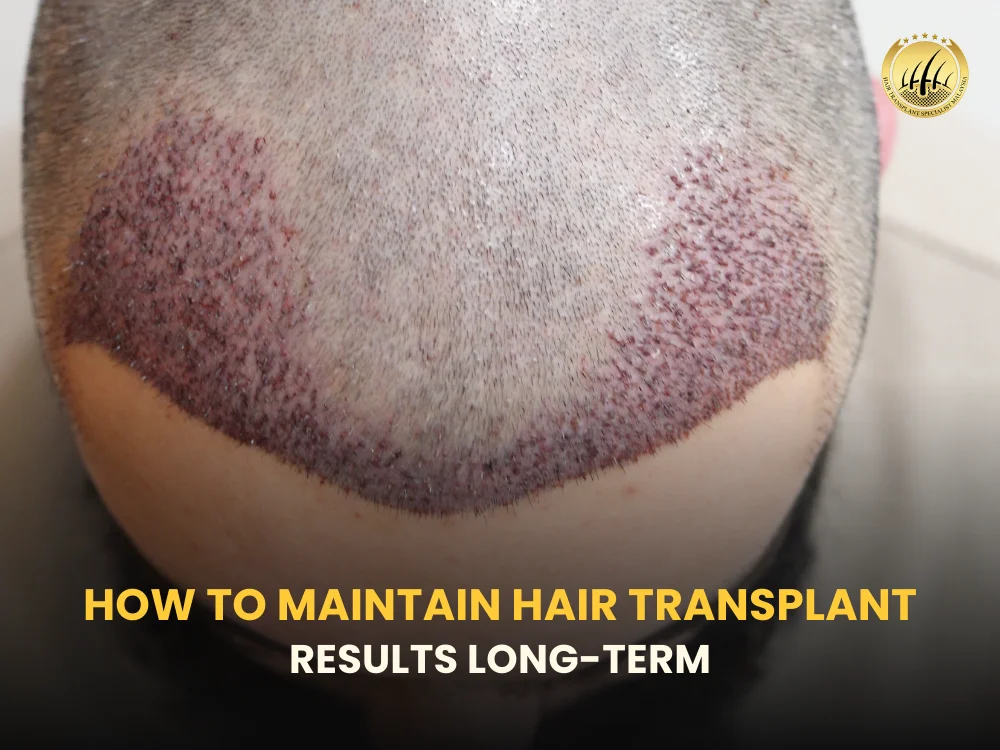
Long-Term Hair Transplant Maintenance Select a timeline phase to view essential care protocols 1. First Month (Critical) 2. Months 2–6 (Growth) 3. Lifelong Protection Gentle Washing: Follow your clinic’s exact shampooing technique to avoid dislodging newly anchored grafts. Sleeping Position: Sleep with your head elevated at a 45-degree angle for the first 7–10 days using a travel pillow. Strict Avoidance: No strenuous exercise, heavy sweating, or direct sun exposure for at least 3 to 4 weeks. Manage Shock Loss: Expect temporary shedding of transplanted hairs around weeks 3–5; this is a completely normal part of the cycle. Resuming Activity: Gradually reintroduce light workouts after consulting your surgeon (usually after week 4). Scalp Health: Keep the scalp moisturized if dryness or flaking occurs during the intensive growth phase. Medication Compliance: Continue prescribed maintenance treatments like Minoxidil or Finasteride to protect non-transplanted native hair from thinning. Supportive Therapies: Consider occasional PRP (Platelet-Rich Plasma) sessions to strengthen overall hair density. Healthy Lifestyle: Maintain a balanced diet rich in vitamins, iron, and proteins to support robust follicular health. Have questions about your post-op recovery or graft care? Chat on WhatsApp Undergoing a hair transplant is a major milestone — but achieving natural, lasting density doesn’t end after surgery. The real secret to success lies in Hair Transplant Maintenance. While transplanted follicles are typically permanent, surrounding native hair can continue thinning over time. Without proper aftercare and long-term planning, patients may experience uneven density years later. In this guide, we’ll break down exactly how to preserve your results, support healthy regrowth, and protect your investment for the long haul. Why Hair Transplant Maintenance Matters Hair Transplant Maintenance is essential because hair loss is progressive. Even after procedures like Follicular Unit Extraction or Follicular Unit Transplantation, your non-transplanted hair may continue to miniaturize. Hair Transplant Maintenance focuses on: Preserving existing native hair Supporting graft survival Preventing further thinning Enhancing overall scalp health Think of a transplant as planting strong seeds. Hair Transplant Maintenance ensures the soil remains healthy for years to come. Understanding Permanent vs Progressive Hair Loss Transplanted follicles are typically harvested from the “safe donor zone” — areas genetically resistant to DHT (dihydrotestosterone). However: Native hair around transplanted grafts can still thin. Hormonal hair loss (androgenetic alopecia) continues unless medically managed. Aging naturally affects density. Without ongoing support, patients may notice gaps forming behind or around transplanted areas. That’s why long-term strategy matters. First 12 Months: Critical Healing Phase Hair Transplant Maintenance begins immediately after surgery. Month 0–1: Protect the Grafts Follow all washing instructions strictly. Avoid scratching or heavy sweating. Sleep with head elevated during the first week. Month 1–3: Expect Shock Loss Temporary shedding is normal. Avoid panic. This phase is part of natural follicle cycling. Month 4–12: Growth & Thickening Hair gradually thickens. Continue prescribed medications. Attend follow-up appointments. Proper early care influences long-term density. Medication for Long-Term Stability Many doctors recommend medical therapy to prevent further loss. 1. Finasteride An oral DHT-blocker that slows male pattern hair loss. 2. Minoxidil A topical solution that prolongs hair growth phase. These medications support non-transplanted hair, maintaining balance across the scalp. Always consult a qualified physician before starting or stopping medication. Role of PRP in Hair Transplant Maintenance Platelet-Rich Plasma therapy (PRP) is commonly used as a supportive treatment post-transplant. PRP may help: Stimulate dormant follicles Improve hair shaft thickness Strengthen surrounding native hair Improve scalp circulation Some clinics recommend Hair Transplant Maintenance sessions every 6–12 months. While not mandatory, PRP can enhance long-term density stability. Proper Hair Care Routine Hair transplant maintenance also involves everyday care habits. Washing Use mild, sulfate-free shampoo. Avoid harsh chemical treatments early on. Do not aggressively rub the scalp. Styling Minimize heat styling. Avoid tight hairstyles that cause traction. Limit strong chemical bleaching. Healthy follicles thrive in low-inflammation environments. Nutrition & Lifestyle Factors Hair health reflects overall wellness. Support long-term results with: Adequate protein intake Iron and zinc balance Vitamin D optimization Hydration Stress management Chronic stress elevates cortisol, which may affect hair cycles. Regular exercise improves blood circulation to the scalp. Hair Transplant Maintenance isn’t just topical — it’s systemic. Scalp Health Is Key Conditions like seborrheic dermatitis or chronic inflammation can impact growth. Consider periodic scalp assessments with: A dermatologist A hair restoration physician Professional organizations such as the International Society of Hair Restoration Surgery emphasize long-term follow-up as part of responsible hair restoration planning. Early detection of thinning allows proactive intervention. When Is a Second Transplant Needed? Some patients may require additional procedures years later due to progressive hair loss. Reasons include: Advanced genetic thinning Large original balding area Aging-related density reduction However, good Hair Transplant Maintenance often delays or reduces the need for additional surgery. The goal is strategic planning — not reactive correction. Common Mistakes That Shorten Results While transplanted grafts are designed to be long-lasting, certain habits and decisions can compromise your overall outcome. A hair transplant is not just a one-day procedure — it’s a long-term commitment to scalp health and maintenance. Here are the most common mistakes that can shorten or weaken your results: ❌ Stopping Medication Too Early Many patients discontinue medications like minoxidil or finasteride once they see visible improvement. However, these treatments are often prescribed to protect existing native hair, not the transplanted grafts. Stopping too soon can lead to continued thinning in untreated areas, creating uneven density over time. Always consult your doctor before making changes to your treatment plan. ❌ Ignoring Ongoing Thinning A hair transplant does not stop the natural progression of androgenetic alopecia. If surrounding hair continues to miniaturize and thin, the contrast between transplanted and non-transplanted areas may become noticeable. Regular scalp assessments help detect early signs of progression so preventive treatments can be adjusted accordingly. ❌ Skipping Follow-Up Visits Post-operative reviews are not optional — they’re essential. During follow-ups, your doctor evaluates: Graft survival rate Growth progress Signs of inflammation or scarring Ongoing hair loss patterns Missing these appointments may delay early intervention if issues arise. ❌ Smoking Excessively
Non-Surgical Hair Loss Treatments in Malaysia
Featured Non-Surgical Option Low-Level Laser Therapy (LLLT) in Malaysia A clinically proven, painless non-surgical treatment that uses medical-grade light wavelengths to stimulate dormant hair follicles, boost scalp circulation, and fight hair thinning. Ideal for both men and women seeking natural hair restoration without downtime. 100% Non-Invasive with Zero Downtime Encourages Cellular Metabolism & Follicle Revival Suitable for Early-to-Moderate Hair Thinning Consult via WhatsApp (+60122700122) Hair loss affects both men and women across Malaysia. Humid weather, stress, genetics, hormonal imbalance, and nutritional deficiencies all play a role. Fortunately, modern non-surgical hair restoration treatments now offer clinically supported options without downtime or scalp surgery. Malaysia’s aesthetic medical industry is regulated by the Ministry of Health (MOH). Patients should only visit clinics registered under the Private Healthcare Facilities and Services Act 1998 and doctors listed in the National Registry of Aesthetic Medical Practitioners. According to the aesthetic medical practice guidelines, minimally invasive scalp procedures must be performed by credentialed medical professionals. Top Non-Surgical Hair Restoration Treatments in Malaysia Malaysia now offers advanced regenerative hair therapies previously limited to South Korea, Japan, and Europe. Most treatments focus on stimulating dormant follicles, improving scalp circulation, and extending the hair growth cycle. Regenera Activa: Advanced Micrograft Technology Regenera Activa uses autologous scalp tissue micrografts extracted from healthy donor areas. These micrografts contain progenitor cells and growth factors that may reactivate weakened follicles. The procedure usually takes under one hour. Clinics commonly recommend it for androgenetic alopecia and early-stage thinning. Results often appear within three to six months, depending on follicular health and patient age. Unlike traditional hair transplants, Regenera Activa requires no stitches or graft harvesting. That makes it popular among professionals seeking minimal downtime. PRP (Platelet-Rich Plasma) Therapy for Hair Growth PRP therapy uses concentrated platelets derived from the patient’s blood. These platelets contain growth factors that may improve follicle vascularization and prolong the anagen growth phase. A 2023 review published in the National Library of Medicine database reported improved hair density and thickness in many androgenetic alopecia patients after repeated PRP sessions. Most Malaysian clinics schedule PRP every four to six weeks initially. Maintenance sessions are usually performed every six to twelve months. Exosome Therapy: Cellular Scalp Regeneration Exosome therapy is among the fastest-growing regenerative scalp treatments in Asia. Exosomes are extracellular vesicles containing proteins, peptides, and signaling molecules involved in cellular communication. Clinics often combine exosome therapy with microneedling to improve absorption. Early studies suggest enhanced follicular repair and reduced scalp inflammation, though long-term evidence remains limited. Patients experiencing diffuse thinning, postpartum shedding, or stress-related telogen effluvium often explore exosome-based protocols. Hair Filler Injections and Peptide Bio-Stimulation Hair fillers contain biomimetic peptides and hyaluronic acid designed to stimulate follicle metabolism. Popular formulations may include copper tripeptides and amino acid complexes. These injections target scalp circulation and follicular nutrition. Many patients choose hair fillers alongside PRP or topical minoxidil for combined stimulation. Visible thickening usually requires multiple sessions spaced two to four weeks apart. Low-Level Laser Therapy (LLLT) for Scalp Health LLLT uses red light wavelengths to stimulate cellular activity within hair follicles. FDA-cleared laser caps and in-clinic laser systems are increasingly available in Kuala Lumpur and Penang. The therapy is painless and non-invasive. It may improve blood flow and ATP production within scalp tissues. LLLT works best for mild-to-moderate hair thinning rather than advanced baldness. Treatment Downtime Best For Typical Sessions PRP Minimal Early thinning 3–6 Regenera Activa 1–2 days Pattern hair loss 1 yearly Exosome Therapy Minimal Diffuse shedding 3–5 Hair Fillers Minimal Hair strengthening 4–6 LLLT None Maintenance therapy Weekly Clinical Scalp Procedures and Growth Factor Therapy Clinical scalp procedures target follicle stimulation at a deeper level. These treatments are frequently combined with pharmaceutical therapies for stronger long-term outcomes. Mesotherapy: Targeted Nutrient Delivery to Follicles Hair mesotherapy delivers vitamins, amino acids, peptides, and coenzymes directly into the scalp using microinjections. Common ingredients include biotin, dexpanthenol, zinc, and growth complexes. The goal is to improve scalp nutrition and microcirculation around hair follicles. Mesotherapy is widely used in Malaysia for stress-related shedding and postpartum hair loss. Scalp Microneedling and Dermapen Protocols Microneedling creates controlled micro-injuries in the scalp using fine needles. This process stimulates collagen remodeling and activates wound-healing pathways linked to follicular regeneration. Dermapen devices are commonly paired with PRP, exosomes, or topical serums. Studies suggest microneedling may improve topical minoxidil absorption significantly. Sessions are usually performed monthly under sterile clinical conditions. QR678 Neo: Non-Surgical Growth Factor Treatments QR678 Neo is a patented growth-factor formulation developed for hair restoration. It contains biomimetic peptides targeting follicular stem cell activation. The treatment has gained popularity in Asian aesthetic clinics because it requires no surgery and minimal recovery time. Most protocols involve six to eight sessions. Patients with early androgenetic alopecia generally respond better than those with extensive follicular miniaturization. Pharmaceutical and Topical Solutions Medical therapies remain the foundation of non-surgical hair loss management. Dermatologists often combine medications with regenerative procedures for better retention and density improvement. Minoxidil Formulations for the Malaysian Climate Topical minoxidil remains one of the most researched hair loss medications worldwide. In Malaysia’s humid climate, foam formulations are often preferred because they dry faster and leave less residue. Men commonly use 5% minoxidil, while women may start with lower concentrations depending on scalp sensitivity. The American Academy of Dermatology recognizes minoxidil as a clinically proven option for pattern hair loss. Oral Finasteride and Dutasteride Safety Profiles Finasteride and dutasteride reduce dihydrotestosterone (DHT), the hormone associated with androgenetic alopecia. Finasteride 1mg is widely prescribed for male pattern hair loss. Dutasteride may provide stronger DHT suppression but carries a higher risk of side effects. These medications require physician supervision. Sexual side effects and hormonal considerations should always be discussed during consultation. Medical-Grade Topical Serums and DHT Blockers Many clinics prescribe compounded topical serums containing caffeine, melatonin, peptides, or botanical DHT blockers like saw palmetto. Medical-grade formulations are often customized according to scalp condition, seborrheic dermatitis risk, and follicular sensitivity. Patients with oily scalps in tropical climates may benefit from lighter alcohol-free formulations.
Low-Level Laser Therapy (LLLT) for Hair Regrowth in Malaysia
LLLT Treatment Cost Estimator Select your estimated hair loss stage to view recommended session plans & estimated pricing in Malaysia. 1. Select Hair Loss Stage: Early Stage (Mild thinning at crown or hairline)Moderate Stage (Noticeable thinning & receding)Advanced Stage (Significant scalp visibility) 2. Choose Recommended Plan: Starter Package (12 Sessions / ~1.5 Months)Standard Growth Plan (24 Sessions / ~3 Months)Intensive Regrowth Plan (48 Sessions / ~6 Months) Estimated Investment: MYR 3,600 – MYR 4,800 * Recommended Frequency: 2 sessions per week for optimal laser diode absorption. Claim Consult & Exact Quote on WhatsApp If you’ve been looking for a way to fight thinning hair without the “pill fatigue” or the fear of a surgical blade, you’ve likely stumbled upon Low-Level Laser Therapy (LLLT). In Malaysia, where the humidity and heat can make oily scalps a nightmare for hair health, LLLT has become a go-to “lunchtime” treatment in KL clinics. It’s sleek, it’s high-tech, and it feels more like a spa day than a medical procedure. But can a “cold laser” really wake up your follicles? Let’s dive into the science of the red light. Hair Transplant Malaysia Centre offers Low-Level Laser Therapy (LLLT) to stimulate hair follicles, reduce thinning, and promote natural hair regrowth safely, non-invasively, and with long-lasting results. What Is Low-Level Laser Therapy (LLLT)? Definition and How LLLT Works LLLT, often called “red light therapy” or “photobiomodulation,” uses medical-grade lasers to emit photons into your scalp tissues. Unlike high-power surgical lasers that cut through skin, these are “cold” lasers. They don’t burn; they heal. Mechanism: Stimulating Hair Follicles and Blood Flow Think of LLLT as “photosynthesis for your head.” The light particles are absorbed by weak cells, boosting the production of ATP (Adenosine Triphosphate)—the energy currency of your cells. According to research on the mechanism of LLLT, this process triggers vasodilation, increasing blood flow to the roots and pushing dormant follicles back into the Anagen (growth) phase. Difference Between LLLT and Other Hair Loss Treatments While Minoxidil is a chemical vasodilator and Finasteride is a hormone blocker, LLLT is a purely physical bio-stimulator. It doesn’t mess with your hormones or leave a sticky residue on your scalp. This makes it a popular choice for those wanting a “cleaner” approach to hair restoration. Benefits of LLLT for Hair Loss Slowing Hair Thinning and Shedding One of the first things users in Malaysia notice isn’t necessarily a “jungle” of new growth, but a significant decrease in daily shedding. By strengthening the hair’s grip in the follicle, LLLT stabilizes existing hair. Promoting Hair Regrowth and Density Clinical studies highlighted by the National Institutes of Health show that LLLT can lead to a statistically significant increase in both hair count and hair diameter, meaning your hair doesn’t just grow back—it grows back thicker. Safe and Non-Invasive Treatment Option No needles, no scars, and no downtime. You can have a session and head straight to your next meeting or a makan session at a mamak shop without anyone knowing you’ve just had a medical treatment. Who Can Benefit From LLLT Male Pattern Baldness (Androgenetic Alopecia) For men, LLLT is excellent for the early stages of thinning (Norwood 1 to 3). It works best when follicles are still alive but “miniaturized.” Female Hair Thinning and Diffuse Hair Loss Women often prefer LLLT because it avoids the hormonal side effects associated with certain oral medications. It’s particularly effective for female pattern hair loss and postpartum thinning. Patients Unsuitable for Surgery or Medications If you have sensitive skin that reacts to topical solutions or health conditions that prevent you from taking oral blockers, LLLT provides a safe, drug-free alternative. LLLT Devices and Treatment Options in Malaysia In-Clinic LLLT Devices These are large, hood-like panels (like the Healite II) found in aesthetic clinics in areas like Bangsar or Subang Jaya. They are significantly more powerful than home units and cover the entire scalp uniformly. At-Home Laser Caps, Combs, and Helmets Brands like Capillus or HairMax allow you to treat your scalp while watching Netflix. While convenient, they require a higher level of personal discipline to see results. Comparing Device Effectiveness and Safety In-clinic sessions are “pro-grade” and usually supervised by a doctor. At-home devices are “maintenance-grade.” A clinical review by Examine.com notes that while both show results, consistency is the biggest factor in success. LLLT Treatment Procedure How a Typical LLLT Session Works You sit comfortably under a laser hood for 15 to 25 minutes. You won’t feel anything except perhaps a very slight, pleasant warmth. It’s the perfect time to catch up on emails or a podcast. Recommended Frequency and Duration of Treatments Initial Phase: 2 to 3 sessions per week for the first 3 to 6 months. Maintenance Phase: Once a week or once every two weeks to keep the follicles stimulated. Combining LLLT With Other Hair Loss Solutions LLLT is a “team player.” Many Malaysian dermatologists recommend a “Triple Threat” protocol: Finasteride (to stop the loss), Minoxidil (to feed the hair), and LLLT (to energize the growth). Cost of LLLT in Malaysia Average Price for Clinic Sessions A single session in a KL clinic can range from RM200 to RM400. Many clinics offer packages of 10 to 20 sessions that significantly lower the per-session cost. Cost of At-Home Devices FDA-cleared laser caps can be an investment, ranging from RM2,000 to RM5,000. While pricey upfront, they often pay for themselves over a year compared to clinic visits. Factors That Influence Pricing The technology brand (e.g., iGrow vs. Revian) and whether the clinic includes complimentary scalp detox treatments or hair serums will influence the final bill. Safety and Side Effects of LLLT Common Side Effects (Minimal or None) LLLT has an incredibly high safety profile. Occasionally, users report temporary “shedding” in the first month as old hairs are pushed out by new growth, or very mild scalp itching. Precautions for Sensitive Scalp or Medical Conditions If you have a history of skin cancer on the scalp or are photosensitive due to certain medications, you should
Minoxidil Malaysia: The Ultimate Guide to Hair Regrowth and Hair Loss Treatment
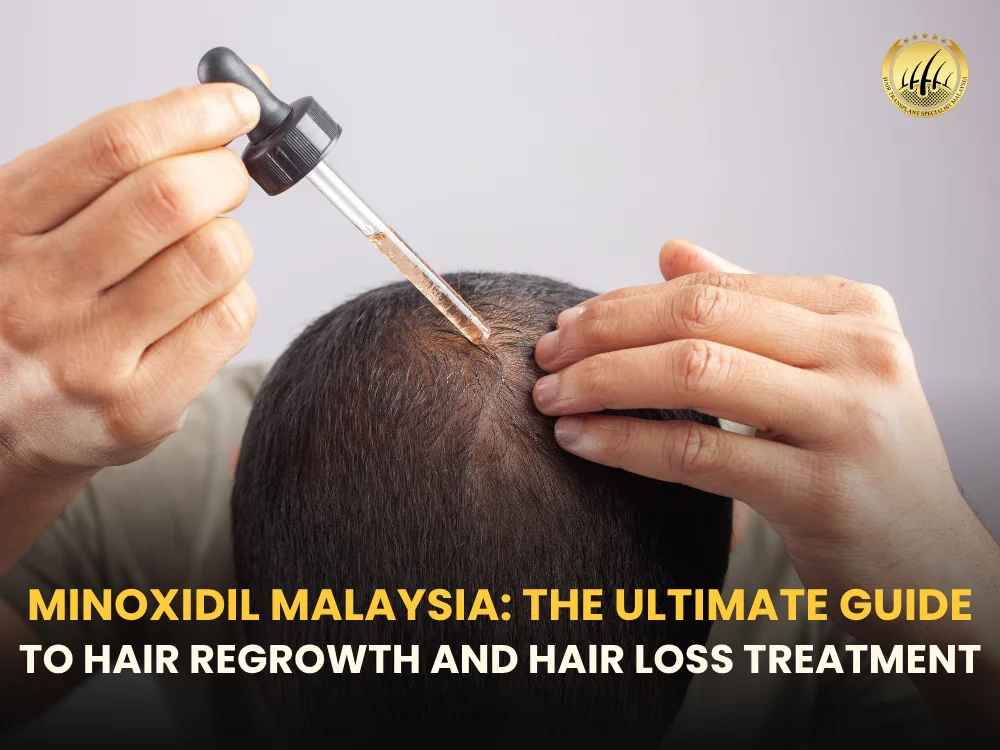
Patient Retention Tool Minoxidil Results & Shedding Timeline Over 70% of Minoxidil users quit within the first 30 days due to panic over temporary hair loss. Drag the interactive slider below to understand what happens to your hair follicles month-by-month. Month 1 Month 3 Month 6 Month 12+ PHASE 1: The Accelerated Shedding Phase 🚨 Biological Alarm: Old Hair Ejection Do not panic if hair falls out rapidly right now. Minoxidil is forcing old, weak, and thin hairs resting in the Telogen phase out of the follicle. This is an active medical indicator that your scalp is reacting positively to the treatment, making room for new growth. ⚠️ Crucial Adherence Rule: Stopping treatment now will permanently reverse all future progress. Are you experiencing extreme shedding, or suspect your follicles are already scarred over? Let a specialist review your progress. 📲 Send My Current Month Protocol to Clinic via WhatsApp ➔ Minoxidil Malaysia is an FDA-approved, non-prescription topical medication used to treat androgenetic alopecia (pattern hair loss) in both men and women. It stimulates shrunken hair follicles, increases blood flow to the scalp, and prolongs the hair growth cycle to effectively reverse thinning and promote robust hair regrowth. What is Minoxidil and How Does It Work for Hair Loss? Minoxidil is a safe, widely accessible peripheral vasodilator. Originally used as an oral blood pressure medication, clinical researchers discovered its remarkable ability to stimulate hair follicles as a secondary effect. In Malaysia, topical minoxidil is regulated under the Poison Act 1952 as a Group C substance. This means you do not need a doctor’s prescription, but it must be dispensed under the supervision of a licensed pharmacist. The Science Behind Minoxidil for Hair Growth Minoxidil works by opening potassium channels within the smooth muscle cells of the scalp’s blood vessels. This action relaxes and widens the blood vessels, acting as a “nutrient highway” that delivers oxygen and vital micro-nutrients directly to the roots. According to dermatological data published by the National Center for Biotechnology Information (NCBI), minoxidil achieves its clinical results through three primary mechanisms: Extends the Anagen Phase: It forces hair follicles to stay in the active growth phase longer. Reverses Follicular Involution: It shifts resting (telogen) follicles back into production. Increases Follicle Diameter: It enlarges shrunken follicles, allowing them to produce thicker, more robust hair strands. Types of Minoxidil Available in Malaysia When shopping for this hair loss treatment in local pharmacies, you will generally find two distinct topical formulations. +———————————–+———————————–+ | Topical Liquid Solution | Topical Foam Formulation | +———————————–+———————————–+ | • Utilizes propylene glycol | • Propylene glycol-free | | • Delivers deep scalp penetration | • Melts instantly, dries fast | | • Can cause slight flaking | • Highly recommended for sensitive| | | skin | +———————————–+———————————–+ Topical Minoxidil Solution (Liquid) The liquid solution is the original delivery method. It typically includes an applicator or dropper, which allows you to target the fluid directly onto a balding crown or widening part line. Because it contains propylene glycol to aid absorption, it takes longer to dry. Some users with sensitive skin may experience mild flaking or contact dermatitis from this specific ingredient. Minoxidil Foam Minoxidil foam is a modern, user-friendly alternative. It is formulated completely without propylene glycol, making it much gentler on the skin. The foam melts quickly upon contact with body heat. It absorbs rapidly into the scalp without leaving a greasy residue, making it ideal for busy urban professionals who style their hair daily. Best Minoxidil Brands in Malaysia and Where to Buy Them You can safely source authentic, registered hair loss products at retail pharmacies across Malaysia. Always ensure the packaging features the holographic security sticker from the Ministry of Health Malaysia (MOH). Regro Minoxidil Regro is a popular brand across Southeast Asia. Manufactured under strict Good Manufacturing Practice (GMP) standards, Regro offers highly dependable 5% and 2% solutions that provide excellent cost efficiency for long-term management. Rogaine / Regaine Malaysia Regaine is the pioneer brand of topical minoxidil. It is widely considered the premium gold standard due to decades of global clinical trials. It is available in both liquid and foam options at major outlets. Approved Brands at Watsons, Guardian, and Local Pharmacies Major retail chains like Watsons and Guardian frequently stock safe, domestic, and imported brands. +——————+———————–+————————+ | Retail Chain | Available Formats | Estimated Price Range | +——————+———————–+————————+ | Watsons / | 2% and 5% Liquid, | RM 45.00 – RM 160.00 | | Guardian | Premium 5% Foams | (Per bottle/pack) | +——————+———————–+————————+ Purchasing a three-month multi-pack at physical pharmacies often secures a 15% to 20% discount. How to Choose the Right Minoxidil Strength Choosing the correct strength depends on your gender, the severity of your hair thinning, and your personal skin tolerance. Minoxidil 2% for Women The 2% concentration is specifically designed for female pattern hair loss, which typically presents as diffuse thinning across the Ludwig Scale. Specialist Insight: Women often respond better to lower minoxidil concentrations due to higher scalp sensitivity. The 2% solution lowers the risk of systemic absorption and prevents unwanted facial hair growth. Minoxidil 5% for Men The 5% concentration is the extra-strength standard for male pattern baldness. Clinical data shows that the 5% formula results in up to 45% more hair regrowth than the 2% version. It is ideal for targeted application along a receding hairline or a thinning vertex. How to Use Minoxidil Correctly for Best Results Consistency is key to keeping hair follicles active. Because topical minoxidil has a pharmacological half-life of roughly 22 hours, applying it consistently keeps the medication at peak levels in your scalp. Step-by-Step Application Guide for Topical Minoxidil Dry the Scalp: Ensure your hair and scalp are completely dry. Applying it to wet skin can cause the medication to enter your bloodstream too quickly. Measure the Dose: Draw exactly 1 mL of liquid or dispense half a capful of foam. Target the Skin: Part your hair and apply the product directly to the skin of
Complete Guide to Finasteride for Hair Loss in Malaysia
Clinical Screening Protocol Finasteride Suitability & Eligibility Test Finasteride is a highly effective DHT-blocker, but it is a prescription-only medicine in Malaysia. Answer the 3 medical parameters below to check your initial safety profile before consulting our doctors. 1. Biological Sex MaleFemale 2. Current Age 18 Years Old & AboveBelow 18 Years Old 3. Family Planning (Next 6 Months) No / Not ApplicableYes / Trying to Conceive Initial Clinical Assessment: Evaluating parameters… Loading profile matrix… 💡 Alternative Pathway: Loading medical alternatives… Finasteride requires a formal prescription from a registered doctor under the Malaysian Poisons Act 1952. Book an authorized evaluation. 📲 Request Doctor Appointment & Prescription Check via WhatsApp ➔ Finasteride is a clinically proven, prescription-only oral and topical medication used to treat male pattern baldness (androgenetic alopecia). It works by blocking the conversion of testosterone into dihydrotestosterone (DHT), the hormone responsible for shrinking hair follicles, effectively halting hair thinning and promoting visible hair regrowth on the crown and hairline. What is Finasteride and How Does It Treat Male Pattern Baldness Male pattern baldness, or androgenetic alopecia, affects millions of men across Malaysia. It typically begins with a receding hairline or a thinning crown, driven by a genetic sensitivity to specific male hormones. Finasteride treats this condition at its root biological cause. Instead of merely stimulating the scalp surface, it targets the hormonal triggers that cause hair follicles to miniaturize and eventually stop producing hair. The Mechanism of Finasteride as a 5-Alpha Reductase Inhibitor Finasteride belongs to a class of medications known as 5-alpha reductase inhibitors (5-ARIs). It specifically targets the Type II 5-alpha reductase enzyme, which is highly concentrated around hair follicles and the prostate. The mechanism follows a distinct biological pathway: Enzyme Inhibition: Finasteride binds to the 5-alpha reductase enzyme, rendering it inactive. DHT Reduction: By blocking this enzyme, the drug prevents the conversion of testosterone into dihydrotestosterone (DHT). According to NPRA pharmacovigilance data, oral finasteride successfully reduces serum DHT levels by approximately 70%. Follicle Protection: With less DHT circulating in the scalp, hair follicle miniaturization stops. The follicles return to a healthy growth phase (anagen), leading to thicker, stronger hair shafts. Finasteride Dosage and Forms Available in Malaysia In Malaysia, the Drug Control Authority (DCA) regulates the available forms of this medication. Depending on your assessment, a physician may recommend either oral or topical applications. Oral Finasteride 1mg Tablets vs 5mg Tablets Oral finasteride is available in two distinct strengths, but they are indicated for entirely different medical conditions: 1mg Tablets: This is the standard, clinically approved daily dosage for treating male pattern hair loss. Brands like Propecia or generic Finapecia are designed explicitly at this strength to optimize hair growth while minimizing systemic side effects. 5mg Tablets: Brands like Proscar are strictly approved for treating Benign Prostatic Hyperplasia (BPH), an enlarged prostate. Important Clinical Safety Note: Some individuals attempt to split 5mg tablets into quarters (1.25mg) to save money. Splitting tablets is heavily discouraged by medical experts. It leads to uneven dosing and exposes women or children in the household to dangerous active drug dust. Topical Finasteride Spray Formulation For men hesitant about taking oral medications, the National Pharmaceutical Regulatory Agency (NPRA) has registered a topical finasteride spray formulation. This localized option delivers the 5-alpha reductase inhibitor directly to the scalp’s hair follicles. Clinical studies indicate that topical finasteride significantly reduces scalp DHT while maintaining lower systemic absorption compared to the oral pill, lowering the likelihood of systemic side effects. How to Buy Finasteride Safely in Malaysia Because finasteride alters hormone profiles, it cannot be bought as a standard over-the-counter item. Safe, legal acquisition requires navigating regular healthcare channels. Ministry of Health MOH Malaysia and NPRA Regulations Under the Ministry of Health (MOH) Malaysia, finasteride is categorized as a Poison Group B controlled medicine. This means it is highly regulated, and all legitimate brands must carry a hologram sticker and a unique MAL registration number issued by the National Pharmaceutical Regulatory Agency (NPRA). Buying unregistered versions online from unverified e-commerce platforms is illegal and risks exposure to counterfeit, contaminated, or poorly manufactured pills. Why You Need a Doctor Prescription for Finasteride You must have a valid prescription written by a registered medical practitioner to purchase finasteride. A doctor’s consultation is necessary to: Confirm that your hair thinning is actually caused by androgenetic alopecia and not an underlying medical issue like thyroid dysfunction or nutritional deficiencies. Review your medical history, specifically looking at liver function, since the drug is heavily metabolized by the liver. Establish a baseline for mental health and sexual health to track safety during treatment. Getting Finasteride via Telehealth Online Consultation and Physical Clinics Malaysian men have two primary pathways to secure a legal prescription: Pathway Process Best For Physical Clinics Visit a licensed general practitioner, dermatologist, or hair transplant clinic for an in-person scalp examination. Comprehensive diagnosis, baseline scalp photography, and long-term care tracking. Telehealth Platforms Consult a doctor digitally via licensed Malaysian telehealth platforms like DoctorOnCall. Convenient renewals, private consultations, and direct-to-door pharmaceutical delivery. Finasteride Price in Malaysia: Branded vs Generic Cost The cost of managing hair loss in Malaysia varies based on whether you choose the original branded medication or its generic bioequivalent. Propecia 1mg Price and Cost Comparison Propecia, manufactured by Organon (formerly Merck), is the original pioneering brand of finasteride 1mg. Because of its brand heritage, it commands a premium price. In physical Malaysian retail pharmacies and private clinics, a 28-day or 30-day supply of branded Propecia 1mg typically ranges from RM 180 to RM 250. Affordable Generic Alternatives in Malaysia Generic alternatives contain the exact same active pharmaceutical ingredient (Finasteride 1mg) and meet identical bioequivalence and manufacturing standards enforced by the NPRA. The most common generic brand prescribed in Malaysia is Finapecia (manufactured by Cipla). Generic alternatives are far more accessible, usually costing between RM 60 to RM 100 for a one-month supply. Monthly Cost Comparison Across Retail Pharmacies and Digital Clinics Medication Type Average Monthly Cost (RM) Where to Find Branded Propecia 1mg RM 180