Follicular Unit Extraction (FUE) is a minimally invasive hair restoration technique where individual hair follicles are harvested directly from a donor area using specialized micro-punch tools. These grafts are then meticulously implanted into thinning or bald regions. This advanced procedure avoids linear scarring, ensures natural-looking results, and offers a significantly faster recovery period.
What Is FUE Hair Transplant?
FUE (Follicular Unit Extraction) is a minimally invasive hair restoration technique where individual hair follicles are extracted from a donor area—usually the back of the head—and transplanted into thinning or bald areas. It offers a permanent solution for hair loss with no linear scarring and natural-looking results.
How FUE Hair Transplant Works
FUE works by harvesting healthy follicles that are genetically resistant to balding. Using a specialized micro-punch tool, doctors extract these units one by one.
Once harvested, the follicles are kept in a nutrient-rich solution before being carefully implanted into the recipient sites. This precision ensures high survival rates for the grafts.
Difference Between FUE and FUT Hair Transplant
The primary difference lies in the extraction method. FUT (Follicular Unit Transplantation) involves removing a strip of skin, which leaves a visible linear scar.
FUE extracts individual follicles, leaving only tiny dot-like marks that are virtually invisible. This makes FUE the preferred choice for those who prefer shorter hairstyles.
Who Is Suitable for FUE Hair Transplant
Ideal candidates are those with androgenetic alopecia who have sufficient donor hair density. It is also suitable for those looking to restore receding hairlines or fill in thinning crowns.
Doctors also assess scalp laxity and the cause of hair loss. Patients should be in good health and have realistic expectations about the final density.
Benefits of FUE Hair Transplant
Minimal Scarring
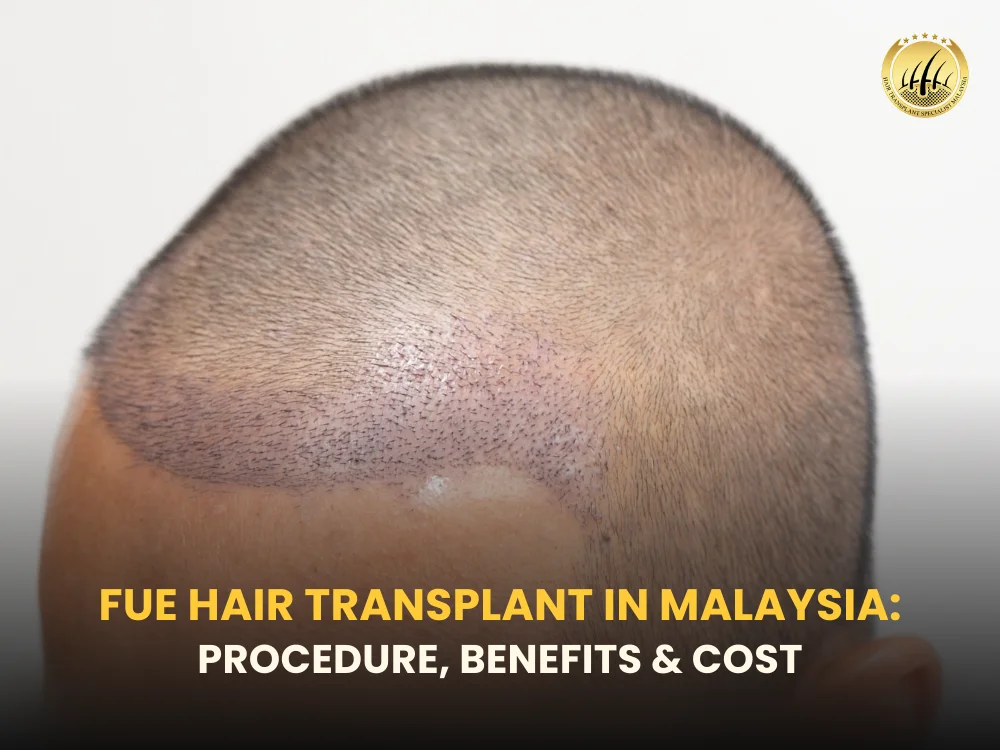
Because there are no scalpels or stitches involved, there is no “strip” scar. The micro-punctures heal into tiny white dots that are hidden by existing hair.
Natural Looking Hairline
Expert surgeons use FUE to mimic the natural growth direction and angle of your hair. This creates a seamless transition between transplanted and existing strands.
Faster Recovery Time
Most patients return to their daily routines within a few days. The lack of major incisions means less post-operative discomfort compared to traditional methods.
Permanent Hair Growth Results
Transplanted follicles are taken from “permanent” zones. Once they take root in the new area, they continue to grow for a lifetime, just like your original hair.
FUE Hair Transplant Procedure Step by Step
Consultation and Hair Analysis
The journey begins with a digital scalp analysis to measure graft density. Doctors determine the total number of grafts needed to achieve the patient’s desired look.
Hairline Design
Artistry meets science here. The surgeon draws a hairline that complements your facial proportions and age, ensuring the result doesn’t look “artificial.”
Donor Hair Extraction
Under local anesthesia, the surgeon uses a motorized punch tool (typically 0.7mm to 0.9mm) to extract follicles. This stage requires immense precision to avoid damaging surrounding hair.
Graft Preparation
Technicians sort the extracted grafts by the number of hairs they contain (single, double, or triple). This ensures the correct graft placement for maximum naturalness.
Hair Follicle Implantation
The surgeon creates tiny channels in the balding area. The prepared follicles are then placed into these channels at specific angles to ensure healthy growth.
Post Procedure Care
You will receive a specialized cleaning kit and instructions. This usually includes a gentle washing technique and a course of antibiotics to prevent infection.
Types of FUE Hair Transplant Techniques in Malaysia
| Technique | Description | Key Advantage |
| Sapphire FUE | Uses blades made from sapphire gemstone. | Smaller incisions, faster healing. |
| DHI (Direct Hair Implantation) | Uses a “Choi Pen” to extract and plant simultaneously. | No pre-made channels needed; higher density. |
| Manual FUE | The doctor extracts follicles using a hand-held tool. | Maximum control and reduced graft damage. |
FUE Hair Transplant Recovery Timeline
Recovery After 1 Week
Tiny scabs form around the grafts and usually fall off by day 7. Some mild swelling around the forehead is common but fades quickly.
Recovery After 1 Month
Patients often experience “shock loss,” where the transplanted hair sheds. Do not panic—this is a normal part of the follicle’s growth cycle.
Hair Growth After 3 to 6 Months
New, fine hairs begin to emerge from the scalp. By month 6, you will see noticeable coverage, though the hair may still be thin.
Full Results After 12 Months
The hair thickens and matures. By the one-year mark, you can see the final density and length of your hair restoration journey.
FUE Hair Transplant Before and After Results
Expected Hair Growth Timeline
Most patients see 80-90% of their final results by the 9th month. Results are permanent, though you may still lose non-transplanted hair due to natural aging.
Factors Affecting Results
Success depends on graft quality, the surgeon’s skill, and the patient’s adherence to aftercare. Smoking and poor nutrition can negatively impact follicle survival.
How to Maintain Hair Transplant Results
While the new hair is permanent, doctors often recommend FDA-approved treatments like Minoxidil or Finasteride to protect the remaining original hair.
Clinical Experience Insight:
In clinical practice, we observe that patients who strictly follow the “no-touch” rule for the first 72 hours have significantly higher graft retention rates. Using a saline spray to keep the area hydrated is a small step that makes a massive difference in final density.
FUE Hair Transplant Side Effects and Risks
Swelling and Redness
Temporary redness in the donor and recipient areas is expected. This usually subsides within a few days to two weeks depending on skin sensitivity.
Shock Loss After Hair Transplant
Temporary shedding of existing hair near the transplant site can occur. This is the body’s reaction to the “trauma” of surgery and is almost always temporary.
Infection and Scarring Risks
While rare in licensed clinics, infection can occur if aftercare is neglected. Always ensure your clinic follows MOH Malaysia standards.
How to Reduce Complications
Avoid strenuous exercise for two weeks and keep the scalp out of direct sunlight. Using a clean pillowcase and avoiding hats initially also reduces risk.
FUE Hair Transplant Cost in Malaysia
Average Cost Per Graft
In Malaysia, FUE typically costs between RM 6 to RM 12 per graft. A standard session of 2,000 grafts may range from RM 12,000 to RM 24,000.
Factors Affecting Hair Transplant Cost
Technique: Sapphire FUE and DHI are generally more expensive than standard FUE.
Graft Count: Larger bald areas require more follicles.
Doctor’s Expertise: Highly experienced surgeons charge a premium for their skill.
FUE vs DHI Hair Transplant Cost
DHI is often 20-30% more expensive than FUE because it requires specialized single-use Choi pens and more intensive labor from the medical team.
How to Choose the Best FUE Hair Transplant Clinic in Malaysia
MOH Licensed Hair Transplant Clinic
Ensure the facility is a registered Medical Aesthetic Clinic or Hospital. This guarantees they meet strict safety and hygiene regulations.
Experienced Hair Transplant Doctor
Check if the doctor is a member of the International Society of Hair Restoration Surgery (ISHRS). Experience in thousands of grafts is essential.
Before and After Patient Results
A reputable clinic will provide a portfolio of high-resolution “Before & After” photos showing consistent, natural-looking results across different hair types.
Patient Reviews and Testimonials
Look for independent reviews on Google or social media. Consistent positive feedback regarding the consultation and aftercare is a good sign.
FUE Hair Transplant FAQ
Is FUE Hair Transplant Painful?
The procedure is performed under local anesthesia, so you won’t feel pain during the surgery. Most patients describe only a mild “tugging” sensation.
How Long Does FUE Hair Transplant Take?
A typical session takes 6 to 8 hours, depending on the number of grafts. Larger cases may be split over two consecutive days.
Is FUE Hair Transplant Permanent?
Yes. The follicles are moved from areas naturally resistant to DHT (the hormone causing baldness), meaning they will continue to grow for life.
When Can I Return to Work After Hair Transplant?
Most people return to office-based work within 3 to 5 days, although you may want to wait until the visible scabbing clears at 7 days.
How Many Grafts Do I Need?
This varies. A receding hairline might need 1,500 grafts, while significant crown thinning could require 3,000 or more. A consultation is necessary for an exact count.
Can Hair Fall Again After FUE Hair Transplant?
The transplanted hair won’t fall out, but your original hair might continue to thin. Maintenance therapy is often recommended to prevent further loss.
Conclusion
Is FUE Hair Transplant Worth It in Malaysia?
With its blend of world-class medical expertise and competitive pricing, Malaysia is a global hub for hair restoration. For those seeking a permanent, natural-looking solution to hair loss, FUE remains the gold standard. When performed by a licensed professional, the boost in confidence and permanent results make it a highly worthwhile investment.