Types of Hair Transplants in Malaysia: FUE vs FUT vs DHI
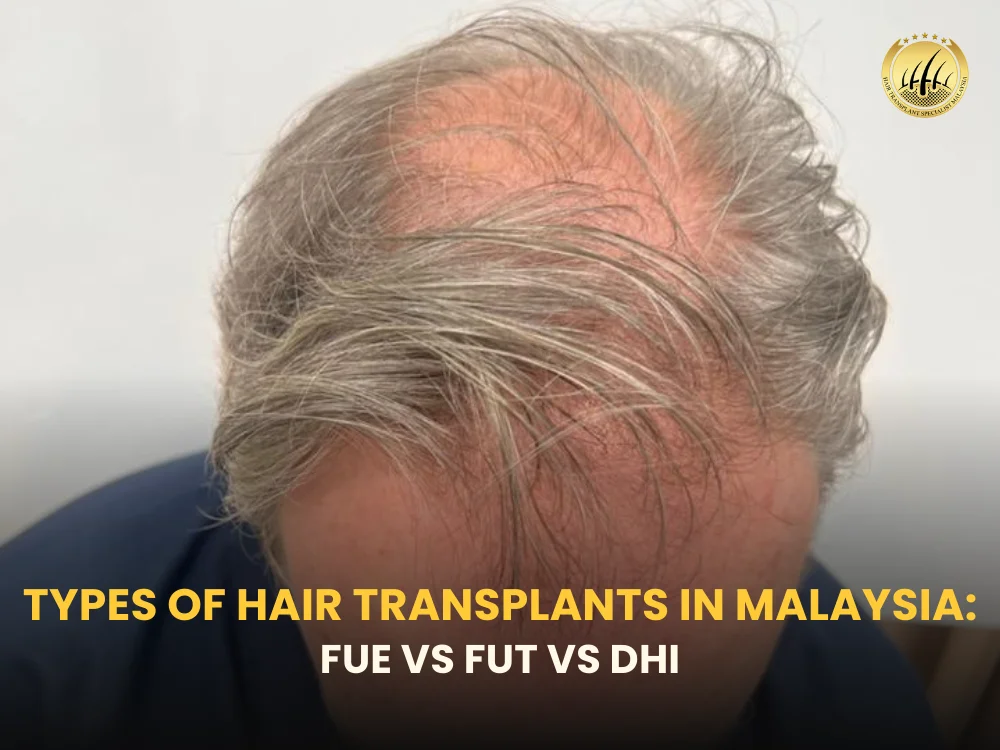
Hair loss can affect confidence at any age. In Malaysia, more men and women are exploring permanent solutions rather than temporary fixes. If you’re researching types of hair transplant, you’ve likely come across three main techniques: FUE, FUT, and DHI. But what exactly are the differences? Which method suits your hair loss pattern? And how do you choose the right clinic? This comprehensive guide breaks down everything you need to know — clearly, realistically, and based on medical standards practiced in Malaysia. Understanding the Types of Hair Transplant Procedures When discussing types of hair transplant, most clinics in Malaysia offer three established surgical methods: Follicular Unit Extraction (FUE) Follicular Unit Transplantation (FUT) Direct Hair Implantation (DHI) All three are based on the same core principle: relocating healthy hair follicles from a donor area (usually the back of the scalp) to thinning or bald areas. The difference lies in how follicles are harvested and implanted. Let’s examine each technique in detail. 1. Follicular Unit Extraction (FUE) Follicular Unit Extraction (FUE) is currently the most popular method in Malaysia. How It Works Individual follicular units are extracted one by one using a micro punch tool (typically 0.7–1.0 mm in diameter). These grafts are then implanted into recipient sites. Advantages No linear scar Faster recovery Minimal discomfort Suitable for short hairstyles Limitations May require shaving donor area Longer surgical time for large sessions Best For Mild to moderate hair loss Patients who prefer minimal scarring Individuals seeking faster downtime FUE is widely used in reputable Malaysian clinics and is considered a gold-standard minimally invasive approach. 2. Follicular Unit Transplantation (FUT) Follicular Unit Transplantation (FUT), also known as the “strip method,” is one of the earliest modern techniques. How It Works A thin strip of scalp is surgically removed from the donor area. The strip is then dissected into individual grafts under a microscope before implantation. Advantages Higher graft yield in one session Often slightly more cost-effective Efficient for advanced baldness Limitations Linear scar at donor site Slightly longer healing time Not ideal for very short hairstyles Best For Advanced hair loss Patients needing large graft numbers Those comfortable with a linear scar While less trendy than FUE, FUT remains clinically effective when performed by experienced surgeons. 3. Direct Hair Implantation (DHI) Direct Hair Implantation (DHI) is often marketed as a premium variation of FUE. How It Works Hair follicles are extracted similarly to FUE. However, implantation is performed using a specialized implanter pen (often called a Choi pen), which allows simultaneous incision and implantation. Advantages Precise angle and direction control Potentially higher graft survival Minimal handling of grafts Limitations Usually higher cost Longer procedure duration Requires highly trained team Best For Hairline design refinement Dense packing in frontal areas Patients prioritizing aesthetic precision Some Malaysian clinics promote DHI aggressively, but outcomes largely depend on surgical expertise rather than branding alone. FUE vs FUT vs DHI: Key Differences Factor FUE FUT DHI Scarring Tiny dot scars Linear scar Tiny dot scars Recovery Faster Slightly longer Similar to FUE Cost Moderate Lower Higher Graft Handling Manual implantation Manual Implanter pen Best For Most patients Large sessions Hairline precision The right choice depends on: Degree of baldness Donor density Budget Hairstyle preference Surgeon’s expertise Who Is a Good Candidate? Types of Hair transplant suitability is not determined by age alone — it depends on medical, genetic, and scalp-related factors. A proper consultation and scalp analysis are essential before deciding on surgery. Here are the main criteria doctors evaluate: 1. Stable Pattern Hair Loss The best candidates typically have stable hair loss, most commonly caused by Androgenetic alopecia (male or female pattern baldness). If hair loss is still rapidly progressing, surgeons may recommend stabilizing it first with medical therapy before performing transplantation. This helps prevent future gaps around transplanted grafts. 2. Adequate Donor Hair Density Hair transplants work by relocating permanent follicles from the donor area (usually the back and sides of the scalp) to thinning zones. Candidates must have: Sufficient donor density Healthy scalp condition Strong hair shaft quality If the donor area is weak or overly miniaturized, surgical options may be limited. 3. Good General Health Patients should be in overall good physical health. Conditions such as uncontrolled diabetes, bleeding disorders, or active scalp infections may affect healing. A medical evaluation ensures: Safe anesthesia tolerance Proper wound healing Lower risk of complications 4. Realistic Expectations Types of Hair transplantation improves density and hairline design — but it does not restore teenage-level thickness. Good candidates understand: Density depends on available grafts Results take 12 months to fully mature Additional sessions may sometimes be required Hair Loss Patterns That Respond Best Men classified under Norwood scale stages 2–6 often benefit most from surgical restoration. These stages represent established hairline recession and crown thinning with a stable donor zone. Women experiencing thinning based on the Ludwig scale — particularly diffuse thinning at the crown with preserved frontal hairline — can also be strong candidates when donor density is adequate. Who May Not Be Suitable? Some individuals may need alternative treatments instead of surgery, including: Patients with active autoimmune scalp diseases Individuals with severe scarring alopecia Those with unrealistic cosmetic expectations Very young patients with unpredictable progression What About Non-Surgical Alternatives? Some patients combine surgery with therapies such as: Platelet-Rich Plasma (PRP) Low-Level Laser Therapy Medications like Minoxidil Combination therapy can enhance graft survival and support long-term hair health. Types of Hair Transplant Cost in Malaysia Costs vary based on: Technique used Number of grafts Clinic reputation Surgeon experience Location (Kuala Lumpur typically higher) Average estimated range: FUE: RM 8,000 – RM 20,000 FUT: RM 6,000 – RM 15,000 DHI: RM 12,000 – RM 25,000 Always prioritize medical credibility over price alone. Types of Hair Transplant Recovery Timeline Overview Understanding the healing process helps patients stay calm and confident after a hair transplant procedure. While individual experiences vary depending on technique (such as FUE or FUT), overall health, and post-operative care, the general recovery pattern follows a predictable
How to Maintain Hair Transplant Results Long-Term
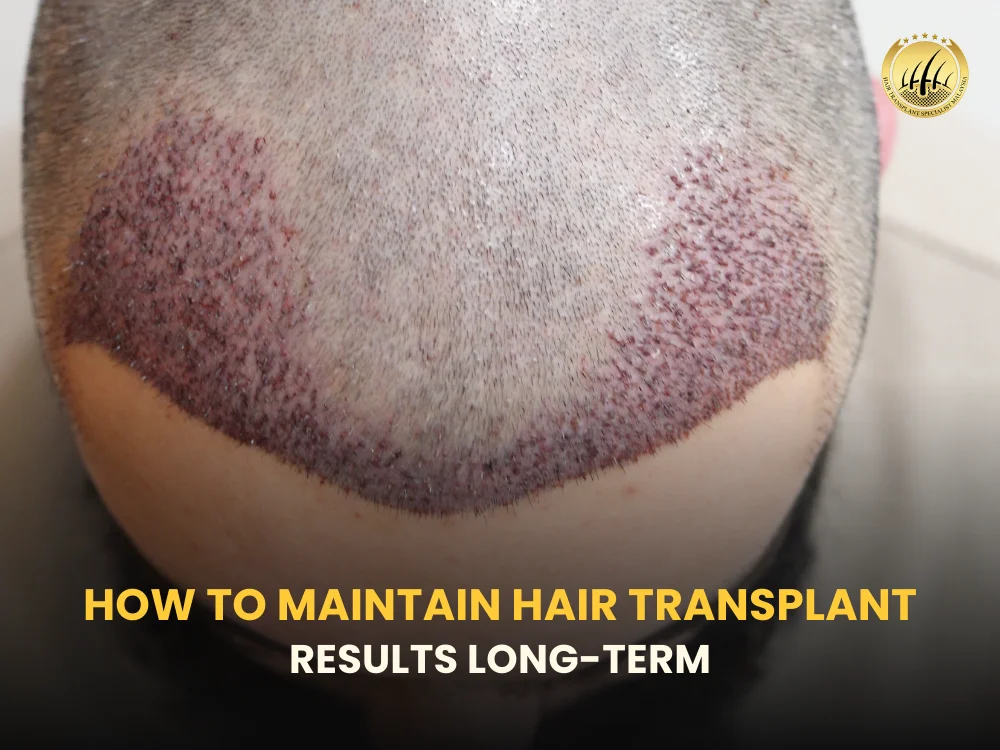
Undergoing a hair transplant is a major milestone — but achieving natural, lasting density doesn’t end after surgery. The real secret to success lies in Hair Transplant Maintenance. While transplanted follicles are typically permanent, surrounding native hair can continue thinning over time. Without proper aftercare and long-term planning, patients may experience uneven density years later. In this guide, we’ll break down exactly how to preserve your results, support healthy regrowth, and protect your investment for the long haul. Why Hair Transplant Maintenance Matters Hair Transplant Maintenance is essential because hair loss is progressive. Even after procedures like Follicular Unit Extraction or Follicular Unit Transplantation, your non-transplanted hair may continue to miniaturize. Hair Transplant Maintenance focuses on: Preserving existing native hair Supporting graft survival Preventing further thinning Enhancing overall scalp health Think of a transplant as planting strong seeds. Hair Transplant Maintenance ensures the soil remains healthy for years to come. Understanding Permanent vs Progressive Hair Loss Transplanted follicles are typically harvested from the “safe donor zone” — areas genetically resistant to DHT (dihydrotestosterone). However: Native hair around transplanted grafts can still thin. Hormonal hair loss (androgenetic alopecia) continues unless medically managed. Aging naturally affects density. Without ongoing support, patients may notice gaps forming behind or around transplanted areas. That’s why long-term strategy matters. First 12 Months: Critical Healing Phase Hair Transplant Maintenance begins immediately after surgery. Month 0–1: Protect the Grafts Follow all washing instructions strictly. Avoid scratching or heavy sweating. Sleep with head elevated during the first week. Month 1–3: Expect Shock Loss Temporary shedding is normal. Avoid panic. This phase is part of natural follicle cycling. Month 4–12: Growth & Thickening Hair gradually thickens. Continue prescribed medications. Attend follow-up appointments. Proper early care influences long-term density. Medication for Long-Term Stability Many doctors recommend medical therapy to prevent further loss. 1. Finasteride An oral DHT-blocker that slows male pattern hair loss. 2. Minoxidil A topical solution that prolongs hair growth phase. These medications support non-transplanted hair, maintaining balance across the scalp. Always consult a qualified physician before starting or stopping medication. Role of PRP in Hair Transplant Maintenance Platelet-Rich Plasma therapy (PRP) is commonly used as a supportive treatment post-transplant. PRP may help: Stimulate dormant follicles Improve hair shaft thickness Strengthen surrounding native hair Improve scalp circulation Some clinics recommend Hair Transplant Maintenance sessions every 6–12 months. While not mandatory, PRP can enhance long-term density stability. Proper Hair Care Routine Hair transplant maintenance also involves everyday care habits. Washing Use mild, sulfate-free shampoo. Avoid harsh chemical treatments early on. Do not aggressively rub the scalp. Styling Minimize heat styling. Avoid tight hairstyles that cause traction. Limit strong chemical bleaching. Healthy follicles thrive in low-inflammation environments. Nutrition & Lifestyle Factors Hair health reflects overall wellness. Support long-term results with: Adequate protein intake Iron and zinc balance Vitamin D optimization Hydration Stress management Chronic stress elevates cortisol, which may affect hair cycles. Regular exercise improves blood circulation to the scalp. Hair Transplant Maintenance isn’t just topical — it’s systemic. Scalp Health Is Key Conditions like seborrheic dermatitis or chronic inflammation can impact growth. Consider periodic scalp assessments with: A dermatologist A hair restoration physician Professional organizations such as the International Society of Hair Restoration Surgery emphasize long-term follow-up as part of responsible hair restoration planning. Early detection of thinning allows proactive intervention. When Is a Second Transplant Needed? Some patients may require additional procedures years later due to progressive hair loss. Reasons include: Advanced genetic thinning Large original balding area Aging-related density reduction However, good Hair Transplant Maintenance often delays or reduces the need for additional surgery. The goal is strategic planning — not reactive correction. Common Mistakes That Shorten Results While transplanted grafts are designed to be long-lasting, certain habits and decisions can compromise your overall outcome. A hair transplant is not just a one-day procedure — it’s a long-term commitment to scalp health and maintenance. Here are the most common mistakes that can shorten or weaken your results: ❌ Stopping Medication Too Early Many patients discontinue medications like minoxidil or finasteride once they see visible improvement. However, these treatments are often prescribed to protect existing native hair, not the transplanted grafts. Stopping too soon can lead to continued thinning in untreated areas, creating uneven density over time. Always consult your doctor before making changes to your treatment plan. ❌ Ignoring Ongoing Thinning A hair transplant does not stop the natural progression of androgenetic alopecia. If surrounding hair continues to miniaturize and thin, the contrast between transplanted and non-transplanted areas may become noticeable. Regular scalp assessments help detect early signs of progression so preventive treatments can be adjusted accordingly. ❌ Skipping Follow-Up Visits Post-operative reviews are not optional — they’re essential. During follow-ups, your doctor evaluates: Graft survival rate Growth progress Signs of inflammation or scarring Ongoing hair loss patterns Missing these appointments may delay early intervention if issues arise. ❌ Smoking Excessively Smoking reduces blood circulation to the scalp, limiting oxygen and nutrient delivery to hair follicles. Poor vascular supply can negatively affect healing and long-term graft health. Patients who smoke heavily may experience slower recovery and potentially reduced overall hair quality. Reducing or quitting smoking supports better long-term outcomes. ❌ Choosing Unverified Supplements The supplement market is saturated with products promising “miracle” hair growth. Many are not clinically tested and may contain inconsistent dosages or unnecessary additives. Instead of self-prescribing, choose medically recommended supplements based on lab testing and professional guidance. Nutrients like iron, vitamin D, zinc, and biotin should only be taken if deficiencies are confirmed. Psychological Aspect of Long-Term Care Hair restoration is emotional. After achieving growth at 12 months, some patients: Become complacent Stop follow-ups Assume hair loss is “cured” But maintenance mindset ensures sustained confidence. Hair transplantation treats visible thinning — maintenance protects the future. How Long Do Hair Transplant Results Last? One of the most common questions patients ask is whether a hair transplant is truly permanent. The good news is that transplanted hair is generally long-lasting and often permanent. This is
Non-Surgical Hair Loss Treatments in Malaysia
Hair loss is no longer a concern limited to aging men. In Malaysia, both men and women are increasingly seeking early solutions for thinning hair, receding hairlines, and excessive shedding. While hair transplant surgery remains a popular option, many individuals prefer less invasive alternatives. That’s where non-surgical hair loss treatments come in. These modern medical and aesthetic solutions aim to slow hair loss, stimulate regrowth, and improve scalp health—without incisions or downtime. In this comprehensive guide, we’ll explore the most effective non-surgical options available in Malaysia, how they work, who they are suitable for, and what results you can realistically expect. What Are Non-Surgical Hair Loss Treatments? Non-surgical hair loss treatments refer to medical or aesthetic procedures designed to manage hair thinning without surgical intervention. In Malaysia, non-surgical hair loss treatments are widely offered by dermatology clinics, aesthetic centers, and hair restoration specialists. These treatments typically focus on: Stimulating dormant hair follicles Improving blood circulation to the scalp Reducing inflammation Blocking hormones linked to hair thinning (such as DHT) Strengthening existing hair strands They are ideal for individuals experiencing early-stage androgenetic alopecia, telogen effluvium, postpartum hair loss, or stress-related shedding. Why Malaysians Are Choosing Non-Surgical Options There is a growing demand for non-invasive aesthetic treatments across Malaysia, particularly in cities like Kuala Lumpur, Petaling Jaya, Penang, and Johor Bahru. Here’s why: Minimal downtime Lower upfront cost compared to transplant surgery Suitable for early hair thinning No scarring Gradual, natural-looking improvement Many patients prefer trying medical therapies first before considering a surgical procedure. Common Causes of Hair Loss in Malaysia Before choosing the right treatment, understanding the root cause of hair loss is essential. In Malaysia’s tropical climate — combined with lifestyle, dietary habits, and medical factors — several triggers are commonly seen in both men and women. Here’s a deeper look at the most frequent causes: 1. Androgenetic Alopecia (Male & Female Pattern Hair Loss) This is the most common cause of hair loss worldwide, including in Malaysia. Also known as hereditary hair loss, it is influenced by genetics and sensitivity to the hormone dihydrotestosterone (DHT). In men, it typically appears as a receding hairline or thinning crown. In women, it presents as diffuse thinning along the part line. This condition progresses gradually and often requires long-term management. 2. Hormonal Imbalance Hormonal fluctuations can disrupt the natural hair growth cycle. Common triggers include: Pregnancy and postpartum changes Polycystic ovary syndrome (PCOS) Menopause Testosterone imbalances When hormones shift, hair may enter the shedding phase prematurely, leading to noticeable thinning. 3. Thyroid Disorders Both hypothyroidism and hyperthyroidism can contribute to hair thinning. The thyroid gland regulates metabolism, and when it is underactive or overactive, it can interfere with follicle function. Hair loss from thyroid conditions is usually diffuse (overall thinning) rather than patterned. 4. Nutritional Deficiencies Hair follicles require proper nutrients to grow strong, healthy strands. Deficiencies commonly seen include: Iron deficiency (especially in women) Vitamin D deficiency Zinc deficiency Low protein intake Crash dieting, poor dietary habits, or digestive absorption issues can worsen this problem. 5. Stress and Lifestyle Factors Chronic stress — whether physical or emotional — can trigger a condition called telogen effluvium, where more hairs than usual enter the shedding phase. Contributing factors include: Work pressure Lack of sleep Smoking Poor scalp hygiene Environmental pollution Malaysia’s humid weather can also contribute to scalp oil imbalance, potentially worsening existing hair conditions. 6. Post-COVID Hair Shedding After recovering from COVID-19, many patients report excessive shedding 2–3 months later. This is typically temporary and linked to systemic stress on the body. The good news: in most cases, hair regrows once the body stabilizes. 7. Chemical Hair Damage Frequent bleaching, rebonding, perming, or harsh chemical treatments can weaken hair shafts and irritate the scalp. While this does not always damage the follicle permanently, repeated trauma may lead to thinning over time. Top Non-Surgical Hair Loss Treatments in Malaysia Let’s explore the most popular and evidence-based options. 1. PRP Therapy (Platelet-Rich Plasma) PRP therapy is one of the most sought-after treatments in Malaysia. How it works:A small amount of your blood is drawn, processed to concentrate platelets, and injected into the scalp. Platelets release growth factors that stimulate hair follicles and improve blood supply. Best for: Early hair thinning Diffuse hair loss Postpartum shedding Benefits: Uses your body’s natural growth factors Minimal risk No surgical scars Most patients require 3–4 sessions spaced one month apart, followed by maintenance sessions. 2. Low-Level Laser Therapy (LLLT) Low-Level Laser Therapy uses red light wavelengths to stimulate hair follicles at the cellular level. Available in Malaysia as: In-clinic laser dome sessions FDA-cleared laser caps for home use How it helps: Improves cellular energy production (ATP) Enhances blood circulation Reduces scalp inflammation LLLT is painless and suitable for both men and women with mild to moderate hair thinning. 3. Hair Growth Medications (Minoxidil & Finasteride) Medical therapy remains a cornerstone of non-surgical management. Minoxidil (Topical or Oral) Widely used in Malaysia Stimulates hair growth cycle Suitable for men and women Finasteride (Oral) Primarily prescribed for men Reduces DHT levels Slows male pattern baldness Women may be prescribed alternative hormonal treatments under medical supervision. Consistency is key. Stopping medication may reverse progress. 4. Hair Fillers & Scalp Boosters Hair fillers are injectable formulations containing peptides, hyaluronic acid, vitamins, and biomimetic growth factors. In Malaysia, these are offered in aesthetic clinics as: Peptide scalp therapy Hair mesotherapy Growth factor scalp injections They aim to: Improve follicle nourishment Strengthen weak hair shafts Enhance scalp hydration Often combined with PRP for better results. 5. Microneedling for Hair Growth Microneedling creates tiny micro-injuries in the scalp, triggering natural healing processes and collagen production. Benefits include: Increased absorption of topical solutions Enhanced follicle stimulation Improved scalp circulation It is commonly paired with growth serums or PRP therapy. 6. Exosome Therapy (Emerging Treatment) Exosome therapy is gaining attention in advanced aesthetic centers. Exosomes are extracellular vesicles that promote tissue repair and cellular communication. Although promising, patients should ensure treatments are performed in licensed medical
Low-Level Laser Therapy (LLLT) for Hair Regrowth in Malaysia
If you’ve been looking for a way to fight thinning hair without the “pill fatigue” or the fear of a surgical blade, you’ve likely stumbled upon Low-Level Laser Therapy (LLLT). In Malaysia, where the humidity and heat can make oily scalps a nightmare for hair health, LLLT has become a go-to “lunchtime” treatment in KL clinics. It’s sleek, it’s high-tech, and it feels more like a spa day than a medical procedure. But can a “cold laser” really wake up your follicles? Let’s dive into the science of the red light. Hair Transplant Malaysia Centre offers Low-Level Laser Therapy (LLLT) to stimulate hair follicles, reduce thinning, and promote natural hair regrowth safely, non-invasively, and with long-lasting results. What Is Low-Level Laser Therapy (LLLT)? Definition and How LLLT Works LLLT, often called “red light therapy” or “photobiomodulation,” uses medical-grade lasers to emit photons into your scalp tissues. Unlike high-power surgical lasers that cut through skin, these are “cold” lasers. They don’t burn; they heal. Mechanism: Stimulating Hair Follicles and Blood Flow Think of LLLT as “photosynthesis for your head.” The light particles are absorbed by weak cells, boosting the production of ATP (Adenosine Triphosphate)—the energy currency of your cells. According to research on the mechanism of LLLT, this process triggers vasodilation, increasing blood flow to the roots and pushing dormant follicles back into the Anagen (growth) phase. Difference Between LLLT and Other Hair Loss Treatments While Minoxidil is a chemical vasodilator and Finasteride is a hormone blocker, LLLT is a purely physical bio-stimulator. It doesn’t mess with your hormones or leave a sticky residue on your scalp. This makes it a popular choice for those wanting a “cleaner” approach to hair restoration. Benefits of LLLT for Hair Loss Slowing Hair Thinning and Shedding One of the first things users in Malaysia notice isn’t necessarily a “jungle” of new growth, but a significant decrease in daily shedding. By strengthening the hair’s grip in the follicle, LLLT stabilizes existing hair. Promoting Hair Regrowth and Density Clinical studies highlighted by the National Institutes of Health show that LLLT can lead to a statistically significant increase in both hair count and hair diameter, meaning your hair doesn’t just grow back—it grows back thicker. Safe and Non-Invasive Treatment Option No needles, no scars, and no downtime. You can have a session and head straight to your next meeting or a makan session at a mamak shop without anyone knowing you’ve just had a medical treatment. Who Can Benefit From LLLT Male Pattern Baldness (Androgenetic Alopecia) For men, LLLT is excellent for the early stages of thinning (Norwood 1 to 3). It works best when follicles are still alive but “miniaturized.” Female Hair Thinning and Diffuse Hair Loss Women often prefer LLLT because it avoids the hormonal side effects associated with certain oral medications. It’s particularly effective for female pattern hair loss and postpartum thinning. Patients Unsuitable for Surgery or Medications If you have sensitive skin that reacts to topical solutions or health conditions that prevent you from taking oral blockers, LLLT provides a safe, drug-free alternative. LLLT Devices and Treatment Options in Malaysia In-Clinic LLLT Devices These are large, hood-like panels (like the Healite II) found in aesthetic clinics in areas like Bangsar or Subang Jaya. They are significantly more powerful than home units and cover the entire scalp uniformly. At-Home Laser Caps, Combs, and Helmets Brands like Capillus or HairMax allow you to treat your scalp while watching Netflix. While convenient, they require a higher level of personal discipline to see results. Comparing Device Effectiveness and Safety In-clinic sessions are “pro-grade” and usually supervised by a doctor. At-home devices are “maintenance-grade.” A clinical review by Examine.com notes that while both show results, consistency is the biggest factor in success. LLLT Treatment Procedure How a Typical LLLT Session Works You sit comfortably under a laser hood for 15 to 25 minutes. You won’t feel anything except perhaps a very slight, pleasant warmth. It’s the perfect time to catch up on emails or a podcast. Recommended Frequency and Duration of Treatments Initial Phase: 2 to 3 sessions per week for the first 3 to 6 months. Maintenance Phase: Once a week or once every two weeks to keep the follicles stimulated. Combining LLLT With Other Hair Loss Solutions LLLT is a “team player.” Many Malaysian dermatologists recommend a “Triple Threat” protocol: Finasteride (to stop the loss), Minoxidil (to feed the hair), and LLLT (to energize the growth). Cost of LLLT in Malaysia Average Price for Clinic Sessions A single session in a KL clinic can range from RM200 to RM400. Many clinics offer packages of 10 to 20 sessions that significantly lower the per-session cost. Cost of At-Home Devices FDA-cleared laser caps can be an investment, ranging from RM2,000 to RM5,000. While pricey upfront, they often pay for themselves over a year compared to clinic visits. Factors That Influence Pricing The technology brand (e.g., iGrow vs. Revian) and whether the clinic includes complimentary scalp detox treatments or hair serums will influence the final bill. Safety and Side Effects of LLLT Common Side Effects (Minimal or None) LLLT has an incredibly high safety profile. Occasionally, users report temporary “shedding” in the first month as old hairs are pushed out by new growth, or very mild scalp itching. Precautions for Sensitive Scalp or Medical Conditions If you have a history of skin cancer on the scalp or are photosensitive due to certain medications, you should skip the laser. According to the Mayo Clinic, while LLLT is different from hair removal lasers, consulting a professional is always the safest move. How to Ensure Safe Use in Malaysia Only use devices that are FDA-cleared or registered with the Medical Device Authority (MDA) Malaysia. Avoid “cheap” LED-only caps from unverified online sellers that mimic the look of lasers but lack the therapeutic power. Frequently Asked Questions How Long Before I See Results? Most people notice reduced shedding in 2 months and visible thickening in 4 to 6 months. Can LLLT Be
Minoxidil: Promote Hair Regrowth and Reduce Thinning in Malaysia
Waking up to a “clogged” shower drain is a universal Malaysian nightmare. Whether you’re blaming the humidity, the stress of the LDP traffic, or just bad luck, minoxidil has likely popped up in your search for a solution. In Malaysia, where aesthetic clinics are booming and pharmacies like Alpro and Watson’s are on every corner, this topical wonder is the first line of defense against the “thinning” look. But before you start spraying, let’s break down how to actually use it without the guesswork. What Is Minoxidil? Definition and History of Minoxidil Believe it or not, minoxidil started its life in the 1970s as an oral tablet for high blood pressure. Doctors soon noticed an “odd” side effect: patients were growing hair in unexpected places. By the late 80s, the U.S. Food and Drug Administration approved it as a topical treatment for balding, transforming a heart medication into a global hair restoration icon. How Minoxidil Works to Stimulate Hair Growth Minoxidil is a peripheral vasodilator. It works by widening the blood vessels in your scalp, which essentially “reopens the tap” for oxygen and nutrients to reach your hair follicles. It also extends the Anagen phase (the growth phase) of your hair, ensuring strands grow longer and thicker before they naturally shed. Differences Between Minoxidil and Other Hair Loss Treatments While drugs like Finasteride act as a “shield” by blocking the DHT hormone, minoxidil acts as the “fertilizer.” It doesn’t fix the hormonal cause of hair loss, but it creates the ultimate environment for growth. This is why many Malaysian specialists recommend using both together. Uses of Minoxidil Treating Male Pattern Baldness (Androgenetic Alopecia) For men, minoxidil is a staple for treating the “M-shaped” receding hairline or the thinning spot at the crown. It is most effective when used early, before the follicle has completely scarred over. Treating Female Hair Thinning Women often notice a widening “parting line” rather than total baldness. The American Academy of Dermatology confirms that minoxidil is the only FDA-approved topical treatment for female pattern hair loss, helping millions of women regain hair density. Off-Label Uses and Emerging Applications In Malaysia, many men use minoxidil off-label to fill in patchy beards—a trend often called the “Minox Beard” journey. Additionally, low-dose oral minoxidil is gaining popularity in local clinics as a more convenient alternative to daily topical application. How to Use Minoxidil Recommended Dosage and Application Guidelines 5% Concentration: The standard for men, used twice daily. 2% Concentration: Often recommended for women to avoid unwanted facial hair growth, though many women now use 5% once daily. Forms Available (Topical Solution, Foam, Spray) Solution: Usually comes with a dropper. It’s effective but can be greasy for those with oily scalps. Foam: Dries much faster and is less likely to irritate the skin because it often lacks propylene glycol. Spray: Popular in Malaysia for ease of use, allowing you to target specific areas like the temples quickly. Duration for Visible Results Hair grows at about 1cm per month. You’ll need to be consistent for at least 3 to 6 months to see a visible change. Peak results usually hit at the one-year mark. Tips for Maximizing Effectiveness Apply it to a clean, dry scalp—not just the hair. If you apply it to wet hair, the water can dilute the formula. Also, leave it on for at least 4 hours before washing your hair or going for a swim in our tropical heat. Benefits of Minoxidil Slowing Progression: It helps keep the hair you currently have from checking out early. Stimulating Regrowth: It can “reboot” dormant follicles that have stopped producing hair. Improving Density: Even if it doesn’t grow new hair, it thickens existing strands, making your scalp look fuller. Side Effects and Safety Considerations Common Side Effects You might experience minor scalp irritation, itching, or redness. One strange but normal side effect is temporary shedding in the first few weeks. Don’t panic—this is just the old, weak hairs making way for new, stronger ones. Rare but Serious Side Effects In very rare cases, topical minoxidil can be absorbed into the bloodstream, causing a rapid heartbeat, dizziness, or swelling of the hands and feet. If you feel “heart palpitations,” stop use immediately. Precautions for Men, Women, and Pregnant Patients According to the Mayo Clinic, minoxidil should be avoided during pregnancy or while breastfeeding. Combining Minoxidil With Other Hair Loss Treatments Finasteride/Dutasteride: This “combo” attacks hair loss from two angles: hormone blocking and growth stimulation. PRP Therapy: Getting Platelet-Rich Plasma injections in a KL clinic can “supercharge” the results of your daily minoxidil routine. LLLT (Laser Therapy): Using a laser cap can improve cellular energy, making the scalp more receptive to minoxidil. Cost of Minoxidil in Malaysia Average Price for Different Strengths and Brands Generic (e.g., Vello-5, Regro): RM60 – RM90 per 60ml bottle. Premium (e.g., Rogaine/Regaine): RM120 – RM180 per bottle. Factors That Affect Pricing Foam versions are generally more expensive than liquid solutions. Buying in 3-month or 6-month value packs from pharmacies usually saves you about 15%. Where to Buy Minoxidil Safely in Malaysia Stick to reputable pharmacies like Alpro, Caring, or Watson’s. Be cautious when buying from unverified sellers on Shopee or Lazada, as counterfeit minoxidil is a known issue. Frequently Asked Questions How Long Before Minoxidil Shows Results? Usually 4 months for initial fuzz and 12 months for the full effect. Can Women Use Minoxidil Safely? Yes! It is highly effective for women, though they should be careful not to let the product drip onto the face to avoid unwanted facial hair. Will Hair Fall Out After Stopping Minoxidil? Yes. According to WebMD, any hair gained via minoxidil is “dependent” on the drug. If you stop, you will likely return to your original hair loss pattern within 3 to 4 months. Can Minoxidil Be Combined With Hair Transplant? Most surgeons in Malaysia recommend using it after the scabs have healed to help maintain the non-transplanted hair and boost the growth of the new grafts. Are There Natural