How Many Grafts Do I Need for Hair Transplant in Malaysia?
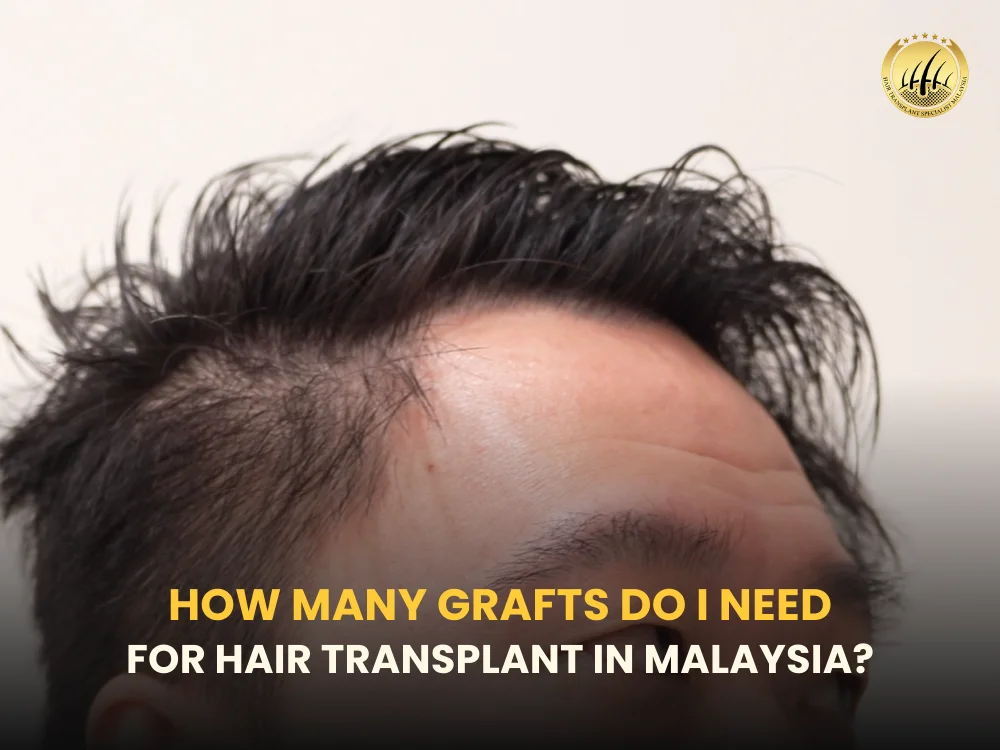
Hair loss affects many men and women, and one of the most common questions patients ask before surgery is: how many grafts hair transplant procedures actually require. The number of grafts plays a major role in determining the final density, cost, and overall results. In Malaysia, hair transplant procedures are typically performed using modern techniques such as Follicular Unit Extraction (FUE). Each patient requires a different number of grafts depending on their hair loss pattern, donor hair availability, and desired coverage. This guide explains how grafts are calculated, typical graft requirements, and what patients in Malaysia should expect during a hair restoration consultation. Understanding How Many Grafts Hair Transplant Procedures Require When discussing how many grafts hair transplant surgery needs, it is important to understand what a graft actually is. A hair graft is a naturally occurring group of hair follicles taken from the donor area, usually the back or sides of the scalp. Each graft may contain 1 to 4 hair follicles. For example: 1 graft = 1–4 hairs 2,000 grafts ≈ 4,000–5,000 hairs (on average) During a hair transplant procedure such as Follicular Unit Extraction, surgeons carefully extract these follicular units and implant them into thinning or bald areas. The goal is to recreate natural hair growth patterns and restore hair density. Factors That Determine How Many Grafts You Need There is no universal number that applies to everyone. Doctors calculate graft requirements based on several factors. 1. Hair Loss Pattern Hair loss severity is often measured using the Norwood Scale, which classifies male pattern baldness into different stages. Typical graft estimates by stage: Norwood Stage Hair Loss Pattern Approximate Grafts Needed Norwood 2 Mild recession 800–1,200 grafts Norwood 3 Deeper temple recession 1,200–1,800 grafts Norwood 4 Receding hairline + crown thinning 2,000–3,000 grafts Norwood 5 Larger bald areas 3,000–4,000 grafts Norwood 6 Extensive baldness 4,000–5,000+ grafts Women may experience different hair loss patterns commonly linked to Female Pattern Hair Loss. 2. Size of the Bald Area The surface area that requires coverage significantly affects graft numbers. Example estimates: Hairline restoration: 1,000–1,500 grafts Crown restoration: 1,500–2,500 grafts Full top scalp restoration: 3,500–5,000 grafts The larger the bald region, the more grafts are needed to achieve natural coverage. 3. Desired Hair Density Patients who want thicker hair will require more grafts per square centimeter. Typical density targets: Natural density: 40–60 grafts/cm² Moderate cosmetic density: 30–40 grafts/cm² Many surgeons intentionally implant lower densities in the first session to preserve donor hair for future procedures. 4. Donor Hair Availability The donor area at the back of the scalp determines how many grafts can safely be harvested. Most patients have 4,000 to 7,000 lifetime grafts available without causing visible thinning in the donor region. The condition is commonly related to Androgenetic Alopecia, which typically spares hair at the back and sides of the scalp. 5. Hair Characteristics Hair properties can significantly influence graft requirements. Factors include: Hair thickness Curliness Hair color contrast with skin Hair shaft diameter For example: Thicker or curly hair provides better coverage. Fine straight hair may require more grafts for similar density. Typical Graft Numbers for Common Hair Transplant Goals Here are rough graft estimates for common procedures performed in Malaysian clinics. Hairline Restoration Patients with mild recession often need: 1,000 – 1,500 grafts This procedure focuses on rebuilding the frontal hairline while maintaining a natural shape. Hairline + Mid-Scalp Patients experiencing moderate hair loss may require: 2,000 – 3,000 grafts This provides coverage across the frontal region and middle scalp. Hairline + Crown Patients with more advanced hair loss may need: 3,000 – 4,500 grafts This typically requires a full-day surgical session or sometimes two procedures. Advanced Hair Loss Severe baldness cases may require: 4,500 – 6,000+ grafts Some patients complete this through multiple hair transplant sessions to maintain donor safety. How Surgeons Calculate Hair Grafts Hair transplant surgeons use several tools and methods to determine graft requirements. Scalp Analysis During consultation, doctors examine: Hair density in the donor area Hair thickness Hair loss pattern Digital Mapping Many clinics use trichoscopy or digital scalp imaging to calculate follicular density. One commonly used diagnostic tool is Trichoscopy, which magnifies hair follicles and scalp structures. Scalp Measurement Doctors estimate the number of grafts needed based on: Area size in cm² Target density For example: Bald area: 50 cm² Target density: 35 grafts/cm² Estimated grafts required: ≈ 1,750 grafts Hair Transplant Techniques Used in Malaysia Several techniques are available for hair restoration. Follicular Unit Extraction (FUE) The most common method today is Follicular Unit Extraction. Benefits include: No linear scar Faster healing Natural-looking results Minimal downtime Individual grafts are extracted using a micro-punch tool. Follicular Unit Transplantation (FUT) Another method is Follicular Unit Transplantation. This technique involves removing a strip of scalp from the donor area. Advantages may include: Higher graft yield Suitable for large sessions However, it leaves a linear scar on the scalp. Can One Session Achieve Full Coverage? In many cases, one procedure is enough, especially for mild or moderate hair loss. However, patients with extensive baldness may need two or more sessions. Reasons include: Limited donor graft supply Scalp blood circulation limits Natural density planning Doctors often prioritize the hairline and frontal scalp first, since these areas frame the face and provide the greatest cosmetic improvement. What Happens if Too Many Grafts Are Taken? Harvesting excessive grafts may cause: Donor area thinning Patchy appearance Reduced future transplant options Experienced surgeons carefully balance: Coverage goals Donor preservation Long-term hair loss progression Hair loss is progressive, especially with Male Pattern Baldness, so planning for future hair loss is important. Do More Grafts Always Mean Better Results? Not necessarily. The quality of placement and design often matters more than the total graft count. Important factors include: Hairline design Graft survival rate Implantation angle Natural hair direction A skilled surgeon can create excellent results even with moderate graft numbers. Hair Transplant Consultation in Malaysia Before undergoing a hair restoration procedure, most clinics in Malaysia provide a detailed consultation to
Hair Transplant Scar Repair Malaysia — FUE Correction for Linear & Plug Scars
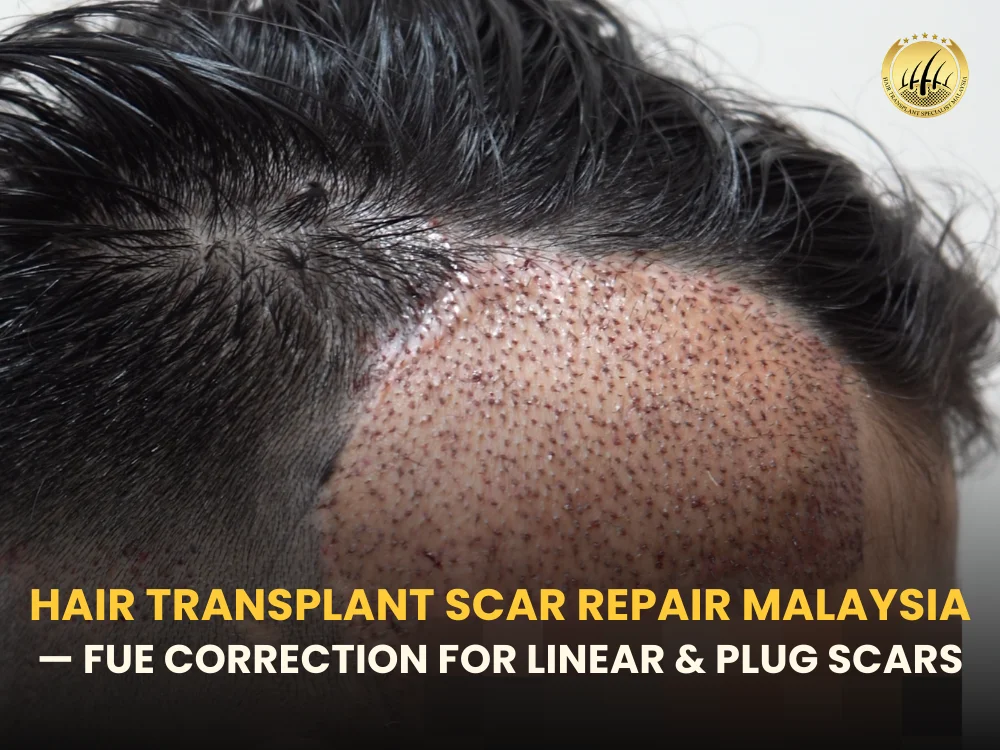
Hair transplant procedures can restore hair and confidence, but older techniques sometimes left visible scars on the scalp. Fortunately, modern solutions now allow doctors to improve the appearance of these scars. One increasingly popular option is hair transplant scar repair, which uses advanced hair restoration techniques to camouflage or reduce visible scarring. For patients in Malaysia who previously underwent older transplant procedures or experienced surgical scarring, scar repair treatments can help restore a more natural-looking hairline and scalp. Understanding Hair Transplant Scar Repair Hair transplant scar repair refers to medical procedures designed to reduce the visibility of scars left behind by previous hair restoration surgeries. These scars may result from older methods like Follicular Unit Transplantation (FUT) or early plug-style hair transplants. Modern clinics in Malaysia often use Follicular Unit Extraction (FUE) to correct or camouflage these scars by implanting healthy hair follicles directly into the scar tissue. The goal is not necessarily to completely remove the scar, but to blend it with surrounding hair so it becomes much less noticeable. Why Do Hair Transplant Scars Occur? Hair transplant scars usually develop after surgical procedures that involve removing a strip of scalp or placing large grafts. Linear Scars Linear scars typically appear after Follicular Unit Transplantation procedures, where a strip of scalp is removed from the donor area. Although surgeons close the incision carefully, some patients may still develop visible scars at the back of the head. Plug Scars Plug scars are small circular scars caused by older hair transplant methods used decades ago. These procedures often used large grafts that created unnatural-looking clusters of hair. Many patients today seek correction using modern techniques like Follicular Unit Extraction. Poor Healing or Scar Tissue Some individuals naturally form thicker scars due to genetics or healing responses. Factors that may increase scar visibility include: Tight scalp closure during surgery Infection or wound complications Genetic tendency to develop thicker scars How FUE Can Repair Hair Transplant Scars One of the most effective treatments today for scar correction is Follicular Unit Extraction. Instead of removing a strip of scalp, FUE extracts individual hair follicles from the donor area and implants them into the scar tissue. How It Works The process involves: Extracting healthy follicles individually Carefully placing them into the scar area Allowing new hair to grow through the scar tissue As the transplanted hair grows, it helps camouflage the scar and restore natural hair coverage. Types of Scars That Can Be Treated Hair transplant scar repair can address several types of scarring. FUT Linear Scar Repair The most common repair procedure involves filling in a long scar caused by previous strip surgery. Doctors implant follicles along the scar line to reduce its visibility. Plug Hair Transplant Correction Older “plug” transplants often created unnatural hair patterns. Repair may involve: Removing old grafts Redistributing follicles Performing FUE to restore natural density Trauma or Surgical Scalp Scars Hair transplant techniques may also help camouflage scars from injuries or previous scalp surgeries. However, the success rate depends on the condition of the scar tissue. Is Hair Transplant Scar Repair Effective? Hair transplant scar repair can be an effective solution for improving the appearance of visible scars on the scalp. Many patients who have undergone previous hair transplant procedures—particularly older strip techniques—may develop noticeable linear scars or patchy areas where hair no longer grows. Scar repair treatments aim to restore hair coverage and blend the scar with the surrounding scalp. The effectiveness of scar repair largely depends on several individual factors. These include: Size and thickness of the scar: Larger or thicker scars may require more grafts or multiple sessions to achieve optimal coverage. Blood supply in the scar tissue: Scar tissue sometimes has reduced blood circulation, which can affect how well transplanted grafts survive. Hair density in the donor area: Adequate donor hair is essential to provide enough grafts for natural-looking coverage. Skill and experience of the surgeon: Precise graft placement and careful handling of scar tissue are crucial for achieving good results. Although scar repair cannot completely erase a scar, a well-performed procedure can make it much less visible. By strategically implanting hair grafts into the scarred area, surgeons can help the hair grow through the scar tissue, allowing it to blend more naturally with surrounding hair. In many cases, patients notice a significant cosmetic improvement, making the scar far less noticeable—even with shorter hairstyles. Some individuals may benefit from combining hair transplantation with other treatments, such as scalp micropigmentation (SMP) or laser therapy, to further enhance the final appearance. What Happens During the Procedure? A hair transplant scar repair procedure usually follows a process similar to a standard hair transplant. Step 1: Consultation The doctor evaluates the scar type, scalp condition, and donor hair availability. Step 2: Donor Hair Extraction Using Follicular Unit Extraction, individual follicles are removed from the donor area. Step 3: Graft Implantation Hair follicles are implanted into the scar tissue using precise angles and spacing. Step 4: Recovery The treated area heals within a few days, while hair growth begins gradually over several months. Hair Growth Timeline After Scar Repair Hair growth after scar repair follows a similar pattern to regular hair transplantation. Typical timeline: First 2–4 weeks Some transplanted hairs may shed as part of the natural growth cycle. 3–4 months New hair growth begins to appear. 6–12 months Hair becomes thicker and blends with surrounding hair. Full results are usually visible within a year. Other Treatments That May Improve Scar Appearance In addition to hair transplantation, some clinics may recommend combining other treatments to further improve the appearance of hair transplant scars. These complementary procedures can enhance the cosmetic outcome by addressing different aspects of scar tissue, such as texture, color, and overall visibility. Some commonly used options include: Scalp Micropigmentation (SMP)Scalp Micropigmentation is a non-surgical treatment that uses specialized pigments to create the appearance of tiny hair follicles on the scalp. When applied around or within scar tissue, SMP can help camouflage visible scars and make them
Hair Transplant EPF Withdrawal Malaysia — Can You Use It to Pay?
Hair loss affects confidence, appearance, and emotional wellbeing. In Malaysia, many people consider hair transplant procedures as a long-term solution. However, the cost can be a major concern. Because of this, many patients ask the same question: can you use EPF to pay for a hair transplant? This article explains everything you need to know about hair transplant EPF withdrawal in Malaysia, including eligibility, rules, and alternative payment options. Understanding Hair Transplant EPF Withdrawal in Malaysia Many Malaysians search for hair transplant EPF withdrawal options when planning aesthetic or medical treatments. The Employees Provident Fund, also known as Kumpulan Wang Simpanan Pekerja (KWSP), allows withdrawals from Account 2 for certain healthcare treatments. However, not all procedures are eligible. In general, EPF medical withdrawals are approved only for treatments classified as medically necessary rather than cosmetic. This distinction is important when evaluating whether hair transplant procedures qualify. What Is a Hair Transplant? A hair transplant is a surgical procedure that moves healthy hair follicles from a donor area (usually the back of the scalp) to areas experiencing thinning or baldness. Two of the most widely used modern techniques include: 1. Follicular Unit Extraction (FUE) The Follicular Unit Extraction method involves extracting individual follicular units and implanting them into balding areas. It is minimally invasive and leaves tiny dot scars. 2. Direct Hair Implantation (DHI) The Direct Hair Implantation technique uses a specialized implantation pen to insert follicles directly into the scalp, offering high precision and natural hairline design. Both techniques are commonly offered by aesthetic clinics across Malaysia and internationally. Does EPF Allow Hair Transplant EPF Withdrawal? In most situations, hair transplant EPF withdrawal is not approved. The Employees Provident Fund typically approves medical withdrawals for treatments such as: Major surgeries Critical illnesses Medical equipment Fertility treatments Certain dental or reconstructive procedures Hair transplantation is usually categorized under cosmetic or aesthetic treatment, which means it generally does not qualify for EPF medical withdrawal. However, there are rare exceptions depending on medical circumstances. When Could Hair Transplant EPF Withdrawal Potentially Be Considered Medical? Although uncommon, a hair transplant may be considered medically justified in specific situations. These include: Severe Scalp Trauma Hair loss caused by accidents, burns, or injuries may require reconstructive treatment. Medical Conditions Certain medical conditions like Alopecia Areata or Cicatricial Alopecia could lead doctors to recommend surgical hair restoration. Post-Surgical Reconstruction Hair transplant may be part of reconstructive surgery following medical treatment or trauma. Even in these cases, Hair Transplant EPF Withdrawal approval is not guaranteed, as the final decision depends on the Employees Provident Fund evaluation. EPF Medical Withdrawal Requirements If a treatment qualifies under EPF medical withdrawal rules, several documents are usually required. Typical requirements include: Medical report from a specialist Treatment recommendation letter Hospital or clinic quotation Patient identification documents EPF withdrawal application form The treatment facility may also need to be recognized by the relevant authorities such as the Ministry of Health Malaysia. Because hair transplants are often performed in aesthetic clinics, they may not meet EPF’s standard medical withdrawal criteria. Average Cost of Hair Transplant in Malaysia Hair transplant pricing varies depending on the number of grafts, technique used, and clinic reputation. Typical cost ranges include: Procedure Estimated Cost Small session (1000–1500 grafts) RM6,000 – RM10,000 Medium session (2000–3000 grafts) RM10,000 – RM18,000 Large session (4000+ grafts) RM18,000 – RM30,000 Clinics in cities like Kuala Lumpur and Petaling Jaya may have slightly higher pricing due to advanced technology and specialist expertise. Because Hair Transplant EPF withdrawal usually cannot cover these costs, patients often explore alternative financing options. Alternatives to EPF Withdrawal for Hair Transplant If EPF cannot be used, several other payment options are available. Clinic Payment Plans Many aesthetic clinics provide installment plans that allow patients to spread payments over several months. Medical Financing Some clinics partner with healthcare financing companies that offer structured monthly repayment options. Credit Card Installments Banks in Malaysia often provide 0% interest installment plans for healthcare services when paying with eligible credit cards. Personal Savings Although it may require planning, many patients choose to save gradually before undergoing treatment. Things to Consider Before Hair Transplant Surgery Before deciding on a procedure, it is important to evaluate several factors. Hair Loss Pattern Hair transplant works best for conditions such as Androgenetic Alopecia. Donor Hair Availability A strong donor area is essential for successful results. Long-Term Expectations Hair restoration is a long-term process. Final results typically appear 9–12 months after surgery. Clinic Expertise Choosing experienced surgeons and reputable clinics significantly affects outcomes. Is Hair Transplant Worth the Investment? For many individuals experiencing hair loss, a hair transplant can be a worthwhile long-term investment. Unlike temporary treatments such as medications or topical products, a transplant addresses the root of the problem by relocating healthy hair follicles from a donor area (usually the back or sides of the scalp) to areas affected by thinning or baldness. Once the transplanted follicles settle and begin growing, they typically continue to grow naturally for a lifetime. This makes the procedure appealing to people who want a more permanent solution rather than relying on ongoing treatments. Long-Term Benefits of Hair Transplant Hair transplant procedures can offer several important advantages: Natural Hair GrowthThe transplanted follicles are your own natural hair. As a result, the new hair grows, sheds, and regrows just like the rest of your scalp hair. When performed by an experienced surgeon, the results can blend seamlessly with existing hair. Long-Lasting ResultsUnlike temporary treatments that require continuous use, transplanted hair follicles are generally resistant to the hormone responsible for common pattern hair loss. This means the results can last for many years, often permanently. Minimal MaintenanceAfter the healing period and full hair growth cycle, transplanted hair does not require special maintenance. Patients can wash, style, cut, and treat their hair normally. Improved Confidence and Self-ImageHair loss can significantly affect self-esteem for many individuals. Restoring hair density may help people feel more confident about their appearance, both socially and professionally. Important Considerations Before Deciding While
Hair Transplant Price Per Graft Malaysia — Full 2026 Cost Breakdown
Hair transplant procedures have become increasingly popular among individuals experiencing hair thinning or baldness. As more clinics in Malaysia offer advanced hair restoration techniques, many patients want to understand the hair transplant price per graft and what determines the overall cost of treatment. Unlike flat-rate procedures, most hair transplant clinics calculate pricing based on the number of grafts required. This makes the total cost vary depending on the extent of hair loss, the technique used, and the clinic’s expertise. Understanding how graft pricing works can help patients plan their treatment budget and make informed decisions before undergoing surgery. What Does Hair Transplant Price Per Graft Mean? The hair transplant price per graft refers to the cost charged by a clinic for transplanting a single hair follicular unit, commonly known as a graft. In modern hair restoration procedures, a graft typically contains: 1 hair follicle 2 hair follicles 3 to 4 hair follicles Hair transplant surgeons carefully extract and implant these grafts to recreate a natural hairline and improve hair density. Most clinics calculate the final cost by multiplying the hair transplant price per graft by the number of grafts required. For example: 2,000 grafts × RM10 per graft = RM20,000 The total price therefore depends heavily on the severity of hair loss and the treatment plan recommended by the specialist. Average Hair Transplant Price Per Graft in Malaysia (2026) The hair transplant price per graft in Malaysia generally ranges between RM6 and RM15 per graft, depending on the clinic and technology used. Typical price ranges include: Procedure Type Estimated Hair Transplant Price Per Graft Basic packages RM6 – RM8 Standard clinics RM8 – RM12 Premium clinics RM12 – RM15 Malaysia is often considered a competitive destination for hair restoration compared to Western countries. Procedures are commonly performed using techniques such as Follicular Unit Extraction and Direct Hair Implantation, both known for producing natural-looking results. Total Hair Transplant Cost Based on Graft Numbers Because each patient requires a different number of grafts, the total cost of a hair transplant can vary significantly. Here is a rough estimate based on common graft requirements. 1,000 Grafts Estimated cost:RM6,000 – RM15,000 Usually suitable for: Minor hairline correction Early-stage hair thinning 2,000 Grafts Estimated cost:RM12,000 – RM30,000 Suitable for: Moderate temple recession Restoring frontal hairline density 3,000 Grafts Estimated cost:RM18,000 – RM45,000 Common for patients experiencing moderate Androgenetic Alopecia. 4,000+ Grafts Estimated cost:RM24,000 – RM60,000 or more Often required for: Advanced hair loss Crown restoration Large bald areas A specialist usually determines the exact graft requirement after evaluating your scalp and hair density. Factors That Affect Hair Transplant Price Per Graft Several factors influence the hair transplant price per graft in Malaysia. Understanding these factors helps explain why pricing varies between clinics. Hair Transplant Technique Different procedures require different levels of skill and equipment. Two of the most commonly used techniques are: Follicular Unit Extraction (FUE)Individual hair follicles are extracted and transplanted one by one. Direct Hair Implantation (DHI)Hair follicles are implanted directly using a specialized implanter pen. DHI procedures are often slightly more expensive due to precision tools and longer surgical time. Surgeon’s Experience Highly experienced hair transplant surgeons typically charge higher fees due to their expertise and track record of successful results. An experienced surgeon can significantly influence: Hairline design Graft survival rate Natural appearance Choosing a qualified professional is crucial for long-term satisfaction. Number of Grafts Required The larger the bald area, the more grafts are needed. Hair loss severity is commonly assessed using the Norwood Scale, which classifies male pattern baldness into several stages. Patients with advanced stages may require multiple sessions. Clinic Location and Reputation Clinics located in major cities such as: Kuala Lumpur Petaling Jaya Johor Bahru may charge higher prices due to operating costs and demand. Well-established clinics also tend to offer premium facilities and advanced equipment. How Many Grafts Do You Actually Need? The number of grafts required for a hair transplant varies from patient to patient. A graft typically contains 1 to 4 hair follicles, and the total graft count needed depends on several clinical factors assessed by a hair restoration specialist. During a consultation, doctors often evaluate your hair loss using the Norwood Scale, which helps determine the extent and pattern of male pattern baldness. Here are the key factors that influence how many grafts you may need: Hair Loss Pattern Your hair loss pattern is one of the biggest factors affecting graft requirements. Patients with early-stage hair loss may only need grafts to fill small areas such as the temples or hairline. For example: Mild temple recession may require 800–1,200 grafts Receding hairline and frontal thinning may require 1,500–2,500 grafts Extensive crown and frontal baldness may require 3,000–4,000+ grafts Hair specialists typically evaluate your current hair loss stage and predict future progression before designing a treatment plan. Desired Hair Density Hair density refers to how thick and full the transplanted hair will appear after the procedure. Some patients prefer a natural but moderate density, while others want a fuller, denser hairline. Higher density requires more grafts because surgeons must place more follicles per square centimeter. However, doctors also balance density with natural appearance and donor hair preservation. In many cases, surgeons prioritize density in the hairline and frontal scalp, since these areas are the most visible. Size of the Bald Area The larger the balding area, the more grafts are needed to achieve good coverage. For instance: Small hairline zone: 1,000–1,500 grafts Frontal third of scalp: 2,000–3,000 grafts Entire top of scalp (front + crown): 3,500–5,000 grafts Your doctor will measure the bald area and calculate the approximate number of grafts required to create natural coverage. Donor Hair Availability Hair transplants rely on donor hair taken from the back and sides of the scalp, known as the donor area. Techniques such as Follicular Unit Extraction and Follicular Unit Transplantation harvest these grafts for transplantation. However, donor hair is limited, so surgeons must carefully plan how to use it efficiently. Patients with strong donor
Stem Cell Hair Treatment Malaysia — How It Works & Who Can Benefit
Hair loss affects millions of people worldwide, and many individuals are constantly searching for effective solutions that go beyond traditional treatments. In recent years, stem cell hair treatment has gained attention as an innovative approach designed to stimulate hair growth and improve scalp health. Unlike conventional therapies that mainly slow hair loss, stem cell–based treatments aim to activate dormant hair follicles and encourage natural regeneration. Clinics across Malaysia are increasingly offering this advanced therapy as part of modern hair restoration programs. In this guide, we will explore how stem cell hair treatment works, who may benefit from it, and what patients in Malaysia should know before considering the procedure. What Is Stem Cell Hair Treatment? Stem cell hair treatment is a regenerative therapy that uses growth factors derived from Stem Cells to stimulate hair follicles and promote new hair growth. Stem cells are unique because they can develop into different types of cells and help repair damaged tissues. In hair restoration treatments, these regenerative cells are used to improve scalp conditions and encourage follicles to re-enter the hair growth cycle. The therapy is commonly used for individuals experiencing Androgenetic Alopecia, also known as male or female pattern baldness. Instead of replacing hair surgically, this treatment aims to reactivate existing follicles that have become weak or dormant. How Stem Cell Hair Treatment Works The principle behind stem cell hair treatment is based on stimulating the scalp environment so hair follicles can regenerate and grow stronger hair. The process typically involves extracting regenerative components that contain stem cell–derived growth factors. These are then injected into targeted areas of the scalp. Once introduced into the scalp, the growth factors may: Stimulate dormant hair follicles Improve blood circulation Encourage tissue repair Extend the hair growth phase Hair follicles naturally go through a growth cycle consisting of three stages: Anagen Phase – active hair growth Catagen Phase – transitional phase Telogen Phase – resting and shedding phase Stem cell therapy may help follicles return to the anagen phase, leading to thicker and healthier hair. Types of Stem Cell Hair Treatments Available Hair clinics may offer several regenerative therapies under the umbrella of stem cell–based treatments. Stem Cell Conditioned Media This treatment uses nutrient-rich growth factors derived from stem cell cultures. These components contain proteins and signaling molecules that stimulate follicle activity. Platelet-Based Regenerative Therapy Some clinics combine stem cell–based solutions with Platelet-Rich Plasma Therapy (PRP). PRP is obtained from the patient’s blood and contains growth factors that promote tissue repair and follicle stimulation. Exosome-Based Therapy Exosomes are microscopic vesicles released by stem cells that carry signaling molecules. These molecules can help improve communication between cells and support tissue regeneration in the scalp. Who Can Benefit from Stem Cell Hair Treatment? Stem cell hair treatment is generally recommended for individuals experiencing early to moderate hair thinning. Suitable candidates may include people with: Androgenetic Alopecia Thinning hair or reduced density Early-stage baldness Weak or miniaturized hair follicles The treatment works best when hair follicles are still present but weakened. For patients with advanced baldness where follicles are no longer active, surgical solutions like Hair Transplantation may be more effective. The Procedure: What to Expect A typical stem cell hair treatment session usually takes 45 to 90 minutes. Step 1: Scalp Assessment A specialist will evaluate the scalp condition, hair density, and the pattern of hair loss. Step 2: Preparation of Regenerative Solution The regenerative components containing stem cell growth factors are prepared in a sterile environment. Step 3: Injection into the Scalp The solution is injected into areas of thinning hair using fine needles. The injections target the hair follicle environment, encouraging regeneration. Step 4: Recovery and Aftercare Most patients can resume daily activities immediately after treatment. Minor redness or tenderness may occur but usually subsides within a day. Benefits of Stem Cell Hair Treatment Many patients choose stem cell therapy because it offers several advantages compared to traditional treatments. Non-Surgical Procedure Unlike Hair Transplantation, stem cell therapy does not require surgery or incisions. Minimal Downtime Patients typically return to normal activities the same day. Natural Hair Growth The treatment stimulates the body’s natural regenerative processes. Improved Hair Quality Patients may notice improvements in: Hair thickness Hair density Overall scalp health How Long Does It Take to See Results? Hair growth is a gradual biological process, so results from stem cell hair treatment do not appear immediately. The therapy works by stimulating dormant or weakened hair follicles, encouraging them to re-enter the active growth phase. Because hair naturally grows in cycles, patients typically notice improvements progressively over several months rather than overnight. In the early stages, many patients first observe a reduction in excessive hair shedding. This usually happens within 1 to 2 months after treatment as the scalp environment improves and follicles begin stabilizing. While new hair may not yet be clearly visible, this decrease in hair fall is often the first positive sign that the treatment is working. By around 3 to 4 months, patients may start to see visible changes in their hair. These improvements often include thicker hair strands, better hair density, and small new hairs growing in areas that previously appeared thin. At this stage, the follicles are becoming more active, and the hair growth cycle begins producing stronger strands. The maximum results typically develop between 6 and 12 months after the procedure. During this period, the treated follicles continue strengthening and producing healthier hair, leading to fuller coverage and improved scalp appearance. It is important to understand that results can vary from person to person. Factors such as genetics, age, hormonal balance, lifestyle habits, and overall health can influence how quickly and effectively the hair responds to treatment. Patients who follow their doctor’s aftercare advice and maintain a healthy scalp routine often achieve the best outcomes. Stem Cell Hair Treatment vs Hair Transplant Many patients compare stem cell therapy with surgical hair restoration. Here are the main differences. Stem Cell Therapy Non-surgical Stimulates existing follicles Suitable for early hair thinning