Tanam Jambang Harga di Malaysia: Panduan Kos Terbaik
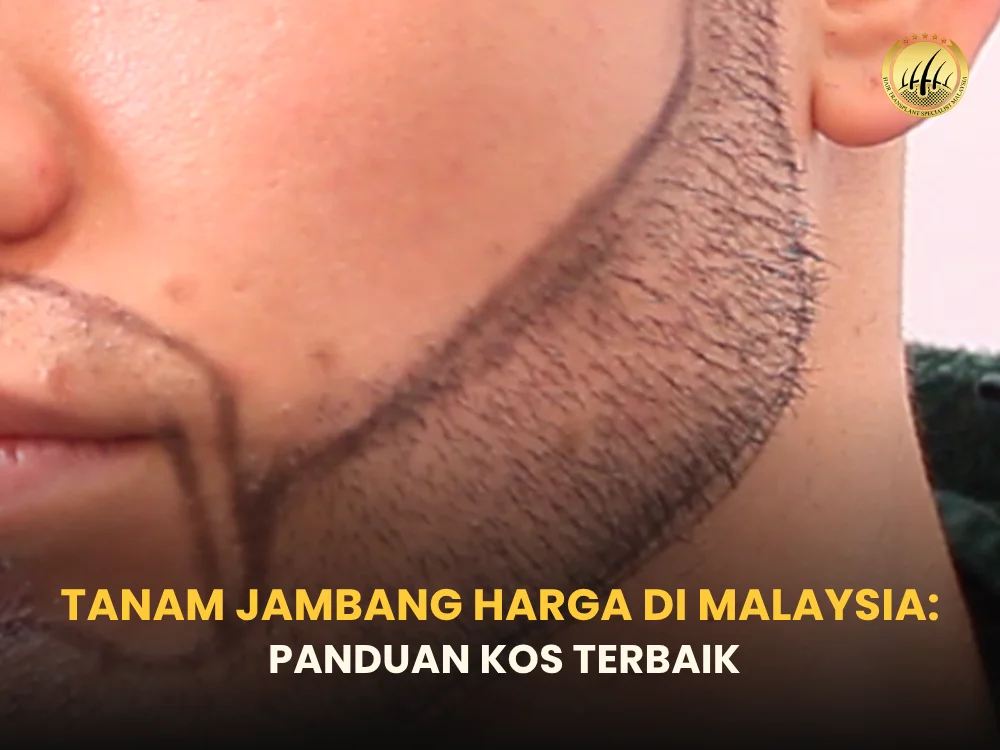
Kalkulator Anggaran Kos Tanam Jambang Pilih anggaran bilangan graf (grafts) yang anda perlukan untuk melihat anggaran kos pasaran di Malaysia. Bilangan Graf: 1,500 Grafts 500 (Min) 3,500 (Max) Anggaran Kos Keseluruhan: RM 9,000 *Nota: Anggaran purata RM6 – RM8 segraf. Kos sebenar bergantung pada teknik (FUE/DHI) dan klinik. Tanya Kos Sebenar via WhatsApp Tanam jambang harga merujuk kepada kos keseluruhan bagi prosedur transplantasi bulu muka (facial hair transplant) di Malaysia untuk memindahkan folikel rambut sihat ke bahagian rahang dan dagu. Purata harga prosedur ini bermula dari RM3,000 hingga RM25,000, bergantung kepada teknik yang digunakan serta jumlah graf yang diperlukan. Anggaran Kos dan Harga Tanam Jambang di Malaysia Memiliki jambang yang lebat dan kemas kini menjadi impian ramai lelaki demi penampilan yang lebih maskulin. Di Malaysia, pelaburan untuk prosedur kosmetik ini sangat kompetitif berbanding pasaran antarabangsa seperti Amerika Syarikat atau Singapura. Namun, harga yang ditawarkan berbeza mengikut keperluan individu. Julat Harga Semasa Mengikut Jumlah Graf (Grafts) Setiap “graf” atau follicular unit mengandungi sekitar 1 hingga 4 helai rambut. Jumlah graf yang diperlukan menentukan masa operasi dan kepakaran doktor. Berikut adalah anggaran harga pasaran semasa di Malaysia untuk rujukan anda: Jumlah Graf (Grafts) Anggaran Kawasan Liputan Julat Harga Semasa (RM) 500 – 1,000 graf Mengisi bahagian botak bertompok (patchy beard) RM3,000 – RM7,000 1,000 – 2,000 graf Membentuk garisan jambang penuh (full beard) RM7,500 – RM15,000 2,000 graf ke atas Pembentukan jambang tebal termasuk misai dan janggut RM15,000 – RM25,000+ Perbandingan Harga Mengikut Kaedah (FUE vs DHI) Teknologi yang dipilih memainkan peranan besar dalam menentukan invois akhir rawatan anda. Follicular Unit Extraction (FUE): Kaedah standard di mana graf rambut dituai satu demi satu dari kawasan penderma (donor area) menggunakan alat micro-punch. Kos FUE biasanya lebih mesra poket, berkisar antara RM4 hingga RM8 setiap graf. Direct Hair Implantation (DHI): Teknik premium menggunakan implanter khas berbentuk pena (Choi Implanter Pen). DHI membolehkan doktor mengawal sudut, arah, dan kedalaman pertumbuhan jambang secara lebih presisi tanpa perlu membuat hirisan awal. Kaedah ini biasanya mempunyai premium harga 20% hingga 30% lebih tinggi daripada FUE biasa. Faktor Utama yang Mempengaruhi Harga Tanam Jambang Jumlah Bilangan Graf Rambut yang Diperlukan Faktor terbesar yang menentukan tanam jambang harga ialah bilangan graf. Seorang pesakit yang hanya mahu menebalkan goatee atau menyambung jambang ke jambang pipi memerlukan graf yang sedikit. Sebaliknya, mereka yang genetiknya langsung tiada bulu muka memerlukan volum graf yang tinggi, sekali gus meningkatkan kos operasi. Gred Kepakaran Doktor dan Reputasi Klinik Kelayakan doktor yang mengendalikan prosedur adalah jaminan keselamatan anda. Pakar bedah restorasi rambut yang diiktiraf oleh [suspicious link removed] atau memegang pentauliahan antarabangsa seperti International Society of Hair Restoration Surgery (ISHRS) mengecas harga lebih tinggi. Klinik dengan fasiliti gred perubatan yang canggih juga menawarkan harga premium demi mengekalkan standard sanitasi dan hasil estetik yang semula jadi. Kos Tambahan Selepas Prosedur (Hidden Costs) Bila merancang bajet untuk pemindahan rambut muka, pastikan sebut harga yang diberikan oleh klinik bersifat telus bagi mengelakkan kejutan kos tersembunyi. Harga Set Penjagaan dan Ubat Pasca-Rawatan Selepas pembedahan kecil selesai, kulit muka memerlukan penjagaan rapi untuk mengelakkan jangkitan kuman. Anda memerlukan antibiotik, ubat tahan sakit, syampu khas, serta semburan salina (saline spray) untuk mengekalkan kelembapan graf. Kos bagi kit penjagaan pasca-rawatan ini biasanya berharga sekitar RM300 hingga RM600, jika ia tidak dimasukkan sekali ke dalam pakej asal klinik. Kos Sesi Rawatan Susulan (Follow-up) Proses penyembuhan penuh mengambil masa antara 6 hingga 12 bulan. Dalam tempoh ini, beberapa sesi susulan diperlukan untuk doktor memantau kadar pertumbuhan rambut baharu. Selain itu, sesetengah klinik mencadangkan rawatan sokongan seperti Platelet-Rich Plasma (PRP) bagi mempercepatkan stimulasi folikel rambut. Satu sesi rawatan PRP di Malaysia biasanya berharga RM500 hingga RM1,200. 🩺 Kepakaran Klinikal & Wawasan Pakar Berdasarkan pengalaman klinikal dalam bidang pemulihan rambut, struktur kulit muka adalah jauh lebih sensitif dan mempunyai vaskulariti yang berbeza berbanding kulit kepala. Arah pertumbuhan jambang tumbuh pada sudut yang sangat condong (flat angle). Oleh itu, pemilihan saiz punch penuai yang tepat amat kritikal bagi mengelakkan parut ketara (pitting) pada wajah, yang memerlukan ketelitian tinggi berbanding transplantasi rambut biasa. Untuk mendapatkan analisis ketumpatan penderma dan reka bentuk garisan jambang yang sesuai dengan bentuk wajah anda, disyorkan untuk melawat Hair Transplant Malaysia Clinic bagi mendapatkan sesi konsultasi peribadi bersama doktor pakar. Soalan Lazim (FAQ) Mengenai Harga Tanam Jambang Adakah kos tanam jambang boleh dibayar secara ansuran (Installment)? Ya, majoriti klinik estetika dan restorasi rambut premium di Malaysia menyediakan pelan pembayaran ansuran bulanan mudah (0% EPP) menerusi kad kredit bank terpilih untuk tempoh 6 hingga 24 bulan. Berapa harga purata untuk satu graf (Per Graft Price) di Malaysia? Purata harga per graf untuk rawatan tanam jambang di Malaysia adalah sekitar RM4 hingga RM12 bagi kaedah FUE, manakala teknik DHI boleh mencecah RM10 hingga RM15 per graf atas faktor ketelitian teknologi. Adakah insurans kesihatan menanggung kos tanam jambang? Tidak. Syarikat insurans kesihatan di Malaysia mengklasifikasikan prosedur pemindahan jambang sebagai rawatan kosmetik atau estetik pilihan, bukannya keperluan perubatan kritikal, jadi ia tidak boleh dituntut. Berapa lamakah keputusan penuh penanaman jambang boleh dilihat? Hasil awal pertumbuhan rambut baharu akan kelihatan selepas 3 hingga 4 bulan, manakala impak jambang penuh, tebal, dan matang sepenuhnya secara semula jadi dapat dilihat selepas 9 hingga 12 bulan pasca-prosedur. Adakah terdapat risiko kesan sampingan yang memerlukan kos rawatan tambahan? Risiko seperti jangkitan kuman atau kegagalan graf adalah sangat rendah jika anda mematuhi arahan penjagaan doktor. Memilih klinik berlesen KKM memastikan sekiranya berlaku komplikasi ringan seperti bengkak, ia sudah termasuk dalam pelan jaminan rawatan susulan klinik.
Tanam Misai: Panduan Tumbuhkan Misai Tebal dan Lebat
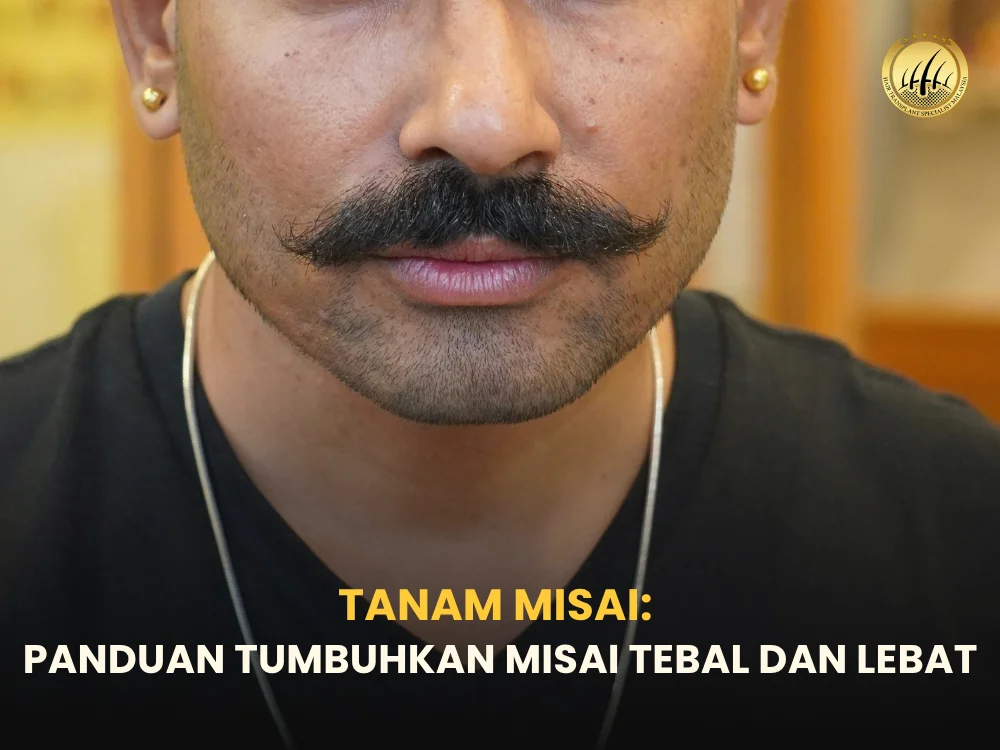
Semak Garis Masa Pertumbuhan Misai Anda 🧔🏻 Pilih fasa pertumbuhan semasa anda untuk melihat anggaran masa dan tip penjagaan yang sesuai untuk melebatkan misai. Pilih Fasa Misai Semasa Anda: — Sila Pilih —Baru Mula / Cukur Licin (Janggut Halus)Bulu Halus (Stubbles / 1-2 Minggu)Mula Kelihatan (Patchy / 3-4 Minggu)Fasa Matang (Lebat / 2 Bulan ke atas) Keputusan Analisis: Bulu misai masih lambat tumbuh atau *patchy*? Dapatkan konsultasi herba pelebat misai eksklusif sekarang! 💬 Hubungi Pakaar Misai (WhatsApp) Tanam misai merujuk kepada kaedah melebatkan bulu di atas bibir, sama ada secara semulajadi menggunakan minyak khas, mahupun melalui prosedur klinikal estetik seperti implan bulu (mustache hair transplant). Kaedah ini bertujuan membantu lelaki mengatasi masalah misai jarang atau botak bagi mendapatkan penampilan yang lebih maskulin. Cara Tanam Misai Secara Semulajadi Memiliki misai yang lebat dan kemas bermula daripada asas yang sihat. Sebelum mencuba rawatan klinikal, anda boleh merangsang pertumbuhan folikel bulu wajah secara semulajadi. Penjagaan dan Kebersihan Kulit Muka Kulit muka yang bersih adalah kunci utama pertumbuhan bulu yang sihat. Liang pori yang tersumbat oleh sebum, kotoran, dan sel kulit mati boleh membantutkan pertumbuhan misai baru. Pastikan anda mencuci muka dua kali sehari menggunakan pencuci muka yang lembut. Melakukan eksfoliasi (scrub) seminggu sekali juga sangat membantu menyingkirkan sel kulit mati di kawasan sekitar bibir atas. Urutan Wajah untuk Merangsang Pertumbuhan Bulu Urutan ringan pada kawasan atas bibir boleh meningkatkan peredaran darah ke folikel rambut. Aliran darah yang lancar membawa lebih banyak oksigen dan nutrien yang diperlukan untuk pertumbuhan bulu yang optimum. Gunakan hujung jari anda untuk membuat gerakan membulat yang lembut selama 5 minit setiap hari. Anda juga boleh menggunakan sedikit minyak zaitun semasa mengurut. Pemakanan dan Gaya Hidup untuk Hormon Lelaki Hormon testosteron dan dihidrotestosteron (DHT) memainkan peranan utama dalam menentukan kelebatan bulu wajah lelaki. Anda boleh merangsang hormon ini melalui gaya hidup yang sihat. Makanan tinggi protein dan zink: Makan lebih banyak telur, daging merah, tiram, dan kekacang. Tidur yang cukup: Kurang tidur boleh menurunkan kadar testosteron dalam badan secara mendadak. Senaman angkat berat: Latihan kekuatan (weight training) terbukti dapat meningkatkan hormon lelaki secara semulajadi. Produk dan Minyak Tanam Misai Terbaik di Malaysia Pasaran Malaysia menawarkan pelbagai produk topikal yang direka khas untuk merangsang folikel bulu wajah yang pasif. Minyak Lebat Misai dan Janggut (Beard Oil) Beard oil atau minyak pelebat misai biasanya dirumus daripada minyak pembawa (carrier oils) seperti minyak jojoba, minyak argan, dan minyak kastor (castor oil). Minyak ini berfungsi melembapkan kulit di bawah misai, mengurangkan gatal-gatal, dan menguatkan akar bulu yang sedia ada agar tidak mudah gugur. Penggunaan Minoxidil untuk Misai Minoxidil adalah ubat topikal popular yang asalnya digunakan untuk merawat keguguran rambut, namun ramai lelaki menggunakannya secara off-label untuk menumbuhkan misai dan janggut. Anda boleh merujuk panduan keselamatan bahan ini di portal [suspicious link removed] untuk memahami regulasi ubat-ubatan topikal. Cecair atau buih (foam) Minoxidil 5% disapu terus pada kawasan bibir atas dua kali sehari. Walau bagaimanapun, penggunaan Minoxidil memerlukan konsistensi dan boleh menyebabkan kesan sampingan seperti kulit kering atau kerengsaan jika tidak digunakan dengan betul. Vitamin dan Suplemen Tambahan Suplemen seperti Biotin (Vitamin B7) amat terkenal untuk menyokong kesihatan rambut dan kuku. Selain itu, pengambilan multivitamin yang mengandungi Vitamin C, D, E, dan zat besi juga membantu memastikan badan anda mempunyai ‘bahan binaan’ yang cukup untuk menghasilkan bulu wajah yang kuat. Prosedur Tanam Misai Bedah di Malaysia Bagi lelaki yang mengalami masalah genetik (tiada folikel bulu langsung pada kawasan atas bibir), prosedur klinikal adalah jalan penyelesaian yang paling efektif dan kekal. Apa Itu Rawatan Tanam Misai? Prosedur ini merupakan pembedahan minor di mana folikel rambut yang sihat diambil dari bahagian belakang kepala (kawasan penderma) dan ditanam secara teliti ke kawasan atas bibir mengikut arah pertumbuhan bulu semulajadi. Hasil daripada prosedur ini adalah kekal kerana folikel rambut yang dipindahkan mengekalkan sifat genetik asalnya yang tahan gugur. Teknik yang Digunakan (FUE vs FUT) Klinik estetik moden di Malaysia umumnya menggunakan dua teknik utama: Aspek FUE (Follicular Unit Extraction) FUT (Follicular Unit Transplantation) Kaedah Folikel diambil satu demi satu menggunakan alat penebuk mikro. Jaluran kulit kepala diambil dari belakang kepala, kemudian dipotong kepada unit kecil. Parut Parut berbentuk titik-titik kecil yang hampir tidak kelihatan. Parut linear halus di bahagian belakang kepala. Tempoh Pulih Sangat cepat (3 – 5 hari). Sedikit lama kerana melibatkan jahitan. Populariti Pilihan utama untuk kawasan kecil seperti misai. Kurang digunakan untuk misai melainkan kes tertentu. Kos Prosedur Tanam Misai di Klinik Estetik Malaysia Kos bagi prosedur implan misai di Malaysia biasanya dikira berdasarkan jumlah graf (graft) yang ditanam. Purata kos pasaran adalah sekitar RM 5,000 hingga RM 12,000, bergantung kepada reputasi klinik, kepakaran doktor, dan jumlah graf yang diperlukan (biasanya antara 300 hingga 800 graf untuk misai). Kesan Sampingan dan Tempoh Penyembuhan (Downtime) Selepas prosedur, anda akan mengalami sedikit bengkak, kemerahan, dan pembentukan kuping kecil (scabs) di kawasan yang ditanam. Kesan ini biasanya akan hilang dalam tempoh 7 hingga 10 hari. 🩺 Sudut Pengalaman Klinikal Berdasarkan pengalaman klinikal dalam bidang restorasi rambut, fasa paling mencabar bagi pesakit adalah fasa shock loss yang berlaku sekitar minggu ke-2 hingga ke-4 selepas prosedur. Pada fasa ini, bulu yang baru ditanam akan gugur terlebih dahulu sebelum folikel baru yang kekal mula tumbuh semula secara berperingkat dalam masa 3 hingga 4 bulan. Pesakit dinasihatkan agar tidak panik kerana ini adalah proses fisiologi yang normal. Tips Penjagaan Semasa Proses Tanam Misai Sama ada anda menumbuhkannya secara semulajadi atau melalui pembedahan, penjagaan rapi adalah kunci untuk mendapatkan hasil yang kemas. Cara Merapikan Misai yang Baru Tumbuh Elakkan daripada mencukur misai yang baru ditanam dalam tempoh sebulan pertama. Apabila bulu sudah mula mengeras dan panjang, gunakan gunting khas untuk merapikan hujungnya dan elakkan daripada menarik atau mencabut bulu tersebut. Produk Penjagaan Misai (Sikat dan Balm) Sikat Misai (Mustache Comb): Sikat kayu bergigi rapat membantu menguruskan arah pertumbuhan bulu agar kelihatan kemas. Balm Misai (Mustache Balm): Mengandungi lilin lebah (beeswax) yang membantu menetapkan kedudukan misai mengikut gaya yang anda inginkan sambil mengekalkan kelembapan. Untuk mengetahui lebih lanjut mengenai teknik penjagaan rambut dan bulu muka yang diiktiraf antarabangsa, anda boleh merujuk kepada garis panduan
Tanam Bulu Dada di Malaysia: Panduan Lengkap Prosedur, Kos dan Klinik
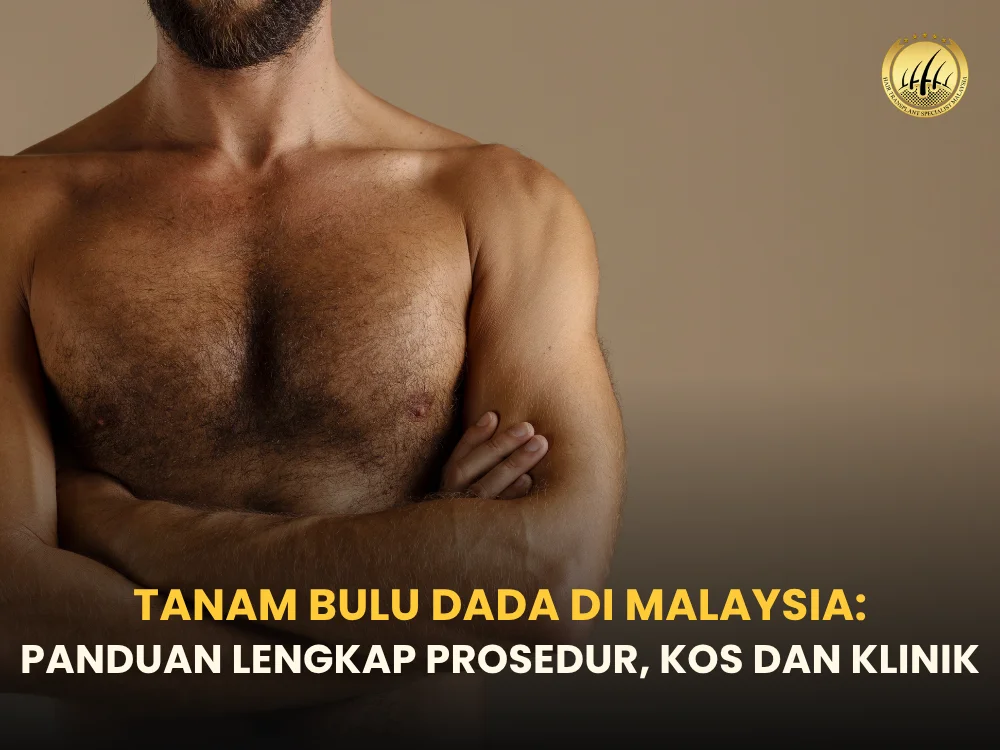
Kalkulator Anggaran Kos Tanam Bulu Dada Pilih tahap kepadatan bulu dada yang anda inginkan untuk melihat anggaran kos rawatan di Malaysia. Pilih Tahap Kepadatan: — Sila Pilih —Natural / Ringan (Isi kawasan kosong)Sederhana / Sasa (Kepadatan standard)Lebat / Penuh (Gaya maskulin penuh) Anggaran Bilangan Graft: – Anggaran Kos (RM): – *Nota: Kos sebenar bergantung pada konsultasi doktor dan struktur folikel rambut anda. Tanya Kos Sebenar via WhatsApp Tanam bulu dada (chest hair transplant) adalah prosedur bedah minor kosmetik untuk memindahkan folikel rambut yang sihat dari kawasan penderma—biasanya di belakang kepala—ke bahagian dada bagi merangsang pertumbuhan bulu yang lebih lebat, maskulin, dan kelihatan semula jadi. Kaedah Tanam Bulu Dada Populer di Malaysia Rawatan restorasi bulu badan di Malaysia kini menggunakan teknologi moden yang meminimumkan kesan parut. Terdapat dua kaedah utama yang menjadi pilihan pakar dermatologi dan trichologist. Teknik FUE (Follicular Unit Extraction) Teknik FUE melibatkan pengambilan folikel rambut secara satu per satu menggunakan alat tebuk mikro (micro-punch) khas. Kaedah ini sangat popular kerana ia tidak meninggalkan parut linear yang panjang dan membolehkan proses penyembuhan berlaku dengan lebih cepat. Folikel yang diambil kemudiannya akan disusun semula mengikut arah pertumbuhan bulu dada asal demi memastikan hasil yang estetik. standard prosedur antarabangsa seperti yang digariskan oleh International Society of Hair Restoration Surgery (ISHRS) sentiasa menekankan aspek keselamatan pesakit sepanjang teknik ini dijalankan. Teknik DHI (Direct Hair Implantation) Teknik DHI merupakan evolusi daripada FUE. Menggunakan alat khas berbentuk pena yang dipanggil Choi Implanter, doktor boleh mengekstrak dan menanam folikel rambut secara serentak ke kawasan dada tanpa perlu membuat saluran (slits) terlebih dahulu. Kelebihan utama DHI adalah kawalan yang lebih tepat terhadap sudut, kedalaman, dan arah pertumbuhan bulu. Proses implan langsung ini juga mengurangkan masa folikel berada di luar badan, sekali gus meningkatkan kadar kelangsungan hidup (survival rate) rambut. Proses dan Langkah Rawatan Tanam Bulu Dada Menjalani pembedahan kosmetik ini memerlukan ketelitian yang tinggi demi mencapai reka bentuk yang diidamkan. Sesi Konsultasi dan Reka Bentuk Bulu Dada Langkah pertama bermula dengan penilaian kesihatan kulit dan analisis kawasan penderma (donor area). Pakar akan berbincang mengenai kepadatan bulu dada yang diinginkan sama ada berbentuk crescent, full chest, atau sekadar garisan mid-sternum. Garis panduan etika perubatan di bawah Majlis Perubatan Malaysia (MMC) memastikan setiap reka bentuk dan jangkaan pesakit adalah realistik serta selamat. Pengambilan dan Penanaman Folikel Rambut Semasa hari prosedur, bius setempat (local anesthesia) akan diberikan pada kawasan penderma dan dada. Doktor akan mengekstrak folikel yang berkualiti tinggi (biasanya rambut yang mempunyai sehelai rambut setiap unit untuk hasil natural). Selepas itu, folikel ditanam dengan teliti mengikut corak maskulin yang telah dilakar. Prosedur ini biasanya mengambil masa antara 3 hingga 6 jam bergantung kepada jumlah graf yang diperlukan. Penjagaan Selepas Prosedur dan Proses Penyembuhan Fasa pemulihan adalah kritikal untuk memastikan folikel yang ditanam melekat dengan kuat pada tisu dada. Hari 1 – 3: Kawasan dada akan mengalami sedikit kemerahan dan bengkak ringan. Anda dinasihatkan tidur terlentang. Hari 4 – 7: Kerak kecil (scabs) akan mula terbentuk di sekitar folikel. Jangan sesekali mengopek kerak ini. Minggu 2 – 4: Fasa shock loss berlaku di mana bulu yang ditanam akan gugur. Jangan panik, ini adalah proses fisiologi normal sebelum rambut baru tumbuh secara kekal. Pesakit dilarang melakukan senaman berat atau mengangkat beban selama sekurang-kurangnya dua minggu bagi mengelakkan tekanan pada bahagian dada. Pengalaman Klinikal & Insight Pakar Berdasarkan pemerhatian klinikal kes restorasi rambut badan, pesakit yang mematuhi rejimen penjagaan pasca-prosedur—seperti mengelakkan geseran pakaian ketat dan menjaga kebersihan kawasan luka—menunjukkan kadar kejayaan pertumbuhan graf melebihi 90%. Penggunaan ubat sapu topikal mengikut preskripsi juga didapati mempercepatkan fasa penyembuhan kulit dada. Berapa Kos Tanam Bulu Dada di Malaysia? Kos bagi rawatan ini berbeza-beza mengikut bilangan graf (folikel) yang diperlukan untuk memenuhi ruang dada anda. Kawasan Liputan Anggaran Bilangan Graf Anggaran Harga (MYR) Kepadatan Ringan (Mild) 500 – 1,000 graf RM 5,000 – RM 8,000 Kepadatan Sederhana (Medium) 1,000 – 2,000 graf RM 8,000 – RM 15,000 Kepadatan Penuh (Full Chest) 2,000 – 3,500+ graf RM 15,000 – RM 25,000+ Faktor lain yang mempengaruhi harga termasuklah reputasi klinik, kepakaran doktor, serta teknik yang dipilih (DHI biasanya lebih mahal berbanding FUE). Cara Memilih Klinik Tanam Bulu Dada Terbaik di Malaysia Memilih pusat rawatan yang betul adalah kunci utama untuk mengelakkan komplikasi buruk seperti jangkitan kuman atau reka bentuk bulu yang kelihatan pelik. Kelayakan Doktor: Pastikan doktor yang mengendalikan prosedur mempunyai sijil LCP (Letter of Credentialing and Privileging) daripada [suspicious link removed]. Portfolio Sebelum & Selepas: Minta untuk melihat gambar hasil kerja sebenar pihak klinik bagi kes tanam bulu badan, bukan sekadar tanam rambut kepala. Teknologi & Kebersihan: Klinik mestilah mematuhi piawaian sanitasi yang ketat dan menggunakan peralatan perubatan yang diiktiraf oleh Food and Drug Administration (FDA). Jika anda sedang mencari penyelesaian premium untuk meningkatkan keyakinan diri dengan penampilan dada yang lebih maskulin, anda boleh menjadualkan sesi konsultasi profesional bersama pakar di Hair Transplant Malaysia Clinic untuk pelan rawatan yang disesuaikan khas untuk anda. Soalan Lazim (FAQ) Mengenai Tanam Bulu Dada Adakah kesan penanaman ini kelihatan semula jadi? Ya, hasil penanaman kelihatan sangat semula jadi kerana doktor menggunakan folikel rambut anda sendiri dan menanamnya mengikut sudut serta arah pertumbuhan asal bulu dada lelaki. Berapa lama masa yang diambil untuk melihat hasil penuh? Hasil awal mula kelihatan selepas 3 hingga 4 bulan. Walau bagaimanapun, hasil penuh yang matang, lebat, dan muktamad biasanya dapat dilihat dalam tempoh 10 hingga 12 bulan selepas prosedur. Adakah bulu dada yang ditanam akan gugur kembali? Bulu dada yang telah matang selepas fasa shock loss adalah bersifat kekal. Ini kerana folikel yang diambil dari kawasan penderma belakang kepala mempunyai daya tahan genetik yang kuat terhadap keguguran. Adakah prosedur ini menyakitkan? Prosedur ini tidak menyakitkan kerana anda akan diberikan bius setempat pada bahagian kepala dan dada sebelum rawatan bermula. Anda mungkin hanya merasa sedikit ketidakselesaan selepas kesan bius hilang. Bolehkah saya mencukur bulu dada yang ditanam nanti? Boleh. Selepas bulu dada tumbuh dengan matang (biasanya selepas 6 bulan), anda bebas untuk mencukur, mengunting, atau menggayakan bulu dada tersebut sama seperti bulu badan semula jadi yang lain.
Pakar Rambut Terbaik di Malaysia: Rawatan Masalah Rambut Gugur dan Botak
Jenis Rawatan Masalah Rambut Gugur & Botak Kami menyediakan pelbagai solusi klinikal dan terapeutik yang terbukti berkesan untuk menghentikan keguguran rambut serta merangsang pertumbuhan folikel baru: Terapi Rangsangan Folikel (PRP) Menggunakan plasma kaya platelet daripada darah anda sendiri untuk mengaktifkan semula folikel rambut yang mengecut dan mempercepatkan pertumbuhan rambut baru secara semula jadi. Rawatan Laser Tahap Rendah (LLLT) Terapi cahaya tanpa sakit yang meningkatkan aliran darah ke kulit kepala, membekalkan lebih banyak oksigen dan nutrien kepada akar rambut. Tonic & Serum Gred Perubatan Formulasi khas dengan bahan aktif yang melambatkan hormon DHT (punca utama botak corak lelaki/wanita) dan menguatkan akar rambut dari dalam. Hubungi Pakar Rambut via WhatsApp Pakar rambut ialah doktor perubatan atau pakar trikologi (trichologist) bertauliah yang mendiagnosis dan merawat masalah rambut serta kulit kepala. Mereka menyediakan rawatan klinikal berasaskan sains—seperti terapi laser, PRP, dan pembedahan tanam rambut—untuk mengatasi keguguran rambut kronik, penipisan, dan masalah botak secara efektif serta selamat. Mengapa Anda Perlu Berjumpa Pakar Rambut (Trichologist) Masalah rambut gugur yang dibiarkan tanpa rawatan klinikal boleh melarat menjadi botak kekal. Berjumpa dengan pakar memastikan anda mendapat diagnosis yang tepat mengenai punca sebenar masalah rambut anda. Perbezaan Pakar Rambut dengan Salun Rambut Biasa Salun rambut biasa menumpukan kepada aspek kosmetik, estetika luaran, dan gaya rambut menggunakan produk komersial. Pakar rambut di klinik perubatan pula fokus pada kesihatan akar rambut (folikel) dan kulit kepala dari dalam. Mereka menggunakan peralatan diagnostik canggih dan rawatan gred perubatan yang terbukti secara klinikal melalui kajian di National Institutes of Health. Tanda Masalah Rambut Anda Memerlukan Rawatan Pakar Gugur lebih daripada 100 helai rambut sehari secara berterusan. Garisan rambut (hairline) semakin surut ke belakang. Bahagian belahan rambut wanita menjadi semakin lebar dan menipis. Kulit kepala terasa gatal, pedih, berkelemumur kronik, atau muncul tompokan botak licin. Jenis Masalah Rambut Gugur yang Dirawat oleh Pakar Setiap individu mengalami corak keguguran yang berbeza bergantung kepada faktor genetik, hormon, dan gaya hidup. Keguguran Rambut Lelaki (Pola Botak Lelaki) Dikenali secara perubatan sebagai Androgenetic Alopecia, masalah ini berpunca daripada hormon DHT yang mengecutkan folikel rambut. Ia biasanya bermula dengan penipisan di bahagian dahi dan ubun-ubun (crown) sehinggalah membentuk corak seperti huruf ‘M’. Keguguran Rambut Wanita (Pola Botak Wanita) Berbeza dengan lelaki, wanita jarang menjadi botak sepenuhnya. Penipisan berlaku secara menyeluruh di bahagian atas kepala, menyebabkan rambut kelihatan kurang volum dan kulit kepala mula kelihatan jelas di bawah cahaya matahari. Masalah Rambut Gugur Bertompok (Alopecia Areata) Ini adalah gangguan autoimun di mana sistem imun badan menyerang folikel rambut sendiri secara silap. Ia menyebabkan keguguran rambut berlaku secara tiba-tiba dalam bentuk tompokan bulat yang licin sebesar syiling. Kaedah Rawatan Rambut Gugur Efektif di Klinik Pakar Klinik pakar menawarkan penyelesaian moden yang disokong oleh data saintifik untuk merangsang semula pertumbuhan rambut. Terapi Rambut PRP (Plasma Kaya Platelet) Prosedur ini menggunakan plasma darah pesakit sendiri yang kaya dengan faktor pertumbuhan (growth factors). Plasma ini disuntik ke dalam kulit kepala untuk memulihkan folikel rambut yang dorman dan mempercepatkan kitaran pertumbuhan rambut baru. Rawatan Laser Rambut (Low-Level Laser Therapy) Rawatan LLLT menggunakan gelombang cahaya laser tahap rendah untuk meningkatkan aliran darah ke kulit kepala. Terapi tanpa bedah ini menghantar oksigen dan nutrien penting terus ke akar rambut bagi menebalkan helaian rambut yang menipis. Prosedur Tanam Rambut (Hair Transplant) Untuk botak kekal, teknik Follicular Unit Extraction (FUE) adalah standard emas. Folikel rambut yang sihat dari bahagian belakang kepala dipindahkan ke kawasan yang botak. Rawatan ini menawarkan hasil yang kelihatan sangat semula jadi dan kekal seumur hidup. Rawatan Ubat-Ubatan dan Serum Penguat Akar Rambut Pakar akan mempreskripsikan ubat topikal atau oral yang diluluskan secara klinikal, seperti Minoxidil atau penyekat DHT, bersama serum gred perubatan untuk menghentikan keguguran serta merta dari peringkat akar. Cara Memilih Klinik Pakar Rambut Terbaik di Malaysia Memilih tempat rawatan yang betul amat penting bagi mengelakkan komplikasi dan kerugian wang. Kelayakan Pakar dan Kelulusan KKM Pastikan klinik pilihan anda berdaftar dengan Kementerian Kesihatan Malaysia (KKM) dan doktor mempunyai Letter of Credentialing and Privileging (LCP) dalam bidang estetika. Tokoh industri terkenal seperti Prof. Dato’ JasG diiktiraf secara meluas atas kepakaran dan kredibiliti beliau dalam mengendalikan kes pemulihan rambut yang kompleks di Malaysia. Keberkesanan Rawatan dan Testimoni Sebenar Selidiki galeri gambar sebelum dan selepas (before and after) serta ulasan tulen daripada pesakit terdahulu. Klinik yang bereputasi tinggi sentiasa telus mengenai jangkaan hasil dan kadar kejayaan rawatan mereka berdasarkan standard antarabangsa seperti yang digariskan oleh International Society of Hair Restoration Surgery. Kos Rawatan Pakar Rambut di Malaysia Kos rawatan bergantung kepada tahap keterukan masalah keguguran rambut dan jenis prosedur yang dipilih. Anggaran Harga Rawatan Keguguran Rambut Untuk rawatan bukan pembedahan seperti terapi laser, PRP, atau ubat-ubatan, kos purata bermula daripada RM300 hingga RM1,200 bagi setiap sesi, tertakluk kepada pelan rawatan individu. Anggaran Harga Prosedur Tanam Rambut Prosedur tanam rambut (FUE) biasanya dikira mengikut bilangan graf (graft). Anggaran kos di Malaysia adalah sekitar RM6,000 hingga RM20,000+, bergantung kepada keluasan kawasan botak dan tahap kemahiran doktor pakar bedah. Insight Pengalaman Klinikal Berdasarkan data klinikal jangka panjang di Hair Transplant Malaysia Clinic, keguguran rambut tahap awal (Skala Norwood 1-3) memberikan respons yang sangat positif terhadap terapi kombinasi PRP dan laser tanpa perlu pembedahan. Namun, bagi kes botak matang di mana folikel rambut telah mati sepenuhnya, prosedur intervensi tanam rambut (hair transplant) adalah satu-satunya jalan penyelesaian perubatan yang berkesan untuk mengembalikan rambut asal anda. Soalan Lazim Mengenai Pakar Rambut (FAQ) Berapa lama tempoh rawatan pakar rambut untuk melihat hasil? Hasil awal seperti pengurangan rambut gugur biasanya kelihatan dalam masa 2 hingga 3 bulan. Pertumbuhan rambut baru yang lebih tebal dan sihat secara ketara memerlukan tempoh 6 hingga 9 bulan sejajar dengan kitaran semula jadi rambut manusia mengikut panduan American Academy of Dermatology. Adakah masalah rambut botak kekal boleh dirawat semula? Ya. Masalah botak kekal akibat faktor genetik atau parut boleh dirawat secara efektif melalui prosedur tanam rambut (FUE), di mana folikel rambut hidup dipindahkan ke kawasan botak untuk tumbuh semula secara kekal. Adakah rawatan klinikal pakar rambut ini selamat? Sangat selamat. Semua rawatan gred perubatan yang dijalankan di klinik berdaftar dikendalikan oleh doktor bertauliah menggunakan peralatan yang diluluskan oleh U.S. Food
FUE vs FUT vs DHI Hair Transplant in Malaysia: Which Method Is Better?
Clinical Comparison Widget FUE vs FUT vs DHI: Method Matchmaker Every scalp is unique. Select your lifestyle priorities and surgical preferences below to discover which hair transplant technique best fits your personal goals. 1. Preferred Back/Side Haircut Style Very Short / Fade Shave (No visible linear scars)Medium to Long Hair (Can hide a thin line scar) 2. Shaving the Recipient Area I don’t mind shaving the treatment zone for densityUnshaven is mandatory (Must keep current style for work) 3. Budget & Graft Volume Priority Standard Premium / Modern Micro-Scars (FUE)Maximum Grafts needed at a tighter budget value (FUT)Elite Precision / Maximum Thickness & Custom Angling (DHI) Your Recommended Matching Technique: Analyzing your preferences… Calculating comparison matrix factors… Timothy Typical Recovery Timeline: Loading methodology data… All techniques require a physical hair donor density audit. Book an expert trichoscopy session with our medical team. 📲 Discuss My Recommended Method & Book Free Consultation via WhatsApp ➔ FUE vs FUT vs DHI hair transplant are the three most common hair transplant methods used to treat hair loss. FUE extracts individual hair follicles, FUT removes a strip of scalp to harvest grafts, and DHI implants follicles directly using a specialized implanter pen. The best option depends on hair loss severity, density goals, recovery expectations, and budget. What Is FUE, FUT and DHI Hair Transplant? Hair transplantation is a minimally invasive procedure that moves healthy hair follicles from a donor area, usually the back of the scalp, to thinning or bald areas. Modern techniques provide natural-looking hair restoration with high graft survival rates when performed by experienced surgeons. What Is FUE Hair Transplant? FUE (Follicular Unit Extraction) involves extracting individual follicular units directly from the donor area using a micro-punch tool. The follicles are then implanted into recipient sites created in the balding area. FUE is one of the most popular hair restoration methods worldwide because it leaves tiny dot scars rather than a linear scar. Key features: Individual graft extraction Minimal visible scarring Suitable for short hairstyles Faster healing than FUT Commonly used for beard and eyebrow transplants What Is FUT Hair Transplant? FUT (Follicular Unit Transplantation), also called the strip method, removes a thin strip of scalp from the donor area. The strip is dissected under microscopes into individual follicular units before implantation. Key features: Higher graft yield in a single session Efficient for advanced hair loss Leaves a linear scar Often lower cost per graft Suitable when extensive coverage is required What Is DHI Hair Transplant? DHI (Direct Hair Implantation) is a modified version of FUE. Hair follicles are extracted individually and implanted directly using a specialized Choi implanter pen. This method allows precise control over angle, depth, and direction during implantation. Key features: Direct implantation process High precision placement Potentially higher density in selected areas Less handling of grafts Commonly chosen for hairline design FUE vs FUT vs DHI Hair Transplant: Key Differences Hair Extraction Technique Method Extraction Technique FUE Individual follicle extraction FUT Strip of scalp removed DHI Individual follicle extraction (same as FUE) FUE and DHI use individual graft extraction, while FUT relies on strip harvesting. Hair Implantation Method Method Implantation FUE Grafts placed into pre-made channels FUT Grafts placed into pre-made channels DHI Direct implantation using Choi pen The main distinction between FUE and DHI lies in implantation rather than extraction. Scarring FUE leaves tiny circular scars that are usually difficult to detect. FUT leaves a linear scar across the donor area, which may be visible with very short hairstyles. DHI produces scarring similar to FUE because the extraction process is almost identical. Recovery Time Typical recovery periods: FUE: 7–10 days FUT: 10–14 days DHI: 7–10 days Most patients resume office work within a few days. Hair Density Results DHI may allow more precise implantation in selected cases, especially in hairline refinement. FUE also achieves excellent density when graft planning is performed correctly. FUT can produce high density due to larger graft availability. Procedure Duration Method Typical Duration FUE 6–10 hours FUT 4–8 hours DHI 8–12 hours DHI generally takes longer because each graft is implanted individually with an implanter pen. Cost in Malaysia Average prices vary based on graft numbers and clinic expertise. FUT: RM6,000–RM15,000 FUE: RM8,000–RM25,000 DHI: RM10,000–RM30,000+ FUE vs FUT Hair Transplant Differences Between FUE and FUT The primary difference is how donor hair is harvested. FUE removes follicles individually, while FUT removes a strip of scalp and separates it into grafts. Pros and Cons of FUE Advantages Minimal visible scarring Faster healing Suitable for short haircuts Less post-operative discomfort Disadvantages Higher cost Longer extraction time Limited graft numbers per session Pros and Cons of FUT Advantages Larger graft yield Lower cost per graft Effective for extensive baldness Disadvantages Linear scar Longer recovery Potential donor area tightness FUE vs FUT Results Both methods can achieve natural-looking outcomes. Research published by the International Society of Hair Restoration Surgery (ISHRS) indicates that surgeon skill, graft survival, and treatment planning influence results more than the harvesting technique itself. FUE vs FUT Cost in Malaysia FUT generally costs less because harvesting is quicker and requires fewer extraction resources. FUE is more expensive due to the labor-intensive extraction process. FUE or FUT: Which Is Better? FUE is often preferred by patients seeking minimal scarring and faster recovery. FUT may be better for individuals with advanced hair loss who require a large number of grafts. FUE vs DHI Hair Transplant Differences Between FUE and DHI Both methods extract follicles individually. The difference lies in implantation. DHI uses a Choi pen for direct placement, while FUE typically uses pre-made recipient channels. Pros and Cons of FUE Advantages Proven long-term outcomes Widely available Lower cost than DHI Minimal scarring Disadvantages Less implantation precision in some cases Density depends heavily on channel creation Pros and Cons of DHI Advantages Precise graft placement Potentially higher density Excellent hairline control Reduced graft handling Disadvantages Higher cost Longer procedure duration Not always necessary for large sessions FUE vs DHI Results Both techniques produce excellent outcomes. DHI