SMART FUE Hair Transplant Malaysia — How It Differs From Standard FUE
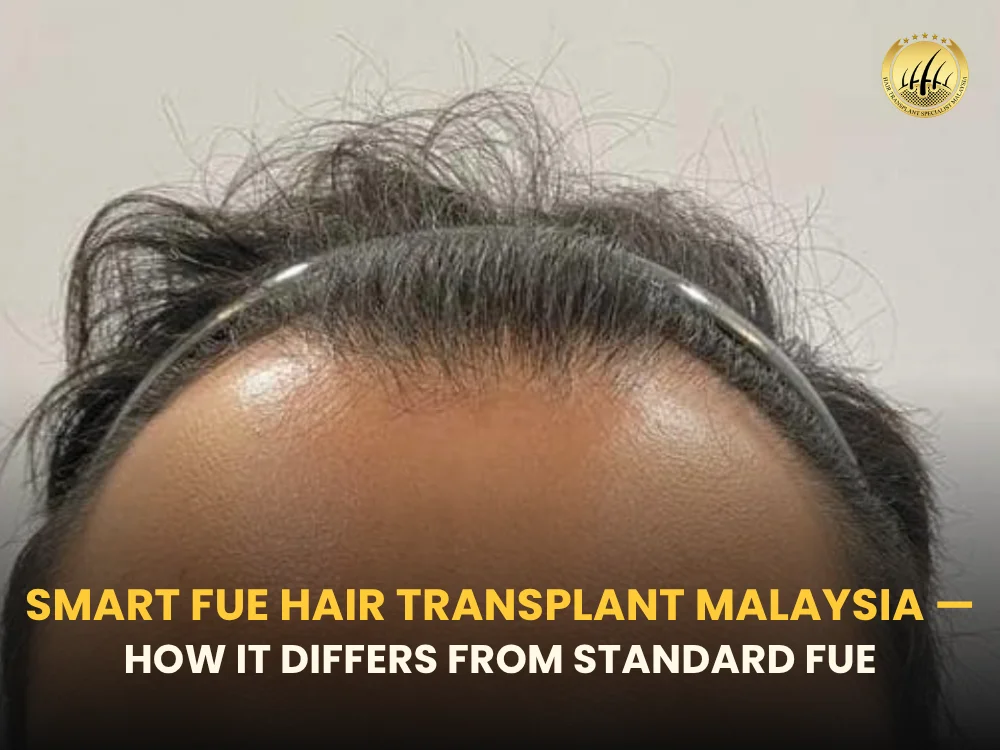
The SMART FUE Hair Transplant is an advanced evolution of traditional Follicular Unit Extraction, designed to improve precision, graft survival, and overall results. In Malaysia, this technique is gaining attention among patients seeking natural-looking hair restoration with minimal downtime and improved outcomes compared to standard methods. Understanding Standard FUE Hair Transplant Before diving into SMART FUE Hair Transplant, it’s important to understand how conventional FUE works. In a standard Follicular Unit Extraction procedure: Individual hair follicles are extracted from a donor area (usually the back of the scalp) Tiny incisions are made in the recipient area Grafts are implanted to restore hair density This technique is widely used because it: Leaves minimal scarring Has faster recovery than strip methods Produces natural-looking results when done correctly What Is SMART FUE Hair Transplant? SMART FUE stands for a refined, technology-enhanced approach to FUE that focuses on: Selection of high-quality grafts Minimal trauma extraction Angle-controlled implantation Retention and survival optimization Tailored hairline design While not a completely different procedure, it represents an optimized protocol combining advanced tools, technique, and surgical artistry. Key Differences: SMART FUE vs Standard FUE 1. Graft Selection and Quality Control SMART FUE Hair Transplant emphasizes selecting the healthiest follicular units for transplantation. This can improve overall density and long-term growth. In standard FUE, graft selection may be less refined depending on the practitioner’s approach. 2. Advanced Extraction Techniques SMART FUE Hair Transplant often uses more precise instruments and techniques to reduce trauma to the donor area. Benefits include: Lower risk of follicle damage Faster healing Reduced discomfort 3. Angle and Direction Precision Natural hair growth depends heavily on correct angle and direction during implantation. SMART FUE Hair Transplant focuses on: Mimicking natural hair patterns Creating softer, more realistic hairlines This is especially important in visible areas like the frontal hairline. 4. Higher Graft Survival Rate One of the biggest advantages of SMART FUE is improved graft survival. By minimizing handling and optimizing placement, more transplanted follicles successfully grow. 5. Customized Hairline Design SMART FUE Hair Transplant places strong emphasis on individualized planning. Factors considered include: Facial structure Age Ethnicity Future hair loss patterns This results in a more natural and age-appropriate appearance. Benefits of SMART FUE Hair Transplant 1. Natural-Looking Results With improved precision and planning, results tend to blend seamlessly with existing hair. 2. Minimally Invasive Approach Like traditional FUE, SMART FUE Hair Transplant does not require large incisions or stitches. 3. Faster Recovery Patients typically experience: Less swelling Quicker healing Shorter downtime 4. Reduced Scarring Tiny extraction points heal quickly and are usually not visible to the naked eye. 5. Long-Term Satisfaction Better graft survival and design contribute to more stable, long-lasting outcomes. Who Is a Good Candidate? SMART FUE may be suitable for individuals who: Have Androgenetic alopecia Have sufficient donor hair Want natural-looking hairline restoration Prefer minimally invasive procedures However, patients with advanced hair loss may require multiple sessions or combined treatments. The Procedure: Step-by-Step 1. Consultation and Assessment The doctor evaluates: Hair loss pattern Donor area density Scalp condition A customized treatment plan is created. 2. Donor Area Preparation The donor area is trimmed and numbed with local anesthesia. 3. Follicle Extraction Individual grafts are carefully extracted using precision tools designed to reduce trauma. 4. Recipient Site Creation Tiny incisions are made based on planned hairline design and growth direction. 5. Graft Implantation Hair follicles are implanted with attention to angle, depth, and density. 6. Post-Procedure Care Patients receive instructions for: Washing Activity restrictions Medication use Recovery and Results Timeline First Week Mild redness and scabbing Healing begins 2–4 Weeks Temporary shedding (shock loss) 3–6 Months New hair growth starts 9–12 Months Visible improvement in density and thickness Patience is essential, as hair growth is gradual. Cost of SMART FUE Hair Transplant in Malaysia The cost of a SMART FUE hair transplant in Malaysia can vary significantly depending on several key factors. While it is generally more expensive than standard FUE, the advanced precision and potential for better graft survival often justify the investment for many patients. What affects the cost? Number of grafts requiredThis is the biggest cost driver. Patients with early-stage hair loss may only need 1,000–2,000 grafts, while more advanced cases can require 3,000–5,000 grafts or more. Since pricing is often calculated per graft, the total cost increases accordingly. Clinic expertise and reputationHighly experienced surgeons and well-established clinics typically charge higher fees. However, this often reflects better technique, refined aesthetic judgment, and lower risk of complications—factors that can significantly influence your final results. Technology and technique usedSMART FUE (a more refined version of Follicular Unit Extraction) incorporates advanced tools and methods to improve graft handling, precision, and survival rates. Clinics that invest in newer technology and skilled teams may charge more, but this can translate into more natural-looking and denser outcomes. Estimated price range in Malaysia RM 8,000 – RM 15,000: Mild hair loss (lower graft count, smaller areas) RM 15,000 – RM 25,000+: Moderate to advanced hair loss (higher graft count, more complex cases) Is SMART FUE worth the higher cost? For many patients, the answer is yes—especially if natural hairline design, minimal scarring, and long-term graft survival are top priorities. Paying more upfront for a skilled team and advanced technique can help avoid poor results or the need for corrective procedures later, which are often more expensive and complicated. Keep in mind:The cheapest option is not always the best. A poorly performed transplant can lead to unnatural results, low graft survival, and additional costs for revision treatments. Tip:Always request a detailed quotation during your consultation, including the number of grafts, technique used, and any post-procedure care. Transparency is a strong indicator of a reputable clinic. Choosing the Right Clinic in Malaysia Selecting the right clinic is one of the most important decisions you’ll make when considering a hair transplant. The quality of the provider directly impacts not only your results, but also your safety and overall experience. A reputable clinic will prioritize patient care, realistic expectations, and long-term
Best Age for Hair Transplant Malaysia — What Specialists Recommend
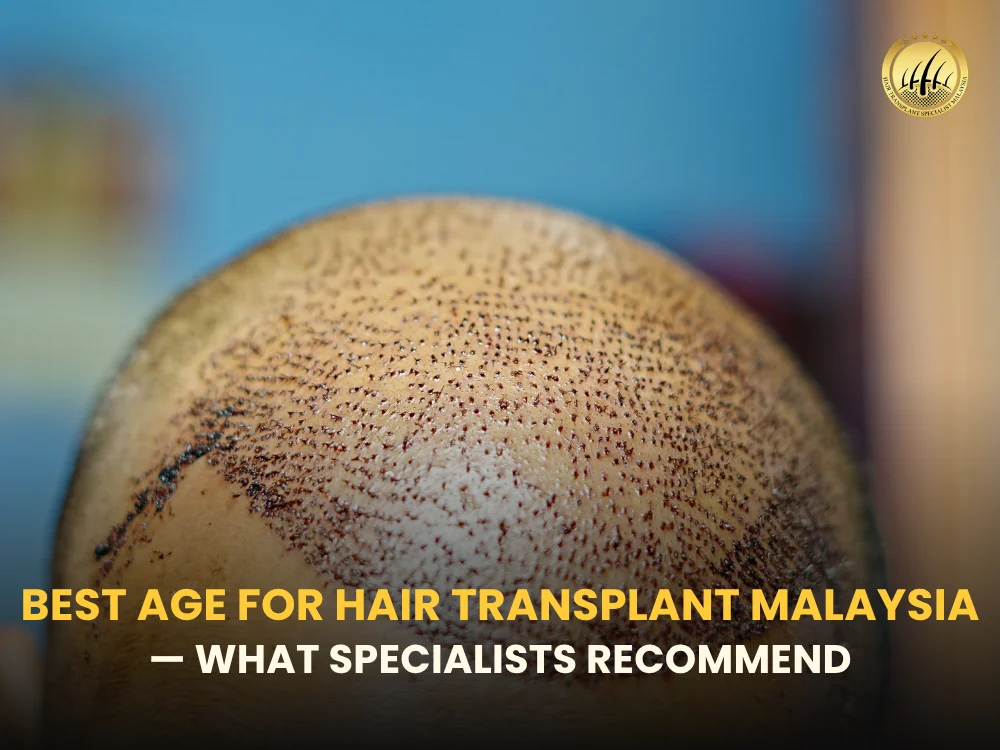
The best age hair transplant question is one of the most common concerns for people experiencing hair loss. Many individuals in Malaysia begin researching hair restoration once they notice thinning hair, a receding hairline, or bald patches. While modern techniques such as Follicular Unit Extraction and Follicular Unit Transplantation offer reliable results, specialists often emphasize that timing matters as much as the procedure itself. Choosing the right age can improve long-term results, preserve donor hair, and reduce the likelihood of needing multiple procedures later. Understanding Hair Loss Before Considering Surgery Hair transplantation works by relocating healthy hair follicles from the donor area (usually the back of the scalp) to areas affected by hair loss. The most common cause of hair loss treated with transplantation is Androgenetic Alopecia, often called male pattern baldness or female pattern hair loss. This condition is influenced by genetics and hormones, particularly the hormone Dihydrotestosterone (DHT), which gradually shrinks hair follicles. Common signs include: Receding hairline Thinning crown Widening part line Overall hair density reduction Because this condition progresses over time, doctors carefully evaluate whether a patient’s hair loss pattern has stabilized before recommending surgery. Why Age Hair Transplant Matters in Planning Hair transplantation is a long-term solution, but hair loss often continues as people age. If surgery is performed too early, surrounding hair may continue to thin, creating an unnatural pattern or requiring additional procedures. Hair specialists consider several factors when evaluating the ideal timing: Age and stage of hair loss Stability of hair loss pattern Donor hair availability Family history of baldness Long-term hair restoration goals For these reasons, doctors usually recommend careful assessment before performing surgery on younger patients. Recommended Age Hair Transplant Range Although there is no universal rule, many hair restoration specialists consider the late 20s to early 40s to be an ideal period for hair transplantation. This age range often allows: More predictable hair loss patterns Better long-term planning Sufficient donor hair availability Techniques like Follicular Unit Extraction have made procedures less invasive, but the principle of strategic timing still remains critical. Age Hair Transplant in Your Early 20s Some individuals begin experiencing noticeable hair loss in their early twenties. While it may be tempting to seek immediate surgical correction, many doctors recommend caution. Potential concerns at this age Hair loss may still be progressing rapidly The final baldness pattern may not be clear Excessive use of donor hair early on may limit future procedures Instead of immediate surgery, doctors often suggest medical treatments such as Finasteride or Minoxidil to slow hair loss and stabilize the condition. These treatments may help preserve existing hair while delaying surgery until a more predictable stage. Age Hair Transplant in Your Late 20s to 30s For many individuals, the late twenties and thirties represent the most common age for hair transplant procedures. By this stage: Hair loss patterns are usually clearer Patients can plan long-term hairline design Donor hair supply is typically strong Surgeons can create a hairline that will continue to look natural as aging progresses. Patients in this age group also tend to have realistic expectations about the results of surgery. Age Hair Transplant in Your 40s and Beyond Hair transplantation can still be very successful for patients in their forties or older. In fact, older patients sometimes have more stable hair loss patterns, making surgical planning easier. Benefits for older patients may include: Clear understanding of baldness progression More realistic expectations Stable donor areas However, the overall health of the scalp and hair follicles must still be evaluated carefully before proceeding. Factors That Influence the Best Age Hair Transplant Decision Age Hair Transplant does not determine whether someone is a good candidate for surgery. Specialists evaluate several important factors. Hair Loss Stability Doctors assess whether hair loss has slowed or stabilized. If hair loss is still progressing rapidly, surgery may be postponed. Donor Hair Quality Successful transplantation depends on healthy donor follicles from the back or sides of the scalp. Thicker donor hair usually produces better cosmetic results. Hair Density Goals Patients seeking very dense coverage may require more grafts, which affects long-term planning. Overall Health Medical history and scalp health also play important roles in determining candidacy for hair restoration. Modern Hair Transplant Techniques Advances in technology have significantly improved hair transplant procedures. Two widely used techniques include: Follicular Unit Extraction (FUE) Follicular Unit Extraction involves extracting individual hair follicles from the donor area and implanting them into thinning areas. Benefits include: Minimal scarring Faster recovery Natural-looking results Follicular Unit Transplantation (FUT) Follicular Unit Transplantation involves removing a strip of scalp from the donor area and dividing it into follicular grafts. Although it leaves a linear scar, FUT can sometimes provide a larger number of grafts in a single session. How Specialists Design a Natural Hairline Hairline design is one of the most critical elements of a successful transplant. Doctors consider several aesthetic factors: Facial proportions Age progression Ethnic hair characteristics Hair density distribution A hairline that looks natural at age 30 should still appear appropriate at age 50. This is why experienced surgeons avoid creating hairlines that are unrealistically low or dense. Can Hair Transplants Prevent Future Hair Loss? Hair transplantation restores hair to areas that are already thinning or bald. However, it does not stop ongoing hair loss caused by Androgenetic Alopecia. Doctors often recommend ongoing treatments such as: Finasteride Minoxidil Platelet-Rich Plasma Therapy These treatments help maintain existing hair and support long-term results. Choosing the Right Hair Transplant Clinic in Malaysia When considering a age hair transplant in Malaysia, selecting the right clinic plays a major role in achieving safe, natural-looking, and long-lasting results. With many providers offering hair restoration services, patients should take time to evaluate several key factors before making a decision. Qualified and Experienced SurgeonsThe expertise of the surgeon is one of the most important considerations. Look for doctors who specialize specifically in hair restoration rather than general cosmetic procedures. An experienced surgeon understands hairline design, graft placement, and density planning—details that significantly
Hair Mesotherapy Malaysia — Benefits, Cost & Comparison With PRP
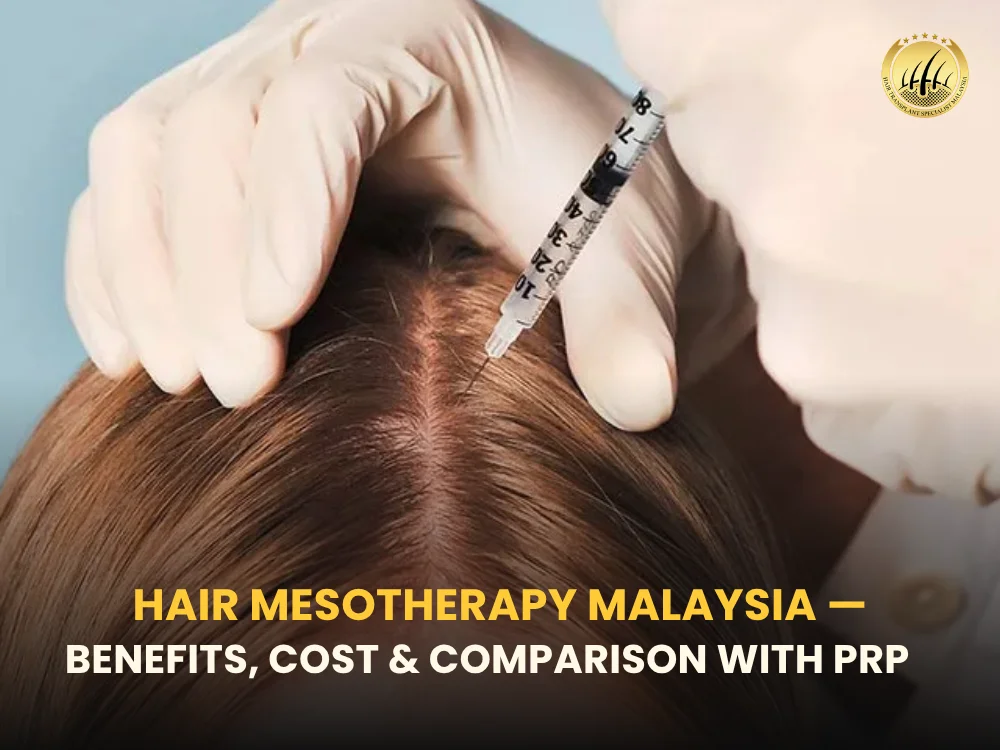
Hair loss is a common concern affecting both men and women. Many individuals explore non-surgical treatments before considering procedures like hair transplantation. One option that has gained attention in recent years is hair mesotherapy, a treatment designed to deliver nutrients directly into the scalp to support healthier hair growth. In Malaysia, hair mesotherapy is often offered by aesthetic clinics as part of a broader hair restoration program. This guide explains how the treatment works, its potential benefits, cost considerations, and how it compares with other options such as Platelet-Rich Plasma Therapy. What Is Hair Mesotherapy? Hair mesotherapy is a minimally invasive treatment that involves injecting a customized blend of vitamins, amino acids, minerals, and growth factors into the scalp. The technique originates from Mesotherapy, which was initially developed for skin rejuvenation and fat reduction. When applied to the scalp, mesotherapy targets hair follicles to support healthier growth. These microinjections deliver nutrients directly into the layer of skin where hair follicles are located. The goal is to improve scalp health, stimulate follicles, and encourage stronger hair growth. How Hair Mesotherapy Works Hair follicles require nutrients and healthy blood circulation to function properly. In individuals experiencing hair thinning or early hair loss, the scalp environment may lack the nutrients needed for optimal hair growth. Hair mesotherapy works by delivering beneficial compounds into the Hair Follicle. Common ingredients used in mesotherapy solutions include: Vitamins such as B-complex and biotin Amino acids that support keratin production Minerals that nourish the scalp Peptides and growth factors These ingredients may help strengthen hair roots and support natural hair growth cycles. Conditions Hair Mesotherapy May Help Treat Hair mesotherapy is commonly used as a supportive treatment for several hair concerns. These include: Early Hair Thinning Individuals noticing gradual hair thinning may use mesotherapy to support follicle health. Pattern Hair Loss Mesotherapy is sometimes used alongside medical treatments for Androgenetic Alopecia. Hair Weakness or Breakage Poor scalp nutrition may lead to brittle hair strands. Nutrient injections may help improve hair strength. Stress-Related Hair Shedding Hair shedding related to conditions such as Telogen Effluvium may sometimes be addressed with supportive scalp treatments. Benefits of Hair Mesotherapy Many individuals consider hair mesotherapy because it offers a non-surgical approach to hair restoration. Potential benefits include: Improved Scalp Nutrition Direct delivery of vitamins and nutrients helps nourish the scalp environment. Stronger Hair Roots Hair follicles may become healthier when supplied with adequate nutrients. Minimally Invasive Treatment Hair mesotherapy involves tiny injections and does not require surgery. Short Treatment Sessions Most sessions typically last between 30 and 45 minutes. Minimal Downtime Patients can usually resume normal daily activities shortly after treatment. Hair Mesotherapy vs PRP: What’s the Difference? Hair mesotherapy is often compared with Platelet-Rich Plasma Therapy, another popular hair restoration treatment. Although both procedures involve scalp injections, they work in different ways. Hair Mesotherapy Uses nutrient-based injection solutions Focuses on improving scalp nutrition Typically involves multiple sessions PRP Hair Treatment PRP involves drawing the patient’s blood, processing it, and injecting platelet-rich plasma back into the scalp. The platelets contain natural growth factors that may stimulate hair follicles. Key Differences Feature Hair Mesotherapy PRP Source of treatment Vitamins and nutrients Patient’s blood Goal Improve scalp nutrition Stimulate follicle growth Preparation Pre-mixed solution Blood processing required Some clinics combine both treatments to enhance overall results. Hair Mesotherapy Cost in Malaysia The cost of hair mesotherapy in Malaysia varies depending on the clinic, treatment formula, and number of sessions required. Typical price ranges may include: RM300 to RM800 per session Most patients require 4 to 8 sessions spaced several weeks apart. Factors influencing cost may include: Clinic reputation Doctor expertise Treatment ingredients Additional therapies used Consultation with a qualified practitioner helps determine the most suitable treatment plan. What to Expect During the Procedure Hair mesotherapy sessions are generally straightforward. The process may include: Consultation The doctor evaluates the scalp and hair condition before recommending treatment. Scalp Preparation The scalp is cleaned and sometimes numbed using a topical anesthetic. Microinjections Small amounts of the mesotherapy solution are injected into targeted areas of the scalp. Post-Treatment Care Patients may be advised to avoid washing their hair for several hours after treatment. When Will Results Appear? Hair growth follows a natural cycle, which means results from hair mesotherapy develop gradually rather than immediately. Because hair follicles need time to transition from the resting phase into active growth, patience is an important part of the process. In the early stages of treatment, some patients may notice subtle improvements within the first few weeks. These initial changes often include reduced hair shedding and a healthier scalp environment, indicating that the treatment is beginning to take effect. By around 6 to 8 weeks, improvements in hair texture may become more noticeable. Hair strands may feel stronger, thicker, and less prone to breakage as the follicles receive better nourishment. More visible changes—such as a gradual increase in hair density and the appearance of new hair growth—typically occur between 3 to 4 months. However, the exact timeline can vary depending on individual factors, including: Severity of hair thinning or loss Age and overall health Underlying scalp conditions Consistency of treatment sessions For optimal results, patients are usually advised to follow a structured treatment plan and attend sessions regularly. Since hair growth is a continuous cycle, maintaining consistency helps support long-term improvements and more noticeable outcomes over time. Who Is a Good Candidate for Hair Mesotherapy? Hair mesotherapy is best suited for individuals in the earlier stages of hair loss or those looking to improve overall scalp and hair health without undergoing surgery. Because the treatment works by nourishing and stimulating existing hair follicles, it is most effective when those follicles are still active. You may be a good candidate for hair mesotherapy if you: Experience mild to moderate hair thinningIndividuals with early-stage hair loss often respond better, as the hair follicles are still viable and capable of regrowth. Prefer non-surgical treatmentsHair mesotherapy is a minimally invasive option, making it appealing for those
Exosome Hair Treatment Malaysia — What It Is & Is It Worth It?
Hair loss affects millions of people worldwide, and new regenerative treatments continue to emerge in aesthetic medicine. One of the latest innovations gaining attention is exosome hair treatment, a therapy designed to support hair follicle health and stimulate hair growth. In Malaysia, many aesthetic clinics are beginning to offer this treatment as an alternative or complement to traditional therapies. But what exactly is exosome hair treatment, and is it worth considering? This guide explores how it works, its potential benefits, and what patients should know before choosing this therapy. What Is Exosome Hair Treatment? Exosome hair treatment is a regenerative therapy that uses microscopic particles called exosomes to support cellular communication and tissue repair. Exosomes are naturally released by cells and contain biological materials such as proteins, lipids, and growth factors. These molecules help regulate cellular functions and healing processes. In aesthetic medicine, exosomes are commonly derived from Exosome sources and applied to the scalp to encourage healthier hair follicle activity. When used for hair restoration, exosomes may help stimulate hair follicles, improve scalp health, and support hair regrowth. How Exosome Hair Treatment Works Hair follicles rely on a healthy microenvironment to grow strong hair strands. Exosome-based therapies deliver signaling molecules that may encourage follicle regeneration and improve the scalp environment. These treatments often work alongside regenerative therapies such as Platelet-Rich Plasma Therapy, which also uses growth factors to stimulate hair follicles. The Treatment Process A typical exosome hair treatment session may include: Scalp cleansing and preparation Microneedling or microinjections into the scalp Application of exosome solution Post-treatment scalp care instructions Some clinics use Microneedling to create microchannels that help deliver exosomes deeper into the scalp. Conditions Exosome Therapy May Address Exosome therapy is commonly explored for several types of hair loss. Male Pattern Hair Loss One of the most common causes of hair thinning is Androgenetic Alopecia, also known as male pattern baldness. Exosome therapy may help stimulate follicles that are still active but weakened. Female Pattern Hair Loss Women experiencing thinning hair due to hormonal changes may also benefit from regenerative scalp therapies. Hair Thinning and Weak Hair Growth Individuals with early-stage hair thinning may consider exosome therapy to support healthier hair growth cycles. Potential Benefits of Exosome Hair Treatment Although research is still developing, some potential benefits may include: Stimulating Hair Follicles Exosomes contain signaling molecules that may encourage follicle activity and promote hair growth. Supporting Scalp Health The treatment may improve scalp conditions that affect hair growth. Non-Surgical Option Unlike Hair Transplantation, exosome therapy is non-surgical and requires minimal downtime. Complementary Therapy Some patients use exosomes alongside treatments like Minoxidil to enhance overall hair restoration results. What to Expect During Treatment Most sessions typically take 30 to 60 minutes. Patients may experience mild redness or sensitivity in the treated area, but these effects usually resolve quickly. Doctors may recommend multiple sessions spaced several weeks apart for optimal results. When Do Results Appear? Like most hair restoration treatments, exosome therapy does not produce immediate results. Hair growth follows natural biological cycles, so visible improvements take time and typically occur in stages rather than all at once. Typical Timeline Patients may begin to notice early changes within 3 to 6 months after starting treatment. However, the progression often looks like this: First 4–8 weeks: Minimal visible change; some patients notice reduced hair shedding 2–3 months: Early signs of improvement, such as stronger, healthier-looking hair 3–6 months: Noticeable increase in hair density and thickness 6–12 months: Continued improvement as more hair follicles enter the growth phase Why Results Take Time Hair grows in cycles consisting of growth (anagen), transition (catagen), and resting (telogen) phases. Exosome therapy works by stimulating dormant or weakened hair follicles, but these follicles still need time to re-enter the active growth phase. Because of this, results appear gradually and progressively, rather than instantly. Factors That Influence Results The speed and extent of improvement can vary depending on: Severity of hair loss: Early-stage thinning often responds faster than advanced hair loss Age: Younger individuals may experience quicker follicle response Scalp condition: Healthy scalp environments support better outcomes Consistency of treatment: Completing the recommended sessions improves effectiveness Lifestyle factors: Nutrition, stress levels, and overall health also play a role Setting Realistic Expectations Patients should view exosome therapy as a progressive treatment, not a quick fix. Consistency and patience are key, and results are usually more noticeable when combined with a comprehensive hair care or medical treatment plan. Is Exosome Hair Treatment Safe? Exosome hair therapy is generally considered a safe and minimally invasive procedure, especially when performed by trained and qualified medical professionals. Because the treatment typically involves superficial injections or microneedling rather than surgery, the overall risk profile is relatively low compared to more invasive hair restoration options. However, safety largely depends on where and how the treatment is performed. Patients should always choose reputable clinics that adhere to strict medical standards, including proper sourcing, handling, and storage of exosome products. Ensuring that the practitioner uses clinically approved and sterile materials is essential to minimize risks. Who Is a Good Candidate? Exosome hair treatment may be suitable for individuals who: Are experiencing early-stage hair thinning Want non-surgical hair restoration options Are not ready for hair transplant surgery Want to complement other hair loss treatments However, individuals with advanced baldness may require more comprehensive treatment options. Comparing Exosome Therapy with Other Hair Treatments Hair restoration options vary depending on the severity of hair loss. Exosome Therapy vs PRP Both therapies aim to stimulate hair follicles. However, Platelet-Rich Plasma Therapy uses the patient’s own blood-derived growth factors, while exosome therapy delivers signaling molecules derived from cellular sources. Exosome Therapy vs Hair Transplant Hair transplant surgery involves relocating healthy hair follicles using procedures such as Follicular Unit Extraction. This surgical method may be more suitable for advanced hair loss. Exosome therapy is typically used earlier in the hair loss process. Cost of Exosome Hair Treatment in Malaysia The cost of exosome hair treatment in Malaysia can vary widely
Failed Hair Transplant Malaysia — How to Repair Bad Results
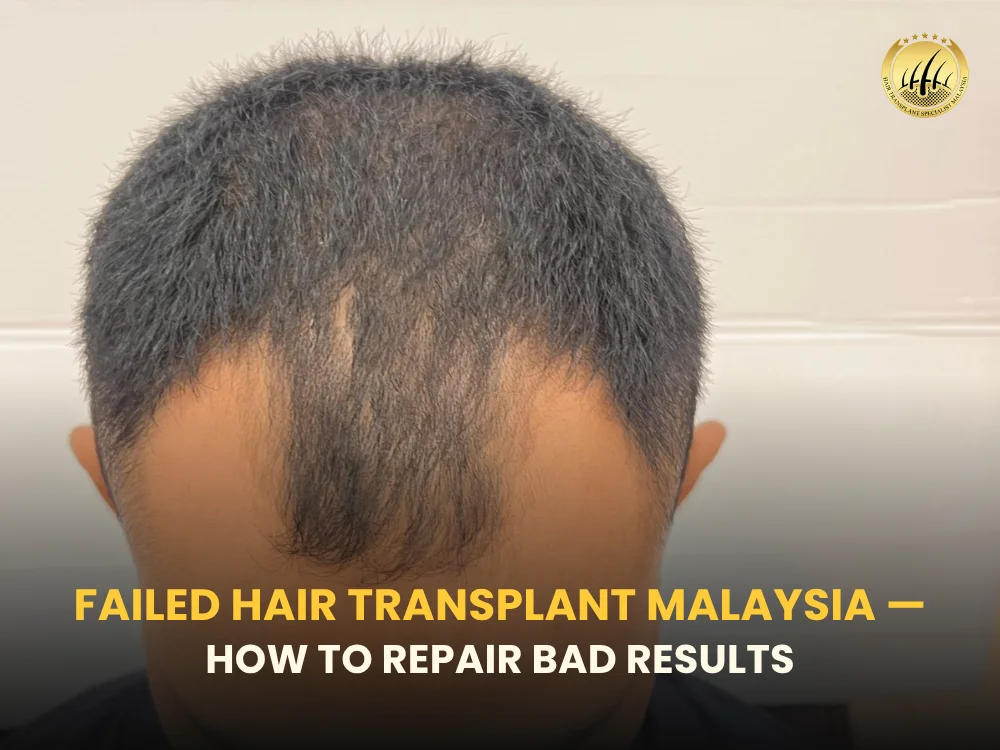
Hair transplantation has become a widely accepted solution for hair loss. However, not every procedure delivers the expected outcome. A failed hair transplant can leave patients feeling frustrated or self-conscious due to unnatural hairlines, poor density, or visible scarring. Fortunately, modern hair restoration techniques offer ways to correct many of these issues. In Malaysia, experienced hair transplant specialists often perform corrective procedures to improve the appearance of unsuccessful surgeries. This guide explains the causes of failed hair transplants and the available treatment options to repair them. Understanding Failed Hair Transplant Results A failed hair transplant occurs when the procedure does not achieve natural-looking growth, adequate density, or proper hairline design. In some cases, the transplanted grafts may not survive, or the results may look artificial. Hair restoration procedures such as Hair Transplantation aim to move healthy hair follicles from a donor area to thinning or bald regions. When performed properly, the results typically look natural and permanent. However, poor technique, incorrect planning, or unrealistic expectations may lead to unsatisfactory outcomes. Common Signs of a Failed Hair Transplant Several signs may indicate that a hair transplant did not achieve optimal results. Unnatural Hairline One of the most noticeable problems is an unnatural hairline that looks too straight, too low, or poorly positioned. A natural hairline usually has slight irregularities and varying hair density. When grafts are implanted incorrectly, the result can look artificial. Poor Hair Density Some patients experience thin or patchy coverage after surgery. This may occur if: Too few grafts were implanted Grafts did not survive the procedure Poor surgical technique damaged follicles Density problems can sometimes be corrected with additional graft placement. Visible Scarring Older surgical techniques such as Follicular Unit Transplantation may leave linear scars if not performed properly. Scarring may also occur when grafts are extracted incorrectly during Follicular Unit Extraction procedures. Visible scars can be distressing, particularly for patients who prefer short hairstyles. Unnatural Hair Growth Direction Hair grows in specific angles and directions depending on the area of the scalp. If grafts are implanted incorrectly, hair may grow in awkward directions, creating an unnatural appearance. Pluggy or “Doll Hair” Look Older transplant methods sometimes created a plug-like appearance, where thick clusters of hair were placed in unnatural patterns. Modern techniques aim to replicate natural follicular groupings to avoid this issue. Why Do Hair Transplants Fail? Hair transplant failures can occur for several reasons. Inexperienced Surgeon Hair transplantation requires advanced surgical skill and aesthetic planning. Poorly trained practitioners may miscalculate graft placement, density, or hairline design. Poor Donor Area Management The donor area is the source of healthy hair follicles. Overharvesting grafts can cause visible thinning or scarring in the donor region. Low Graft Survival Hair grafts are delicate and must be handled carefully. Improper handling during Hair Transplantation may reduce survival rates. Factors affecting graft survival include: Poor storage conditions Prolonged surgery time Trauma to follicles Progressive Hair Loss Hair loss conditions such as Androgenetic Alopecia continue progressing over time. If surrounding hair continues to thin after surgery, transplanted areas may appear unnatural or isolated. Unrealistic Expectations Some patients expect extremely dense coverage in a single session. However, hair transplantation has biological limitations. Experienced surgeons typically design treatments that consider future hair loss patterns. How Failed Hair Transplants Can Be Repaired Fortunately, several techniques can help improve unsuccessful results. Corrective Hair Transplant Surgery The most common solution is a repair hair transplant, where new grafts are strategically placed to improve density and hairline shape. Surgeons often use Follicular Unit Extraction for repair procedures because it allows precise graft placement. Hairline Redesign Corrective procedures may involve creating a more natural hairline. Doctors remove or reposition poorly placed grafts and implant new follicles in a natural pattern. Scar Camouflage Visible scars may be treated with: Additional hair grafts Scar revision procedures Scalp Micropigmentation Scalp micropigmentation creates the illusion of hair density by depositing pigment into the scalp. Laser or Skin Treatments In some cases, skin treatments may improve the appearance of scars or uneven scalp texture. Examples include: Laser resurfacing Microneedling PRP therapy These treatments may complement surgical correction. When Should You Consider Repair Surgery? Patients may consider repair procedures if they experience: Unnatural hairline design Poor density Visible scarring Patchy or uneven growth Doctors typically recommend waiting 9 to 12 months after the initial transplant before corrective surgery. This allows enough time to evaluate the final results. Choosing the Right Clinic in Malaysia Selecting an experienced surgeon is critical when repairing a failed transplant. Important factors include: Surgeon experience in corrective cases Proven results in hair restoration Detailed consultation and planning Transparent discussion of realistic expectations A skilled specialist can evaluate the scalp and donor area to design a customized repair strategy. Preventing Failed Hair Transplant While modern hair transplant techniques are highly advanced, achieving optimal results still depends on careful planning, proper technique, and good aftercare. Although not all complications can be completely avoided, several key steps can significantly reduce the risk of poor graft survival or unsatisfactory outcomes. Choose an Experienced Surgeon Hair transplantation is both a surgical procedure and an artistic process. The skill of the surgeon plays a major role in determining how natural and dense the final result will look. Patients are encouraged to: Review the surgeon’s qualifications and experience Examine before-and-after photos of real patients Look for consistent, natural-looking hairlines Ensure the procedure is performed by a licensed medical professional An experienced surgeon understands graft handling, hairline design, and proper implantation angles—all critical factors for graft survival and aesthetic success. Follow Post-Surgery Instructions After the procedure, newly transplanted grafts are delicate and require proper care to heal and grow successfully. Typical aftercare recommendations include: Avoid touching, scratching, or rubbing the scalp Follow specific washing instructions provided by the clinic Sleep with your head elevated during the first few days Avoid strenuous exercise or activities that cause sweating Protect the scalp from direct sun exposure Adhering to these guidelines helps reduce the risk of infection, graft dislodgement, and poor