Hair Loss Steroid Injections: 7 Surprising Truths to Know

Hair loss steroid injections are one of the most commonly recommended treatments for conditions like alopecia areata, inflammation-based thinning, and patchy bald spots. While many people have heard about injections, few truly understand how they work, their safety, or who benefits most. This guide breaks down the real facts—7 surprising truths you should know before deciding. Whether you’re considering injections or exploring alternatives such as PRP or hair transplant surgery, this article will help you make an informed decision. 1. Hair Loss Steroid Injections Work Best for Inflammatory Forms of Hair Loss Many people assume hair loss steroid injections help with all types of thinning, but this isn’t true. Steroid injections—often using triamcinolone acetonide—are highly effective for alopecia areata, an autoimmune condition where the immune system attacks hair follicles. The injections reduce inflammation around the follicle, allowing hair to regrow naturally. They are not usually the first choice for: Male pattern hair loss (androgenetic alopecia) Female pattern hair thinning Genetic or hormonal hair loss Hair loss caused by poor nutrition or stress For those types, treatments like minoxidil, DHT blockers, PRP therapy, hair fillers, or hair transplantation work better. 2. Hair Loss Steroid Injections Results Are Often Faster Than Many Other Treatments While topical or oral treatments can take months, steroid injections often produce visible improvement within: 4–6 weeks for mild cases 8–12 weeks for more severe patches This fast action happens because the injection directly targets the inflammatory reaction that blocks hair growth. However, results vary: Some people regrow hair quickly Some experience partial regrowth Others may need repeated sessions every 4–6 weeks Steroid injections are not a permanent cure—they manage flare-ups, not the root autoimmune cause. 3. Hair Loss Steroid Injections Are Considered Safe When Properly Administered A major misconception is that steroid injections are dangerous. When used properly by trained medical professionals, they are considered safe and effective. Common mild side effects: Temporary redness Mild pain at injection site Temporary skin thinning (if too high a dose is used) Rare but possible: Sunken appearance on the skin (atrophy) Lightening or darkening of the skin These risks can be minimized by choosing a clinic with dermatologists or ABHRS/ISHRS-certified hair specialists who understand correct dosing. 4. They Don’t Work for Everyone—and Don’t Stop Underlying Causes Steroid injections are a symptom-based treatment, not a root-cause therapy. They may not respond well if: Alopecia areata is widespread Hair follicles have been inactive for too long A person has an aggressive autoimmune reaction The patches are large (requiring other forms of therapy) In such cases, doctors may recommend: Topical immunotherapy Oral steroids PRP injections Hair growth serums Hair transplant (for stable, non-inflammatory conditions) Combining therapies often leads to better long-term results. 5. Hair Loss Steroid Injections Procedure Is Quick, Straightforward, and Minimally Painful Steroid injections for hair loss are outpatient-based and typically take 5–15 minutes. A standard session includes: Scalp assessment Mapping the affected areas Multiple micro-injections into the thinning or bald spots Aftercare recommendations Discomfort is usually minor because the needles are fine. Some clinics use numbing spray for added comfort. This makes steroid injections an attractive option for those who want: Minimal downtime Fast appointments No major lifestyle restrictions 6. Hair Loss Steroid Injections Are Affordable Compared to Advanced Hair Treatments One surprising truth is how cost-effective steroid injections are compared to other modern hair loss procedures. Typical price range (varies by clinic & area size treated):RM150 – RM600 per session Compared to: PRP therapy: RM900 – RM2,000/session Hair fillers: RM1,000 – RM2,500/session Hair transplant: RM7,000 – RM18,000+ This affordability makes steroid injections a good first-line option for inflammatory hair loss before exploring more advanced treatments. 7. Hair Loss Steroid Injections Are Often Part of a Bigger Hair Restoration Plan Today’s hair specialists rarely rely on a single treatment for lasting results. Steroid injections are usually part of a multi-therapy program. Depending on your condition, your doctor may combine them with: Minoxidil PRP (Platelet-Rich Plasma) LLLT laser therapy Growth factor injections Hormonal balancing for women Hair transplantation (if hair loss is permanent) This integrative approach is more effective because it targets inflammation, follicles, blood flow, and long-term hair health. Who Is the Best Candidate for Hair Loss Steroid Injections? Steroid injections for hair loss—especially intralesional corticosteroid injections—are most effective for certain types of hair loss. You may be a good candidate if you have: Alopecia areataAn autoimmune condition where the body attacks its own hair follicles, leading to sudden, defined bald patches. Patchy bald spotsSmall, isolated areas of hair loss respond well because steroids help reduce inflammation around those follicles. Sudden circular or coin-sized hair lossEarly, localized patches tend to regrow faster with timely treatment. Visible inflammation around hair folliclesRedness, swelling, or tenderness could indicate inflammatory hair loss, which often reacts well to steroids. Stress-triggered shedding (case by case)In some individuals, stress-related alopecia areata may improve with steroid injections if inflammation is present. Who May Not Be Suitable? Steroid injections are not universal for all types of hair loss. You may not be an ideal candidate if: You have diffuse thinningThinning all over the scalp (like telogen effluvium) is not treated with steroids. You have genetic pattern hair lossConditions like male or female pattern baldness require other treatments (e.g., minoxidil, finasteride—not for minors). You want long-lasting or permanent resultsSteroid injections help temporarily reduce inflammation but don’t prevent future autoimmune attacks. Your bald patches are very largeWidespread hair loss is harder to target with injections and may require systemic treatment instead. You have scarring alopeciaThis is a separate condition where follicles are permanently damaged and requires a different medical approach. Final Note: Consultation Is Essential A proper scalp examination and diagnosis by a certified hair specialist is crucial. Many types of hair loss look similar on the surface, so getting the correct diagnosis ensures you receive the right treatment and avoid delays in regrowth. How Many Sessions Do You Need? The number of steroid injection sessions needed varies depending on how active your hair loss is and how long the bald
Eyebrow Hair Transplant Surgery: 7 Life-Changing Benefits You Should Know
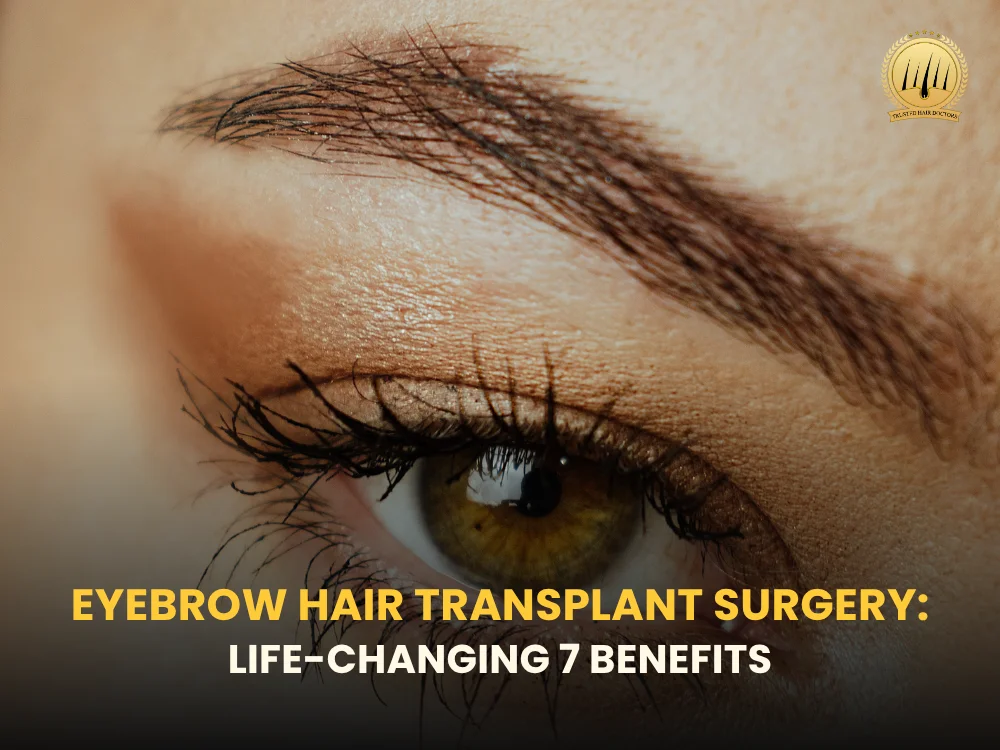
Eyebrows play a huge role in defining facial symmetry, expressions, and confidence. When thinning, over-plucking, scars, or genetic factors lead to sparse brows, many people start seeking long-term solutions beyond makeup or microblading. This is where eyebrow hair transplant surgery—a precise, minimally invasive procedure—becomes a game-changer. What Is Eyebrow Hair Transplant Surgery? Eyebrow hair transplant surgery is a meticulous aesthetic procedure that relocates individual hair follicles from a donor area—usually the back of the scalp—to the brows. Surgeons use advanced techniques like FUE (Follicular Unit Extraction) to recreate natural-looking, fuller eyebrows that grow permanently. Unlike makeup, microblading, or tinting, this solution restores real hair that can be shaped, trimmed, and styled just like natural brows. 1. Permanent, Natural-Looking Eyebrow Growth Most brow-enhancing methods (microblading, pigments, henna) fade over time, requiring retouching. Eyebrow hair transplant surgery, however, uses real hair follicles—meaning your new brows grow naturally, permanently, and with authentic texture. This makes it ideal for people who want: Natural-looking eyebrows Long-lasting results Zero reliance on makeup Once the transplanted follicles settle, they behave like normal eyebrow hairs and stay for life. 2. Customizable Shape, Density, and Brow Design One of the greatest benefits is precision. Using micro-incision techniques, experienced surgeons can design brows that match: Your face shape Your bone structure Your natural brow flow Personal styling preferences (soft arch, straight brows, fuller tail) This customization ensures the final result complements your unique appearance rather than looking generic or tattoo-like. 3. Ideal for Scars, Over-Plucking, or Trauma-Induced Thinning Eyebrow hair transplant surgery is also a restorative procedure for people with: Old over-plucking damage Scars from injuries or accidents Burns Trichotillomania recovery Hair loss due to medical conditions Naturally sparse brows due to genetics Unlike microblading—which doesn’t work well on scar tissue—transplanted follicles can grow naturally over uneven or scarred skin. 4. Minimal Downtime & Highly Predictable Results Modern FUE techniques allow: Tiny extraction punches (0.6–0.8mm) Minimal scarring Faster healing Predictable graft survival rates Most patients return to normal routines in 1–3 days. Full results typically appear within 4–6 months, with continued improvements up to 12 months. This makes it one of the most efficient cosmetic procedures available today. 5. A Long-Term Cost-Effective Solution Although the upfront investment is higher than temporary methods, eyebrow transplant surgery becomes the most cost-effective over time. Compare the average long-term costs: Method Longevity Long-term Cost Microblading 12–18 months Repetitive costs Brow tinting 2–6 weeks Frequent upkeep Eyebrow makeup Daily Continuous cost Eyebrow transplant Permanent One-time cost This procedure pays for itself in the long run—while offering superior results. 6. Boosts Confidence and Enhances Facial Harmony Full, well-structured eyebrows instantly: Frame the face Lift the eyes Soften harsh lines Improve facial balance Make expressions more defined For many people, eyebrow restoration delivers a noticeable self-esteem boost, eliminating any hesitation about sparse brows or asymmetry. 7. Safe, Minimally Invasive, and Suitable for Most People Eyebrow transplant surgery is considered low-risk when performed by certified experts. Key safety advantages include: Local anesthesia only No large incisions Minimal bleeding Quick recovery Precise hair placement at perfect angles (10–15 degrees for brows) When performed by professionals with advanced training in facial follicular micro-transplantation, the procedure is safe, effective, and tailored to each patient. How Eyebrow Hair Transplant Surgery Works (Step-by-Step) 1. Personal Consultation & Brow Assessment A specialist evaluates: Brow shape Current density Skin condition Donor area quality Brow goals Digital brow mapping is often used to plan the final shape. 2. Designing the Ideal Eyebrow Shape Surgeons recreate natural growth patterns, including: Direction Curl Thickness Angulation This step ensures a harmonious result that fits your face. 3. Donor Hair Extraction (Usually FUE) Using ultra-fine punches, individual grafts (follicular units) are harvested from the scalp. These grafts usually contain single hairs — perfect for delicate eyebrow work. 4. Micro-Incision Creation The surgeon creates precise channels on the brow area, following natural patterns. 5. Graft Implantation Each hair is placed one by one, mimicking: Growth direction Brow curvature Density Flow This is where artistry matters most—experienced surgeons create remarkably natural results. 6. Healing & Aftercare Recovery involves: Mild redness for 1–3 days Small scabs for up to 7 days Temporary shedding (normal shock loss) Visible new growth within 3 months Full results in 9–12 months Patients can resume daily activities very soon. Potential Risks & How to Minimize Them Although safe, eyebrow hair transplant surgery carries general medical risks such as: Mild swelling or redness Temporary shedding Follicle misdirection if performed by non-specialists Uneven density (rare with experienced surgeons) Choosing a board-certified, highly experienced surgeon significantly reduces these risks. Who Is a Good Candidate? Not everyone needs eyebrow hair transplant surgery, but many people discover that this treatment is the best long-term solution for restoring natural, fuller brows. You may be an ideal candidate if you experience any of the following: 1. Thin, Patchy, or Uneven BrowsIf your brows look sparse or grow unevenly, a transplant can help create a balanced, symmetrical shape. 2. Previous Over-PluckingYears of tweezing can permanently damage eyebrow follicles. Transplants are one of the few ways to restore natural hair growth in these areas. 3. Scarring on the Eyebrow AreaInjury, burns, or surgical scars can stop hair from growing. Transplanting healthy follicles helps camouflage these areas and blend them seamlessly with your natural brow. 4. Genetic Brow ThinningSome people are simply born with naturally fine or low-density eyebrows. A transplant can safely increase thickness while keeping a natural look. 5. Trauma-Induced Hair LossAccidents, skin conditions, or medical treatments may cause brow loss. A transplant can reintroduce permanent hair growth. 6. Unsatisfying Results from Microblading or Brow TattoosIf tattoos or microblading look uneven, faded, or unnatural, a transplant offers a much more realistic alternative using real hair. 7. Desire for Long-Lasting, Natural BrowsUnlike makeup or semi-permanent procedures, eyebrow transplants provide lifelong growth that can be shaped and trimmed just like normal brow hair. Before proceeding, a detailed consultation is essential. Your surgeon will assess the strength of your donor area, review your brow goals, and determine whether
Rambut Nipis: Punca, Cara Atasi & Rawtan Berkesan
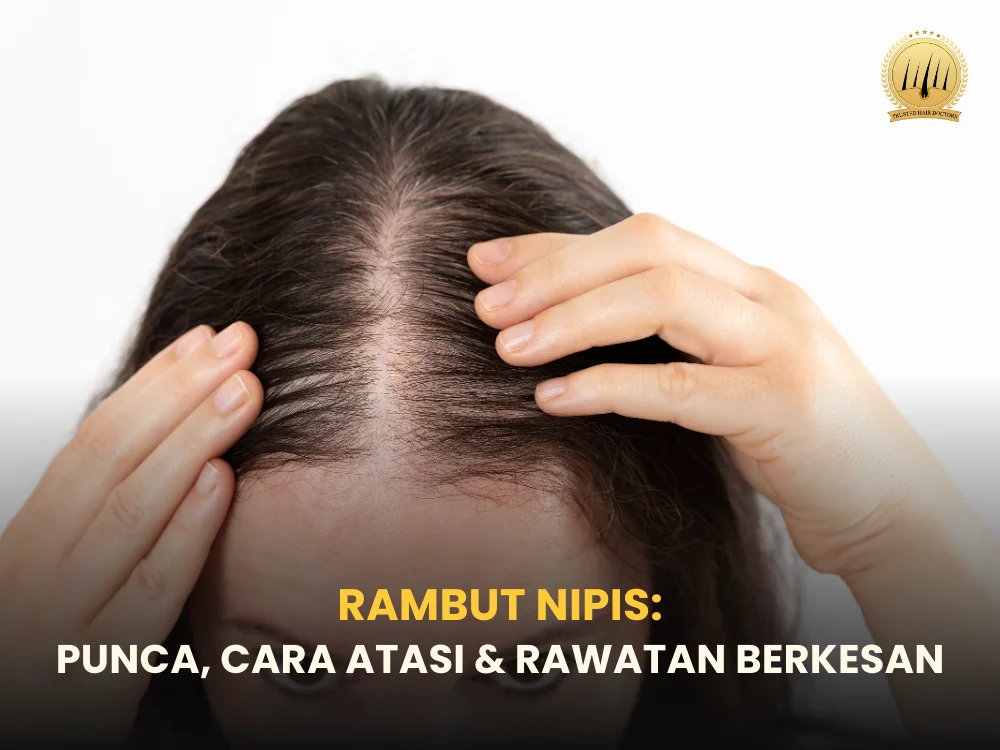
Masalah rambut nipis kini semakin kerap berlaku kepada lelaki dan wanita, terutama akibat stres, gaya hidup moden, kekurangan nutrisi, dan penggunaan produk rambut yang agresif. Dalam ini, penting untuk memahami bahawa rambut nipis bukan sekadar isu kosmetik—ia berkait rapat dengan keadaan kulit kepala, kekuatan akar rambut, hormon, dan faktor keturunan. Walaupun ramai menganggap rambut nipis sebagai proses penuaan normal, hakikatnya banyak solusi moden dan rawatan berkesan yang dapat membantu memulihkan ketebalan rambut dengan selamat. Artikel ini akan menerangkan punca, cara mengatasi, dan rawatan terbaik untuk masalah ini. Apakah Yang Dimaksudkan Dengan Rambut Nipis? Rambut nipis merujuk kepada keadaan di mana diameter helaian rambut menjadi lebih kecil atau jumlah folikel rambut berkurangan. Ia menyebabkan rambut kelihatan jarang, tidak bermaya, dan sukar digayakan. Tanda-Tanda Rambut Menjadi Nipis Antara tanda awal rambut mula menipis ialah: Bahagian tengah kepala kelihatan jarang Rambut mudah putus Rambut terasa lembik & kurang volume “Baby hair” semakin berkurangan Rambut gugur lebih 50–100 helai sehari Terdapat tompokan nipis pada kulit kepala Jika tanda-tanda ini dikesan awal, rawatan dapat berfungsi lebih baik. Punca Utama Rambut Nipis Masalah rambut nipis mungkin berpunca daripada satu atau gabungan beberapa faktor seperti: Ketidakseimbangan Hormon Termasuk perubahan hormon wanita selepas bersalin atau ketidakseimbangan hormon tiroid. Keturunan (Androgenetic Alopecia) Salah satu punca paling biasa dalam kalangan lelaki dan wanita. Stres & Keletihan Stres kronik menyebabkan rambut masuk fasa “telogen effluvium”, iaitu fasa rehat sebelum gugur. Kekurangan Nutrisi Kekurangan zat besi, zinc, vitamin D, biotin dan protein boleh melemahkan akar rambut. Penggunaan Produk Kimia Pewarna rambut, bleaching, pelurus, atau penggunaan hair dryer berlebihan. Keadaan Kulit Kepala Masalah seperti kelemumur teruk, psoriasis dan dermatitis seboroik juga menghalang pertumbuhan rambut sihat. Bagaimana Rambut Menjadi Nipis Secara Biologi? Rambut manusia tumbuh melalui proses yang kompleks dan dikawal oleh pelbagai faktor biologi, termasuk hormon, folikel rambut, dan kitaran pertumbuhan rambut itu sendiri. Setiap helai rambut melalui tiga fasa utama dalam hair growth cycle: Anagen – Fasa PertumbuhanIni adalah fasa aktif di mana folikel rambut menghasilkan sel-sel rambut baru. Rambut pada fasa ini biasanya lebih tebal dan panjang kerana folikel berfungsi secara optimum. Fasa anagen boleh berlangsung antara 2 hingga 7 tahun, bergantung pada faktor genetik dan kesihatan individu. Catagen – Fasa PeralihanPada fasa ini, pertumbuhan rambut perlahan, dan folikel mula mengecut. Ia biasanya berlangsung sekitar 2–3 minggu. Rambut tidak lagi menerima nutrien seperti pada fasa anagen, dan folikel bersiap untuk fasa seterusnya. Telogen – Fasa RehatFasa ini adalah tempoh rehat folikel, di mana rambut lama akan gugur untuk memberi laluan kepada rambut baru. Fasa telogen biasanya berlangsung 2–3 bulan. Jika terlalu banyak rambut berada dalam fasa ini, rambut kelihatan lebih nipis dan jarang. Peranan Hormon dan Folikel Rambut Hormon, khususnya DHT (dihydrotestosterone), memainkan peranan penting dalam menipiskan rambut. DHT boleh menyebabkan folikel rambut mengecil (follicular miniaturization), menjadikan rambut yang dihasilkan lebih halus dan pendek. Apabila folikel terus mengecil, kitaran rambut terganggu: fasa anagen menjadi lebih pendek, sementara fasa telogen boleh menjadi lebih panjang, menyebabkan rambut gugur lebih cepat daripada pertumbuhan baru. Faktor Tambahan yang Menyumbang Kepada Rambut Nipis Selain hormon DHT, beberapa faktor lain juga boleh mempengaruhi folikel rambut dan menyebabkan rambut nipis: Stres fizikal atau psikologi: Tekanan kronik boleh mengganggu kitaran pertumbuhan rambut, mendorong lebih banyak rambut masuk ke fasa telogen. Nutrisi tidak mencukupi: Kekurangan protein, zat besi, atau vitamin tertentu boleh melemahkan folikel rambut, menghasilkan rambut halus. Penuaan: Seiring usia, folikel rambut kehilangan kemampuan menghasilkan rambut tebal secara konsisten. Kesemua faktor ini bergabung untuk menghasilkan rambut yang semakin halus dan nipis dari masa ke masa. Memahami mekanisme biologi ini membantu dalam memilih rawatan atau suplemen yang sesuai untuk memperlambat proses penipisan rambut. Cara Mengatasi Rambut Nipis dengan Berkesan Terdapat banyak cara untuk memperbaiki keadaan rambut nipis. Berikut ialah cadangan paling berkesan: 1. Gunakan Shampoo Penguat Rambut Shampoo dengan bahan seperti biotin, keratin, niacinamide, atau cafein membantu menambah kekuatan helaian rambut. 2. Elakkan Produk Kimia Kasar Kurangkan pewarna rambut, bleaching, atau penggunaan bahan ammonia. 3. Massage Kulit Kepala Secara Konsisten Pergerakan urutan membantu merangsang aliran darah ke folikel rambut. 4. Gunakan Serum Anti-Rontok Serum yang mengandungi peptide, minyak rosemary, atau growth factor boleh menguatkan akar rambut. 5. Ambil Suplemen Rambut Suplemen seperti biotin, vitamin D, omega-3, iron dan zinc membantu menyokong pertumbuhan rambut. Makanan Yang Membantu Rambut Menjadi Lebih Tebal Diet memainkan peranan penting dalam kekuatan rambut. Antara makanan terbaik ialah: Telur (protein & biotin) Bayam (zat besi) Salmon (omega-3) Kekacang (zinc & vitamin E) Avokado (lemak sihat) Sweet potato (beta-carotene) Diet seimbang membantu rambut tumbuh sihat dan tebal. Rawatan Klinik Untuk Rambut Nipis Apabila masalah rambut nipis berpunca daripada faktor hormon, keradangan kulit kepala, genetik, atau kerosakan folikel, rawatan klinikal selalunya memberikan hasil lebih ketara berbanding penggunaan produk biasa. Rawatan di klinik biasanya dilakukan oleh doktor estetik atau pakar rambut yang menggunakan teknologi perubatan moden untuk merangsang pertumbuhan rambut, menguatkan folikel, serta memperbaiki kesihatan kulit kepala. PRP (Platelet-Rich Plasma) Rawatan PRP menggunakan plasma darah pesakit sendiri yang kaya dengan platelet dan faktor pertumbuhan semula jadi. Prosesnya melibatkan pengambilan sedikit darah, memisahkan plasma melalui mesin centrifuge, kemudian menyuntik plasma pekat itu ke kawasan kulit kepala yang nipis.Rawatan ini: Merangsang folikel rambut yang lemah Meningkatkan peredaran darah pada kulit kepala Menguatkan akar rambut dari dalam Sesuai bagi mereka yang mengalami rambut menipis akibat stres, hormon, atau alopecia ringan Keberkesanannya biasanya dapat dilihat selepas beberapa sesi berkala. Low-Level Laser Therapy (LLLT) LLLT ialah terapi menggunakan cahaya laser berintensiti rendah yang tidak menyebabkan panas atau kesakitan. Rawatan ini bertindak terus pada sel folikel bagi meningkatkan aktiviti selular dan mempercepatkan pertumbuhan rambut baharu.Kelebihan LLLT termasuk: Tidak invasif dan tidak memerlukan suntikan Tiada downtime Menguatkan rambut sedia ada dan mengurangkan rambut gugur Sesuai digunakan bersama rawatan lain seperti PRP atau serum pertumbuhan rambut Ia adalah pilihan popular untuk mereka yang mahu rawatan lembut tetapi berkesan Hair Filler / Growth Factor Injection Rawatan ini melibatkan suntikan mikro pada kulit kepala menggunakan formula aktif seperti: Peptida Asid Hyaluronik Growth factors Vitamin dan nutrien penting Formula ini membantu mengaktifkan folikel rambut yang lemah, memperbaiki peredaran mikro, dan meningkatkan ketebalan rambut. Berbanding PRP yang menggunakan plasma semula jadi,
Tanam Kening: Panduan Lengkap & Selamat
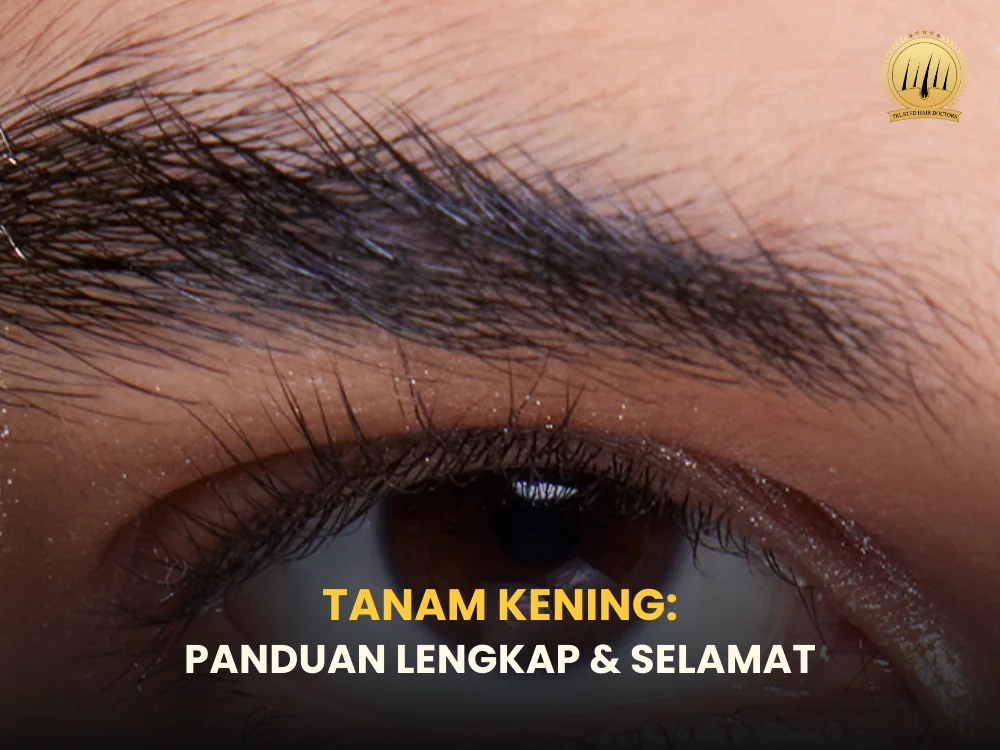
Ramai individu kini memilih prosedur tanam kening bagi mendapatkan bentuk kening yang lebih tebal, cantik, dan semula jadi. Tidak kira akibat terlalu kerap mencabut, parut, hormon, atau faktor genetik, tanam kening menjadi pilihan kerana ia memberikan hasil kekal dan kelihatan natural. Dalam 100 patah perkataan pertama ini, penting untuk menjelaskan bahawa tanam kening ialah rawatan pemindahan folikel rambut halus ke kawasan kening untuk menghasilkan bentuk yang lebih terisi dan rapi. Prosedur ini semakin popular di Malaysia kerana teknik moden menjadikannya selamat, minimal downtime, dan keputusan yang tahan lama. Apa Itu Prosedur Tanam Kening? Tanam kening ialah prosedur pemindahan rambut menggunakan teknik hair transplant seperti FUE (Follicular Unit Extraction). Folikel rambut dari belakang kepala dipilih kerana sifatnya yang halus dan sesuai menyerupai rambut kening. Pakar bedah kemudian menanam folikel tersebut satu per satu untuk menghasilkan bentuk kening yang simetri dan tampak semula jadi. Ia dianggap sebagai rawatan estetika yang lebih kekal berbanding microblading, shading atau embroidery eyebrows. Siapa Yang Sesuai Mendapatkan Tanam Kening? Prosedur tanam kening sesuai untuk pelbagai individu yang ingin memperbaiki bentuk, ketebalan, atau keseluruhan rupa kening mereka. Antara golongan yang paling mendapat manfaat daripada rawatan ini termasuk: Kening nipis sejak lahir Ada individu yang sememangnya mempunyai kening yang sangat nipis atau jarang sejak kecil. Walaupun menggunakan pensil kening atau solekan boleh membantu, tanam kening memberikan hasil yang lebih semula jadi dan kekal. Kehilangan kening akibat terlalu kerap mencabut Mereka yang pernah mencabut kening secara berlebihan—terutamanya pada zaman remaja—sering mengalami pertumbuhan yang tidak kembali normal. Tanam kening membantu mengembalikan bentuk kening yang hilang dan menjadikannya lebih seimbang. Parut di bahagian kening Kesan luka, terbakar, atau kecederaan pada kening boleh menyebabkan kawasan tersebut tidak ditumbuhi rambut. Prosedur tanam kening boleh menutup kesan parut dengan pertumbuhan rambut baharu yang menyerupai kening asal. Masalah hormon seperti tiroid Isu hormon, khususnya hipotiroidisme, boleh menyebabkan rambut kening gugur atau menjadi sangat nipis. Tanam kening menawarkan penyelesaian jangka panjang bagi mengisi ruang yang kosong atau jarang. Rambut kening menipis akibat penuaan Seiring usia meningkat, pertumbuhan rambut secara semula jadi berkurang. Ini termasuklah rambut kening yang semakin nipis dan kurang berbentuk. Tanam kening mampu memberi kesan “lifting” pada wajah melalui kening yang lebih penuh. Individu yang ingin kening lebih tebal, feminin atau maskulin mengikut gaya wajah Bagi mereka yang inginkan gaya kening tertentu—sama ada tebal, lembut feminin, atau tegas maskulin—prosedur ini membolehkan bentuk ideal dicapai mengikut kehendak dan struktur muka masing-masing. Penilaian Kelayakan Sebelum rawatan dilakukan, pakar akan menilai kawasan donor (biasanya bahagian belakang kepala) untuk memastikan ketebalan dan kesesuaian rambut yang akan dipindahkan. Rambut donor perlu mempunyai tekstur yang hampir sama dengan rambut kening agar hasilnya kelihatan semula jadi. Pakar juga akan menilai keadaan kulit, tahap kerapian pertumbuhan rambut, serta matlamat estetik anda sebelum mengesahkan kelayakan. Jika anda ingin, saya boleh bantu mengembangkan lagi teks ini, menjadikannya artikel penuh, atau mengubahnya mengikut gaya tertentu. Teknik Tanam Kening Yang Paling Digunakan LSI Keywords: eyebrow transplant, eyebrow restoration, teknik FUE, tanam bulu kening. FUE (Follicular Unit Extraction) Teknik terbaik dan paling popular untuk tanam kening. Folikel diambil satu per satu menggunakan alat mikro. Tanpa parut ketara Lebih selamat dan cepat sembuh Memberi hasil yang sangat natural Implan Mikro Teknik manual berketepatan tinggi untuk mengatur arah rambut mengikut aliran semula jadi kening. Pemilihan teknik bergantung pada ketebalan rambut, tekstur, dan bentuk kening yang diinginkan. Proses Tanam Kening Secara Terperinci Berikut adalah langkah lengkap bagi memahami prosedur: Konsultasi Dengan Pakar Pakar akan menilai bentuk muka, simetri kening, dan ketebalan rambut donor sebelum mencadangkan jumlah graft yang diperlukan. Lukisan Bentuk Kening Bentuk kening akan dirangka berdasarkan struktur wajah, keinginan pesakit, dan ciri natural alignment. Pengambilan Rambut Donor Biasanya di bahagian belakang kepala. Rambut yang dipilih mestilah halus dan bersesuaian dengan tekstur kening. Implan Folikel Setiap folikel ditanam mengikut sudut kening semula jadi (biasanya 10–15 darjah). Ini memastikan hasilnya tidak terpacak atau kelihatan pelik. Pemulihan Ringkas Kebiasaannya hanya mengambil 3–7 hari. Berapa Jumlah Graft Untuk Tanam Kening? Jumlah graft yang diperlukan untuk prosedur tanam kening berbeza bagi setiap individu kerana setiap orang mempunyai bentuk wajah, ketebalan kening, dan matlamat estetik yang berbeza. Secara umum, kebanyakan pesakit memerlukan antara 200 hingga 400 graft bagi kedua-dua belah kening. Angka ini cukup untuk menghasilkan kening yang kelihatan semula jadi, penuh, dan seimbang dengan struktur wajah. Faktor Penentu Jumlah Graft Beberapa faktor penting akan menentukan jumlah sebenar graft yang diperlukan: Keadaan kening semasa Jika kening anda sememangnya sangat jarang atau hampir tiada rambut, lebih banyak graft mungkin diperlukan bagi mengisi keseluruhan kawasan. Namun, jika anda hanya mahu menambah ketebalan sedikit pada bentuk yang sudah ada, jumlah graft yang lebih kecil mungkin mencukupi. Sama ada terdapat parut Kawasan kening yang mempunyai parut biasanya memerlukan perhatian khusus kerana folikel rambut sukar tumbuh dengan baik pada tisu parut. Oleh itu, pakar mungkin akan merancang jumlah graft tambahan bagi memastikan hasil yang sekata dan penuh. Ketebalan yang diinginkan Setiap orang mempunyai gaya dan cita rasa yang berbeza. Ada yang inginkan kening tebal, bold, dan dramatik, manakala yang lain lebih suka gaya lembut dan natural. Lebih tebal kening yang anda inginkan, lebih banyak graft yang diperlukan untuk mencapai rupa tersebut. Bentuk muka dan simetri mata Pakar juga akan mempertimbangkan bentuk keseluruhan wajah dan jarak antara mata untuk menentukan jumlah graft yang sesuai. Kening yang seimbang dengan struktur wajah akan memberikan kesan harmoni, menonjolkan ekspresi, dan meningkatkan karakter wajah. Jika anda mahu, saya boleh bantu menulisnya dalam bentuk artikel, posting media sosial, atau salinan pemasaran klinik. Berapa Harga Tanam Kening di Malaysia? Kos tanam kening di Malaysia boleh berbeza-beza bergantung pada pelbagai faktor, termasuk pengalaman doktor, teknik yang digunakan, tahap kesukaran kes, serta jumlah graft yang diperlukan. Oleh kerana tanam kening ialah prosedur yang memerlukan ketelitian tinggi—terutamanya dalam menentukan arah, sudut, dan pertumbuhan rambut baharu—harga biasanya mencerminkan tahap kepakaran dan teknologi yang digunakan. Secara umum, kebanyakan klinik akan menilai keadaan kening anda terlebih dahulu sebelum memberikan anggaran kos yang tepat. Proses menilai harga ini termasuk analisis bentuk wajah, ketumpatan rambut donor, tekstur rambut, serta keputusan akhir yang diinginkan oleh pesakit. Purata Harga di Malaysia Di Malaysia, harga tanam kening biasanya
Vitamin Untuk Rambut Gugur: Panduan Lengkap & Berkesan
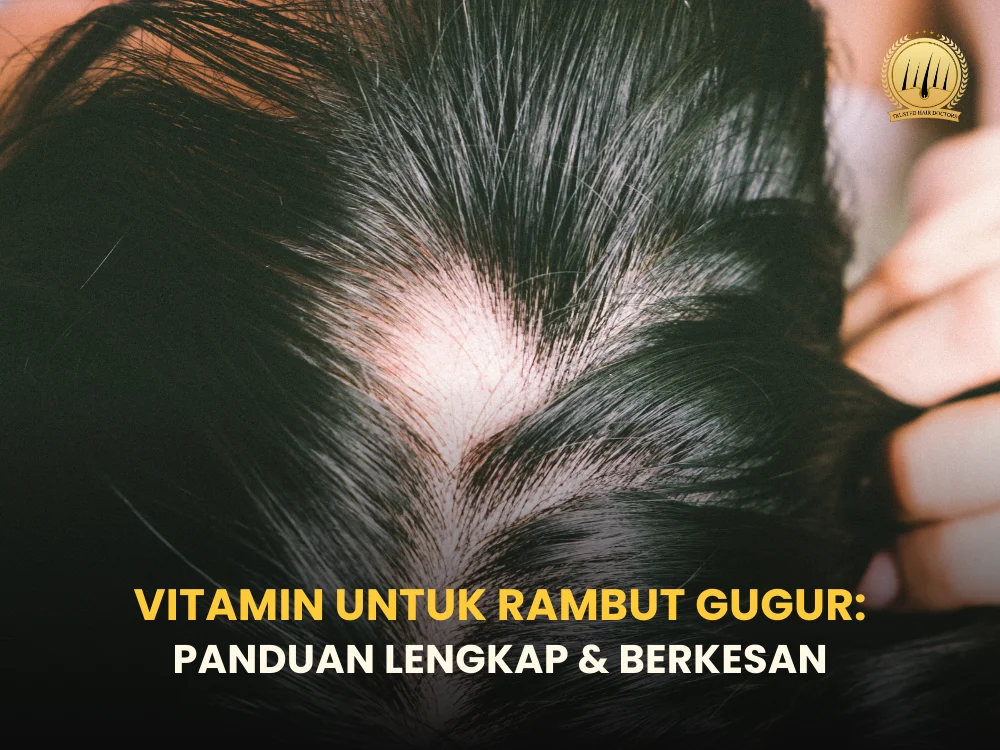
Masalah rambut gugur sering terjadi akibat tekanan, hormon tidak stabil, kekurangan nutrisi, atau penggunaan produk rambut yang tidak sesuai. Ramai pakar rambut bersetuju bahawa mengambil vitamin untuk rambut gugur secara konsisten boleh membantu menguatkan akar, memperbaiki struktur helaian, dan menggalakkan pertumbuhan rambut baharu. Dengan memilih vitamin yang tepat, anda boleh merasakan perubahan yang lebih sihat, kuat, dan kurang rapuh dalam tempoh beberapa minggu. Apakah Punca Sebenar Rambut Gugur? Keguguran rambut boleh berlaku kepada sesiapa sahaja, lelaki atau wanita. Beberapa punca lazim termasuk: Kekurangan nutrisi penting seperti biotin, vitamin D, zat besi. Tekanan berlebihan, gaya hidup tidak seimbang. Perubahan hormon, terutamanya selepas bersalin. Keturunan (androgenetic alopecia). Masalah kulit kepala seperti kelemumur kronik atau dermatitis. Penggunaan alat styling panas yang kerap. Pengambilan ubat tertentu seperti ubat hormon atau rawatan kanser. Memahami puncanya membantu memilih vitamin yang sesuai untuk keadaan rambut anda. Bagaimana Vitamin Membantu Mengurangkan Rambut Gugur? Vitamin yang betul bekerja dari dalam tubuh dan memainkan peranan penting dalam menyokong kesihatan rambut secara menyeluruh. Setiap nutrien memberi fungsi khusus untuk memastikan rambut kekal kuat, sihat, dan kurang mudah gugur. Antaranya termasuk: 1. Menguatkan folikel rambut Folikel rambut ialah struktur kecil pada kulit kepala yang bertanggungjawab menghasilkan helaian rambut. Vitamin seperti Vitamin A, B-Complex, C, D, dan E membantu menyalurkan nutrisi yang diperlukan oleh folikel supaya ia kekal kukuh. Apabila folikel menjadi lebih kuat, rambut kurang mudah patah atau tercabut. 2. Menambah peredaran darah ke kulit kepala Vitamin seperti Vitamin E dan B3 (Niacin) membantu meningkatkan aliran darah ke kulit kepala. Peredaran darah yang baik membawa lebih banyak oksigen dan nutrien ke folikel rambut. Ini menyebabkan rambut tumbuh dengan lebih sihat dan mengurangkan risiko rambut gugur akibat folikel yang lemah. 3. Meningkatkan penghasilan keratin Keratin ialah protein utama yang membentuk struktur rambut. Nutrien seperti Biotin (Vitamin B7), Vitamin C, dan protein membantu merangsang penghasilan keratin. Apabila keratin mencukupi, rambut menjadi lebih tebal, kuat, dan kurang rapuh. 4. Melindungi rambut daripada radikal bebas Radikal bebas boleh merosakkan sel-sel rambut dan kulit kepala. Vitamin seperti Vitamin C dan E bertindak sebagai antioksidan semula jadi yang melindungi rambut daripada kerosakan akibat pencemaran, sinaran UV, dan tekanan oksidatif. Perlindungan ini membantu rambut kekal sihat dan mengurangkan kadar keguguran. 5. Menyokong pertumbuhan rambut baharu yang lebih kuat Vitamin D, B12, dan zat besi membantu menggalakkan pertumbuhan rambut baharu. Rambut yang tumbuh dengan cukup nutrisi biasanya lebih tebal, lebih kuat, dan tidak mudah gugur. Secara keseluruhan, nutrisi yang mencukupi membantu mengekalkan rambut lebih lama dalam fasa pertumbuhan (anagen). Ini bermakna rambut tidak mudah masuk ke fasa rehat (telogen) atau fasa gugur (catagen), sekali gus mengurangkan jumlah rambut gugur setiap hari. Jika tubuh kekurangan vitamin tertentu, folikel rambut melemah, kitaran pertumbuhan terganggu, dan rambut lebih mudah gugur. Oleh itu, pengambilan vitamin yang tepat dan seimbang sangat penting untuk mengekalkan rambut yang sihat, kuat, dan bersinar. Vitamin Penting untuk Rambut Lebih Kuat dan Lebat Berikut vitamin yang sering disarankan pakar dermatologi dan pakar trikologi: Biotin (Vitamin B7) Biotin terkenal sebagai vitamin “penguat rambut”. Ia membantu menghasilkan keratin, mengurangkan rambut rapuh, dan menyokong pertumbuhan helai lebih sihat. Vitamin D Kekurangan vitamin D sering dikaitkan dengan keguguran rambut. Vitamin ini membantu merangsang folikel dorman supaya rambut mula tumbuh semula. Vitamin E Sebagai antioksidan kuat, ia mengurangkan keradangan kulit kepala dan melindungi akar daripada kerosakan oksidatif. Vitamin C Membantu menyerap zat besi, menghasilkan kolagen, dan mengurangkan rambut nipis akibat tekanan oksidatif. Vitamin A Perlu dalam kuantiti seimbang. Ia membantu penghasilan sebum untuk mengelakkan kulit kepala kering, tetapi pengambilan berlebihan boleh menyebabkan keguguran rambut. Zat Besi Wanita sering mengalami kekurangan zat besi akibat haid. Kekurangan zat besi antara punca utama rambut gugur kronik. Zink Membantu menyeimbangkan hormon dan memperbaiki tisu rambut yang rosak. Bagaimana Memilih Vitamin Untuk Rambut Gugur Yang Betul? Apabila memilih suplemen, utamakan: Formulasi lengkap (biotin, zink, vitamin D, vitamin C). Jenama yang mempunyai pensijilan keselamatan. Dos sesuai – elakkan dos terlalu tinggi, terutama vitamin A. Testimoni kukuh dan sokongan kajian klinikal. Bebas bahan berbahaya seperti gelatin berlebihan, pewarna sintetik. Jika anda mempunyai keadaan kesihatan tertentu, dapatkan nasihat doktor sebelum mengambil suplemen. Makanan Tinggi Vitamin Untuk Rambut Gugur Selain suplemen, makanan harian membantu menambah kekurangan nutrisi: Telur (biotin, protein) Bayam (zat besi, vitamin C) Ikan salmon (omega-3, vitamin D) Kacang badam (vitamin E) Avokado (lemak sihat, vitamin B) Daging merah (zat besi) Buah beri (antioksidan) Pengambilan makanan seimbang membantu mempercepatkan pemulihan rambut. Cara Menggunakan Vitamin Dengan Betul Untuk memastikan vitamin rambut memberikan kesan yang maksimum, cara pengambilannya memainkan peranan yang sangat penting. Penggunaan yang betul bukan sahaja membantu rambut tumbuh lebih sihat, malah mempercepatkan proses pemulihan bagi mereka yang mengalami rambut gugur. Berikut adalah panduan lengkap untuk mendapatkan hasil terbaik: 1. Ambil vitamin selepas makan Mengambil vitamin selepas makan membantu tubuh menyerap nutrisi dengan lebih baik. Vitamin larut lemak seperti Vitamin A, D, E, dan K memerlukan kehadiran lemak daripada makanan untuk diserap dengan optimum. Selain itu, mengambil vitamin selepas makan juga mengurangkan risiko ketidakselesaan perut atau rasa mual yang kadang-kadang berlaku apabila mengambil suplemen dengan perut kosong. 2. Konsisten sekurang-kurangnya 8–12 minggu Rambut memerlukan masa untuk melalui kitaran pertumbuhan. Biasanya, perubahan ketara hanya dapat dilihat selepas 2–3 bulan penggunaan yang konsisten. Ini kerana folikel rambut perlu cukup masa untuk menguat, memperbaiki kerosakan, dan menghasilkan helaian rambut baharu. Konsistensi adalah kunci—penggunaan tidak teratur boleh melambatkan hasil. 3. Padankan dengan penjagaan rambut lembut dan bebas SLS Syampu atau produk rambut yang mengandungi SLS (Sodium Lauryl Sulfate) boleh melucutkan minyak semula jadi rambut dan menjadikan kulit kepala lebih kering atau sensitif. Pilih produk yang lembut, bebas bahan kimia keras, serta sesuai untuk rambut rapuh atau mudah gugur. Vitamin berfungsi dari dalam, manakala penjagaan rambut tanpa SLS membantu mengurangkan kerosakan dari luar. 4. Kurangkan penggunaan alat panas seperti hair dryer dan catok Alat haba boleh merosakkan lapisan luar rambut, menyebabkan rambut mudah patah, bercabang, dan rapuh. Jika anda perlu menggunakan alat panas, pastikan anda menggunakan suhu rendah dan memakai heat protectant. Mengurangkan haba memberi ruang untuk rambut pulih dan membolehkan vitamin bekerja dengan lebih berkesan. 5. Urut kulit kepala setiap hari untuk merangsang peredaran darah