Stem Cell Injection for Hair Loss: 5 Powerful Reasons
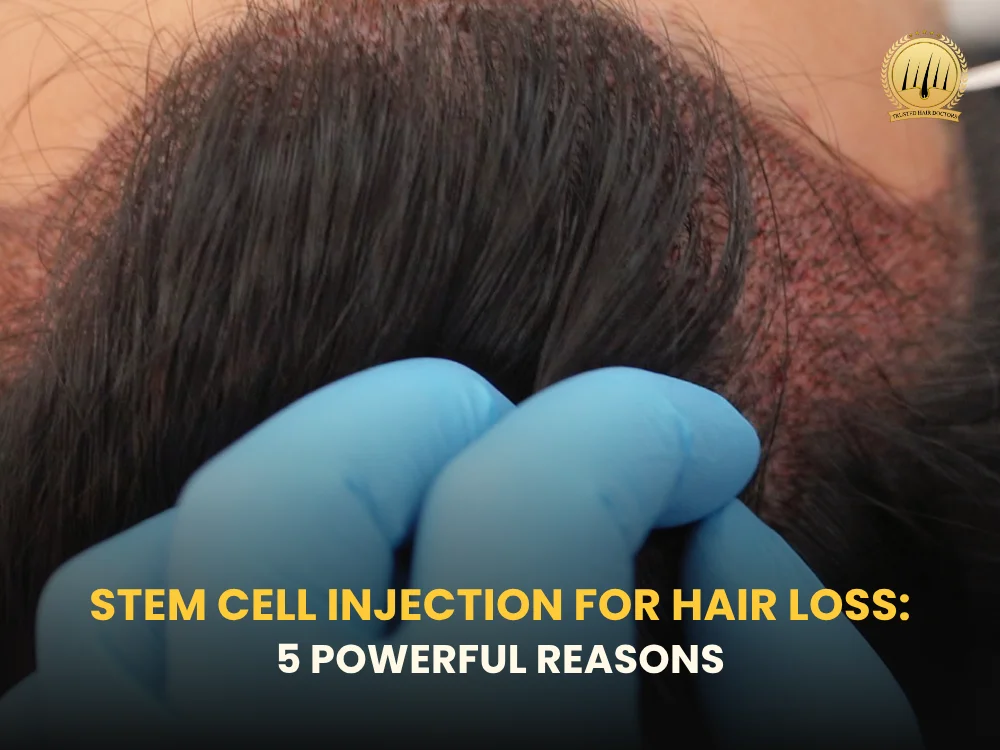
If you’re exploring options to treat hair thinning or bald patches, you’ve likely come across the term stem cell injection for hair loss. This emerging approach draws a lot of attention, and it’s easy to get excited—but it’s also important to understand what it truly offers, what it doesn’t yet guarantee, and how it stacks up against established treatments. In this article we’ll dive into five compelling reasons why stem-cell-based treatments may be worth considering, backed by current science and practical insight. We’ll also cover common questions at the end so you get a full picture before making decisions. Stem cell injection for hair loss – what is it? In essence, a stem cell injection for hair loss involves harvesting stem cells (often from adipose/fat tissue, hair follicles or other donor sources), processing them in the laboratory and then injecting the cellular suspension into the scalp area affected by hair loss. The goal is either to stimulate dormant hair follicles, promote growth in miniaturised follicles, or regenerate new hair-follicle structures. It’s still an emerging field rather than a fully standardised mainstream therapy. Reason 1: Potential to reactivate dormant follicles One of the most promising aspects is that stem cell injection for hair loss may help “wake up” hair follicles that have become dormant rather than totally lost. Research shows that stem cell-derived treatments can improve hair-growth and density in conditions like Androgenetic Alopecia (pattern hair loss) by re-stimulating existing follicles. For people who still retain follicles (even if thin), this opens up a pathway beyond just transplanting hair. Reason 2: Regenerative potential beyond standard medications Traditional treatments like Minoxidil or Finasteride act primarily by slowing hair-loss or extending the growth phase of hair — they don’t replace lost follicles. Stem cell interventions aim at a deeper level of regeneration: either generating new follicle units or revitalising the micro-environment of the scalp to support better growth. Research reviews suggest this is a promising alternative or adjunct to conventional therapies. Reason 3: Improved hair density and volume – early data look encouraging Although full-scale long-term data are still emerging, initial clinical and animal studies show measurable improvements in hair density and thickness after stem cell-based treatments. For example, one review reports improved hair growth following stem cell injections in both men and women with hair-loss conditions. That said, results vary and are not yet guaranteed, but for many patients these improvements are meaningful. Reason 4: Minimally invasive with potential for fewer side-effects Compared with full surgical hair-transplant operations, stem cell injections are relatively minimally invasive: they typically require a local anaesthetic, small needle injections in the scalp (and possibly a donor harvest), and shorter recovery time. Because the technique is still under investigation, patients should still understand risks, but the less-invasive nature is attractive. Reason 5: Synergistic with other hair-restoration treatments Another strong reason is that stem cell injections can complement other treatments: for instance combining them with hair-transplant procedures (such as FUE/FUT), or alongside PRP (platelet-rich plasma) therapy, medications and lifestyle interventions. Research supports their use as adjunctive therapies to boost overall results. This versatility means they may fit into a holistic hair-restoration plan rather than a one-size-fits-all method. Key considerations & current limitations Not yet fully standardised/approved: Many stem-cell treatments for hair-loss remain investigational. Regulatory approvals like from the U.S. Food & Drug Administration (FDA) are not yet in place for all protocols. Variability in results: Because protocols (cell types, injection sites, number of sessions) differ widely, outcomes can differ. Larger, high-quality trials are still needed. Cost and access: Being advanced therapies, stem cell injections tend to cost more than standard treatments. Patient suitability: Best suited for individuals who still have viable donor follicles or some remaining follicle structure; less suitable when scalp donor zones are severely depleted. Time to results: It can take several months to see meaningful changes; patience and follow-up are key. What happens during a stem cell injection procedure? A stem-cell injection procedure for hair loss is a minimally invasive regenerative therapy designed to stimulate dormant hair follicles, improve scalp health, and encourage natural hair regrowth. While exact techniques may vary depending on the clinic and stem-cell source, most procedures follow a series of well-defined stages: Consultation and Assessment:The process begins with a comprehensive consultation. A specialist or trichologist evaluates your pattern and severity of hair loss, reviews your medical history, and assesses the overall health of your scalp and donor areas. Diagnostic tools such as dermoscopy or trichoscopy may be used to measure follicle activity and hair density. This stage determines whether you’re a suitable candidate for stem-cell therapy and sets realistic expectations for results. Donor Harvest:Once approved, stem cells are collected from a donor source within your body. The most common method involves harvesting adipose-derived stem cells (ADSCs) from a small sample of fat tissue, usually taken from the abdomen or thigh under local anesthesia. Alternatively, stem cells can be extracted from the hair follicle bulge region or even from bone marrow in some advanced protocols. These cells are prized for their regenerative capacity and ability to secrete growth factors that encourage follicle repair and new hair formation. Processing:After collection, the harvested material undergoes processing in a sterile laboratory environment. This typically involves centrifugation to separate the stem-cell-rich fraction from other tissue components. Depending on the clinic, this may produce a concentrated stem-cell suspension, stromal vascular fraction (SVF), or stem-cell-conditioned media. The processing ensures a high-quality, potent solution containing growth-promoting cytokines and bioactive molecules. Injection into the Scalp:The prepared stem-cell suspension is then carefully injected into the areas of the scalp experiencing thinning or hair loss. Local anesthesia is administered to ensure comfort. Using fine needles or a microinjection device, the specialist deposits the solution evenly across the affected zones, typically following the natural hairline and density pattern. The goal is to target the hair follicles directly, improving their microenvironment and reactivating dormant follicles. Post-Care and Follow-Up:Following the procedure, mild redness or swelling may occur at the injection sites, but these effects usually resolve within
Rambut Gugur Teruk: Punca, Rawatan & Solusi Berkesan
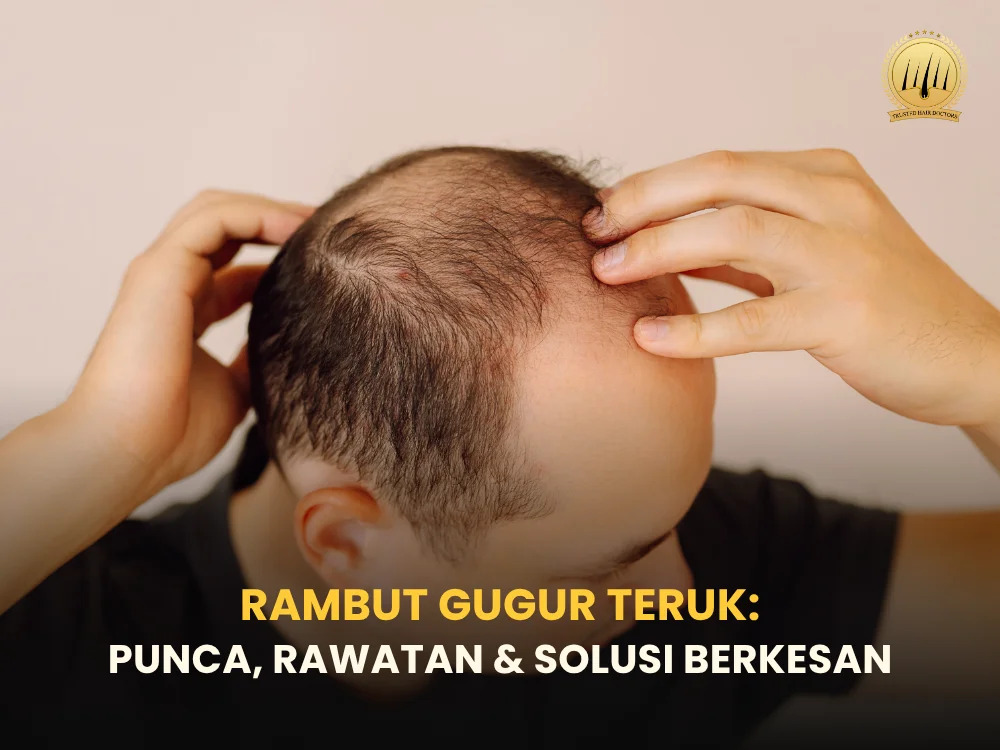
Masalah rambut gugur teruk boleh menjadi sangat membimbangkan — bukan saja dari segi kosmetik tetapi juga emosi, keyakinan diri dan kualiti hidup. Dalam artikel ini kita akan membincangkan dengan terperinci: apakah punca rambut gugur teruk, pilihan rawatan moden & tradisional, serta langkah-solusi berkesan untuk membantu anda mengawal dan memperbaiki keadaan. Mari kita mulakan. Rambut Gugur Teruk – Apa Maksudnya? Istilah “rambut gugur teruk” merujuk kepada situasi di mana keguguran rambut berlaku secara lebih banyak atau lebih cepat daripada biasa, menyebabkan penipisan ketara, tompok botak atau perubahan ketara pada garis rambut dan kepadatan kulit kepala. Menurut sumber, purata rambut gugur sekitar 50-100 helai sehari adalah biasa, tetapi lebih banyak daripada itu ataupun penipisan yang jelas perlu diberi perhatian. Keadaan ini boleh berlaku bagi lelaki atau wanita, dan punca serta bentuknya boleh berbeza. Punca Utama Rambut Gugur Teruk Faktor Genetik & Androgenetik Salah satu punca paling biasa bagi rambut gugur teruk ialah corak kebotakan yang diturunkan melalui genetik — dikenali sebagai Alopecia Androgenetik. Folikel rambut menjadi sensitif terhadap hormon seperti dihidrotestosteron (DHT) yang menyebabkan pengecutan folikel dan rambut jadi nipis. Ketidakseimbangan Hormon Masalah hormon seperti gangguan tiroid (hipotiroidisme atau hipertiroidisme), kehamilan, menopaus atau sindrom ovarium polikistik (PCOS) boleh mencetuskan rambut gugur teruk. Tekanan Fizikal dan Emosi Tekanan besar, penyakit serius, pembedahan besar atau trauma boleh mencetuskan jenis keguguran rambut yang dipanggil Telogen Effluvium — di mana banyak rambut bertukar ke fasa gugur secara serentak. Kekurangan Nutrisi & Gaya Hidup Kekurangan zat seperti zat besi, zink, protein, vitamin D atau vitamin B boleh melemahkan folikel rambut dan mempercepat keguguran. Gaya rambut yang memaksa, penggunaan bahan kimia rambut, alat haba yang tinggi juga menyumbang kepada rambut gugur teruk. Masalah Kesihatan & Kulit Kepala Jangkitan kulit kepala, keadaan autoimun seperti Alopecia Areata, atau ubat-ubatan tertentu (seperti kemoterapi) boleh menyebabkan rambut gugur secara tiba-tiba atau teruk. Tanda & Kesan Rambut Gugur Teruk Rambut gugur adalah perkara biasa, tetapi apabila jumlahnya semakin banyak dan berterusan, ia boleh menjadi petanda awal masalah kesihatan kulit kepala atau ketidakseimbangan dalaman. Menyedari tanda-tanda awal rambut gugur teruk amat penting supaya tindakan pencegahan dapat diambil sebelum keadaan menjadi lebih parah. Antara tanda-tanda utama rambut gugur teruk termasuk: Rambut banyak gugur pada bantal, sikat atau saluran mandi.Jika setiap kali anda bangun tidur atau menyikat rambut, anda dapati helaian rambut berselerak di bantal, lantai atau dalam bilik air — itu bukan lagi gugur biasa. Kehilangan lebih daripada 100 helai rambut sehari boleh menandakan folikel rambut mulai lemah atau mengalami gangguan pertumbuhan. Kulit kepala mula jelas kelihatan kerana rambut menipis.Anda mungkin perasan bahagian tertentu di kepala, terutamanya di tengah atau atas kepala, nampak semakin jarang ditutupi rambut. Ini menunjukkan rambut baru tidak tumbuh secepat rambut lama yang gugur, menyebabkan kepadatan keseluruhan berkurangan. Tompok botak atau garis rambut yang surut dengan mendadak.Kehadiran tompok tanpa rambut (botak) atau garis rambut yang semakin ke belakang boleh menjadi tanda alopecia — sejenis masalah keguguran rambut yang memerlukan rawatan khusus. Jika dibiarkan, kawasan ini boleh membesar dan sukar dipulihkan. Rambut baru tumbuh tetapi lebih halus dan cepat patah.Kadangkala, rambut baru memang tumbuh semula, tetapi teksturnya jauh lebih nipis, rapuh dan tidak kuat. Ini menunjukkan folikel rambut sudah lemah, mungkin akibat kekurangan nutrisi, stres, atau gangguan hormon. Keyakinan diri turut terjejas dan memberi kesan psikologi.Keguguran rambut bukan sahaja memberi kesan fizikal, malah boleh menjejaskan emosi dan psikologi seseorang. Rasa malu, rendah diri dan tekanan perasaan sering dialami apabila penampilan diri berubah akibat rambut yang semakin menipis. Mengesan tanda awal rambut gugur teruk dan bertindak segera amat penting.Langkah awal seperti menjaga pemakanan, mengurangkan stres, menggunakan syampu sesuai dengan jenis rambut, dan mendapatkan nasihat pakar kulit kepala boleh memperlahankan proses keguguran rambut. Lebih cepat anda bertindak, lebih besar peluang untuk mengekalkan rambut yang sihat dan tebal dalam jangka panjang. Rawatan Untuk Rambut Gugur Teruk Ubat Topikal & Sistemik Minoxidil – losyen/spray yang merangsang folikel rambut melalui peredaran darah. Finasteride – ubat oral yang menghalang pembentukan DHT bagi lelaki.Rawatan ini lebih berkesan apabila digunakan awal dan mengikut preskripsi perubatan. Terapi Inovatif Platelet‑Rich Plasma (PRP) – menggunakan darah pesakit sendiri diperkaya untuk merangsang folikel rambut. Terapi cahaya rendah/lasar – merangsang pertumbuhan rambut melalui aliran darah dan aktiviti sel. Pemindahan Rambut (Hair Transplant) Bagi kes rambut gugur teruk yang melibatkan kehilangan rambut luas atau folikel donor terhad, prosedur pemindahan rambut adalah pilihan utama. Menggunakan teknik seperti FUE (Follicular Unit Extraction) atau FUT (Follicular Unit Transplantation) akan memberi hasil jangka panjang jika dijalankan oleh pakar yang berpengalaman. Rawatan Gaya Hidup & Semula Jadi Ubah diet kepada yang kaya dengan protein, zink, besi, dan vitamin-vitamin penting. Urutan kulit kepala secara berkala untuk merangsang aliran darah. Elakkan ikatan rambut terlalu ketat, pengering rambut dan bahan kimia yang agresif. Kawal stres melalui senaman, meditasi, tidur mencukupi. Solusi Berkesan Untuk Rambut Gugur Teruk Rambut gugur yang teruk bukanlah sesuatu yang harus dibiarkan berlarutan. Semakin lama ia dibiarkan tanpa rawatan, semakin sukar untuk memulihkan kekuatan folikel rambut yang telah lemah. Namun, berita baiknya ialah — dengan pendekatan yang betul dan konsisten, keguguran rambut boleh dikawal dan dalam banyak kes, pertumbuhan semula rambut dapat dipertingkatkan. Berikut ialah langkah-langkah dan strategi berkesan untuk mengatasi masalah rambut gugur teruk: Bertindak Awal – Semakin Cepat Dikesan, Semakin Tinggi Peluang PemulihanLangkah pertama yang paling penting ialah bertindak segera sebaik sahaja anda menyedari tanda-tanda keguguran rambut yang tidak normal. Jangan tunggu sehingga keadaan menjadi teruk atau rambut semakin menipis. Rawatan yang dimulakan di peringkat awal selalunya menunjukkan hasil yang lebih cepat dan efektif. Dalam fasa awal, folikel rambut masih aktif dan responsif terhadap rawatan, menjadikan proses pemulihan lebih mudah. Konsultasi Dengan Pakar – Diagnosis Tepat Adalah Kunci Kejayaan RawatanRamai individu cuba menyelesaikan masalah rambut gugur sendiri dengan membeli produk rawak tanpa memahami punca sebenar. Sedangkan setiap individu mempunyai sebab yang berbeza – ada yang disebabkan oleh hormon, tekanan, kekurangan nutrisi, genetik, atau masalah kulit kepala.Oleh itu, berunding dengan dermatologis atau pakar rambut profesional sangat penting. Melalui pemeriksaan mendalam seperti scalp analysis atau ujian darah, pakar dapat mengenal pasti punca utama dan merancang rawatan yang disesuaikan dengan keadaan anda. Rawatan yang tepat bermula dengan diagnosis yang tepat. Gabungkan
Botak Tengah: Punca, Rawatan & Cara Elak Dari Awal
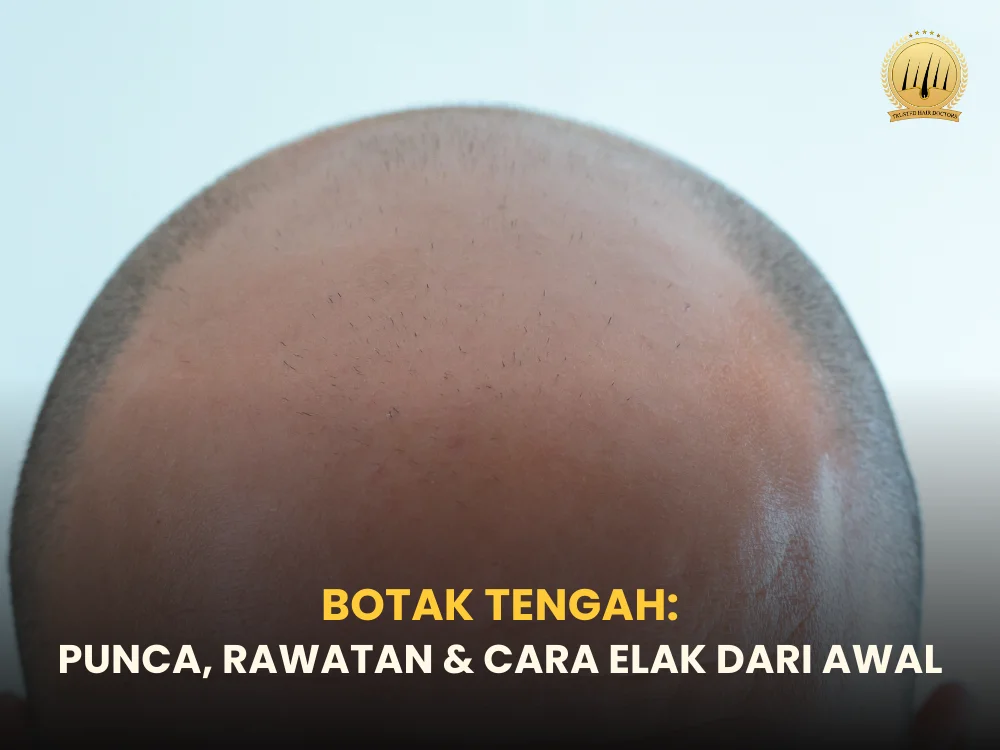
Botak Tengah adalah satu isu keguguran rambut yang kerap berlaku di kalangan lelaki — dan wanita turut terkesan — apabila rambut mula menipis atau hilang di bahagian tengah kepala. Dalam artikel ini, kita akan kupas secara mendalam: apa punca Botak Tengah, pilihan rawatan moden & tradisional, serta langkah pencegahan proaktif untuk mengurangkan risiko. Mari kita mula. Botak Tengah – Apa Itu? Istilah “botak tengah” merujuk kepada keadaan rambut yang semakin menipis atau hilang di bahagian tengah atau bahagian atas (crown/vertex) kepala. Dalam istilah perubatan, ia sering dikaitkan dengan Androgenetic Alopecia atau kebotakan corak lelaki/wanita. Masalah ini bukan sekadar kosmetik — ia boleh menjejaskan keyakinan diri, imej dan kualiti hidup seseorang. Ramai yang menyangka masalah ini hanya berlaku pada lelaki berusia, namun sebenarnya ia boleh bermula pada usia lebih muda terutama jika terdapat faktor genetik atau hormon yang aktif. Oleh itu, memahami tanda awal dan bertindak segera boleh membuat perbezaan besar. Punca Utama Botak Tengah Genetik & Hormon Faktor genetik memainkan peranan besar. Jika ibu bapa atau ahli keluarga anda mengalami kebotakan, risiko anda turut meningkat. Tambahan pula, hormon seperti Dihydrotestosterone (DHT) ialah bahan aktif yang boleh mengecutkan folikel rambut, menyebabkan rambut menjadi lebih nipis dan akhirnya berhenti tumbuh. Usia & Penuaan Semakin meningkat umur, fungsi folikel rambut akan berkurang, tempoh pertumbuhan rambut (anagen phase) menjadi lebih pendek dan rambut baru yang tumbuh mungkin lebih nipis. Gaya Hidup & Pemakanan Diet yang kurang seimbang — kekurangan zat besi, zink, vitamin D, biotin — boleh melemahkan akar rambut. Tekanan kronik, kurang tidur, gaya rambut yang memaksa (ikat ketat, pengering rambut/alat haba tinggi) juga mempercepatkan masalah Botak Tengah. Masalah Kesihatan & Persekitaran Beberapa kondisi kesihatan seperti gangguan tiroid, penyakit autoimun, atau jangkitan kulit kepala boleh menyumbang kepada rambut gugur atau menipis. Faktor persekitaran juga seperti pendedahan UV, bahan kimia rambut dan asap rokok turut memainkan peranan. Tanda Awal & Mengesan Botak Tengah Mengesan masalah botak tengah pada peringkat awal sangat penting agar rawatan boleh dimulakan sebelum keadaan menjadi lebih teruk dan rambut hilang sepenuhnya. Ramai yang tidak menyedari perubahan kecil pada rambut mereka sehinggalah kawasan botak sudah jelas kelihatan. Dengan memahami tanda-tanda awal ini, anda boleh mengambil tindakan yang lebih cepat dan efektif. Beberapa tanda awal botak tengah yang perlu anda beri perhatian termasuk: Rambut semakin nipis di bahagian tengah atau atas kepala (crown).Ini merupakan tanda paling biasa. Anda mungkin perasan bahagian tengah kepala kelihatan kurang padat, terutama apabila dilihat dari atas. Kadangkala, perubahan ini berlaku secara perlahan sehingga sukar dikesan kecuali diperhatikan betul-betul di hadapan cermin atau melalui gambar. Kulit kepala mula kelihatan jelas apabila disisir atau di bawah cahaya terang.Jika sebelum ini rambut anda tebal dan menutupi kulit kepala, tetapi kini kulit kepala mudah kelihatan apabila terkena cahaya atau selepas disisir, itu petunjuk awal bahawa rambut sedang menipis. Kehilangan rambut yang lebih banyak daripada biasa.Perhatikan jumlah rambut yang gugur ketika mandi, menyikat rambut, atau selepas memakai topi. Kehilangan lebih daripada 100 helai sehari boleh menjadi tanda bahawa kitaran pertumbuhan rambut terganggu. Rambut baru yang tumbuh lebih halus dan pendek.Apabila folikel rambut mula mengecil, rambut baru yang tumbuh biasanya lebih nipis, lembik, dan mudah patah. Lama-kelamaan, pertumbuhan rambut mungkin berhenti sepenuhnya di kawasan tertentu. Perubahan corak rambut pada wanita.Bagi wanita, botak tengah biasanya tidak berlaku secara keseluruhan seperti lelaki. Sebaliknya, rambut menipis secara meluas di bahagian atas kepala atau tengah (corak “Christmas tree pattern”), menjadikan kulit kepala semakin jelas kelihatan. Selain tanda-tanda fizikal, perubahan tekstur rambut seperti rambut menjadi lebih kering, mudah gugur, atau sukar digaya juga boleh menunjukkan masalah kesihatan kulit kepala yang mendasari — contohnya stres, ketidakseimbangan hormon, atau kekurangan nutrien penting seperti zat besi dan biotin. Jika anda mula menyedari mana-mana tanda ini, bertindak awal adalah langkah paling bijak. Pemeriksaan dengan pakar rambut atau dermatologis dapat membantu mengenal pasti punca sebenar, sama ada ia berpunca daripada faktor genetik, hormon, gaya hidup, atau penjagaan rambut yang tidak sesuai. Rawatan awal seperti penggunaan serum penumbuh rambut, terapi PRP, ubat topikal (minoxidil), atau perubahan gaya hidup boleh membantu memperlahankan keguguran rambut dan merangsang pertumbuhan semula. Semakin awal anda bertindak, semakin tinggi peluang untuk mengekalkan rambut yang sihat dan penuh di bahagian tengah kepala. Rawatan Untuk Botak Tengah Terdapat pelbagai pilihan rawatan, dari rumah kepada klinik pakar — berikut adalah senarai biasa serta kelebihan/kelemahannya. Ubat Topikal & Oral Minoxidil (losyen/spray rambut) – merangsang peredaran darah dan folikel. Finasteride & Dutasteride – menghalang penukaran testosteron kepada DHT. Kelebihan: mudah akses, untuk peringkat awal. Kelemahan: perlu penggunaan berterusan, mungkin berlaku kesan sampingan. Terapi Injeksi / Kusyen PRP (Platelet‑Rich Plasma) – darah pesakit diproses, dipulihkan kepada cecair yang kaya faktor pertumbuhan dan disuntik ke kulit kepala untuk merangsang folikel. Laser rambut (Low-Level Laser Therapy) – menggunakan cahaya merah untuk merangsang pertumbuhan rambut. Kelebihan: boleh membantu menebalkan/rangsangkan rambut; Kelemahan: kos lebih tinggi, perlu beberapa sesi. Pemindahan Rambut (Hair Transplant) Teknik seperti FUE (Follicular Unit Extraction) atau FUT (Follicular Unit Transplantation). Dalam kes Botak Tengah kronik, pemindahan rambut merupakan pilihan paling kekal dan produktif. Kelebihan: hasil paling ketara dan jangka panjang; Kelemahan: kos tinggi, pemulihan, keperluan doktor berpengalaman dan pensijilan. Rawatan Semula Jadi & Gaya Hidup Urutan kulit kepala secara berkala dengan minyak semula jadi (misalnya minyak rosemary, minyak kelapa) membantu peredaran darah. Pemakanan kaya protein, zink, zat besi, vitamin B dan D. Elakkan gaya rambut yang menyekat kulit kepala (ikat terlalu ketat, topi terlalu lama) dan kurangkan penggunaan alat haba ekstrem. Elakkan merokok, kurangkan alkohol — kerana kedua-dua boleh menjejaskan peredaran darah folikel rambut. Cara Elak Botak Tengah dari Awal Pencegahan adalah lebih mudah dan kos efektif daripada rawatan kemudian. Berikut langkah-langkah proaktif: Mulakan pemeriksaan kesihatan secara berkala: pantau hormon (testosteron, tiroid), tahap zat besi, zink dan vitamin D. Amalkan pemakanan seimbang: fokus pada makanan tinggi protein (ayam, telur, kekacang), sayur dan buah-buahan anti-oksidan. Pastikan tidur cukup dan pengurusan stres — meditasi, senaman ringan, elakkan tekanan kerja berlebihan. Pilih syampu dan produk rambut yang mesra kulit kepala — bebas sulfat, bebas pewangi kuat. Tukar secara tetap. Urut ringan kulit kepala 5-10 minit sehari untuk menggalakkan aliran darah ke folikel rambut. Elakkan tabiat gaya rambut yang memaksa:
10 Cara Melebatkan Bulu Kening Dengan Cepat & Selamat
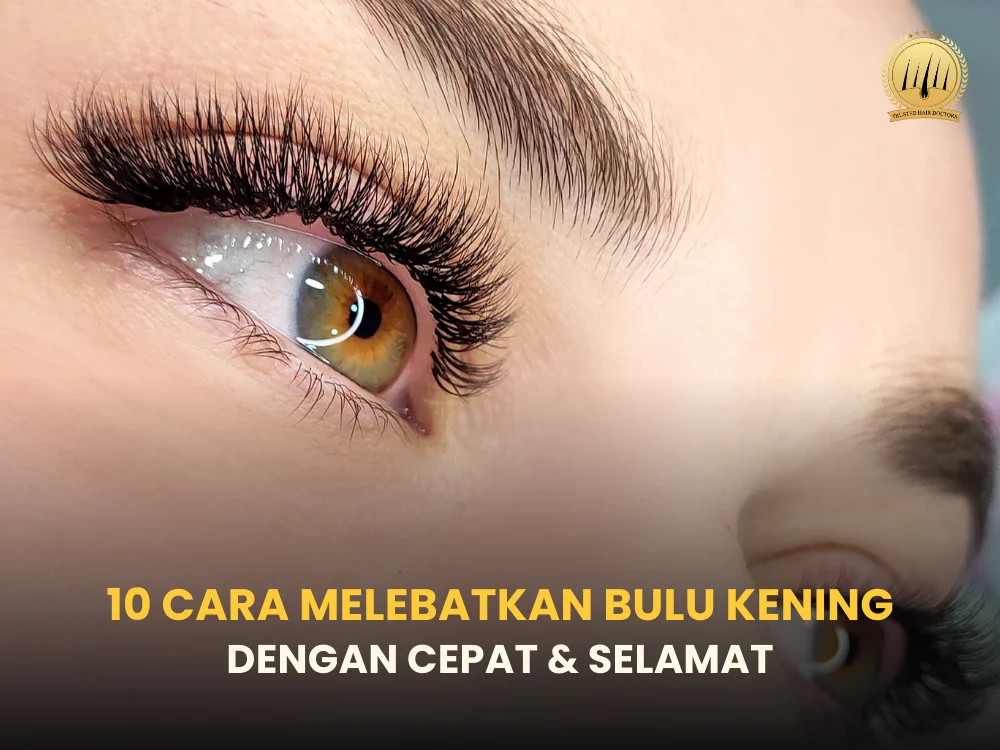
Jika anda sedang mencari cara melebatkan bulu kening, anda berada di tempat yang tepat. Masalah kening yang jarang atau nipis sering menjejaskan keyakinan diri, namun dengan langkah yang betul — baik petua semula jadi, penjagaan harian atau rawatan pakar — anda boleh mencapai hasil yang memuaskan. Artikel ini akan mengupas 10 strategi yang terbukti untuk cara melebatkan bulu kening dengan cepat dan selamat, menggunakan kombinasi kaedah rumah, pemakanan, penjagaan folikel dan cadangan profesional. Fahami Mengapa Bulu Kening Menjadi Nipis Sebelum kita masuk ke petua, penting untuk memahami beberapa punca umum bulu kening menjadi nipis: Pencabitan, waxing atau bentuk kening yang terlalu agresif. Penggunaan produk solekan atau penjagaan kulit yang tidak sesuai di kawasan kening. Kekurangan nutrien seperti vitamin B, zat besi, biotin yang mempengaruhi folikel rambut. Faktor usia, hormon, atau keadaan kulit seperti dermatitis yang menjejaskan pertumbuhan folikel. Kitaran pertumbuhan bulu yang terganggu — misalnya folikel berada dalam fasa “telogen” yang panjang, bukan “anagen”. Dengan memahami punca, anda boleh mengambil langkah yang lebih tepat dalam memilih strategi melebatkan bulu kening. 1. Gunakan Minyak Semula Jadi Secara Konsisten Minyak seperti minyak kelapa, minyak zaitun, minyak lavender dan tea tree oil terbukti membantu merangsang folikel kening untuk cara melebatkan bulu kening. Cara penggunaan: Sapukan minyak kelapa atau zaitun pada bulu kening selepas membersihkan wajah pada waktu malam. Untuk tea tree oil atau minyak lavender, mungkin perlu dicairkan dengan carrier oil (seperti jojoba) supaya tidak iritasi kulit di kawasan mata. Urut lembut di sepanjang kening selama 1–2 minit untuk bantu aliran darah. Mengapa ia berkesan?Minyak ini kaya dengan vitamin E, zat besi dan nutrien lain yang menyuburkan folikel rambut dan membantu fasa pertumbuhan bulu baru. 2. Sapuan Gel Lidah Buaya (Aloe Vera) Gel dari planta Aloe vera telah lama digunakan dalam kecantikan kerana sifatnya yang menenangkan dan menyuburkan dalam cara melebatkan bulu kening. Cara lakukan:Potong daun lidah buaya, keluarkan gel dan sapukan di sepanjang kening. Biarkan 20–30 minit kemudian bilas. Lakukan 2–3 kali seminggu. Faedah: Membantu menguatkan akar bulu. Melegakan kulit di bawah kening yang mungkin meradang akibat pencabitan atau waxing. Membantu mewujudkan persekitaran folikel yang lebih sihat untuk pertumbuhan bulu. 3. Urutan Kening Dan Memberus Secara Harian Urutan ringan di kawasan kening dan memberus bulu kening boleh meningkatkan aliran darah ke folikel dan bantu kening tumbuh dalam cara melebatkan bulu kening. Cara menjalankan: Gunakan jari bersih atau berus spoolie (berus maskara lama pun boleh digunakan). Lakukan urutan selama 1–2 minit sebelum tidur. Memberus bulu dari arah bahagian dalam ke luar untuk bantu arah pertumbuhan. Nota: Hindari menggosok terlalu kuat kerana boleh merosakkan folikel. 4. Pastikan Diet Anda Kaya Dengan Nutrien Pertumbuhan Bulu Pengambilan makanan yang seimbang memainkan peranan besar dalam cara melebatkan bulu kening. Tanpa nutrien yang cukup, folikel mungkin tidak aktif. Nutrien yang penting termasuk: Biotin (vitamin B7) – bantu pertumbuhan rambut dan bulu. Zat besi, vitamin E, vitamin A, asid lemak omega-3. Protein – kerana bulu terdiri daripada keratin.Contoh makanan: telur, ikan berlemak, kacang, sayuran hijau, biji-bijian. 5. Elakkan Pencabitan Berlebihan & Beza Bentuk Kening Sering Salah satu sebab bulu kening gagal tumbuh semula adalah pencabitan berlebihan atau bentuk yang diubah terlalu kerap. Tips: Biarkan kening tumbuh selama beberapa minggu tanpa dipetik untuk memberi folikel peluang ‘istirahat’. Gunakan pensel kening atau gel kening sebagai alternatif sementara menunggu pertumbuhan. Dapatkan bentuk kening yang sesuai dari pakar jika perlu, dan elakkan perubahan besar terlalu kerap. 6. Gunakan Serum & Produk Khusus Kening Kini terdapat banyak produk seperti serum kening yang direka khas untuk merangsang pertumbuhan bulu kening. Tip memilih produk: Cari produk dengan bahan seperti peptide, biotin, panthenol. Pastikan sesuai untuk kawasan mata (ramai pengguna sensitif di kawasan ini). Gunakan secara konsisten seperti disarankan pengeluar — hasil mungkin mengambil masa beberapa minggu. 7. Rawatan Profesional & Micropigmentation (Jika Diperlukan) Jika kening anda sangat nipis akibat faktor seperti penuaan, kemoterapi atau pencabitan berulang, rawatan profesional mungkin langkah terbaik. Contoh rawatan: Microblading atau tat dengan benang halus untuk menambah garis bulu. Tanam folikel kening atau transplant kening (mesti dilakukan oleh klinik yang bertauliah).Cadangan profesional:Pastikan klinik mempunyai sijil seperti American Board of Hair Restoration Surgery (ABHRS) dan International Society of Hair Restoration Surgery (ISHRS) serta pengalaman lebih 25 tahun dalam bidang. 8. Lindungi Kening Dari Faktor Luar & Produk Kimia Keras Faktor luaran seperti sinar UV, pencemaran udara, dan bahan kimia kuat pada produk penjagaan kulit boleh melemahkan folikel bulu kening. Langkah penjagaan: Gunakan krim mata atau kening yang ringan supaya tidak menghalang pertumbuhan. Pakai pelindung matahari ringan di kawasan dahi/keunikan jika anda kerap di luar. Elakkan memakai produk keras pada kening seperti bleaching, tint kening terlalu kuat atau lash lift yang turut menjejaskan kening. 9. Bersabar & Fokus Kepada Konsistensi Salah satu aspek paling penting dalam cara melebatkan bulu kening ialah kesabaran. Tidak ada hasil yang muncul dalam satu malam. Fakta ringkas: Pertumbuhan bulu kening melalui fasa anagen (aktif), catagen (peralihan) dan telogen (berehat) — boleh mengambil beberapa minggu hingga beberapa bulan. Hasil mungkin lebih lambat bagi mereka yang mempunyai sejarah pencabitan berlebihan atau folikel rosak. Konsistensi (contoh: sapuan minyak malam, urutan harian, nutrisi) adalah kunci. 10. Pantau Perubahan & Kaji Semula Strategi Anda Untuk memastikan usaha anda berjaya, penting untuk memantau dan juga mengubah suai pendekatan jika perlu. Cara pemantauan: Ambil foto sebelum dan selepas setiap 4–6 minggu. Perhatikan perubahan: adakah bulu baru muncul, adakah rapat bulu kening terasa? Jika tiada perubahan selepas 3-4 bulan, pertimbangkan rawatan profesional atau rujuk pakar dermatologi. Soalan Lazim (FAQs): Cara Melebatkan Bulu Kening 1. Adakah penggunaan pensil kening menghalang pertumbuhan bulu sebenar?Pensil kening hanya membantu dari segi estetika—ia tidak menghalang pertumbuhan bulu sebenar selagi kulit di bawah tidak mengalami kerosakan dan anda menjaga folikel dengan baik. 2. Bolehkah saya menggunakan Vaseline untuk melebatkan bulu kening?Ya, beberapa petua menyarankan menggunakan Vaseline (petroleum jelly) sebagai penyerap malam untuk memberikan perlindungan lembapan. Tetapi pastikan tidak menyebabkan iritasi terutama jika anda sensitif. 3. Berapa lama masa yang diambil untuk hasil nampak dengan cara melebatkan bulu kening?Secara umum, anda boleh mula melihat perubahan dalam 4-8 minggu dengan penjagaan konsisten. Untuk pertumbuhan yang ketara mungkin 3-4 bulan, bergantung kepada keadaan folikel anda. 4.
Is Hair Transplant Safe in Malaysia? A Guide for Locals and Medical Tourists
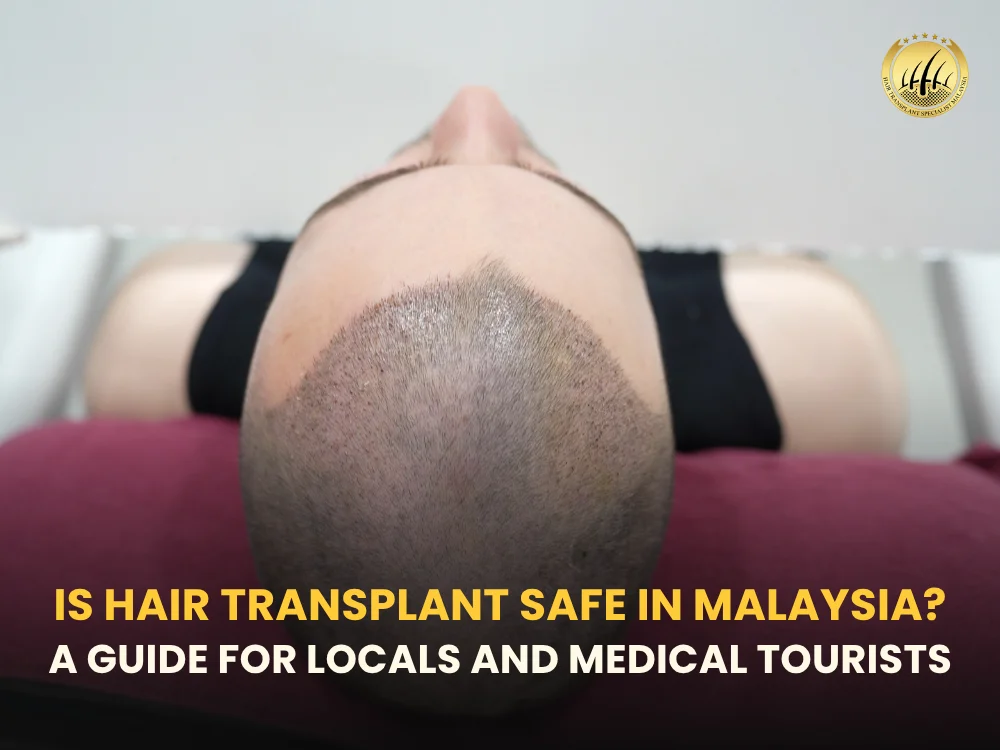
If you’re asking “Is a hair transplant safe?” when considering going to Malaysia—whether you’re a local or a medical tourist—this guide will address that question thoroughly. We’ll explore safety benchmarks, potential risks, how to assess clinics, and why credentials like the American Board of Hair Restoration Surgery (ABHRS) and the International Society of Hair Restoration Surgery (ISHRS) matter. You’ll learn how to pick a clinic with 25+ years of expertise, understand techniques, after-care, and make an informed choice. Why “hair transplant safe” matters in Malaysia Undergoing a hair transplant safe is more than a cosmetic procedure—it’s surgery. Ensuring it’s safe means confirming the operation is done by qualified professionals, under sterile conditions, with full pre- and post-operative process. In Malaysia, while many reputable clinics exist, there are also lower-cost providers with less rigorous standards. Being informed helps you avoid poor outcomes, infections or excessive scarring. What makes a hair transplant safe — credentials and clinic standards The success of a hair transplant safe depend heavily on the expertise of the surgeon and the standards maintained by the clinic. A safe procedure goes far beyond aesthetic results—it reflects proper medical governance, ethical practices, and consistent post-operative care. Below are the key pillars that determine how a hair transplant safe truly is. 1. Surgeon Credentials and Professional MembershipsA qualified surgeon is the foundation of any safe hair restoration procedure. Look for a practitioner who is certified by the American Board of Hair Restoration Surgery (ABHRS) and a member of the International Society of Hair Restoration Surgery (ISHRS). These affiliations indicate rigorous training, ethical conduct, and a commitment to continuing education. Surgeons with these credentials have proven expertise in both the art and science of hair transplant safe, ensuring patient, precision, and natural-looking outcomes. 2. Accredited Clinical EnvironmentA reputable hair transplant clinic should be registered as a licensed surgical day-care or hospital facility, not merely a beauty salon or aesthetic spa. This accreditation ensures that the clinic adheres to local health regulations and safety protocols. Proper licensing confirms that the facility meets standards for medical waste disposal, emergency preparedness, infection control, and staff training—crucial elements in minimizing surgical risk. 3. Strict Sterilization and Protocol AdherenceSafety during and after surgery depends on maintaining a sterile environment. A good clinic follows strict sterilization procedures, uses medical-grade equipment, and employs trained medical staff. Every step—from donor harvesting to graft handling—should be documented and standardized. This reduces the chance of infection, graft loss, and poor healing. Clinics that openly share their sterilization and graft-handling protocols demonstrate transparency and professionalism. 4. Ethical Consultations and Realistic ExpectationsA trustworthy surgeon provides a transparent consultation, explaining the entire procedure, potential risks, realistic results, and recovery timeline. Beware of clinics that overpromise or use aggressive marketing language such as “scarless,” “painless,” or “guaranteed full head of hair.” In Malaysia, ethical clinics are expected to answer questions about graft survival rates, possible complications, and long-term care. A safety-focused consultation emphasizes informed decision-making rather than sales tactics. 5. Comprehensive Follow-Up and Patient SupportTrue patient safety doesn’t end when the surgery does. A reputable clinic offers consistent follow-up care, including scheduled check-ups, healing assessments, and post-operative guidance. This ensures that any issues, such as swelling, infection, or shock loss, are addressed early. Proper aftercare instructions, medication management, and accessibility to the medical team build patient confidence and contribute to better results. In short, a hair transplant safe combines surgeon expertise, accredited facilities, medical-grade hygiene, ethical transparency, and continuous aftercare. When all these factors are in place, patients can expect not only a natural aesthetic outcome but also a smooth, worry-free recovery. The safety profile of hair transplant surgery What the research says Hair transplants generally have a good safety record when done properly. Some findings: They use local anaesthesia (minimal risk compared to general anaesthesia). Common side-effects (temporary swelling, redness, scabbing) are mild and usually resolve. Serious complications (infection, graft failure, unnatural hairline) are rare but possible—especially if standards are low. Specific risks to be aware of Infection: Even though rare, can occur if donor/recipient sites are not maintained or environment is not sterile. Scarring: With methods like FUT you’ll have a linear scar; FUE has smaller dot scars—but technique matters. Shock loss (temporary shedding of transplanted hair or nearby native hair) is common. Poor graft survival or unnatural result due to poor planning or execution. For medical tourists: travel-related risks (infection control, follow-up from abroad) important to consider. What to check in Malaysia to ensure it’s safe When you’re considering a hair transplant in Malaysia, several local considerations help ensure the “hair transplant safe” promise: Ask: Is the surgeon certified? How many hair transplants have they personally performed? Are results with local Asian hair types documented? Facility: Is the clinic in a hospital or registered day-care surgical centre (not just a salon)? After-care & follow-up: For medical tourists, will you have remote follow-up if you return home? Is there a guarantee of support? Transparent pricing: Low price may signal compromise in technique, quantity of grafts, or aftercare. Hygiene & environment: Ensure the clinic uses full infection-control protocols (especially important in humid Malaysian climate). Real patient reviews: Look for long-term results (12+ months), of patients with similar hair type and loss pattern. Realistic promises: No clinic can guarantee “100% success” or “zero risk”—if they claim that, be cautious. Benefits of choosing a high-standard clinic for safety A clinic that meets strong safety criteria offers you: Reduced risk of complications—since surgeon is experienced, clinic is sterile, after-care is thorough. Better cosmetic outcome—natural hairline, donor area preserves aesthetics. Peace of mind for medical tourists—understanding full scope of procedure, costs, travel, recovery. Transparent risk discussion—so you know what to expect and can make decisions accordingly. Common myths about risk and safety Myth: “Hair transplant is completely risk-free.” Reality: All surgeries carry risk, but major risks are low when proper standards are met. Myth: “The cheaper the clinic, the same result.” Reality: Very low cost often correlates with shortcuts in technique, staffing, hygiene. Myth: “Once transplanted hair, forget