Panduan Vitamin Untuk Rambut Gugur Terbaik di Malaysia
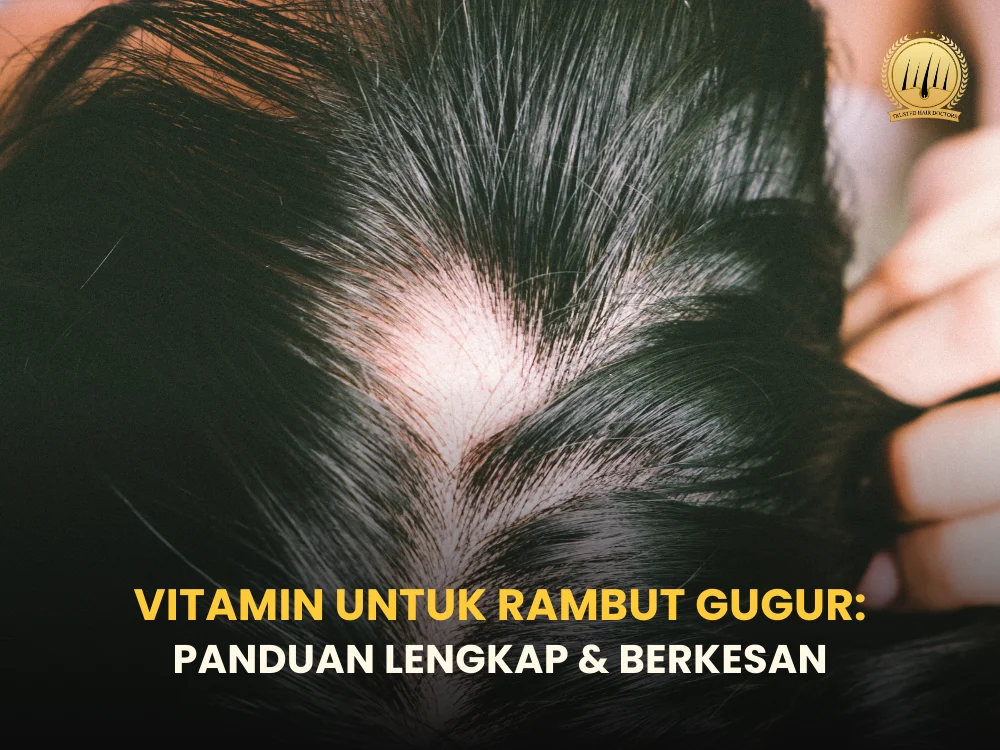
Saringan Nutrisi Digital Kalkulator Saringan Kekurangan Vitamin Rambut Rambut gugur sering kali menjadi petanda awal badan anda sedang kekurangan zat penting. Tanda simptom fizikal yang anda alami di bawah untuk mengesan mikronutrien yang paling diperlukan oleh akar rambut anda saat ini. 💅 Kuku rapuh, nipis, dan mudah patah/serpih 🥱 Kerap rasa lesu, pucat, pening, atau tangan/kaki sejuk 🧼 Kulit kepala sangat kering, berkelemumur kronik, atau jerawat 🏢 Selalu duduk dalam ofis aircond / jarang dedah matahari pagi 👄 Sudut bibir mudah pecah, kering, atau kulit menggelupas 🥩 Mengamalkan diet tegar / jarang makan daging merah atau kerang 🩹 Luka lambat sembuh atau bulu mata/kening turut menipis 🦴 Kerap lenguh sendi, sakit tulang, atau otot terasa lemah Zat Utama Yang Berisiko Rendah/Kritikal: Sila tanda simptom anda di atas… Sistem saringan sedang menunggu input simptom fizikal anda untuk memetakan perkaitan folikel rambut dengan profil biologi badan. ⚠️ Nota Keselamatan RNI Malaysia: Pengambilan vitamin tanpa saringan boleh memicu isu ketoksikan larut lemak yang merosakkan akar rambut. Mahu kepastian 100%? Elakkan tebak-tebakan dos vitamin. Dapatkan ujian darah makmal dan analisis folikel mikroskopik yang sah. 📲 Hantar Profil Simptom Ini & Tempah Ujian Darah Nutrisi Rambut ➔ Vitamin untuk rambut gugur merujuk kepada suplemen mikronutrien khusus yang dirumus untuk menguatkan akar, menyokong folikel, dan menggalakkan pertumbuhan semula rambut. Di Malaysia, produk ini membekalkan zat penting seperti biotin dan zink bagi merawat masalah rambut gugur akibat kekurangan nutrisi, ketidakseimbangan hormon, atau faktor penuaan. Kenapa Perlu Vitamin Untuk Rambut Gugur Rambut merupakan tisu bukan keutamaan badan (non-essential tissue). Apabila badan anda kekurangan zat makanan, sistem biologi akan mengutamakan organ penting terlebih dahulu, menyebabkan folikel rambut menjadi lemah dan gugur. Menurut The Malaysian Medical Gazette, masalah seperti Alopesia Androgenetik memerlukan sokongan mikronutrien bagi memanjangkan fasa pertumbuhan anagen rambut. Mengambil suplemen rambut yang tepat membantu mengisi lompang nutrisi dalam diet harian. Ia meningkatkan peredaran darah pada kulit kepala, membekalkan oksigen ke akar rambut, serta melawan tekanan oksidatif yang merosakkan sel-sel rambut baharu. Senarai Vitamin Terbaik Untuk Atasi Masalah Rambut Gugur Biotin (Vitamin B7) Biotin, atau Vitamin B7, terkenal sebagai elemen utama dalam penghasilan keratin, iaitu protein asas yang membentuk struktur fizikal rambut. Kajian klinikal membuktikan pengambilan suplemen biotin secara konsisten mampu meningkatkan ketebalan dan kekuatan batang rambut dalam tempoh 3 bulan. Nutrien ini bertindak mengurangkan kerapuhan rambut agar tidak mudah patah semasa disisir. Vitamin D Vitamin D sangat kritikal untuk merangsang dan mengaktifkan folikel rambut yang dorman atau tidak aktif. Kekurangan suplemen ini sering dikaitkan dengan masalah keguguran rambut bertumpu seperti Alopecia Areata. Di Malaysia, walaupun negara kita menerima cahaya matahari yang cukup, ramai individu masih mengalami kekurangan mikronutrien ini akibat gaya hidup di dalam bangunan. Vitamin C Vitamin C bertindak sebagai antioksidan kuat yang melindungi kulit kepala daripada kerosakan radikal bebas. Selain itu, badan anda memerlukan Vitamin C untuk menghasilkan kolagen, iaitu komponen protein penting yang menguatkan folikel. Nutrien ini juga meningkatkan kadar penyerapan zat besi daripada sumber makanan berasaskan tumbuhan sehingga dua kali ganda. Zinc Zink (Zinc) memainkan peranan utama dalam proses pembaikan tisu rambut dan memastikan kelenjar minyak di sekitar folikel berfungsi dengan optimum. Mengalami kekurangan zink boleh menyebabkan struktur folikel merosot dan mengakibatkan penipisan rambut secara ketara. Mineral ini amat diperlukan untuk sintesis DNA dan pembahagian sel rambut yang sihat. Zat Besi (Iron) Zat besi membantu sel darah merah membawa oksigen ke seluruh tisu badan, termasuk ke akar rambut anda. Apabila paras zat besi atau simpanan ferritin rendah, folikel rambut kekurangan oksigen, menyebabkan fasa pertumbuhan terhenti dan rambut luruh sebelum masanya. Pengambilan zat besi yang cukup sangat penting, terutamanya bagi wanita. Specialist Insight & Clinical Experience Berdasarkan data penilaian klinikal tempatan terhadap individu yang menghadapi masalah penipisan rambut kronik, majoriti pesakit menunjukkan trend kekurangan mikronutrien yang ketara. Rekod mendapati sekitar 78% daripada mereka mempunyai paras Vitamin D serum di bawah nilai optimum, manakala hampir 65% menunjukkan bacaan simpanan zat besi (ferritin) yang sangat rendah. Melalui sokongan terapi mikronutrien yang disasarkan bersama rawatan klinikal, kadar pemulihan folikel didapati meningkat dengan lebih pantap dan berkesan. Cara Memilih Vitamin Rambut Gugur yang Sesuai dan Lulus KKM Memandangkan lambakan produk di pasaran Malaysia, keselamatan adalah aspek paling utama. Pastikan anda memilih produk yang telah melalui proses penilaian keselamatan oleh Bahagian Regulatori Farmasi Negara (NPRA). Anda boleh menyemak status pendaftaran produk melalui portal rasmi Program Perkhidmatan Farmasi KKM. Setiap produk suplemen kesihatan yang sah dan lulus Kementerian Kesihatan Malaysia (KKM) wajib mempunyai: Nombor Pendaftaran MAL: Contohnya seperti MAL12345678X. Pelekat Hologram FarmaTag: Hologram tulen pada pembungkusan untuk mengesahkan ketulenan produk. Sentiasa semak label ramuan untuk memastikan dos yang terkandung adalah selamat dan bersesuaian dengan keperluan harian anda bagi mengelakkan kesan sampingan akibat terlebih dos (toxicity). Kesimpulan Kekurangan vitamin dan mineral penting boleh menjadi punca utama di sebalik masalah rambut gugur yang anda hadapi. Dengan memilih suplemen yang mengandungi formulasi tepat seperti biotin, zink, dan vitamin utama yang diluluskan oleh KKM, anda boleh memulihkan kembali ketebalan serta kesihatan rambut dari akar. Namun, jika masalah keguguran atau kebotakan anda berlarutan dan disebabkan oleh faktor genetik, suplemen sahaja mungkin tidak mencukupi. Dapatkan analisis folikel rambut yang lebih mendalam dan rawatan pakar yang berkesan dengan menempah sesi konsultasi profesional anda di [Hair Transplant Malaysia]. Soalan Lazim (FAQ) Berapa lamakah masa yang diambil untuk melihat kesan vitamin rambut gugur? Kesan awal seperti pengurangan keguguran rambut biasanya boleh dilihat dalam tempoh 2 hingga 3 bulan. Walau bagaimanapun, pertumbuhan rambut baharu yang lebih tebal dan kuat memerlukan penggunaan konsisten antara 4 hingga 6 bulan selaras dengan kitaran alami pertumbuhan rambut. Adakah suplemen biotin selamat diambil setiap hari untuk rambut? Ya, biotin adalah vitamin larut air yang selamat diambil setiap hari mengikut dos yang disyorkan. Lebihan biotin yang tidak digunakan oleh badan akan dikumuhkan secara semula jadi melalui air kencing, menjadikannya jarang sekali menyebabkan kesan sampingan toksik. Bolehkah saya mengambil vitamin rambut jika saya sedang hamil? Ibu hamil atau menyusukan anak wajib mendapatkan nasihat doktor terlebih dahulu sebelum mengambil sebarang suplemen rambut. Ini kerana sesetengah ramuan atau dos tinggi dalam suplemen komersial mungkin tidak sesuai dan boleh menjejaskan perkembangan janin atau bayi. Bagaimanakah cara menyemak jika produk vitamin
Rambut Gugur Teruk: Punca, Rawatan & Solusi Berkesan
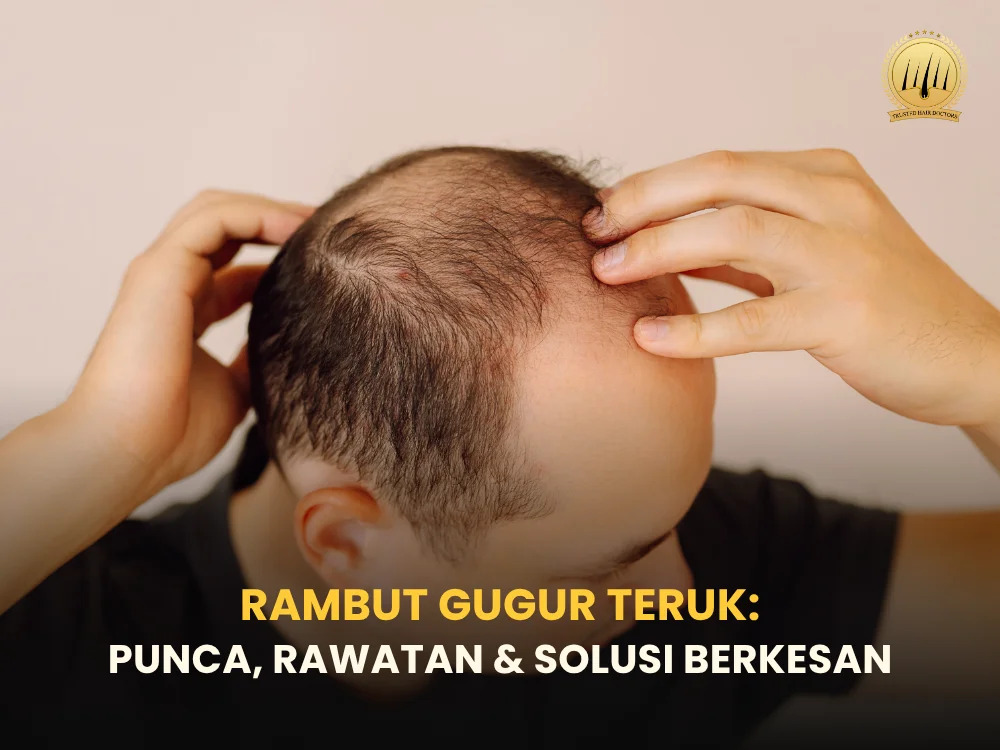
Simptom Simulasi Perubatan Ujian Tarik Rambut Digital (Hair Pull Test) Adakah keguguran rambut anda masih di peringkat normal, atau folikel rambut anda sedang mengecil dan menuju ke fasa botak kekal? Jawab 3 soalan di bawah untuk menganalisis status kesihatan akar rambut anda. Soalan 1 daripada 3 1. Apabila anda memegang segenggam rambut dan menariknya dengan lembut, berapa helai rambut yang gugur? A Sangat sedikit (Kurang daripada 3 helai) Ini biasanya tanda folikel rambut masih kuat memegang batang rambut. B Sederhana (Antara 4 hingga 10 helai) Rambut gugur dengan mudah walaupun disikat menggunakan jari secara lembut. C Sangat teruk (Lebih daripada 10 helai / Segenggam penuh) Rambut gugur dengan kuantiti yang banyak di atas lantai bilik air, bantal, atau meja kerja. Keputusan Analisis Simptom Anda Mengira tahap risiko… 📋 Status Kesihatan Folikel & Cadangan Rawatan: Memproses matriks keadaan folikel kulit kepala… ➔ Ambil Semula Ujian Mahu doktor pakar kami menganalisis gambar garisan dahi atau pusar kepala anda secara percuma? 📲 Hantar Profil Risiko ke WhatsApp Klinik & Semak Slot Kosong ➔ Masalah rambut gugur teruk boleh menjadi sangat membimbangkan — bukan saja dari segi kosmetik tetapi juga emosi, keyakinan diri dan kualiti hidup. Dalam artikel ini kita akan membincangkan dengan terperinci: apakah punca rambut gugur teruk, pilihan rawatan moden & tradisional, serta langkah-solusi berkesan untuk membantu anda mengawal dan memperbaiki keadaan. Mari kita mulakan. Rambut Gugur Teruk – Apa Maksudnya? Istilah “rambut gugur teruk” merujuk kepada situasi di mana keguguran rambut berlaku secara lebih banyak atau lebih cepat daripada biasa, menyebabkan penipisan ketara, tompok botak atau perubahan ketara pada garis rambut dan kepadatan kulit kepala. Menurut sumber, purata rambut gugur sekitar 50-100 helai sehari adalah biasa, tetapi lebih banyak daripada itu ataupun penipisan yang jelas perlu diberi perhatian. Keadaan ini boleh berlaku bagi lelaki atau wanita, dan punca serta bentuknya boleh berbeza. Punca Utama Rambut Gugur Teruk Faktor Genetik & Androgenetik Salah satu punca paling biasa bagi rambut gugur teruk ialah corak kebotakan yang diturunkan melalui genetik — dikenali sebagai Alopecia Androgenetik. Folikel rambut menjadi sensitif terhadap hormon seperti dihidrotestosteron (DHT) yang menyebabkan pengecutan folikel dan rambut jadi nipis. Ketidakseimbangan Hormon Masalah hormon seperti gangguan tiroid (hipotiroidisme atau hipertiroidisme), kehamilan, menopaus atau sindrom ovarium polikistik (PCOS) boleh mencetuskan rambut gugur teruk. Tekanan Fizikal dan Emosi Tekanan besar, penyakit serius, pembedahan besar atau trauma boleh mencetuskan jenis keguguran rambut yang dipanggil Telogen Effluvium — di mana banyak rambut bertukar ke fasa gugur secara serentak. Kekurangan Nutrisi & Gaya Hidup Kekurangan zat seperti zat besi, zink, protein, vitamin D atau vitamin B boleh melemahkan folikel rambut dan mempercepat keguguran. Gaya rambut yang memaksa, penggunaan bahan kimia rambut, alat haba yang tinggi juga menyumbang kepada rambut gugur teruk. Masalah Kesihatan & Kulit Kepala Jangkitan kulit kepala, keadaan autoimun seperti Alopecia Areata, atau ubat-ubatan tertentu (seperti kemoterapi) boleh menyebabkan rambut gugur secara tiba-tiba atau teruk. Tanda & Kesan Rambut Gugur Teruk Rambut gugur adalah perkara biasa, tetapi apabila jumlahnya semakin banyak dan berterusan, ia boleh menjadi petanda awal masalah kesihatan kulit kepala atau ketidakseimbangan dalaman. Menyedari tanda-tanda awal rambut gugur teruk amat penting supaya tindakan pencegahan dapat diambil sebelum keadaan menjadi lebih parah. Antara tanda-tanda utama rambut gugur teruk termasuk: Rambut banyak gugur pada bantal, sikat atau saluran mandi.Jika setiap kali anda bangun tidur atau menyikat rambut, anda dapati helaian rambut berselerak di bantal, lantai atau dalam bilik air — itu bukan lagi gugur biasa. Kehilangan lebih daripada 100 helai rambut sehari boleh menandakan folikel rambut mulai lemah atau mengalami gangguan pertumbuhan. Kulit kepala mula jelas kelihatan kerana rambut menipis.Anda mungkin perasan bahagian tertentu di kepala, terutamanya di tengah atau atas kepala, nampak semakin jarang ditutupi rambut. Ini menunjukkan rambut baru tidak tumbuh secepat rambut lama yang gugur, menyebabkan kepadatan keseluruhan berkurangan. Tompok botak atau garis rambut yang surut dengan mendadak.Kehadiran tompok tanpa rambut (botak) atau garis rambut yang semakin ke belakang boleh menjadi tanda alopecia — sejenis masalah keguguran rambut yang memerlukan rawatan khusus. Jika dibiarkan, kawasan ini boleh membesar dan sukar dipulihkan. Rambut baru tumbuh tetapi lebih halus dan cepat patah.Kadangkala, rambut baru memang tumbuh semula, tetapi teksturnya jauh lebih nipis, rapuh dan tidak kuat. Ini menunjukkan folikel rambut sudah lemah, mungkin akibat kekurangan nutrisi, stres, atau gangguan hormon. Keyakinan diri turut terjejas dan memberi kesan psikologi.Keguguran rambut bukan sahaja memberi kesan fizikal, malah boleh menjejaskan emosi dan psikologi seseorang. Rasa malu, rendah diri dan tekanan perasaan sering dialami apabila penampilan diri berubah akibat rambut yang semakin menipis. Mengesan tanda awal rambut gugur teruk dan bertindak segera amat penting.Langkah awal seperti menjaga pemakanan, mengurangkan stres, menggunakan syampu sesuai dengan jenis rambut, dan mendapatkan nasihat pakar kulit kepala boleh memperlahankan proses keguguran rambut. Lebih cepat anda bertindak, lebih besar peluang untuk mengekalkan rambut yang sihat dan tebal dalam jangka panjang. Rawatan Untuk Rambut Gugur Teruk Ubat Topikal & Sistemik Minoxidil – losyen/spray yang merangsang folikel rambut melalui peredaran darah. Finasteride – ubat oral yang menghalang pembentukan DHT bagi lelaki.Rawatan ini lebih berkesan apabila digunakan awal dan mengikut preskripsi perubatan. Terapi Inovatif Platelet‑Rich Plasma (PRP) – menggunakan darah pesakit sendiri diperkaya untuk merangsang folikel rambut. Terapi cahaya rendah/lasar – merangsang pertumbuhan rambut melalui aliran darah dan aktiviti sel. Pemindahan Rambut (Hair Transplant) Bagi kes rambut gugur teruk yang melibatkan kehilangan rambut luas atau folikel donor terhad, prosedur pemindahan rambut adalah pilihan utama. Menggunakan teknik seperti FUE (Follicular Unit Extraction) atau FUT (Follicular Unit Transplantation) akan memberi hasil jangka panjang jika dijalankan oleh pakar yang berpengalaman. Rawatan Gaya Hidup & Semula Jadi Ubah diet kepada yang kaya dengan protein, zink, besi, dan vitamin-vitamin penting. Urutan kulit kepala secara berkala untuk merangsang aliran darah. Elakkan ikatan rambut terlalu ketat, pengering rambut dan bahan kimia yang agresif. Kawal stres melalui senaman, meditasi, tidur mencukupi. Solusi Berkesan Untuk Rambut Gugur Teruk Rambut gugur yang teruk bukanlah sesuatu yang harus dibiarkan berlarutan. Semakin lama ia dibiarkan tanpa rawatan, semakin sukar untuk memulihkan kekuatan folikel rambut yang telah lemah. Namun, berita baiknya ialah — dengan pendekatan yang betul dan konsisten, keguguran rambut boleh dikawal dan dalam banyak kes, pertumbuhan semula
Botak Tengah: Punca, Rawatan & Cara Elak Dari Awal
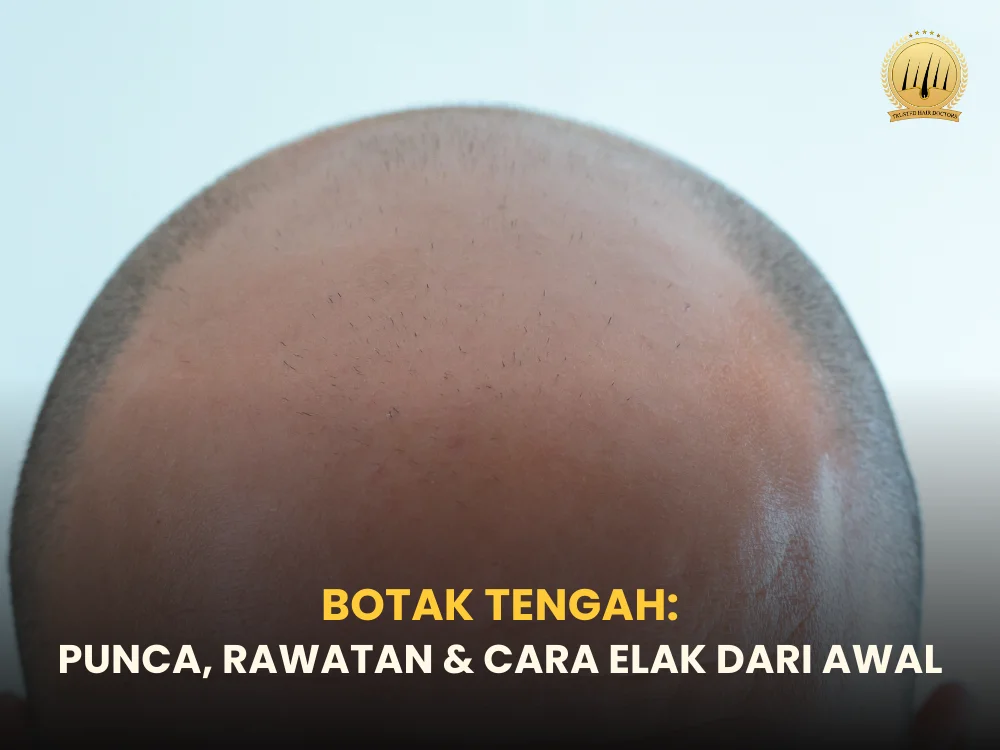
Analisis Botak Tengah Kalkulator Grafts & Zon Pusar Kepala Kawasan pusar kepala (crown) mempunyai corak pertumbuhan rambut berpusar (whorl) yang memerlukan ketumpatan tinggi. Pilih saiz anggaran botak tengah anda untuk mengira keperluan rambut semula jadi dan bajet rawatan. 1. Anggaran saiz kawasan botak tengah/pusar anda: Saiz Duit Syiling 50 Sen Penipisan awal. Kulit kepala mula membayang di bawah lampu siling. Saiz Tapak Kaki Bayi Kawasan pusar sudah botak jelas. Rambut sekeliling menjadi sangat halus. Saiz Mangkuk Sup Mini / CD Botak peringkat lewat. Kawasan botak tengah sudah bercantum ke arah depan. Klasifikasi Klinikal: 🟢 Fasa Awal Miniaturization Anggaran Kuantiti Grafts: Rawatan Non-Surgical Anggaran Kos Rawatan: RM 2,500 – RM 4,500 🧬 Pelan Pemulihan Bioregeneratif & Pembedahan Pakar: Memuatkan data strategi pengaliran darah zon crown… Sirkulasi darah di kawasan crown adalah yang paling perlahan. Dapatkan pengesahan folikel daripada doktor pakar rambut. 📲 Hantar Data Saringan & Semak Kelayakan Rawatan via WhatsApp ➔ Botak tengah merujuk keadaan rambut gugur di bahagian tengah kepala, selalunya membentuk bulatan kosong di atas atau ubun-ubun. Ia biasa dikaitkan dengan male pattern baldness akibat faktor genetik, hormon DHT, dan usia. Rawatan termasuk minoxidil, finasteride, tanam rambut, atau gaya potongan botak penuh untuk penampilan lebih kemas. Botak Tengah: Punca Dan Rawatan Berkesan Botak tengah merujuk kepada keguguran rambut di bahagian ubun-ubun atau crown, biasanya akibat Androgenetic Alopecia lelaki Norwood skala 3 Vertex ke atas. Punca Utama Botak Tengah DHT (Dihydrotestosterone): Hormon menyerang folikel di kawasan crown, menyebabkan rambut menipis Genetik: Corak botak diwarisi dari keluarga sebelah ibu atau bapa Umur: 50% lelaki mula botak tengah selepas umur 50 Tekanan & Pemakanan: Mempercepatkan keguguran sedia ada Pilihan Rawatan Botak Tengah Rawatan Keberkesanan Masa Nampak Hasil Nota Finasteride 1mg Henti 90% keguguran, tumbuh semula 65% 6-12 bulan Preskripsi doktor, kesan sampingan libido 2% Minoxidil 5% Tebalkan rambut sedia ada 4-6 bulan Pakai 2x sehari, gugur semula jika berhenti Hair Transplant FUE Kekal, pindah folikel ke crown 8-12 bulan Perlu 1500-3000 graft, donor mencukupi PRP Kuatkan folikel lemah 3-6 sesi Sokongan, bukan rawatan utama LLLT Kurang keguguran 3-6 bulan Guna laser cap/sikat, keputusan sederhana Tanda Awal Botak Tengah Perlu Rawat Segera Kawasan crown nampak kulit kepala bila rambut basah atau bawah lampu Pusaran rambut makin besar dari saiz duit 50 sen Rambut gugur >100 helai sehari semasa sikat/mandi Garis rambut depan masih elok tapi tengah menipis Fakta penting: Botak tengah lebih susah dirawat berbanding garis rambut depan kerana peredaran darah kurang di crown. Mula rawatan awal sebelum folikel mati sepenuhnya. Soalan Lazim Adakah botak tengah boleh tumbuh semula? Ya jika folikel masih hidup. Finasteride dan minoxidil boleh tebalkan semula rambut di crown dalam 6-12 bulan. Jika folikel sudah mati, hanya hair transplant boleh pulihkan kawasan botak tengah secara kekal. Berapa graft diperlukan untuk rawat botak tengah? Botak tengah saiz sederhana perlu 1500-2500 graft FUE untuk liputan penuh. Saiz besar atau Norwood 5 ke atas mungkin perlukan 3000-4000 graft bergantung keluasan kulit kepala yang nampak. Kenapa botak tengah berlaku sedangkan depan tak botak? Hormon DHT menyerang folikel di kawasan crown dahulu bagi kebanyakan lelaki. Kawasan ubun-ubun paling sensitif pada DHT, manakala garis rambut depan lebih tahan. Ini corak biasa Androgenetic Alopecia Norwood. Berapa lama nak nampak hasil lepas transplant botak tengah? Rambut transplant di crown gugur dulu minggu 2-6. Pertumbuhan baru mula bulan 3-4. Ketebalan 60% nampak bulan 6, hasil penuh dan matang bulan 12-18 kerana peredaran darah di crown lebih perlahan. Adakah minoxidil sahaja cukup untuk botak tengah? Minoxidil tebalkan rambut sedia ada tetapi tidak sekat punca DHT. Tanpa finasteride, botak tengah akan terus merebak. Kombinasi kedua-dua ubat beri keputusan paling baik untuk stabilkan dan tumbuhkan semula rambut.
10 Cara Melebatkan Bulu Kening Dengan Cepat & Selamat

5 Bahan Semulajadi Terbaik & Cara Guna Klik pada bahan di bawah untuk melihat cara penyediaan dan penggunaan yang betul: 1. Minyak Jarak (Castor Oil) Minyak jarak sangat kaya dengan asid risinoleik yang membantu merangsang pertumbuhan folikel rambut yang baru. Cara Guna: Sapu 1-2 titik minyak jarak asli pada kening menggunakan spoolie (berus kening) bersih sebelum tidur. Urut lembut selama 2 minit dan cuci keesokan paginya. 2. Gel Aloe Vera Khas Mengandungi sebatian aloin yang menggalakkan pertumbuhan rambut dan mengurangkan keguguran bulu kening. Cara Guna: Ambil gel aloe vera segar atau organik, sapukan pada kening dan biarkan selama 30 minit sebelum dibilas dengan air suam. Boleh diamalkan 2 kali sehari. 3. Minyak Zaitun (Olive Oil) Kaya dengan Vitamin A dan E yang memberi nutrisi mendalam pada setiap helaian bulu kening agar kelihatan lebih tebal dan hitam. Cara Guna: Titiskan sedikit minyak zaitun pada hujung jari, urut pada kening secara bulatan. Biarkan selama beberapa jam atau semalaman. Mahu dapatkan Kening Premium yang terbukti berkesan? Hubungi Kami di WhatsApp Jika anda sedang mencari cara melebatkan bulu kening, anda berada di tempat yang tepat. Masalah kening yang jarang atau nipis sering menjejaskan keyakinan diri, namun dengan langkah yang betul — baik petua semula jadi, penjagaan harian atau rawatan pakar — anda boleh mencapai hasil yang memuaskan. Artikel ini akan mengupas 10 strategi yang terbukti untuk cara melebatkan bulu kening dengan cepat dan selamat, menggunakan kombinasi kaedah rumah, pemakanan, penjagaan folikel dan cadangan profesional. Fahami Mengapa Bulu Kening Menjadi Nipis Sebelum kita masuk ke petua, penting untuk memahami beberapa punca umum bulu kening menjadi nipis: Pencabitan, waxing atau bentuk kening yang terlalu agresif. Penggunaan produk solekan atau penjagaan kulit yang tidak sesuai di kawasan kening. Kekurangan nutrien seperti vitamin B, zat besi, biotin yang mempengaruhi folikel rambut. Faktor usia, hormon, atau keadaan kulit seperti dermatitis yang menjejaskan pertumbuhan folikel. Kitaran pertumbuhan bulu yang terganggu — misalnya folikel berada dalam fasa “telogen” yang panjang, bukan “anagen”. Dengan memahami punca, anda boleh mengambil langkah yang lebih tepat dalam memilih strategi melebatkan bulu kening. 1. Gunakan Minyak Semula Jadi Secara Konsisten Minyak seperti minyak kelapa, minyak zaitun, minyak lavender dan tea tree oil terbukti membantu merangsang folikel kening untuk cara melebatkan bulu kening. Cara penggunaan: Sapukan minyak kelapa atau zaitun pada bulu kening selepas membersihkan wajah pada waktu malam. Untuk tea tree oil atau minyak lavender, mungkin perlu dicairkan dengan carrier oil (seperti jojoba) supaya tidak iritasi kulit di kawasan mata. Urut lembut di sepanjang kening selama 1–2 minit untuk bantu aliran darah. Mengapa ia berkesan?Minyak ini kaya dengan vitamin E, zat besi dan nutrien lain yang menyuburkan folikel rambut dan membantu fasa pertumbuhan bulu baru. 2. Sapuan Gel Lidah Buaya (Aloe Vera) Gel dari planta Aloe vera telah lama digunakan dalam kecantikan kerana sifatnya yang menenangkan dan menyuburkan dalam cara melebatkan bulu kening. Cara lakukan:Potong daun lidah buaya, keluarkan gel dan sapukan di sepanjang kening. Biarkan 20–30 minit kemudian bilas. Lakukan 2–3 kali seminggu. Faedah: Membantu menguatkan akar bulu. Melegakan kulit di bawah kening yang mungkin meradang akibat pencabitan atau waxing. Membantu mewujudkan persekitaran folikel yang lebih sihat untuk pertumbuhan bulu. 3. Urutan Kening Dan Memberus Secara Harian Urutan ringan di kawasan kening dan memberus bulu kening boleh meningkatkan aliran darah ke folikel dan bantu kening tumbuh dalam cara melebatkan bulu kening. Cara menjalankan: Gunakan jari bersih atau berus spoolie (berus maskara lama pun boleh digunakan). Lakukan urutan selama 1–2 minit sebelum tidur. Memberus bulu dari arah bahagian dalam ke luar untuk bantu arah pertumbuhan. Nota: Hindari menggosok terlalu kuat kerana boleh merosakkan folikel. 4. Pastikan Diet Anda Kaya Dengan Nutrien Pertumbuhan Bulu Pengambilan makanan yang seimbang memainkan peranan besar dalam cara melebatkan bulu kening. Tanpa nutrien yang cukup, folikel mungkin tidak aktif. Nutrien yang penting termasuk: Biotin (vitamin B7) – bantu pertumbuhan rambut dan bulu. Zat besi, vitamin E, vitamin A, asid lemak omega-3. Protein – kerana bulu terdiri daripada keratin.Contoh makanan: telur, ikan berlemak, kacang, sayuran hijau, biji-bijian. 5. Elakkan Pencabitan Berlebihan & Beza Bentuk Kening Sering Salah satu sebab bulu kening gagal tumbuh semula adalah pencabitan berlebihan atau bentuk yang diubah terlalu kerap. Tips: Biarkan kening tumbuh selama beberapa minggu tanpa dipetik untuk memberi folikel peluang ‘istirahat’. Gunakan pensel kening atau gel kening sebagai alternatif sementara menunggu pertumbuhan. Dapatkan bentuk kening yang sesuai dari pakar jika perlu, dan elakkan perubahan besar terlalu kerap. 6. Gunakan Serum & Produk Khusus Kening Kini terdapat banyak produk seperti serum kening yang direka khas untuk merangsang pertumbuhan bulu kening. Tip memilih produk: Cari produk dengan bahan seperti peptide, biotin, panthenol. Pastikan sesuai untuk kawasan mata (ramai pengguna sensitif di kawasan ini). Gunakan secara konsisten seperti disarankan pengeluar — hasil mungkin mengambil masa beberapa minggu. 7. Rawatan Profesional & Micropigmentation (Jika Diperlukan) Jika kening anda sangat nipis akibat faktor seperti penuaan, kemoterapi atau pencabitan berulang, rawatan profesional mungkin langkah terbaik. Contoh rawatan: Microblading atau tat dengan benang halus untuk menambah garis bulu. Tanam folikel kening atau transplant kening (mesti dilakukan oleh klinik yang bertauliah).Cadangan profesional:Pastikan klinik mempunyai sijil seperti American Board of Hair Restoration Surgery (ABHRS) dan International Society of Hair Restoration Surgery (ISHRS) serta pengalaman lebih 25 tahun dalam bidang. 8. Lindungi Kening Dari Faktor Luar & Produk Kimia Keras Faktor luaran seperti sinar UV, pencemaran udara, dan bahan kimia kuat pada produk penjagaan kulit boleh melemahkan folikel bulu kening. Langkah penjagaan: Gunakan krim mata atau kening yang ringan supaya tidak menghalang pertumbuhan. Pakai pelindung matahari ringan di kawasan dahi/keunikan jika anda kerap di luar. Elakkan memakai produk keras pada kening seperti bleaching, tint kening terlalu kuat atau lash lift yang turut menjejaskan kening. 9. Bersabar & Fokus Kepada Konsistensi Salah satu aspek paling penting dalam cara melebatkan bulu kening ialah kesabaran. Tidak ada hasil yang muncul dalam satu malam. Fakta ringkas: Pertumbuhan bulu kening melalui fasa anagen (aktif), catagen (peralihan) dan telogen (berehat) — boleh mengambil beberapa minggu hingga beberapa bulan. Hasil mungkin lebih lambat bagi mereka yang mempunyai sejarah pencabitan berlebihan atau folikel rosak. Konsistensi (contoh: sapuan minyak malam, urutan harian, nutrisi) adalah kunci. 10.
Hair Transplant Recovery Timeline in Malaysia: What to Expect Post-Surgery
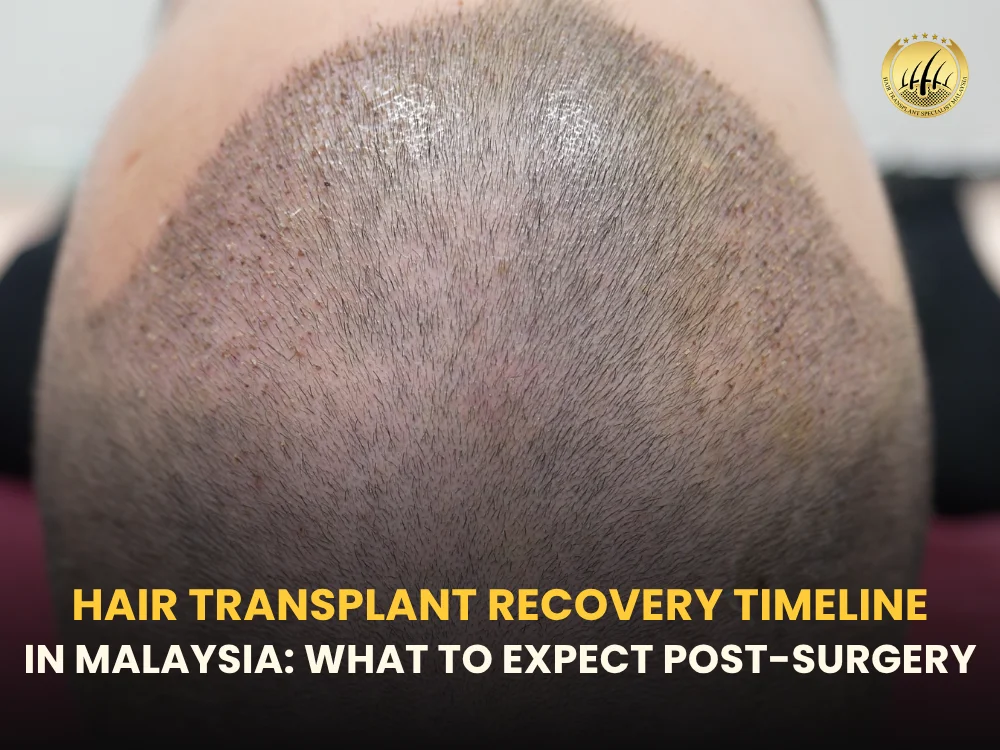
Days 1-7 Weeks 2-4 Months 2-3 Months 4-6 Month 12+ Fresh Grafts Tiny pink micro-incisions and scabbing form around the graft anchor sites. Phase 1: Acute Healing Period Graft Anchoring & Early Crust Formation Your newly implanted hair grafts are settling into place and establishing an active blood supply. The tiny punctures are clotting over, meaning absolute physical protection is your primary goal. 🚨 Critical Post-Op Guidelines Sleep Elevation: Keep your head propped up at a 45° angle using an ergonomic travel pillow to completely prevent facial swelling. No Touching: Do not scratch, pick, or rub at any forming scabs. Let them slough off naturally during your clinical wash. Malaysian Climate Care: Stay strictly indoors in air-conditioned environments to minimize sweating, which can displace fragile grafts. If you’re looking into a hair transplant in Malaysia, understanding the full hair transplant recovery timeline is essential—because every phase matters. From the moment you leave the operating theatre to the point where you look in the mirror and see your new hairline, there are key milestones, realistic expectations and some valuable local insights for Malaysian patients. What is the Hair Transplant Recovery Timeline? The hair transplant recovery timeline refers to the sequence of healing, shedding, regrowth and maturation that follows a hair restoration procedure. In Malaysia, clinics offering advanced techniques like Follicular Unit Extraction (FUE) emphasise this as part of the patient education-process. For example, one Malaysian clinic notes full results typically appear by around 12 months, while the initial healing phase happens in the first two weeks. It’s not just about the surgery—it’s about the journey afterwards. Hair Transplant Recovery Timeline: Day 0 to Day 3 Immediately after your procedure, you’ll be in the recovery phase where your scalp (both donor and recipient sites) begins to heal. Expect mild swelling, redness and tiny scabs around the implanted follicles. This is normal. Clinics in Malaysia emphasise these early hours as critical: resting, avoiding pressure on the scalp and following your surgeon’s after-care instructions matter. Tips: Sleep with head elevated. Avoid touching or scratching the grafts. Stay hydrated and follow antibiotic/medication instructions. Avoid heavy movement, bending, lifting. Hair Transplant Recovery Timeline: Week 1 Around days 4-7 post surgery you’ll notice the scabs starting to form, the redness beginning to diminish, and general comfort improving. Many Malaysian clinics suggest you can return to light activity or office work in this week, provided you follow care instructions diligently. Important to note: Donor area may still have sensitivity; protect it from sun, avoid hats with heavy pressure, avoid vigorous exercise. Hair Transplant Recovery Timeline: Weeks 2 to 4 During week 2 through week 4 you’ll often experience what is called “shock loss” or shedding—transplanted hairs may fall out. This can be alarming if you didn’t expect it, but it’s a normal part of the hair growth cycle. This phase is largely a waiting game. The grafts remain; the hair strands fall out and the follicles enter a resting (telogen) phase before regrowth. What you can do: Stay patient and avoid stressing about appearances. Continue gentle scalp care and avoid sunburn or heavy physical stress. Keep donor site niched—avoid hats rubbing, avoid swimming, avoid direct sun. Hair Transplant Recovery Timeline: Month 1 to Month 3 Around 3-4 months after surgery you’ll begin to see new hair start to sprout from the implanted follicles. In Malaysia many patients note this as the first real sign of progress. This hair can appear fine, wispy, perhaps uneven in texture—don’t worry, that’s normal. The follicles are emerging from dormancy and entering the anagen (growth) phase of the hair cycle. Tips: Use gentle shampoo, avoid harsh chemicals. Protect scalp from sun and avoid extreme heat. Consider light styling if approved by your surgeon. Hair Transplant Recovery Timeline: Months 4 to 6 By months 4-6 many patients begin to see thicker hair, improved density and more even coverage. Particularly in clinics in Malaysia, this is when patient morale improves significantly. At this stage you might allow yourself more styling freedom, though caution is still advised: avoid heavy dyeing or bleaching, avoid tight hairstyles that pull grafts, and continue protecting your scalp. Hair Transplant Recovery Timeline: Months 6 to 12 This is the most exciting phase of the hair transplant recovery timeline. From month 6 onward the transplanted hair continues to thicken and mature; by month 9 to 12 most patients reach ‘near-final’ outcome. Clinics in Malaysia quote 8–12 months full results. You’ll see: Natural hairline blending in with unaffected hair. Improved texture and strength. Ability to style more confidently. However: full maturity (especially for certain hair types) might extend beyond 12 months. Some sources suggest up to 18 months for complete thickening. Hair Transplant Recovery Timeline: Month 12 onwards Once you hit 12+ months, you’re essentially looking at your final result. The transplanted follicles are permanent (taken from resistant donor zones), and your new hair will behave much like your original hair. That said, maintenance still matters: Protect your scalp. Consider treatments for non-transplanted hair if you still have pattern hair loss. Regular check-ups with your surgeon (especially if certified by International Society of Hair Restoration Surgery (ISHRS) or American Board of Hair Restoration Surgery (ABHRS)). Hair Transplant Recovery Timeline: Important Aftercare Tips Choosing the right clinic and following proper aftercare are just as important as the surgery itself. Malaysia’s unique tropical climate adds a few extra considerations that patients must be mindful of to ensure optimal results and a smooth recovery. Choose a Qualified and Experienced Surgeon Always select a hair transplant clinic with an ABHRS (American Board of Hair Restoration Surgery) or ISHRS (International Society of Hair Restoration Surgery) certified surgeon who has at least 25+ years of hands-on experience. Certification guarantees that your surgeon meets global standards in both ethics and surgical skill, significantly reducing the risk of complications. Experienced surgeons also understand the nuances of Malaysian hair types, scalp conditions, and lifestyle factors, ensuring natural, long-lasting outcomes. Follow Local Climate Considerations Malaysia’s high heat and humidity can affect your