If you’ve been scrolling through hair restoration forums or visiting clinics in KL, you’ve likely bumped into three letters that sound more like a car part than a hormone: DHT. In the world of hair loss, DHT is often cast as the ultimate “villain.” But what is it exactly, and why does it seem to have a personal vendetta against your hairline?
Understanding the science behind DHT hormone levels is the first step in moving from panic to a practical plan for hair retention.
Hair Transplant Malaysia Centre helps manage DHT hormone–related hair loss through advanced treatments, targeting hormonal imbalance to prevent thinning and promote healthier, stronger hair growth for lasting results.
What Is DHT?
Definition and Function of Dihydrotestosterone (DHT)
Dihydrotestosterone (DHT) is an androgen—a male sex hormone—that is actually a byproduct of testosterone. An enzyme called 5-alpha reductase (5-AR) converts about 10% of your daily testosterone into DHT. While it gets a bad rap for hair loss, DHT is vital during puberty for developing masculine traits like a deeper voice, muscle mass, and body hair.
How DHT Affects Hair Follicles
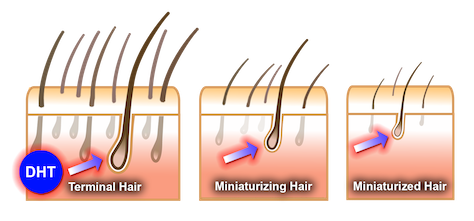
On the scalp, DHT behaves differently. It binds to receptors in your hair follicles and essentially “chokes” them. According to the National Institutes of Health, this process shortens the growth phase of the hair cycle, making strands thinner and more brittle over time.
DHT’s Role in Male and Female Pattern Hair Loss
In men, DHT is the primary driver of the classic receding hairline. In women, while estrogen usually provides a protective shield, hormonal shifts (like menopause or PCOS) can allow DHT to cause diffuse thinning across the top of the scalp.
Causes of Elevated DHT Levels
Genetic Predisposition
Most “high DHT” issues aren’t actually about having too much of the hormone in your blood. Instead, it’s about follicle sensitivity. If your genetics gifted you with highly sensitive androgen receptors, even “normal” levels of DHT will trigger hair loss.
Hormonal Imbalances (Testosterone and Androgens)
Conditions like Polycystic Ovary Syndrome (PCOS) in women can lead to an uptick in androgens. For men, using external testosterone boosters can inadvertently increase DHT production, as there is more “raw material” for the 5-alpha reductase enzyme to convert.
Lifestyle and Dietary Factors That Influence DHT
While genetics hold the steering wheel, lifestyle can step on the gas. High-stress levels and diets rich in saturated fats have been linked to hormonal fluctuations. Research on hormones and hair health suggests that metabolic health plays a significant role in how our bodies process these androgens.
How DHT Causes Hair Loss
DHT Sensitivity in Hair Follicles
Not all hair is created equal. The follicles on the back and sides of your head are usually “immune” to DHT, which is why men often keep a “horseshoe” of hair even when the top is bare. The follicles at the hairline and crown, however, are often the most sensitive.
Miniaturization of Hair and Thinning
This is the technical term for “shrinking.” Under the influence of DHT, a thick, healthy terminal hair follicle gradually shrinks until it only produces vellus hair—the fine, colorless “peach fuzz” you see in thinning areas.
Pattern Baldness (Androgenetic Alopecia) in Men and Women
Once miniaturization reaches its end stage, the follicle can no longer break through the scalp surface. This leads to permanent Androgenetic Alopecia, the most common form of hair loss globally and in Malaysia.
DHT-Blocking Treatments in Malaysia
Oral Medications (Finasteride, Dutasteride)
These are the heavy hitters. Finasteride works by inhibiting the Type II 5-alpha reductase enzyme, reducing DHT levels in the scalp by up to 60-70%. Dutasteride is even more potent, blocking both Type I and Type II enzymes.
Topical DHT Blockers
For those wary of oral pills, topical versions of Finasteride or specialized shampoos containing Ketoconazole can help reduce DHT locally on the scalp without affecting systemic hormone levels as significantly.
Natural DHT Blockers (Saw Palmetto, Pumpkin Seed Oil, Green Tea)
If you prefer the “green” route, several natural ingredients show promise.
Saw Palmetto: Often called “nature’s finasteride.”
Pumpkin Seed Oil: A study published by Evidence-Based Complementary and Alternative Medicine showed a 40% increase in hair count for men using pumpkin seed oil over 24 weeks.
Green Tea (EGCG): Contains polyphenols that may inhibit 5-alpha reductase.
Combining Treatments for Maximum Effectiveness
Most Malaysian specialists recommend a “multi-target” approach: an oral blocker to stop the DHT, and Minoxidil or PRP therapy to stimulate blood flow and growth.
Risks and Considerations of DHT-Blocking Treatments
Common Side Effects of Medications
While rare (affecting roughly 2-4% of users), some men experience sexual side effects, such as decreased libido. These are typically reversible upon stopping the medication.
Safety Considerations for Men and Women
Crucial Note: Finasteride and Dutasteride are strictly contraindicated for women who are pregnant or planning to conceive, as blocking DHT can interfere with the development of a male fetus. The Mayo Clinic advises that even handling crushed tablets can be a risk for pregnant women.
How to Monitor and Minimize Risks in Malaysia Clinics
Always consult an LCP-certified doctor in Malaysia. They can perform baseline blood tests and monitor your progress to ensure your hormone levels remain balanced and your liver enzymes stay healthy.
Frequently Asked Questions
Can DHT Levels Be Fully Controlled?
You can significantly reduce DHT activity on the scalp, but you cannot (and should not) eliminate DHT entirely, as it serves other biological functions.
How Long Does It Take to See Results from DHT Blockers?
Patience is the name of the game. It takes 3 to 6 months to notice a decrease in shedding and up to a year to see visible regrowth.
Are Natural DHT Blockers Effective?
They are great for maintenance and early-stage thinning. However, for aggressive balding, they are usually not potent enough to act as a standalone cure.
Can Hair Loss Due to DHT Be Reversed?
If the follicle is just “sleeping” (miniaturized), yes! If the area has been completely bald and smooth for years, the follicle may be dead, in which case a hair transplant is the only option.