Is Hair Transplant Safe in Malaysia? A Guide for Locals and Medical Tourists
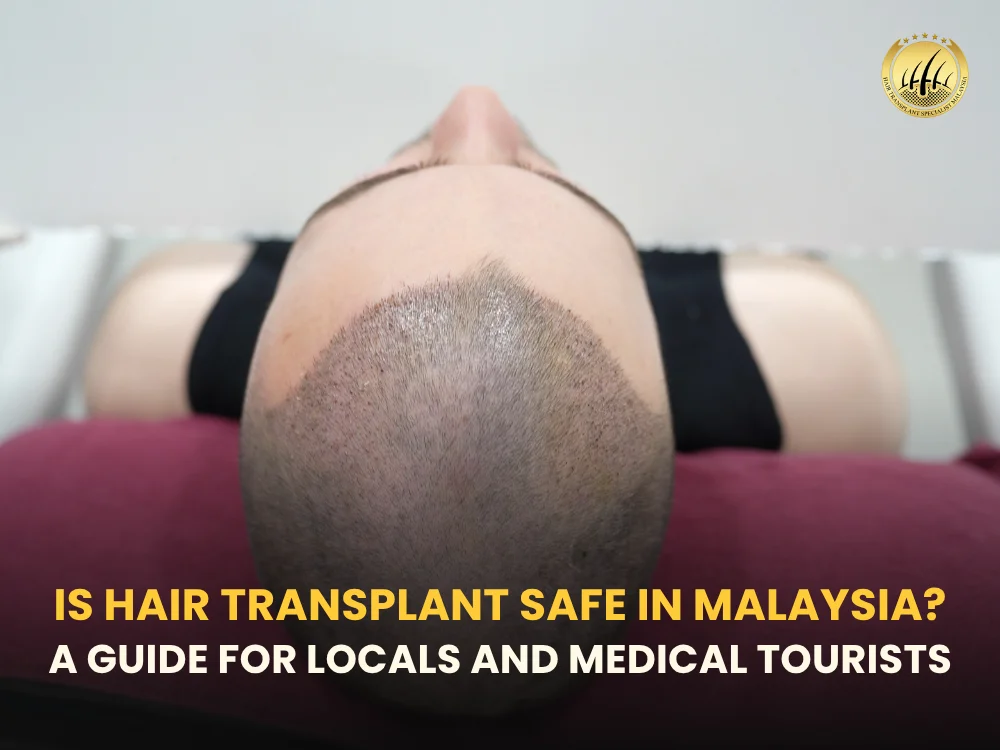
If you’re asking “Is a hair transplant safe?” when considering going to Malaysia—whether you’re a local or a medical tourist—this guide will address that question thoroughly. We’ll explore safety benchmarks, potential risks, how to assess clinics, and why credentials like the American Board of Hair Restoration Surgery (ABHRS) and the International Society of Hair Restoration Surgery (ISHRS) matter. You’ll learn how to pick a clinic with 25+ years of expertise, understand techniques, after-care, and make an informed choice. Why “hair transplant safe” matters in Malaysia Undergoing a hair transplant safe is more than a cosmetic procedure—it’s surgery. Ensuring it’s safe means confirming the operation is done by qualified professionals, under sterile conditions, with full pre- and post-operative process. In Malaysia, while many reputable clinics exist, there are also lower-cost providers with less rigorous standards. Being informed helps you avoid poor outcomes, infections or excessive scarring. What makes a hair transplant safe — credentials and clinic standards The success of a hair transplant safe depend heavily on the expertise of the surgeon and the standards maintained by the clinic. A safe procedure goes far beyond aesthetic results—it reflects proper medical governance, ethical practices, and consistent post-operative care. Below are the key pillars that determine how a hair transplant safe truly is. 1. Surgeon Credentials and Professional MembershipsA qualified surgeon is the foundation of any safe hair restoration procedure. Look for a practitioner who is certified by the American Board of Hair Restoration Surgery (ABHRS) and a member of the International Society of Hair Restoration Surgery (ISHRS). These affiliations indicate rigorous training, ethical conduct, and a commitment to continuing education. Surgeons with these credentials have proven expertise in both the art and science of hair transplant safe, ensuring patient, precision, and natural-looking outcomes. 2. Accredited Clinical EnvironmentA reputable hair transplant clinic should be registered as a licensed surgical day-care or hospital facility, not merely a beauty salon or aesthetic spa. This accreditation ensures that the clinic adheres to local health regulations and safety protocols. Proper licensing confirms that the facility meets standards for medical waste disposal, emergency preparedness, infection control, and staff training—crucial elements in minimizing surgical risk. 3. Strict Sterilization and Protocol AdherenceSafety during and after surgery depends on maintaining a sterile environment. A good clinic follows strict sterilization procedures, uses medical-grade equipment, and employs trained medical staff. Every step—from donor harvesting to graft handling—should be documented and standardized. This reduces the chance of infection, graft loss, and poor healing. Clinics that openly share their sterilization and graft-handling protocols demonstrate transparency and professionalism. 4. Ethical Consultations and Realistic ExpectationsA trustworthy surgeon provides a transparent consultation, explaining the entire procedure, potential risks, realistic results, and recovery timeline. Beware of clinics that overpromise or use aggressive marketing language such as “scarless,” “painless,” or “guaranteed full head of hair.” In Malaysia, ethical clinics are expected to answer questions about graft survival rates, possible complications, and long-term care. A safety-focused consultation emphasizes informed decision-making rather than sales tactics. 5. Comprehensive Follow-Up and Patient SupportTrue patient safety doesn’t end when the surgery does. A reputable clinic offers consistent follow-up care, including scheduled check-ups, healing assessments, and post-operative guidance. This ensures that any issues, such as swelling, infection, or shock loss, are addressed early. Proper aftercare instructions, medication management, and accessibility to the medical team build patient confidence and contribute to better results. In short, a hair transplant safe combines surgeon expertise, accredited facilities, medical-grade hygiene, ethical transparency, and continuous aftercare. When all these factors are in place, patients can expect not only a natural aesthetic outcome but also a smooth, worry-free recovery. The safety profile of hair transplant surgery What the research says Hair transplants generally have a good safety record when done properly. Some findings: They use local anaesthesia (minimal risk compared to general anaesthesia). Common side-effects (temporary swelling, redness, scabbing) are mild and usually resolve. Serious complications (infection, graft failure, unnatural hairline) are rare but possible—especially if standards are low. Specific risks to be aware of Infection: Even though rare, can occur if donor/recipient sites are not maintained or environment is not sterile. Scarring: With methods like FUT you’ll have a linear scar; FUE has smaller dot scars—but technique matters. Shock loss (temporary shedding of transplanted hair or nearby native hair) is common. Poor graft survival or unnatural result due to poor planning or execution. For medical tourists: travel-related risks (infection control, follow-up from abroad) important to consider. What to check in Malaysia to ensure it’s safe When you’re considering a hair transplant in Malaysia, several local considerations help ensure the “hair transplant safe” promise: Ask: Is the surgeon certified? How many hair transplants have they personally performed? Are results with local Asian hair types documented? Facility: Is the clinic in a hospital or registered day-care surgical centre (not just a salon)? After-care & follow-up: For medical tourists, will you have remote follow-up if you return home? Is there a guarantee of support? Transparent pricing: Low price may signal compromise in technique, quantity of grafts, or aftercare. Hygiene & environment: Ensure the clinic uses full infection-control protocols (especially important in humid Malaysian climate). Real patient reviews: Look for long-term results (12+ months), of patients with similar hair type and loss pattern. Realistic promises: No clinic can guarantee “100% success” or “zero risk”—if they claim that, be cautious. Benefits of choosing a high-standard clinic for safety A clinic that meets strong safety criteria offers you: Reduced risk of complications—since surgeon is experienced, clinic is sterile, after-care is thorough. Better cosmetic outcome—natural hairline, donor area preserves aesthetics. Peace of mind for medical tourists—understanding full scope of procedure, costs, travel, recovery. Transparent risk discussion—so you know what to expect and can make decisions accordingly. Common myths about risk and safety Myth: “Hair transplant is completely risk-free.” Reality: All surgeries carry risk, but major risks are low when proper standards are met. Myth: “The cheaper the clinic, the same result.” Reality: Very low cost often correlates with shortcuts in technique, staffing, hygiene. Myth: “Once transplanted hair, forget
FUE vs FUT Hair Transplant in Malaysia: Which One Is Right for You?
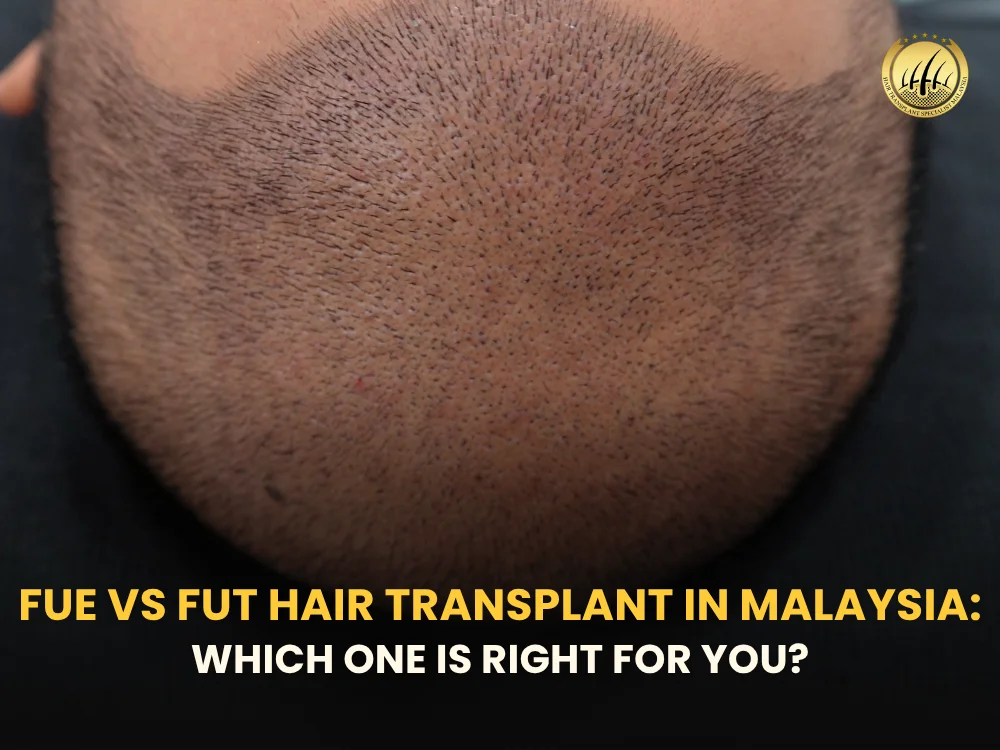
When you’re investigating FUE vs FUT hair transplant in Malaysia, you’re essentially comparing two established surgical methods for restoring hair—each with its own strengths, limitations and suitability depending on your hair loss pattern, donor supply, lifestyle and goals. This article will guide you through the differences, what to look for in a clinic, and help you decide which method might be right for you at a certified Hair Transplant Malaysia Clinic with 25 + years’ expertise, ABHRS & ISHRS certified surgeons. Understanding FUE and FUT: What are they? Follicular Unit Transplantation (FUT) involves removing a strip of scalp from the donor area (commonly the back of the head), dissecting it into individual grafts and transplanting them into the recipient site. Follicular Unit Extraction (FUE) involves extracting individual follicular units directly from the donor region using a small punch or tool, then transplanting them. There’s no large strip removed. Why the comparison matters Choosing between FUE vs FUT isn’t just about which “sounds better”. It’s about matching the method to your situation: how many grafts you’ll need, how prominent your donor area is, how quick you want recovery, what scar tolerance you have, and your long-term hair loss risk.In Malaysia’s context (with Asian hair types, donor characteristics, climate), selection with a skilled clinic makes a big difference. Key differences: FUE vs FUT Here’s a breakdown of the major differences when comparing FUE vs FUT hair transplant: Feature FUE FUT Donor harvesting Individual follicles harvested. Strip of scalp removed then dissected. Scarring Tiny dot-scars, nearly invisible especially with short hair. Linear scar across donor area; more visible with short hair. Recovery time Shorter, less discomfort. Longer recovery, more donor area tension. Graft yield (single session) Usually lower maximum than FUT in one go. Higher yield possible in one session—good for large bald-areas. Cost Generally more expensive per graft due to time. Often more cost-effective for large graft numbers. Best suited for Short hairstyles, minimal visible scar, moderate graft need Extensive baldness, high graft requirement, donor area supply good Suitability in Malaysian context When considering FUE vs FUT in Malaysia, there are some local-specific factors: Asian hair tends to have thicker shafts, and darker contrast, which can help visual density even with fewer grafts. A good clinic will factor this in. Donor area characteristics – in some Malaysian patients donor scalp laxity or density may affect strip extraction (FUT) feasibility. Lifestyle and hairstyle preference – if you prefer short haircuts, FUE’s minimal scarring may be more appealing. Budget and long-term plan – if you anticipate needing a large number of grafts now or maybe later, FUT may offer better value in some cases. Advantages & disadvantages of each (FUE vs FUT) Advantages of FUE Minimal visible scarring:FUE involves extracting individual follicular units using micro punches, leaving only tiny dot-like scars that are virtually invisible, even with short hairstyles. Faster recovery and minimal downtime:Because there are no stitches, patients can usually return to work or light activities within a few days. Ideal for moderate hair loss and smaller areas:FUE is well-suited for patients who have a good donor area and do not require extremely high graft counts to achieve their desired density. Flexible donor harvesting:Hair follicles can be taken from various parts of the scalp—or even beard or body hair—if needed. Disadvantages of FUE Cost per graft can be higher. In cases needing very high graft numbers, may require multiple sessions. Advantages of FUT High graft yield in one session:FUT allows a large number of grafts to be harvested in a single procedure, making it efficient for patients with advanced hair loss. Better cost efficiency for large cases:The cost per graft is typically lower, making FUT more economical when a high volume of grafts is required. Preserves donor area for future sessions:Because only a narrow strip of scalp is removed, the surrounding donor area remains largely intact for potential future transplants. Disadvantages of FUT Linear scar which may limit short haircut options. Longer initial recovery time and more donor area discomfort. How to decide which method (FUE vs FUT) is right for you Here’s a checklist to help you weigh FUE vs FUT: How extensive is your hair loss (Norwood scale or equivalent)? If very large area, FUT may be favorable. How much donor hair do you have and how good is donor density? What hairstyle do you prefer (short vs longer hair)? A short hairstyle leans toward FUE. What’s your budget and willingness for downtime? Are you okay with a visible scar if haircut is very short? Do you anticipate needing multiple sessions over time? What’s the experience and credential of your surgeon (certified ABHRS, member of ISHRS) and their results in FUE vs FUT? What after-care and follow-up services does the clinic offer for your context in Malaysia? What to expect during the process in Malaysia When you choose a clinic in Malaysia (with over 25 years experience and ABHRS/ISHRS certified team), here’s what you should expect for both FUE and FUT: Thorough consultation: hair loss assessment, donor evaluation, scalp exam and discussion of FUE vs FUT suitability. Pre-op instructions: stopping certain medications, lifestyle prep, understanding recovery timeframe. On the day: Local anesthesia, technician/doctor team working on donor harvest and graft implantation. Post-op care: Specific instructions for donor and recipient scalp care, avoiding sun, sweat, swimming, etc. Follow-up visits: Monitoring growth, managing shedding phase, assessing graft take, and advising on maintenance (medications, topical treatments). Long-term results: Realistic timeline – you’ll often see early growth by months 4-6, with fuller maturation by months 9-12 or more. Risks and realistic expectations No method (FUE vs FUT) is entirely risk-free or magical. Some things to keep in mind: Both methods require good surgeon technique to ensure high graft survival. For instance, FUE has risk of transecting follicles. Scarring differs but still present; donor healing matters. Hair loss may continue in non-transplanted areas—maintenance may be needed. In Malaysia’s tropical climate, after-care (sun exposure, hydration, scalp hygiene) matters. Realistic expectation: Transplanted hair takes time to grow;
Hair Transplant Recovery Timeline in Malaysia: What to Expect Post-Surgery
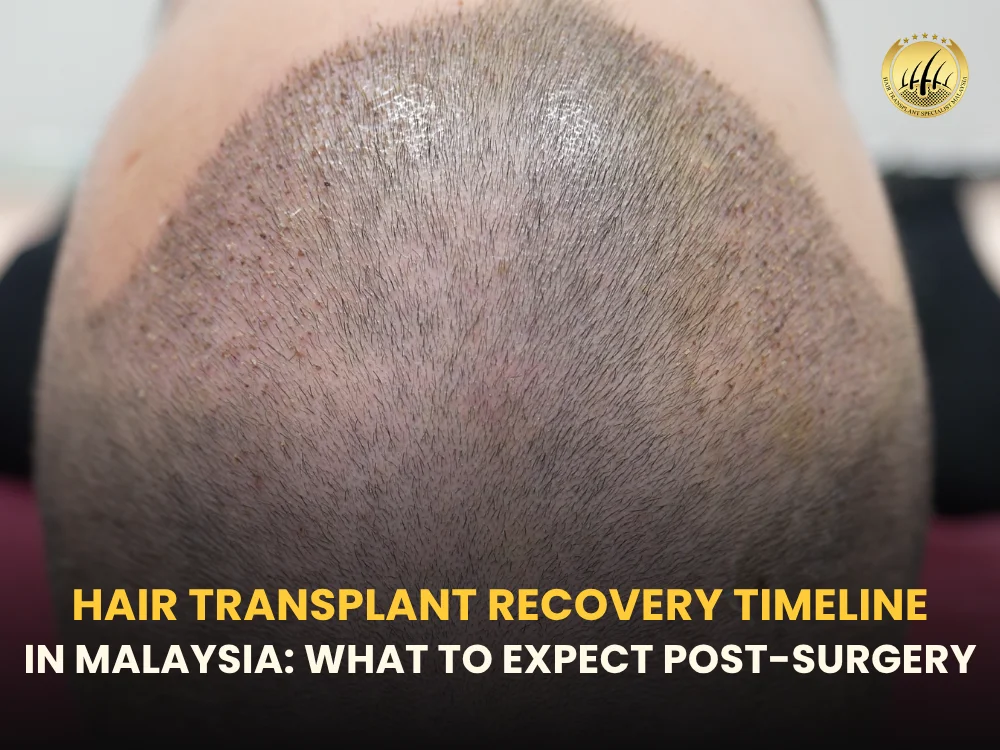
If you’re looking into a hair transplant in Malaysia, understanding the full hair transplant recovery timeline is essential—because every phase matters. From the moment you leave the operating theatre to the point where you look in the mirror and see your new hairline, there are key milestones, realistic expectations and some valuable local insights for Malaysian patients. What is the Hair Transplant Recovery Timeline? The hair transplant recovery timeline refers to the sequence of healing, shedding, regrowth and maturation that follows a hair restoration procedure. In Malaysia, clinics offering advanced techniques like Follicular Unit Extraction (FUE) emphasise this as part of the patient education-process. For example, one Malaysian clinic notes full results typically appear by around 12 months, while the initial healing phase happens in the first two weeks. It’s not just about the surgery—it’s about the journey afterwards. Hair Transplant Recovery Timeline: Day 0 to Day 3 Immediately after your procedure, you’ll be in the recovery phase where your scalp (both donor and recipient sites) begins to heal. Expect mild swelling, redness and tiny scabs around the implanted follicles. This is normal. Clinics in Malaysia emphasise these early hours as critical: resting, avoiding pressure on the scalp and following your surgeon’s after-care instructions matter. Tips: Sleep with head elevated. Avoid touching or scratching the grafts. Stay hydrated and follow antibiotic/medication instructions. Avoid heavy movement, bending, lifting. Hair Transplant Recovery Timeline: Week 1 Around days 4-7 post surgery you’ll notice the scabs starting to form, the redness beginning to diminish, and general comfort improving. Many Malaysian clinics suggest you can return to light activity or office work in this week, provided you follow care instructions diligently. Important to note: Donor area may still have sensitivity; protect it from sun, avoid hats with heavy pressure, avoid vigorous exercise. Hair Transplant Recovery Timeline: Weeks 2 to 4 During week 2 through week 4 you’ll often experience what is called “shock loss” or shedding—transplanted hairs may fall out. This can be alarming if you didn’t expect it, but it’s a normal part of the hair growth cycle. This phase is largely a waiting game. The grafts remain; the hair strands fall out and the follicles enter a resting (telogen) phase before regrowth. What you can do: Stay patient and avoid stressing about appearances. Continue gentle scalp care and avoid sunburn or heavy physical stress. Keep donor site niched—avoid hats rubbing, avoid swimming, avoid direct sun. Hair Transplant Recovery Timeline: Month 1 to Month 3 Around 3-4 months after surgery you’ll begin to see new hair start to sprout from the implanted follicles. In Malaysia many patients note this as the first real sign of progress. This hair can appear fine, wispy, perhaps uneven in texture—don’t worry, that’s normal. The follicles are emerging from dormancy and entering the anagen (growth) phase of the hair cycle. Tips: Use gentle shampoo, avoid harsh chemicals. Protect scalp from sun and avoid extreme heat. Consider light styling if approved by your surgeon. Hair Transplant Recovery Timeline: Months 4 to 6 By months 4-6 many patients begin to see thicker hair, improved density and more even coverage. Particularly in clinics in Malaysia, this is when patient morale improves significantly. At this stage you might allow yourself more styling freedom, though caution is still advised: avoid heavy dyeing or bleaching, avoid tight hairstyles that pull grafts, and continue protecting your scalp. Hair Transplant Recovery Timeline: Months 6 to 12 This is the most exciting phase of the hair transplant recovery timeline. From month 6 onward the transplanted hair continues to thicken and mature; by month 9 to 12 most patients reach ‘near-final’ outcome. Clinics in Malaysia quote 8–12 months full results. You’ll see: Natural hairline blending in with unaffected hair. Improved texture and strength. Ability to style more confidently. However: full maturity (especially for certain hair types) might extend beyond 12 months. Some sources suggest up to 18 months for complete thickening. Hair Transplant Recovery Timeline: Month 12 onwards Once you hit 12+ months, you’re essentially looking at your final result. The transplanted follicles are permanent (taken from resistant donor zones), and your new hair will behave much like your original hair. That said, maintenance still matters: Protect your scalp. Consider treatments for non-transplanted hair if you still have pattern hair loss. Regular check-ups with your surgeon (especially if certified by International Society of Hair Restoration Surgery (ISHRS) or American Board of Hair Restoration Surgery (ABHRS)). Hair Transplant Recovery Timeline: Important Aftercare Tips Choosing the right clinic and following proper aftercare are just as important as the surgery itself. Malaysia’s unique tropical climate adds a few extra considerations that patients must be mindful of to ensure optimal results and a smooth recovery. Choose a Qualified and Experienced Surgeon Always select a hair transplant clinic with an ABHRS (American Board of Hair Restoration Surgery) or ISHRS (International Society of Hair Restoration Surgery) certified surgeon who has at least 25+ years of hands-on experience. Certification guarantees that your surgeon meets global standards in both ethics and surgical skill, significantly reducing the risk of complications. Experienced surgeons also understand the nuances of Malaysian hair types, scalp conditions, and lifestyle factors, ensuring natural, long-lasting outcomes. Follow Local Climate Considerations Malaysia’s high heat and humidity can affect your scalp’s healing process. During the initial weeks, it’s crucial to protect your scalp from direct sunlight to prevent irritation and inflammation. Use a loose, breathable hat if you need to go outdoors, and avoid spending long hours in the sun. Excessive sweating can also affect the newly transplanted grafts, so try to stay in cool environments whenever possible during the early recovery phase. Avoid Strenuous Activities Early On Right after your procedure, your scalp is still sensitive. Avoid heavy exercise, sauna sessions, steam rooms, and swimming for at least the first few weeks. These activities increase blood pressure and sweat production, which can disrupt grafts before they fully anchor. Most reputable Malaysian hair transplant clinics recommend taking 7–10 days off before returning to light work and
How to Choose the Right Hair Transplant Doctor in Malaysia
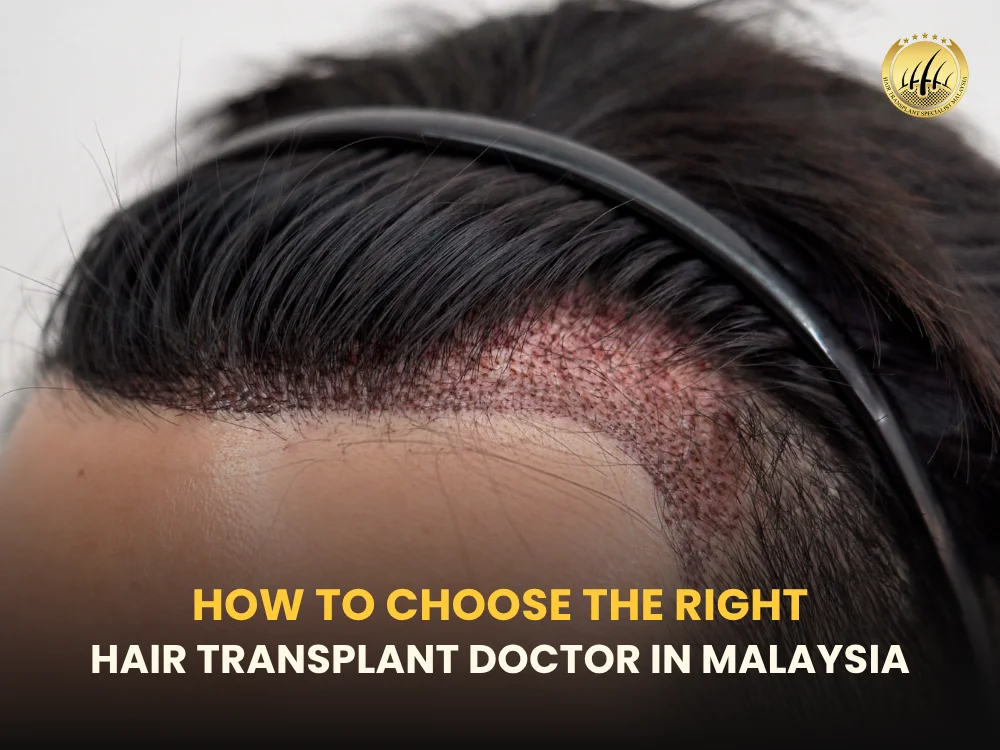
When you’re considering a hair transplant in Malaysia, the first — and possibly the most important — decision you’ll make is selecting the Right Hair Transplant Doctor in Malaysia. It’s not just about cost or convenience. Your right hair transplant doctor credentials, skill set, ethics, clinic environment and aftercare all play major roles in your outcome. In this guide we’ll walk through everything you need to know to make an informed choice. Right Hair Transplant Doctor in Malaysia: What It Means When we speak of the right hair transplant doctor in Malaysia, we’re talking about a surgeon who: has board‐certifications in hair restoration (such as ABHRS – American Board of Hair Restoration Surgery) and membership or fellowship in ISHRS – International Society of Hair Restoration Surgery; has significant hands‐on experience with hair transplantation (FUE, FUT, corrective cases) practices in a reputable clinic with proper accreditation, hygiene, modern technology engages in detailed consultations, realistic expectations and honest aftercare is transparent about outcomes, risks, costs, and alternative treatments. By following these criteria, you greatly increase your chances of a successful result and a positive overall experience. Why Credentials Matter in Hair Transplantation Choosing a right hair transplant doctor who is certified by bodies like ABHRS or recognized by ISHRS is not just a marketing badge. These credentials mean the physician has undergone rigorous training in hair restoration, has documented experience and abides by ethical standards. For example, the ABHRS directory clearly states that certain surgical steps must be performed by the physician of record, not delegated irresponsibly. In Malaysia, you can verify practitioners in these databases – for instance, Dr Inderjit Kaur is listed as a Diplomate of ABHRS practising in Malaysia. Credentials give you: Assurance of standardized skill: Hair transplantation is a surgical procedure, albeit minimally invasive, but it still carries risks. Ethical oversight: Certified right hair transplant doctor is more likely to follow best practices for patient safety and follow‐up care. Better outcomes: Experience and specialization translate into better planning of donor area, recipient sites, and realistic results. Researching the Clinic and Right Hair Transplant Doctor – What to Check When vetting potential right hair transplant doctor and clinics, consider the following checklist: Clinic Infrastructure & Technology Is the clinic registered and accredited locally (Malaysia Ministry of Health or equivalent)? Are there dedicated surgical suites, sterile protocols and monitoring equipment? What transplantation techniques do they use (e.g., FUE, FUT, direct hair implantation) and are they updated? For example, one Malaysian clinic advertises “SMART™ FUE, no pain, no stitches, no visible scars”. Do they provide pre‐ and post‐operative care (medications, wound care, follow‐up visits)? Doctor’s Experience & Track Record How many years has the doctor been doing hair transplants? Look for “over 25 years of experience” claims. Does the doctor perform the core parts of your surgery (extraction, placement) personally rather than delegating all to technicians? Can they show before/after portfolios for similar hair types and cases (especially for Asian/SE Asian hair)? Are there real patient testimonials and independent reviews (not just marketing blurbs)? Credentials & Association Memberships Confirm the right hair transplant doctor’s name in ABHRS or ISHRS directories. Membership in local aesthetic or dermatology societies adds credibility. Beware of clinics that claim “scarless surgery” or “100% guaranteed” outcomes—these are often misleading. Consultation Process & Transparency Does the doctor evaluate your scalp, donor and recipient areas, discuss your goals, realistic expectations and risks? Is there a clear breakdown of cost, graft number, follow‐up plan? Are you given written information about the procedure, healing time, what happens if things don’t go perfectly? Aftercare & Support What is the clinic’s policy for follow‐up visits, complications or poor growth? Does the clinic provide medications, guidance on washing, avoiding strenuous exercise, and address shock‐loss episodes? Do they monitor your progress (photos, visits) and adjust as needed? Key Questions to Ask During Your Consultation Here are some specific questions you should ask your potential surgeon: Are you certified or diplomate of ABHRS / member of ISHRS? How many hair transplant surgeries have you personally performed in the last 12 months? What techniques will you use for my transplant (FUE vs FUT vs hybrid) and why? Who will do the extraction and implantation – you or others? Can I see before/after photos of patients with similar hair type and ethnicity? What results are realistic for my case (density, hairline design)? What are the risks, and how often do you encounter complications (e.g., graft failure, infection, excessive scarring)? What is the full cost, including follow‐up, medications, and possible revision? What happens if the graft take is less than expected – do you offer any guarantee or revision policy? What is your aftercare protocol – how many visits, what support, how to wash and care for scalp? A doctor who welcomes these questions and provides clear, structured answers is more likely to be trustworthy. Comparing Cost vs Value – Don’t Let Price Be the Only Factor It’s tempting to compare simply on cost—Malaysia has competitive pricing compared to many Western countries. However, go beyond price: Factor What to Look For Graft number & quality How many grafts, what is donor quality, extraction method Doctor involvement Will the senior surgeon perform critical steps? Clinic environment Sterility, technology, staff training Aftercare & support Is there a follow‐up guarantee or support plan? Realistic expectations Cheap clinics might oversell results leading to disappointment A cheaper option may save money upfront but lead to suboptimal results (lower density, poor hairline design, need for revision). Choosing the right doctor is about value as much as price. Recognizing Red Flags – What to Avoid Be cautious if you see: Promises like “scarless”, “100% guarantee”, “unlimited grafts for one price” The surgeon never meets you and only a technician handles your case Lack of certifications or unclear credentials No realistic discussion about risks or aftercare Very low pricing but vague about how many grafts you’ll get or who does the work No portfolio of previous patient results, especially for your hair type/ethnicity Avoiding these traps helps protect
Is Hair Transplant in Malaysia Worth It? A Full Guide with Pros & Cons
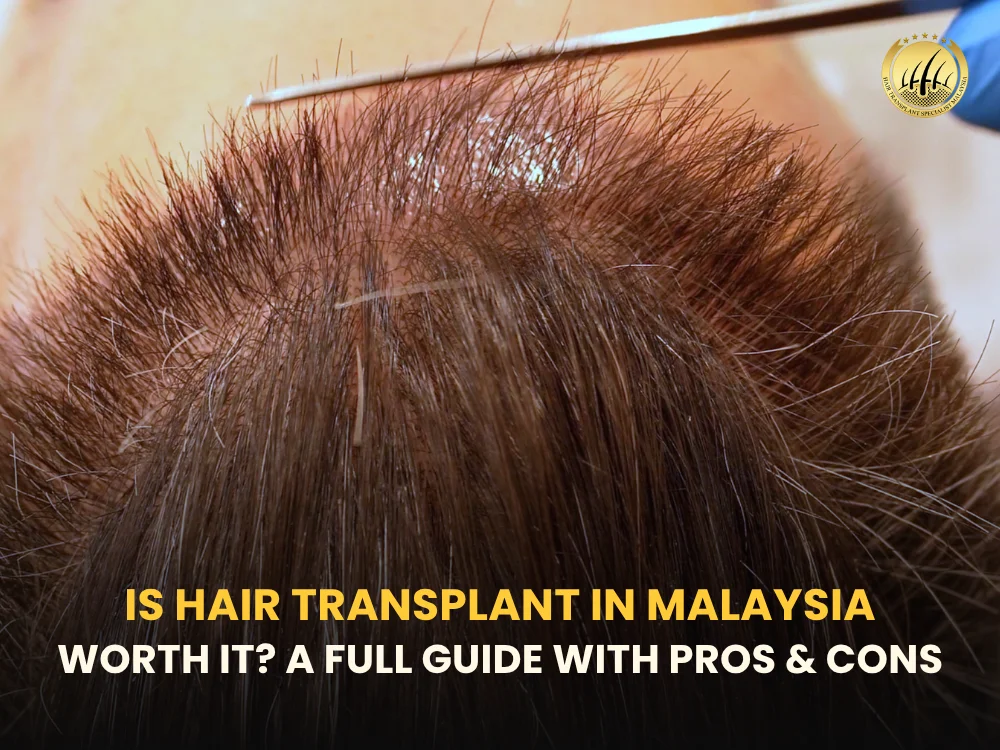
If you’re browsing the idea of a Hair Transplant in Malaysia, you’re in the right place. Whether you’re dealing with thinning hair, male-pattern baldness or simply want to restore confidence with a fuller hairline, this article gives you the full picture: why Malaysia might make sense, what to watch out for, the pros and cons, and whether it’s ultimately worth the investment. Hair Transplant in Malaysia: What You Need to Know Starting with the core term: Hair Transplant in Malaysia. The country has become a popular destination for hair restoration surgery, thanks to a combination of skilled surgeons, modern clinics and competitive pricing. According to multiple sources, hair transplant in Malaysia costs vary widely depending on method, number of grafts, clinic reputation and location. For example, one clinic lists FUE hair transplant costs between RM 7,500 to RM 15,000 (or higher) in Malaysia. Another breakdown puts cost per graft from RM 6-12 for FUE, or RM 5-10 for FUT, with 1,000 grafts at RM 8,000–15,000 and 2,000 grafts RM 15,000–25,000. Why Malaysia is Considered Malaysia offers high standards of healthcare and attracts medical tourism for hair restoration. English-speaking clinics, experienced surgeons, and modern equipment make it viable for both local and international patients. The relative cost is generally lower than many Western countries, making it an attractive option. What’s the Procedure Like In Malaysia, common methods include: FUE (Follicular Unit Extraction) – extracting individual follicles and implanting them. FUT (Follicular Unit Transplantation) – a strip method, less commonly favoured now because of scar risk. Sometimes DHI (Direct Hair Implantation) or robotic-assisted methods may be offered depending on clinic. You’ll go through a consultation, donor area harvesting, implantation, and follow-up. Recovery varies, but many patients can resume regular activities within a few days to a week (though full results take months). The Benefits (Pros) of a Hair Transplant in Malaysia Here are compelling reasons why it may be worth it. Permanent Results (for the transplanted hair) When done properly, hair transplanted from donor zones (typically areas resistant to hair loss) grows like your natural hair and can be long-lasting. This gives a more permanent solution compared to topical treatments or wigs. Cost-Effectiveness Compared to Many Countries While not ultra-cheap, Malaysia offers relatively good value. For many people, the pricing (e.g., RM 8,000–15,000 for 1,000 grafts) is more affordable than similar quality surgery in the U.S. or Western Europe. Access to Skilled Surgeons & Modern Clinics You’ll find clinics in Malaysia with certifications, good reputations and up-to-date hair restoration technologies. For example, clinics mention surgeons with over 25 years’ experience in hair restoration. Boosted Confidence & Quality of Life Beyond the medical result, many patients say the psychological benefit – feeling more confident, less self-conscious – makes the investment worthwhile. Clinics highlight improved appearance and self-esteem as key benefits. Medical Tourism Suitability If you’re from nearby countries (or even further), Malaysia is accessible, has good hospitality infrastructure, and can combine treatment with stay. This makes it convenient for international patients. The Drawbacks (Cons) of a Hair Transplant in Malaysia However – and it’s important to be realistic – there are caveats. Variable Costs and Hidden Expenses Whilst advertised costs may seem low, factors like number of grafts, technique, surgeon skill, post-op care, hotel stay (if coming from abroad) can raise the true cost. Some clinics list price ranges up to RM 30,000+ for extensive cases. Quality Varies Between Clinics Not all clinics are equal. Some might use less-experienced surgeons or technicians, or less advanced equipment. The success and natural look of the transplant can depend heavily on the surgeon’s expertise. As one article warns: “the cheapest option isn’t always the best one”. Hair Loss May Continue Elsewhere Even if you transplant grafts to thinning areas, your existing non-treated hair may continue to thin over time (especially with male-pattern baldness). This means you may need further sessions down the line to maintain the look. Recovery & Post-Op Care Requirements While many patients recover quickly, you still need to follow specific post-op instructions: avoid strenuous exercise, sun exposure, certain hair-care habits. Failure to do so may compromise results. Also early shedding (shock loss) can be alarming though normal. Travel & After-care for International Patients If you’re travelling to Malaysia for the procedure, you’ll need to factor in flights, accommodation, possible companion, and return visits for follow-up. Support after you go home may be limited. How to Make It Worth It: Key Tips for a Successful Hair Transplant in Malaysia To maximise chances of great results, follow these guidance points. Choose Certified Surgeons & Clinics Look for surgeons certified by relevant hair restoration bodies (e.g., American Board of Hair Restoration Surgery (ABHRS), International Society of Hair Restoration Surgery (ISHRS)). Clinics that publicise these credentials signal higher trust. As one Malaysian clinic states, they have surgeons with over 25 years’ experience and ABHRS certification. Understand the Number of Grafts & Technique Ask how many grafts you need, what method will be used (FUE, FUT, DHI) and how many hairs per graft. These influence cost and outcome. For example, cost per graft in Malaysia can range from RM 4 to RM 12 depending on the technique and clinic. Ask for Before & After Photos, Reviews See prior work from the surgeon, read patient reviews, look for natural hairlines (not pluggy look), minimal scarring and consistent growth. Be Realistic About Results It takes months to see final growth (typically 9-12 months or more). Transplanted hair behaves like your natural hair but you may still experience thinning in untreated areas. Follow After-Care Instructions You’ll likely be given medications, advised to sleep a certain way, avoid heavy exercise for a time, protect from sun, gentle hair washing, etc. Adhering to after-care improves success. Budget for Possible Future Sessions If you have extensive hair loss, you may need more than one session or future touch-ups to maintain density. Is Hair Transplant in Malaysia Worth It? My Verdict Putting it all together: yes – a hair transplant in Malaysia can be