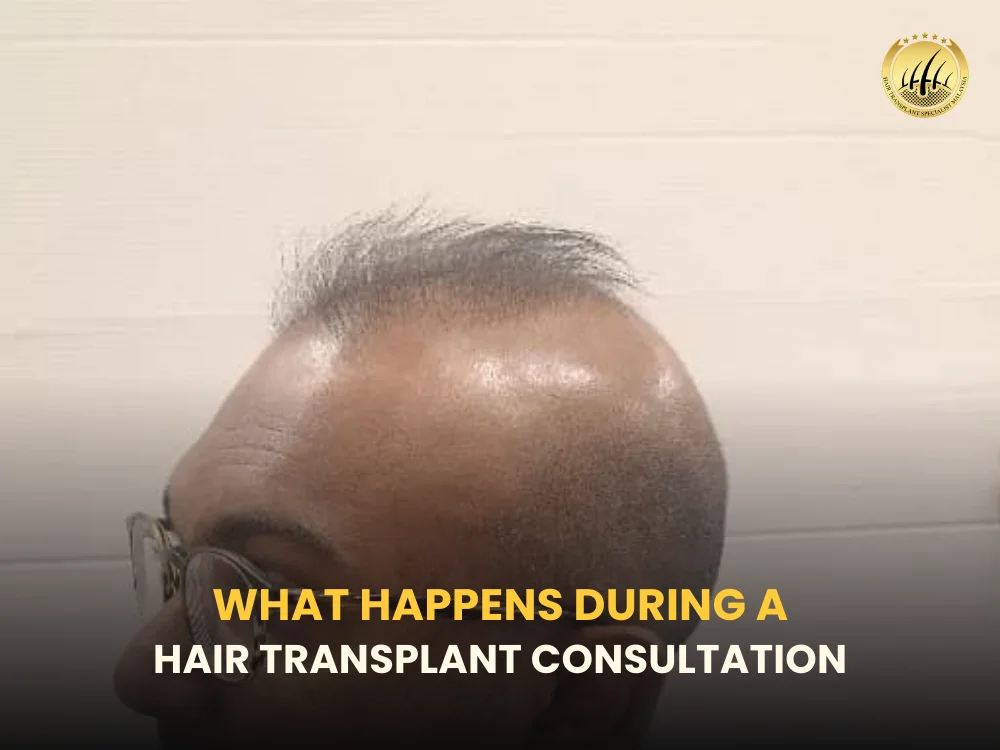
Taking the first step toward restoring your hair can feel exciting — and a little intimidating. Before any surgical plan is made, everything starts with a proper hair transplant consultation. This initial appointment is not just a formality; it determines whether you’re a suitable candidate, what technique is recommended, and what kind of results you can realistically expect.
In Malaysia, where hair restoration procedures are increasingly popular, a structured Hair Transplant consultation ensures safety, transparency, and personalized treatment planning.
Let’s walk through exactly what happens during this important visit.
Why a Hair Transplant Consultation Matters
A hair transplant consultation is the foundation of successful treatment. It allows the surgeon to assess your scalp condition, donor hair quality, pattern of hair loss, and overall health before recommending FUE (Follicular Unit Extraction) or FUT (Follicular Unit Transplantation).
More importantly, this session aligns your expectations with what is medically achievable — preventing disappointment later.
A proper Hair Transplant consultation is detailed, educational, and personalized — never rushed.
Step 1: Medical History Review
Your Hair Transplant consultation typically begins with a medical discussion.
The doctor may ask about:
- Duration of hair loss
- Family history of baldness
- Current medications
- Previous scalp treatments
- Medical conditions (diabetes, hypertension, etc.)
- Allergies
Hair loss is commonly caused by androgenetic alopecia, but other conditions like alopecia areata or thyroid imbalance must be ruled out before surgery.
Honest disclosure helps ensure safety and optimal results.
Step 2: Scalp and Donor Area Examination
The surgeon will closely examine:
✔ Donor density (back and sides of scalp)
✔ Hair shaft thickness
✔ Miniaturization levels
✔ Scalp elasticity (important for FUT)
✔ Pattern of hair loss
Some clinics use digital scalp magnification tools to measure follicular density accurately.
The strength of your donor area is the most important factor in determining candidacy.
Step 3: Hair Loss Classification
Doctors often use standardized scales to evaluate severity:
- Norwood Scale (for men)
- Ludwig Scale (for women)
These classifications help estimate graft numbers and long-term progression risk.
A skilled surgeon plans not just for current bald areas but also for future thinning.
Step 4: Hairline Design Discussion
Hairline design is both medical and artistic.
During consultation, the surgeon will:
- Assess facial proportions
- Consider age-appropriate hairline placement
- Explain realistic density expectations
An overly aggressive or low hairline may look unnatural over time. Proper design balances aesthetics and long-term planning.
Step 5: Technique Recommendation (FUE vs FUT)
Based on your assessment, the doctor may recommend:
FUE (Follicular Unit Extraction)
- Individual follicle extraction
- Minimal dot scarring
- Suitable for shorter hairstyles
FUT (Follicular Unit Transplantation)
- Strip harvesting method
- Efficient for large graft numbers
- Linear scar hidden under longer hair
The choice depends on donor capacity, hairstyle preference, and graft requirements — not marketing trends.
Step 6: Graft Estimation and Density Planning
The surgeon will estimate:
- Number of grafts needed
- Expected density
- Coverage area
For example:
- Mild recession: 1,000–1,500 grafts
- Moderate thinning: 2,000–3,000 grafts
- Advanced baldness: 3,000+ grafts
Accurate planning prevents overharvesting and protects future donor reserves.
Step 7: Cost Breakdown and Transparency
A professional consultation includes a clear explanation of costs.
In Malaysia, pricing is often calculated per graft. Clinics in cities like Kuala Lumpur and Penang may have slightly different pricing due to operational factors.
You should receive clarification on:
✔ Cost per graft
✔ Total estimated price
✔ What’s included (medications, PRP, follow-ups)
✔ Payment plans (if available)
Avoid clinics that provide vague or overly promotional quotes.
Step 8: Discussion of Risks and Recovery
Ethical surgeons explain potential risks, including:
- Temporary swelling
- Shock loss
- Mild discomfort
- Scar formation (especially FUT)
Recovery timeline is also discussed:
- 1–2 weeks: healing phase
- 2–8 weeks: temporary shedding
- 3–6 months: early regrowth
- 9–12 months: final results
Understanding the timeline prevents unnecessary anxiety.
Step 9: Reviewing Before & After Cases
Reputable clinics present authentic patient results.
When reviewing photos:
✔ Look for consistent lighting
✔ Check multiple angles
✔ Ask for 6–12 month follow-ups
✔ Avoid heavily edited images
Always verify the surgeon’s credentials through the Malaysian Medical Council to ensure proper licensing.
Step 10: Q&A Session
A good hair transplant consultation encourages open discussion.
Common patient questions include:
- Will results look natural?
- Is medication required afterward?
- Can I shave my head?
- What if I need another session?
No question should feel rushed or dismissed.
Online vs In-Person Consultation
Many clinics today offer virtual consultations for added convenience, especially for busy professionals or outstation patients. An online session—typically conducted via video call or by submitting scalp photos—can be helpful for an initial screening. It allows the doctor to assess your hair loss pattern, understand your goals, review your medical history, and provide a preliminary treatment recommendation and estimated graft range.
However, while virtual consultations are useful as a first step, they have limitations.
An in-person consultation provides a far more comprehensive evaluation, including:
More accurate donor density measurement using magnification tools
Scalp elasticity assessment, which is crucial for determining suitability for certain procedures
Detailed medical and scalp examination, including checking for inflammation, miniaturization, or underlying scalp conditions
Precise hairline design planning tailored to your facial proportions
High-resolution trichoscopic analysis to evaluate follicle health
In hair restoration, small details matter. Factors such as hair caliber, donor area stability, and scalp condition can significantly influence the surgical plan and long-term outcome.
For that reason, while an online consultation is convenient for early guidance, a physical, in-person evaluation is strongly recommended before making any final treatment decisions. It ensures proper diagnosis, realistic expectations, and a safer, more predictable result.
Red Flags During Consultation
Emotional Preparation
A consultation also helps you mentally prepare.
Understanding:
- Gradual growth timeline
- Shock loss phase
- Realistic density
leads to higher satisfaction post-surgery.
Patients who enter surgery well-informed typically experience less stress during recovery.
Frequently Asked Questions (10 FAQs)
1. How long does a hair transplant consultation take?
Usually 30–60 minutes, depending on case complexity.
2. Is consultation painful?
No. It is purely evaluative and non-invasive.
3. Should I stop medications before consultation?
Not unless advised. Always inform your doctor about current medications.
4. Do I need to shave my head during consultation?
No. Shaving is only required on surgery day.
5. Can I book surgery immediately after consultation?
Yes, if deemed suitable — though taking time to consider is encouraged.
6. Will I receive a graft estimate?
Yes, most clinics provide an estimated graft count.
7. Are online consultations accurate?
They are helpful for screening but less precise than physical exams.
8. What documents should I bring?
Medical records, medication list, and any prior scalp treatment history.
9. Is consultation free in Malaysia?
Some clinics offer free consultations; others may charge a fee.
10. Can I seek multiple opinions?
Yes. Getting a second opinion can provide clarity and confidence.
Final Thoughts
A professional hair transplant consultation is the most important step in your hair restoration journey. It determines candidacy, technique selection, graft planning, and long-term strategy.
In Malaysia, reputable clinics emphasize medical assessment, transparent pricing, and realistic expectations. The right Hair Transplant Consultation should leave you informed, confident, and pressure-free — not rushed or oversold.
If you’re considering surgery, treat the Hair Transplant Consultation as a learning session. Ask questions, review credentials, and ensure your treatment plan aligns with both medical standards and your long-term goals.
A successful transplant always begins with a thorough, honest evaluation.