For anyone considering surgical hair restoration, one question matters most: What kind of results can I realistically expect? Understanding Hair Transplant Results — especially in the Malaysian context — helps you set proper expectations before committing to treatment.
Malaysia has become a trusted destination for hair transplant procedures due to skilled surgeons, modern facilities, and competitive pricing. But beyond cost and technique, the true measure of success lies in natural density, hairline design, and long-term graft survival.
This guide explains what real hair transplant results look like, how long they take, and what factors influence the outcome.
Understanding Hair Transplant Results in Malaysia
When evaluating Hair Transplant Results, it’s important to look beyond dramatic before-and-after photos. True success is defined by natural hairline placement, appropriate density for your age, and long-term growth stability.
Clinics in Malaysia commonly perform FUE (Follicular Unit Extraction) and FUT (Follicular Unit Transplantation). Both techniques can produce excellent results when executed by experienced surgeons registered with the Malaysian Medical Council.
What “Good” Hair Transplant Results Really Mean
A successful transplant should achieve:
✔ A natural-looking hairline
✔ Proper hair direction and angle
✔ Balanced density (not artificial thickness)
✔ Minimal visible scarring
✔ Long-term survival of transplanted grafts
The goal isn’t to recreate teenage hair density — it’s to restore a realistic, age-appropriate appearance.
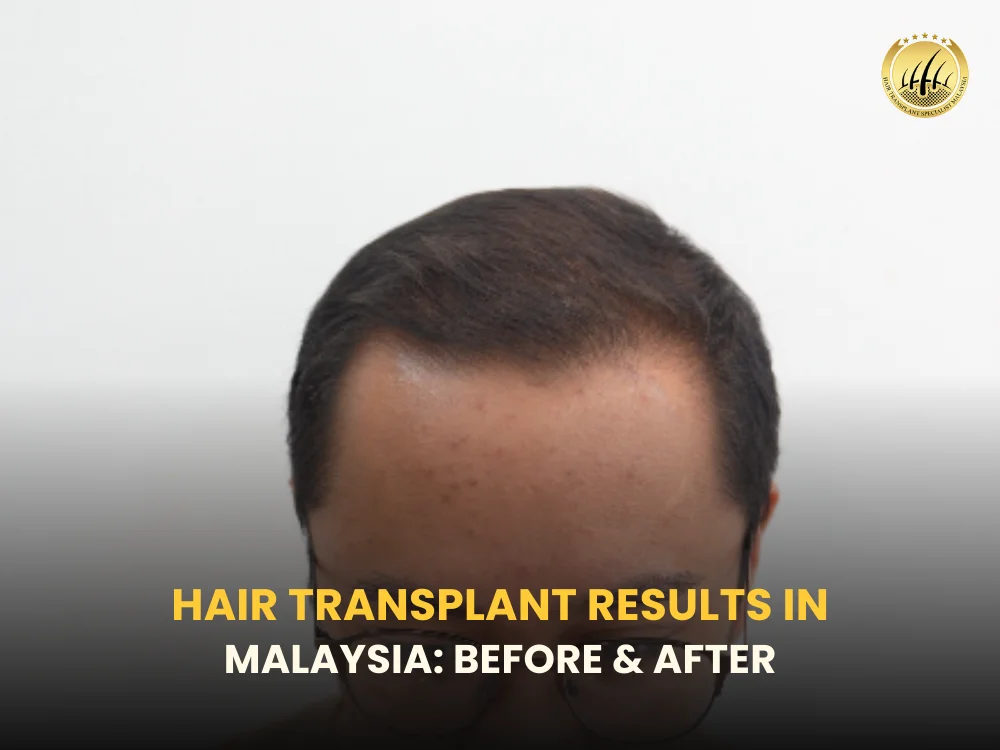
Before & After: What Changes Over Time?
Hair growth after transplant follows a predictable timeline.
Week 1–2
- Mild redness and scabbing
- Donor area healing
Weeks 2–8
- “Shock loss” phase (temporary shedding of transplanted hair)
Month 3–4
- Early regrowth begins
- Fine, thin hairs appear
Month 6
- Noticeable density improvement
Month 9–12
- Mature, fuller growth
- Texture and thickness improve
Final hair transplant results are typically visible around the 12-month mark.
Factors That Influence Hair Transplant Results
No two patients achieve identical outcomes. Several variables affect success:
1. Surgeon’s Skill and Design Expertise
Hairline design is an art. Overly aggressive or low hairlines can look unnatural. Clinics in cities like Kuala Lumpur and Penang often showcase extensive case portfolios — reviewing real patient photos is essential.
2. Graft Survival Rate
Careful handling during extraction and implantation ensures higher survival rates.
3. Donor Hair Quality
Thick, dense donor hair produces better visual coverage.
4. Hair Characteristics
Curly or coarse hair provides better scalp coverage than fine, straight hair.
5. Degree of Hair Loss
Patients with advanced baldness (often classified using the Norwood Scale) may require multiple sessions.
FUE vs FUT: Do Results Differ?
Both techniques can produce excellent aesthetic outcomes.
- FUE (Follicular Unit Extraction): Minimal scarring, suitable for shorter hairstyles.
- FUT (Follicular Unit Transplantation): Efficient for large graft sessions.
The visual result depends more on surgical skill than technique choice.
How Natural Should Hair Transplant Results Look?
The best hair transplants are undetectable.
A natural hairline typically includes:
- Slight irregularity (not perfectly straight)
- Single-hair grafts at the front
- Gradual density increase behind the hairline
Artificial-looking results often stem from poor planning rather than technique.
Are Hair Transplant Results Permanent?
Yes, in most cases.
Transplanted hair follicles are typically resistant to DHT — the hormone responsible for androgenetic alopecia. Once they successfully grow, they behave like normal hair:
- You can cut and style them
- They grow continuously
- They can be dyed
However, surrounding native hair may continue thinning, which is why some patients use medications like minoxidil or finasteride for maintenance.
Common Concerns About Results
“Will It Look Fake?”
When performed by an experienced surgeon, results blend seamlessly with natural hair.
“Will People Notice I Had Surgery?”
Most people notice improved appearance — not the procedure itself.
“What If Density Isn’t Enough?”
Some patients opt for a second session after 12–18 months for additional coverage.
Realistic Expectations vs Marketing Claims
Some clinics advertise “instant full density” or unrealistic graft numbers. Remember:
- Hair grows gradually
- Density depends on donor availability
- Overharvesting can damage the donor area
Always verify the surgeon’s credentials through the Malaysian Medical Council and request authentic patient cases.
Emotional Impact of Successful Results
Beyond aesthetics, improved hair density often enhances:
- Confidence
- Professional image
- Social comfort
- Self-esteem
While hair restoration isn’t a cure-all for self-confidence, many patients report significant psychological benefits after seeing positive outcomes.
How to Evaluate Before & After Photos
Before committing to a hair transplant clinic, reviewing before-and-after photos is one of the most important steps. These images give insight into surgical skill, aesthetic judgment, and consistency of results — especially for procedures like Follicular Unit Extraction and Follicular Unit Transplantation.
However, not all photo galleries are created equal. Here’s how to evaluate them properly:
✔ Ensure Lighting Is Consistent
Lighting can dramatically change how hair density appears. When comparing before-and-after images:
Look for similar brightness and angle of light
Avoid photos where the “before” image is harshly lit while the “after” image uses softer lighting
Be cautious if shadows are hiding thinning areas
Consistent lighting ensures the improvement shown is genuine — not artificially enhanced.
✔ Look for Multiple Angles
A single front-facing photo is not enough.
A reliable clinic should provide:
Front view
Side profiles
Top-down (vertex) view
Hairline close-ups
Hair restoration is three-dimensional. Multiple angles reveal true density, hairline design, and coverage quality.
✔ Check 6–12 Month Results
Hair growth takes time. Immediate post-surgery photos only show graft placement — not final results.
Look specifically for:
6-month progress (early visible regrowth)
9–12 month results (full density phase)
Anything shown too early may not reflect the true outcome. Mature results demonstrate proper graft survival and growth cycles.
✔ Confirm Photos Are of Actual Clinic Patients
Authenticity matters. Be cautious if:
The same photos appear on multiple clinic websites
Images look like stock photography
There is no branding, watermark, or case context
Reputable clinics often include:
Patient consent confirmation
Case details (grafts used, area treated)
In-clinic background consistency
This level of transparency builds trust.
✔ Avoid Heavily Filtered or Edited Images
Warning signs include:
Overly smooth scalp texture
Unrealistic hair shine
Blurred hairlines
Excessive contrast or sharpening
Hair restoration results should look natural — not digitally enhanced. If images appear “too perfect,” they may have been altered.
Maintenance After Hair Transplant
A successful hair transplant doesn’t end when you leave the operating room. Whether you’ve undergone a modern procedure like Follicular Unit Extraction (FUE) or Follicular Unit Transplantation (FUT), proper maintenance plays a crucial role in graft survival, healing quality, and long-term density. Following the right aftercare routine can significantly improve your final outcome.
Here’s what patients should focus on after surgery:
1. Follow Post-Operative Washing Instructions Carefully
Your surgeon will provide detailed guidance on when and how to wash your scalp. This usually includes:
Waiting 24–48 hours before the first wash
Using a mild, prescribed shampoo
Gently pouring water instead of direct shower pressure
Avoiding aggressive rubbing or scratching
Improper washing can dislodge newly implanted grafts during the first 7–10 days, when they are still anchoring into the scalp.
2. Avoid Smoking During the Healing Phase
Smoking restricts blood flow and reduces oxygen delivery to healing tissues. Since transplanted follicles rely on a healthy blood supply to survive, smoking can:
Delay wound healing
Increase risk of graft failure
Compromise overall results
Ideally, patients should stop smoking at least one to two weeks before and after surgery to support optimal recovery.
3. Attend Scheduled Follow-Up Appointments
Follow-ups allow your doctor to:
Monitor graft survival
Check for infection or inflammation
Assess early growth progress
Adjust medications if needed
In Malaysia, many reputable clinics schedule reviews at 1 week, 1 month, 3 months, 6 months, and 12 months post-procedure. These visits ensure your hair restoration journey stays on track.
4. Consider Medical Therapy If Recommended
A transplant redistributes existing hair — it does not stop ongoing hair loss. Your doctor may recommend medical therapy to preserve surrounding native hair, such as:
Oral medications to slow hair loss progression
Topical treatments to strengthen miniaturizing follicles
PRP (Platelet-Rich Plasma) sessions to enhance scalp health
Combining surgical treatment with medical maintenance often delivers the most natural and long-lasting outcome.
Why Aftercare Matters
The first 10–14 days are critical for graft survival, but long-term maintenance determines overall density and longevity. Transplanted hair typically sheds within the first few weeks (a normal process called shock loss), before entering a new growth phase around month 3–4.
By month 9–12, most patients see fuller, natural-looking results — but only if proper aftercare protocols were followed.
In short, proper maintenance after a hair transplant directly influences graft survival, healing quality, and the final cosmetic outcome. A disciplined recovery routine protects your investment and ensures the best possible long-term results.
Malaysia as a Destination for Hair Restoration
Malaysia attracts regional and international patients due to:
- Competitive pricing
- English-speaking medical professionals
- Regulated healthcare standards
- Modern private medical facilities
Compared to countries like the United Kingdom or Australia, Malaysia offers similar techniques at more accessible rates.
However, successful outcomes depend on surgeon expertise — not geography alone.
Frequently Asked Questions: Hair Transplant Results
1. How long before I see final hair transplant results?
Most patients see mature results around 9–12 months after surgery.
2. Is shock loss permanent?
No, shock loss is usually temporary, and regrowth begins after a few months.
3. Can transplanted hair fall out years later?
Transplanted hair is generally permanent, though natural aging still occurs.
4. What percentage of grafts survive?
With proper technique, survival rates can exceed 90–95%.
5. Will my hair look thick immediately?
No. Growth is gradual, and early hairs may appear thin before thickening.
6. Do results differ between men and women?
The principles are similar, but hairline design differs to maintain natural appearance.
7. Can I shave my head after a transplant?
Yes, once fully healed — though FUT may leave a linear scar.
8. Are Hair Transplant results guaranteed?
No surgical procedure can guarantee 100% identical outcomes, but experienced surgeons aim for high survival rates.
9. Will I need medication after surgery?
Some patients use medication to maintain surrounding native hair.
10. Can poor results be corrected?
In many cases, corrective procedures can improve density or hairline design.
Final Thoughts
Understanding Hair Transplant Results requires more than browsing dramatic before-and-after photos. True success depends on realistic expectations, proper hairline design, donor management, and long-term planning.
Malaysia offers skilled surgeons, regulated medical practice, and modern facilities — making it a competitive option for hair restoration. However, the quality of your results ultimately depends on choosing a reputable clinic, following post-operative care instructions, and maintaining long-term hair health.
If you’re considering treatment, schedule a thorough consultation and discuss personalized expectations before proceeding. Well-planned surgery produces subtle, natural improvements that enhance your appearance without drawing attention to the procedure itself.