Hair loss affects millions of men and women across Malaysia. Whether caused by genetics, hormonal changes, stress, or medical conditions, thinning hair can impact confidence and self-image.
If you’ve been researching solutions, you’ve likely asked: What Is Hair Transplant?
This comprehensive guide explains how it works, the different techniques available in Malaysia, expected results, costs, recovery timeline, and whether you’re a suitable candidate.
What Is Hair Transplant?
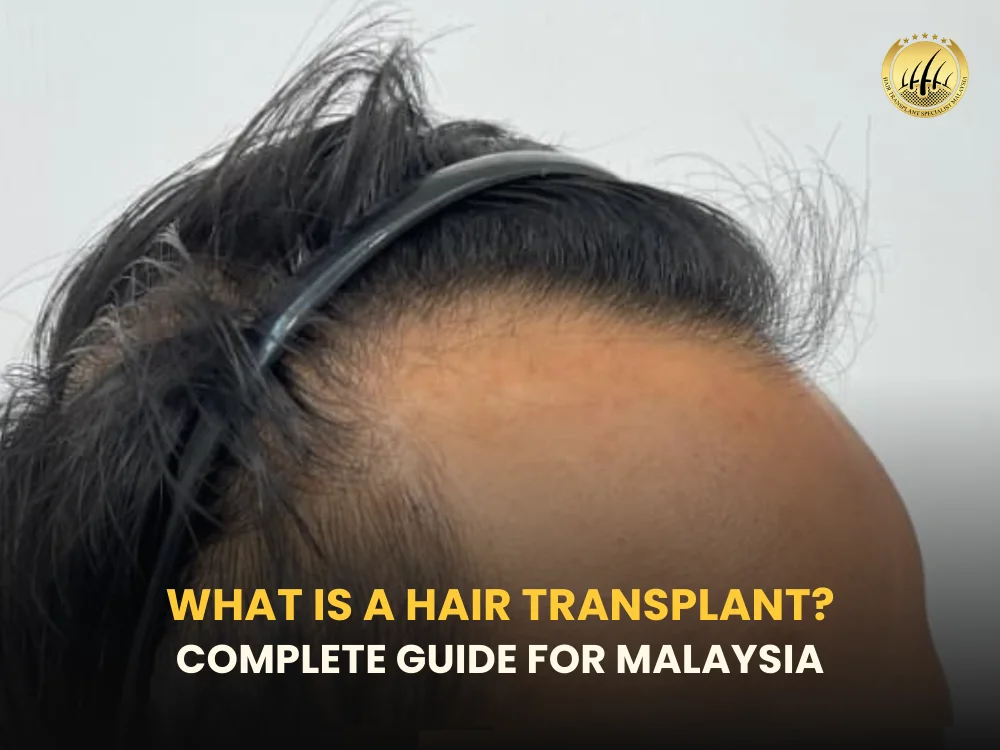
What Is Hair Transplant? It is a minimally invasive surgical procedure that moves healthy hair follicles from a donor area (usually the back or sides of the scalp) to thinning or bald areas. Because these donor hairs are genetically resistant to the hormone DHT (dihydrotestosterone), they continue growing in their new location.
Unlike temporary treatments such as topical solutions or supplements, a hair transplant offers a long-term, natural-looking solution for pattern baldness and hair thinning.
Most procedures performed in Malaysia today use advanced techniques like:
- FUE (Follicular Unit Extraction)
- FUT (Follicular Unit Transplantation)
- DHI (Direct Hair Implantation)
Why Do People Lose Hair?
Before understanding the procedure, it helps to know the root cause. The most common reason for hair loss worldwide — including in Malaysia — is androgenetic alopecia, also known as male or female pattern baldness.
DHT gradually shrinks hair follicles, shortening the growth cycle until hairs become thinner and eventually stop growing.
Other contributing factors include:
- Hormonal imbalance
- Thyroid disorders
- Nutritional deficiencies
- Stress
- Post-illness shedding
- Chemical damage
Doctors often classify male pattern baldness using the Norwood scale, while female thinning is assessed using the Ludwig scale.
How Does a Hair Transplant Work?
The concept is simple: relocate strong follicles to weak areas.
Step 1: Consultation & Scalp Analysis
A doctor evaluates:
- Hair loss pattern
- Donor density
- Scalp health
- Medical history
Photos and sometimes trichoscopy are used to assess suitability.
Step 2: Donor Hair Extraction
Hair follicles are carefully harvested from the back or sides of the scalp.
Step 3: Recipient Site Creation
Tiny incisions are made following the natural hair direction and density pattern.
Step 4: Graft Implantation
Follicular units (1–4 hairs per graft) are implanted strategically to ensure natural results.
The entire procedure usually takes 4–8 hours, depending on graft numbers.
Types of Hair Transplant Techniques in Malaysia
1. FUE (Follicular Unit Extraction)
In FUE, individual follicular units are extracted using micro punches.
Advantages:
- No linear scar
- Faster healing
- Ideal for short hairstyles
- Less discomfort
This is the most popular technique in Malaysia today.
2. FUT (Follicular Unit Transplantation)
In FUT, a strip of scalp is removed, and follicles are dissected under a microscope.
Advantages:
- Higher graft yield
- Suitable for advanced baldness
- More cost-effective per graft
However, it leaves a linear scar at the donor area.
3. DHI (Direct Hair Implantation)
DHI is a variation of FUE using a specialized implantation pen.
It allows:
- Precise angle control
- Higher density placement
- Reduced graft handling time
Who Is a Good Candidate?
A hair transplant is not suitable for everyone.
Ideal candidates typically have:
- Stable pattern hair loss
- Adequate donor density
- Good overall health
- Realistic expectations
Men between Norwood stages 2–6 and women with stable thinning patterns respond best.
Patients under 21 are usually advised to wait until hair loss stabilizes.
What Results Can You Expect?
Results take time.
Recovery Timeline
Days 1–3: Mild swelling or redness
Days 7–10: Scabs naturally fall off
Weeks 2–8: Temporary shedding (shock loss)
Month 3–4: Early regrowth begins
Month 6: Visible density improvement
Month 9–12: Full results appear
Shock loss is normal and does not mean failure. Transplanted hairs re-enter the growth phase gradually.
How Much Does a Hair Transplant Cost in Malaysia?
Costs vary depending on:
- Technique used
- Number of grafts required
- Surgeon’s expertise
- Clinic location
In Malaysia, prices typically range between:
- RM 8,000 – RM 20,000+
Clinics usually charge per graft, often between RM 8–15 per graft.
While Malaysia offers competitive pricing compared to Western countries, quality and surgeon experience should be prioritized over cost alone.
Is a Hair Transplant Permanent?
Yes — transplanted hair is generally permanent.
The donor follicles are resistant to DHT, which means they retain their genetic characteristics even after relocation.
However:
- Surrounding native hair may continue thinning
- Aging affects density
- Maintenance treatments may be recommended
Some doctors suggest combining surgery with medications like Finasteride or Minoxidil to preserve existing hair.
Risks and Side Effects
Hair transplantation is considered safe when performed by experienced professionals.
Possible side effects include:
- Temporary swelling
- Redness
- Scalp tightness
- Mild discomfort
- Temporary shedding
Serious complications are rare when done in accredited clinics.
Choosing a qualified practitioner registered with the Malaysian Medical Council is essential.
How to Choose the Right Clinic in Malaysia
Choosing the right hair transplant clinic in Malaysia is one of the most important decisions you’ll make in your restoration journey. The quality of the clinic directly affects your safety, graft survival rate, natural-looking results, and long-term satisfaction.
Here’s what you should evaluate carefully before committing:
✔ Doctor’s Credentials and Experience
Always check who is performing the procedure — not just the clinic’s brand name. Look for:
A licensed medical doctor registered with the Malaysian Medical Registry (MMC)
Training in hair restoration, dermatology, or aesthetic medicine
Experience performing FUE or FUT procedures regularly
Ongoing professional development or international workshops
Clinics affiliated with recognized organizations such as the Malaysian Medical Registry offer added reassurance that the practitioner is legally certified to practice in Malaysia.
Experience matters. A surgeon who performs hair transplants weekly will generally have better graft handling skills and hairline design judgment compared to someone who does it occasionally.
✔ Before-and-After Photos (Real, Consistent Results)
Authentic clinics will provide:
High-resolution before-and-after photos
Consistent lighting and angles
Clear timelines (6 months, 9 months, 12 months)
Results from patients with similar hair loss patterns
Be cautious if:
Photos look heavily filtered or overly edited
The same patient appears repeatedly
Only immediate post-surgery photos are shown
Consistent long-term results are far more important than dramatic early transformations.
✔ Transparent Pricing Structure
Reputable clinics are upfront about pricing. In Malaysia, hair transplant cost is typically calculated:
Per graft
Per session
Based on the number of grafts required
A trustworthy clinic will explain:
Estimated graft count
Total procedure cost
What’s included (medications, PRP, follow-ups)
Any potential additional charges
Be cautious of extremely low prices that seem too good to be true. Low pricing may indicate:
Inexperienced technicians
Outsourced surgery teams
Compromised sterilization standards
Overharvesting donor areas
Value and safety should always outweigh cheap pricing.
✔ Clear, Detailed Consultation Process
A proper consultation should never feel rushed. It should include:
Scalp examination
Donor area density assessment
Discussion of your hair loss history
Family history of hair loss
Long-term planning strategy
Realistic density expectations
If the clinic immediately recommends surgery without assessing your hair stability or discussing medical therapy, that’s a red flag.
A good consultation may also include discussion about managing conditions like Androgenetic alopecia to ensure long-term success.
✔ Realistic Promises (No “Miracle” Claims)
Avoid clinics that promise:
❌ “Instant full density”
❌ “100% guaranteed results”
❌ “No shedding phase”
❌ “Results in 1 month”
Hair transplant is a biological process. Growth typically follows this timeline:
Month 1: Shedding phase
Month 3–4: Early regrowth
Month 6: Noticeable improvement
Month 9–12: Final density
Any clinic promising immediate thick hair is not being medically honest.
✔ Long-Term Planning, Not Just One Procedure
Hair loss is progressive. Even after transplant, surrounding native hair can continue thinning.
A reputable clinic will discuss:
Medication options (if suitable)
PRP therapy as maintenance
Future sessions if needed
Donor preservation strategy
Natural hairline design appropriate for aging
Hair restoration should be approached as a long-term strategy, not a one-time cosmetic fix.
Common Myths About Hair Transplants
Myth 1: It Looks Fake
Modern techniques create natural hairlines when performed correctly.
Myth 2: It’s Extremely Painful
Local anesthesia ensures minimal discomfort.
Myth 3: Results Are Immediate
Growth requires patience — full results take up to 12 months.
Myth 4: It Works for Everyone
Suitability depends on donor quality and medical factors.
Hair Transplant vs Non-Surgical Treatments
Treatment | Permanence | Maintenance | Best For |
Hair Transplant | Permanent | Minimal | Pattern baldness |
PRP Therapy | Temporary | Ongoing | Early thinning |
Medications | Ongoing | Continuous | Slowing progression |
Surgery is usually recommended when non-surgical options are no longer effective.
Final Thoughts
So, what is hair transplant?
It is a scientifically proven, minimally invasive procedure that redistributes your own healthy hair follicles to restore density in thinning areas. When performed by experienced professionals in Malaysia, it offers natural, long-lasting results.
However, success depends on proper diagnosis, realistic expectations, and ongoing hair management.
If you’re considering this solution, start with a comprehensive consultation to understand your pattern of hair loss and personalized treatment plan.
Frequently Asked Questions (FAQs)
1. What Is Hair Transplant exactly?
It is a surgical procedure that moves healthy hair follicles from a donor area to bald or thinning areas for permanent growth.
2. Is a hair transplant painful?
No. Local anesthesia is used, and most patients report minimal discomfort.
3. How long does the procedure take?
Typically 4–8 hours depending on graft numbers.
4. When will I see results?
Initial growth starts around 3–4 months, with full results by 9–12 months.
5. Can women undergo hair transplant surgery?
Yes. Women with stable thinning patterns and sufficient donor hair are suitable candidates.
6. Are the results permanent?
Yes, transplanted follicles are generally resistant to DHT and continue growing long term.
7. Will there be visible scars?
FUE leaves tiny dot scars that are barely visible. FUT leaves a linear scar.
8. How many grafts do I need?
It depends on the extent of hair loss and density goals. A consultation determines this.
9. Can hair loss continue after the procedure?
Yes, native hair may continue thinning, which is why maintenance treatments are sometimes recommended.
10. Is Malaysia a good place for hair transplant?
Yes. Malaysia offers experienced doctors, modern facilities, and competitive pricing compared to many countries.