Hair loss can affect confidence, appearance, and even social interactions. In Malaysia, more men and women are exploring hair transplant procedures as a long-term solution for thinning hair and baldness. However, before making a decision, most people have many important questions.
This comprehensive guide covers the most searched Hair Transplant FAQ in Malaysia — from cost and safety to recovery time and results — helping you make an informed choice.
Hair Transplant FAQ: What You Should Know Before Treatment
If you’ve been researching hair restoration, you’ve likely encountered numerous Hair Transplant FAQ about techniques, risks, and outcomes. In Malaysia, hair transplant procedures such as FUE (Follicular Unit Extraction) and DHI (Direct Hair Implantation) are widely performed by qualified doctors in aesthetic and dermatology clinics.
Understanding the process, realistic expectations, and recovery timeline is essential before committing to treatment. Below, we answer the most common questions patients ask during consultations.
1. What Is a Hair Transplant?
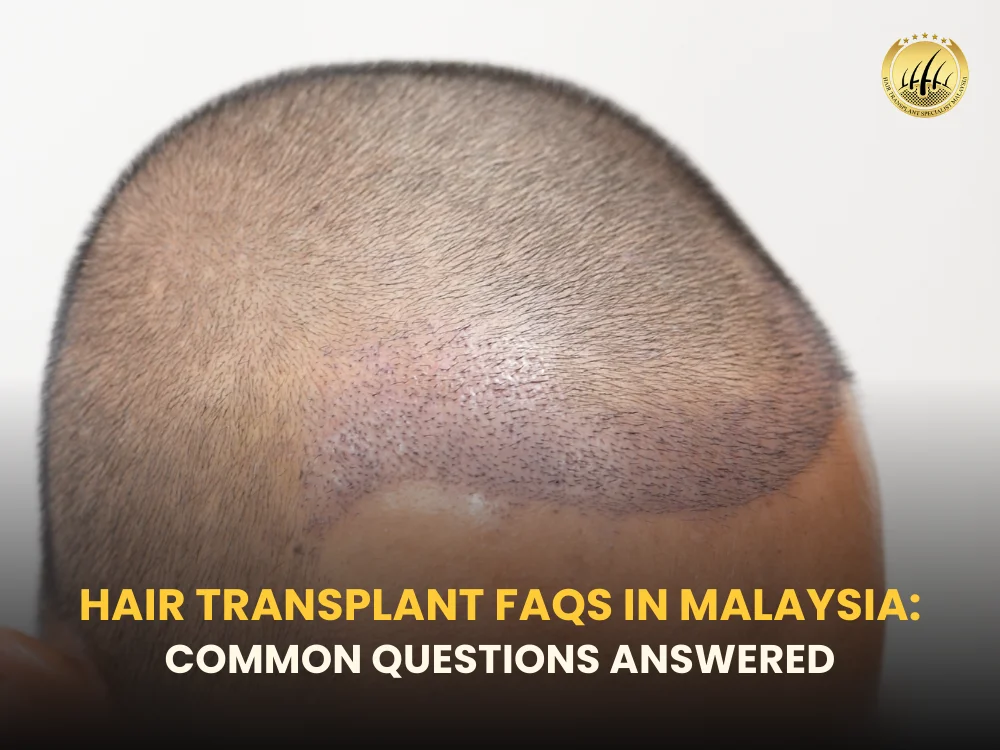
A hair transplant is a minimally invasive surgical procedure that moves healthy hair follicles from a donor area (usually the back or sides of the scalp) to areas experiencing thinning or baldness.
The transplanted follicles are genetically resistant to DHT (dihydrotestosterone), the hormone responsible for androgenetic alopecia. Once implanted, they continue to grow naturally.
2. What Are the Main Techniques Used in Malaysia?
In Malaysia, two modern techniques dominate the field:
FUE (Follicular Unit Extraction)
- Individual follicle extraction
- No linear scar
- Faster healing time
- Suitable for most patients
DHI (Direct Hair Implantation)
- Uses an implanter pen
- Greater control over angle and density
- Ideal for precise hairline design
Both methods are safe when performed by experienced practitioners.
3. Who Is a Suitable Candidate?
You may be suitable if you:
- Have male or female pattern baldness
- Possess a strong donor area
- Are in good general health
- Have realistic expectations
Patients with advanced baldness may require more grafts, while those with active scalp conditions must treat underlying issues first.
4. Is Hair Transplant Painful?
One of the most common Hair Transplant FAQ is about pain.
The procedure is performed under local anesthesia, meaning patients remain awake but feel minimal discomfort. Some mild soreness may occur after the anesthesia wears off, but it is manageable with prescribed medication.
Most patients describe the experience as more comfortable than expected.
5. How Long Does the Procedure Take?
The duration depends on the number of grafts:
- 1,000–2,000 grafts: 4–6 hours
- 3,000–4,000 grafts: 6–8 hours
Large sessions may be split into two days. Clinics in Kuala Lumpur and other major cities often provide same-day discharge.
6. What Is the Recovery Timeline?
Recovery follows a predictable pattern:
Days 1–7:
- Mild redness and swelling
- Small scabs form around grafts
Weeks 2–4:
- Temporary shedding (shock loss)
Months 3–4:
- New hair begins growing
Months 6–12:
- Noticeable density improvement
- Final results visible
Patients are usually able to return to office work within a few days.
7. Are the Results Permanent?
Yes. Because donor hair is resistant to DHT, transplanted follicles typically continue growing permanently.
However, non-transplanted hair may continue thinning over time. Doctors often recommend maintenance treatments such as:
- Minoxidil
- Finasteride (for men)
- PRP therapy
This helps preserve overall scalp density.
8. How Much Does a Hair Transplant Cost in Malaysia?
Cost varies depending on:
- Number of grafts
- Technique used (FUE or DHI)
- Clinic reputation
- Surgeon expertise
In Malaysia, prices typically range from RM 10,000 to RM 25,000. While cheaper options exist overseas, many patients prefer local clinics for safety, follow-up care, and convenience.
9. Are There Risks or Side Effects?
Hair transplant is generally safe, but minor temporary effects may include:
- Swelling
- Redness
- Itching
- Numbness
- Temporary shedding
Serious complications are rare when performed in licensed medical facilities.
Choosing a qualified doctor reduces risks significantly.
10. When Will I See Full Results?
Patience is essential.
Hair grows in cycles. Visible improvement begins around month three, with fuller density developing between months six and twelve. In some cases, final maturation may take up to 15 months.
The results look natural because the hair grows from your own follicles.
Hair Transplant FAQ: Male vs Female Hair Transplant
Another important topic within Hair Transplant FAQ involves gender differences.
For men:
- Focus on restoring receding hairline and crown
- Larger bald areas may require more grafts
For women:
- Often treat diffuse thinning
- Hairline typically remains intact
- May require unshaven FUE technique
Women usually require a customized density-focused approach.
Hair Transplant FAQ: Can I Combine It with Non-Surgical Treatments?
Yes — and in many cases, combination therapy is strongly recommended to maximize both short-term graft survival and long-term hair stability.
A hair transplant restores hair to thinning or bald areas, but it does not stop the progression of underlying hair loss. That’s why many clinics integrate supportive non-surgical treatments to strengthen existing hair and protect future density.
Here are the most commonly recommended options:
1. PRP (Platelet-Rich Plasma)
Platelet-Rich Plasma therapy involves drawing a small amount of your blood, processing it to concentrate growth factors, and injecting it into the scalp.
How it helps:
Improves blood supply to transplanted grafts
Stimulates dormant hair follicles
Reduces post-surgery shedding
Speeds up healing
PRP is often performed before surgery, during the procedure, or as maintenance sessions after transplantation.
2. Low-Level Laser Therapy (LLLT)
Low-Level Laser Therapy uses specific wavelengths of red light to stimulate cellular activity in hair follicles.
Benefits include:
Increased cellular energy production
Improved scalp circulation
Reduced inflammation
Support for existing thinning hair
LLLT devices may be used in-clinic or at home under medical guidance.
3. Medical Scalp Treatments
These may include medicated shampoos, topical growth stimulants, or doctor-prescribed medications such as Minoxidil or Finasteride.
Why they matter:
Stabilize ongoing hair loss
Protect non-transplanted hair
Improve overall scalp health
Enhance long-term density
Your doctor will assess whether these medications are suitable for you based on age, gender, and medical history.
Why Combination Therapy Works
A transplant moves healthy follicles to thinning areas — but combination therapy:
Protects your native hair
Enhances graft survival
Reduces shock loss
Supports long-term maintenance
Think of surgery as the structural solution, and non-surgical treatments as the maintenance plan.
When Is It Recommended?
Combination therapy is especially beneficial if you:
Are under 40 with ongoing hair loss
Have early-stage thinning
Want to improve density without excessive graft use
Aim for long-term hair preservation
Hair Transplant FAQ: How to Choose the Right Clinic in Malaysia
Before committing, consider:
- Doctor’s credentials and certifications
- Years of experience
- Before-and-after case documentation
- Transparent consultation process
- Clear post-procedure support
Avoid clinics that promise unrealistic density or instant results.
Hair Transplant FAQ: What Happens During Consultation?
A hair transplant consultation is one of the most important steps in your restoration journey. It’s not just a quick assessment — it’s a detailed medical evaluation designed to determine whether you’re a suitable candidate and what approach will deliver the most natural results.
During your consultation, the doctor will:
1. Assess Scalp Condition
Your scalp health plays a major role in graft survival. The doctor will check for inflammation, scarring, infections, or dermatological conditions that may affect the procedure. A healthy scalp improves healing and overall results.
2. Examine Donor Density
The donor area — usually the back and sides of the head — is carefully evaluated. The surgeon measures hair density, follicle strength, and hair thickness to determine how many grafts can be safely harvested without causing visible thinning.
3. Evaluate Hair Loss Pattern
Using standardized classifications such as the Norwood Scale (for men) or the Ludwig Scale (for women), the doctor analyzes the stage and pattern of hair loss. This helps predict future progression and ensures the design remains natural long-term.
4. Discuss Expectations
This is a crucial conversation. You’ll talk about your goals — hairline design, density preferences, and long-term plans. A responsible doctor will explain what is realistically achievable based on your donor supply and hair characteristics.
5. Estimate Graft Numbers
Based on scalp analysis and your desired coverage, the doctor will estimate the number of grafts required. This directly affects pricing, surgical duration, and recovery expectations.
Additional Topics Often Covered
Recommended technique (FUE, DHI, or FUT)
Recovery timeline
Potential side effects
Pre- and post-operative instructions
Cost breakdown and payment structure
Why Consultation Matters
A proper consultation ensures:
You are a suitable candidate
The design matches your facial structure
Donor hair is preserved for future needs
Expectations are aligned with medical reality
Most importantly, it builds trust between you and your surgeon. A personalized treatment plan ensures realistic, natural-looking, and satisfactory outcomes — not just short-term improvement, but long-term confidence.
Final Thoughts: Hair Transplant FAQ
Hair restoration has advanced significantly in Malaysia, offering safe and natural-looking results through modern techniques like FUE and DHI. Understanding the most common Hair Transplant FAQ helps you approach the procedure with clarity and confidence.
While the procedure provides permanent transplanted hair, success depends on proper planning, skilled execution, and ongoing care. If you’re experiencing thinning hair or baldness, scheduling a professional consultation is the first step toward restoring both hair and confidence.
10 Hair Transplant FAQ (Quick Summary)
1. Is hair transplant permanent?
Yes, transplanted follicles are generally permanent.
2. How long is recovery?
Initial healing takes 7–14 days; full results appear in 6–12 months.
3. Is it safe in Malaysia?
Yes, when performed by licensed doctors in reputable clinics.
4. Does it leave scars?
FUE and DHI leave minimal, barely visible marks.
5. How many grafts do I need?
Depends on bald area size and donor strength.