Hair transplant cost refers to the total price of restoring hair using procedures that move healthy hair follicles from donor areas to thinning or bald areas. In Malaysia, hair transplant costs typically range from RM4,000 to RM30,000+, depending on the number of grafts, technique used, surgeon expertise, clinic location, and aftercare services included.
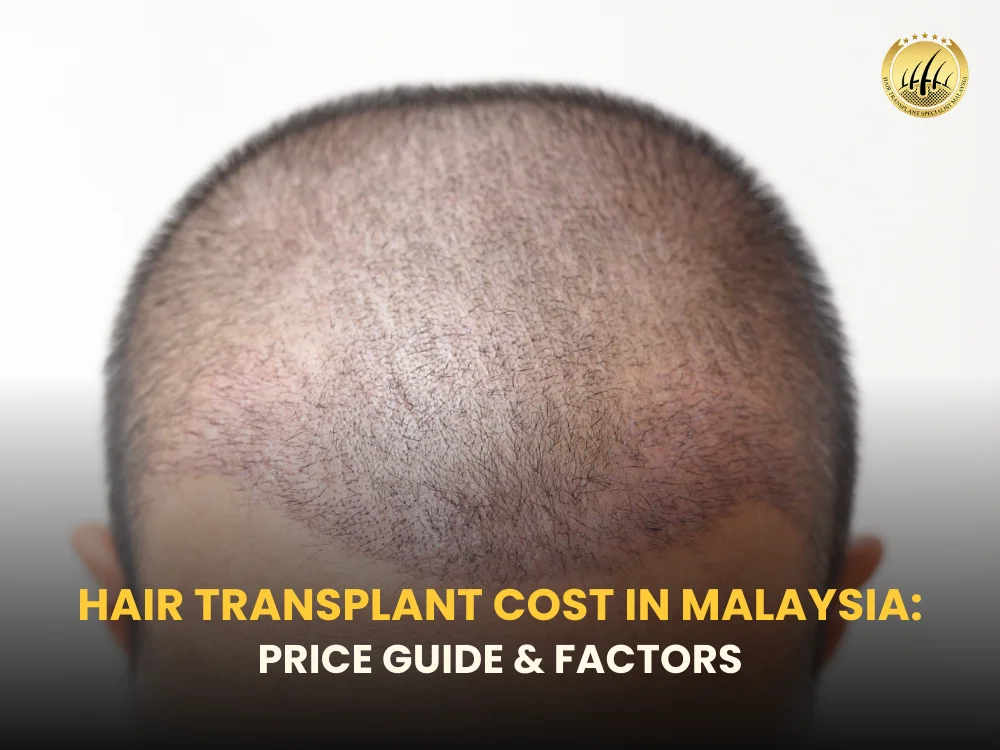
Hair loss affects millions of men and women worldwide. For many patients, a hair transplant offers a permanent and natural-looking solution. One of the most common questions people ask is: “How much does a hair transplant cost in Malaysia?”
Malaysia has become a leading destination for hair restoration due to its affordable pricing, experienced medical professionals, and modern treatment facilities. Understanding the factors that influence pricing helps patients make informed decisions and avoid unexpected costs.
According to the International Society of Hair Restoration Surgery (ISHRS), hair transplantation remains one of the most effective long-term treatments for androgenetic alopecia and pattern baldness.
How Much Does a Hair Transplant Cost in Malaysia?
Hair transplant costs in Malaysia vary significantly depending on the procedure, clinic, surgeon, and number of grafts required. Most patients can expect prices between RM4,000 and RM30,000.
Average Hair Transplant Cost in Malaysia
The average hair transplant procedure in Malaysia typically costs:
| Procedure Size | Estimated Cost |
|---|---|
| Small Session | RM4,000 – RM8,000 |
| Medium Session | RM8,000 – RM15,000 |
| Large Session | RM15,000 – RM30,000+ |
The majority of patients undergoing treatment for male pattern baldness require between 1,500 and 3,000 grafts.
Hair Transplant Cost Per Graft in Malaysia
Many clinics calculate pricing based on graft count.
Typical cost per graft:
- RM4 to RM12 per graft
- Premium clinics may charge RM10 to RM15 per graft
- Larger graft sessions often reduce the cost per graft
The total cost depends on the complexity of extraction and implantation.
Minimum and Maximum Hair Transplant Prices
The lowest-priced procedures generally start around RM4,000 for small hairline restoration treatments.
Extensive procedures involving 4,000–5,000 grafts, advanced techniques, and multiple sessions may exceed RM30,000.
Hair Transplant Cost by Procedure Type
Different hair transplant methods have different pricing structures.
FUE Hair Transplant Cost in Malaysia
Follicular Unit Extraction (FUE) is currently the most popular technique.
Estimated cost:
- RM6,000 – RM25,000+
Benefits include:
- Minimal scarring
- Faster recovery
- Natural-looking results
- Suitable for most patients
The American Academy of Dermatology recognizes FUE as a widely used modern hair restoration method.
FUT Hair Transplant Cost in Malaysia
Follicular Unit Transplantation (FUT) usually costs:
- RM5,000 – RM18,000
FUT can be more affordable because graft harvesting is performed through a donor strip rather than individual extraction.
DHI Hair Transplant Cost in Malaysia
Direct Hair Implantation (DHI) generally costs:
- RM10,000 – RM30,000+
DHI uses specialized implantation pens and often requires more procedural time.
Sapphire FUE Hair Transplant Cost in Malaysia
Sapphire FUE typically ranges from:
- RM8,000 – RM28,000+
This technique uses sapphire blades that may allow more precise channel creation and potentially faster healing.
Hair Transplant Cost by Number of Grafts
The number of grafts required is usually the biggest cost factor.
1,000 Grafts Hair Transplant Cost
Estimated cost:
- RM4,000 – RM8,000
Suitable for:
- Minor hairline correction
- Early-stage hair loss
1,500 Grafts Hair Transplant Cost
Estimated cost:
- RM6,000 – RM12,000
Suitable for:
- Hairline restoration
- Mild temple recession
2,000 Grafts Hair Transplant Cost
Estimated cost:
- RM8,000 – RM16,000
Suitable for:
- Mild to moderate thinning
- Front scalp restoration
3,000 Grafts Hair Transplant Cost
Estimated cost:
- RM12,000 – RM22,000
Suitable for:
- Moderate hair loss
- Crown and frontal restoration
4,000 Grafts Hair Transplant Cost
Estimated cost:
- RM18,000 – RM28,000
Suitable for:
- Extensive thinning
- Large treatment areas
5,000 Grafts Hair Transplant Cost
Estimated cost:
- RM25,000 – RM35,000+
Suitable for:
- Advanced baldness
- Norwood Stage V–VII hair loss
Factors That Affect Hair Transplant Cost in Malaysia
Several factors influence the final treatment cost.
Number of Grafts Required
More grafts require more surgical time, personnel, and resources, increasing the overall cost.
Hair Loss Severity
Patients with advanced baldness typically require larger sessions and more extensive planning.
Hair Transplant Technique Used
DHI and Sapphire FUE often cost more than standard FUT procedures due to equipment and procedural complexity.
Surgeon’s Experience
Highly experienced hair restoration surgeons may charge higher fees because of their expertise and track record.
Clinic Location
Clinics located in major urban areas often have higher operational costs that influence pricing.
Additional Treatments and Medications
Some patients choose complementary treatments such as:
- PRP therapy
- Hair growth medications
- Laser therapy
- Specialized aftercare packages
These services can increase the total investment.
Hair Transplant Cost by Hair Loss Stage
The extent of hair loss directly affects treatment planning.
Hairline Restoration Cost
Estimated cost:
- RM4,000 – RM10,000
Typically requires:
- 800–1,500 grafts
Mild Hair Loss Cost
Estimated cost:
- RM6,000 – RM12,000
Usually requires:
- 1,200–2,000 grafts
Moderate Hair Loss Cost
Estimated cost:
- RM10,000 – RM22,000
Usually requires:
- 2,000–3,500 grafts
Advanced Hair Loss Cost
Estimated cost:
- RM18,000 – RM35,000+
Usually requires:
- 4,000–5,000+ grafts
Hair loss severity is commonly assessed using the Norwood Classification System.
What Is Included in Hair Transplant Cost?
Not all clinics include the same services in their pricing.
Consultation Fees
Many clinics provide free consultations, while others charge RM50–RM500 depending on the specialist assessment.
Hair Transplant Procedure
The procedure fee generally includes:
- Hair follicle extraction
- Recipient site creation
- Graft implantation
- Local anesthesia
- Surgical team support
Medications
Some clinics include:
- Antibiotics
- Pain medication
- Anti-inflammatory medication
- Shampoo and aftercare products
Aftercare and Follow-Up Visits
Follow-up appointments are essential for monitoring graft survival and healing.
Patients should confirm how many visits are included before treatment.
Additional Costs to Consider
Patients should account for possible additional expenses.
Blood Tests
Pre-procedure blood tests typically cost:
- RM100 – RM500
These tests help identify underlying health conditions and ensure procedural safety.
PRP Therapy Cost
Platelet-Rich Plasma (PRP) therapy may cost:
- RM500 – RM2,000 per session
Research published by the National Center for Biotechnology Information (NCBI) suggests PRP may support hair growth when used alongside hair restoration treatments.
Post-Procedure Medications
Common medications include:
- Finasteride
- Minoxidil
- Specialized hair care products
Monthly costs may range from RM50 to RM300.
Additional Follow-Up Treatments
Some patients choose maintenance therapies to support long-term results.
These treatments may include:
- Additional PRP sessions
- Low-level laser therapy
- Scalp health treatments
Clinical Experience
In clinical hair restoration settings, one of the most common misconceptions is that lower pricing always means better value. Successful outcomes depend on proper graft planning, donor area management, surgical precision, and long-term follow-up.
Patients who undergo comprehensive assessments before surgery often achieve better density, natural hairline design, and long-term satisfaction than those who choose treatment based solely on price.
The Ministry of Health Malaysia recommends patients seek treatment from qualified medical professionals and licensed healthcare facilities.
Hair Transplant Cost in Malaysia FAQ
How much does a hair transplant cost in Malaysia?
Most hair transplant procedures in Malaysia cost between RM4,000 and RM30,000+, depending on graft count, technique, and clinic expertise.
What is the average hair transplant cost per graft?
The average cost ranges from RM4 to RM12 per graft, although premium clinics may charge higher rates.
How many grafts do I need?
Most patients require between 1,000 and 4,000 grafts depending on hair loss severity, scalp size, and desired density.
What affects hair transplant cost in Malaysia?
Major factors include graft count, hair loss stage, treatment technique, surgeon experience, clinic location, and additional therapies.
Is FUE more expensive than FUT?
Yes. FUE is generally more expensive because it requires individual follicle extraction and more surgical time.
Are consultation fees included in the total cost?
Some clinics offer free consultations, while others charge separate assessment fees.
Are there any hidden hair transplant costs?
Potential additional costs include blood tests, medications, PRP therapy, and extra follow-up treatments.
Can I pay for a hair transplant in instalments?
Many Malaysian clinics offer instalment plans, medical financing, or credit card payment options. Availability varies by provider.
Consult Hair Transplant Malaysia Clinic
Choosing a hair transplant should be based on medical expertise, realistic treatment planning, and long-term results—not price alone.
If you are considering a hair transplant in Malaysia, consult the specialists at Hair Transplant Malaysia Clinic for a personalized hair assessment, graft estimation, and transparent treatment quotation tailored to your hair restoration goals.