Thinking about restoring your locks? You’re not alone. In Malaysia, the hair restoration industry is booming as more people seek permanent solutions for thinning. However, not everyone is a hair transplant candidate. Success depends on your biology, health, and having enough “supply” to meet the “demand.”
What Is a Hair Transplant Candidate?
A candidate is someone with enough healthy hair follicles to move to balding areas. It’s about being a “good match” for the procedure. Doctors look for localized hair loss rather than thinning everywhere, ensuring the relocated hair will actually thrive in its new home.
How Hair Transplants Work
Modern surgery involves moving follicles from a “donor site” (usually the back of the head) to “recipient sites.” Whether using Follicular Unit Extraction (FUE) or FUT, the goal is to redistribute your existing hair to create the illusion of a full head.
Why Candidate Assessment Matters Before Surgery
Rushing into surgery is a recipe for regret. A proper assessment prevents “over-harvesting” the donor area and ensures you aren’t fighting a losing battle against active, aggressive hair loss. In Malaysia, reputable clinics prioritize long-term aesthetics over quick, temporary fixes.
Difference Between Temporary and Permanent Hair Loss
Transplants only fix permanent issues like Androgenetic Alopecia. If your hair is falling out due to stress (Telogen Effluvium) or nutritional deficiencies, a transplant won’t help. Temporary loss usually regrows once the underlying cause is managed, making surgery unnecessary and potentially damaging.
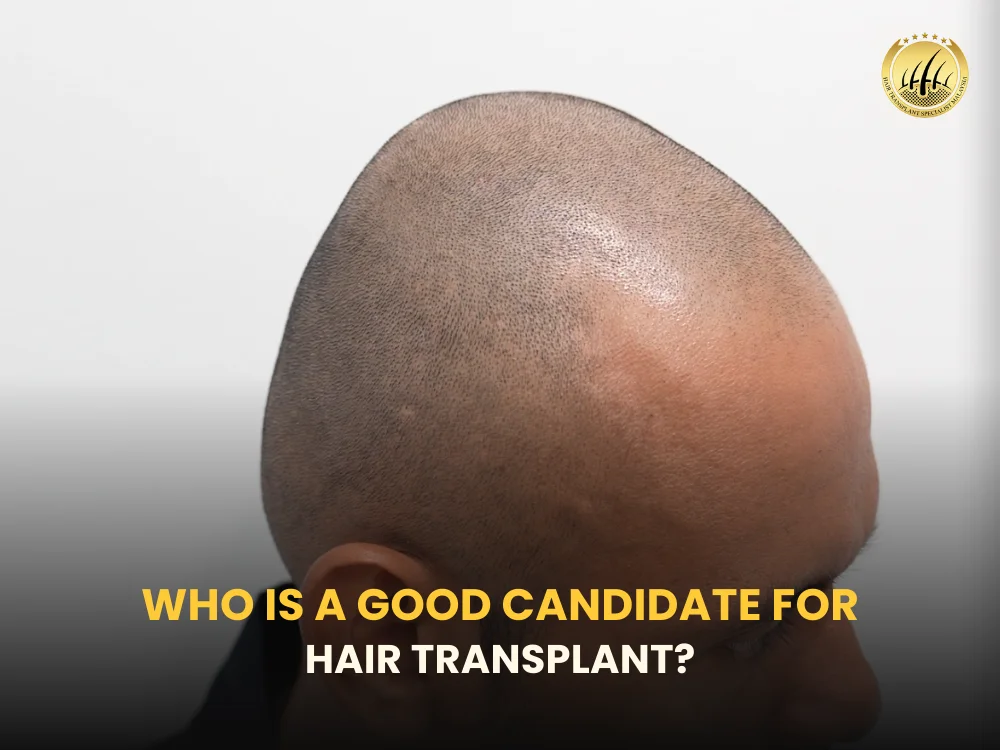
Who Is the Ideal Hair Transplant Candidate?
The “perfect” patient has dark, thick hair and a stable loss pattern. In Malaysia, where many patients have Asian hair characteristics, surgeons look for high donor density to ensure the transplanted grafts look naturally thick and provide excellent scalp coverage.
Male Pattern Baldness Candidates
Men with Androgenetic Alopecia who have reached a stable stage—typically Norwood Scale 3 or higher—are prime candidates. This stability ensures the surgeon can design a hairline that won’t look “isolated” if surrounding natural hair continues to fall out later.
Female Hair Loss Candidates
Women are candidates if they have distinct thinning on the top or a naturally high hairline. Unlike men, women often experience diffuse thinning. Therefore, those with stable donor hair at the back are the best fit for surgical intervention.
Candidates With Receding Hairlines
If your forehead is growing but your crown is fine, you’re likely a great candidate. Reframing the face with a new hairline is the most common request in Kuala Lumpur clinics, requiring precision and an artistic eye for graft placement.
Candidates With Crown Balding
Crown (vertex) restoration is tricky because hair grows in a swirl. Ideal candidates need high-quality donor hair, as the crown often requires more grafts than the hairline to achieve a look of “fullness” due to the angles of the scalp.
Candidates With Hair Loss From Scars or Injuries
Burn victims or those with surgical scars are often excellent candidates. Since the hair loss is localized and non-progressive, transplanted follicles usually take well to the scar tissue, provided there is adequate blood supply in the area.
Signs You Are a Good Candidate for Hair Transplant Surgery
| Criteria | Ideal Status |
| Loss Pattern | Stable / Defined |
| Donor Density | High (>80 grafts/cm²) |
| Scalp Laxity | Flexible (for FUT) |
| Health | No active infections |
Stable Hair Loss Pattern
You shouldn’t be losing hair rapidly when you go under the knife. Surgeons prefer candidates whose hair loss has “plateaued.” If you’re still in the “active shedding” phase, the transplant might look patchy within a few years as more original hair disappears.
Sufficient Donor Hair Availability
You can’t grow hair out of thin air! You must have a “fringe” of healthy, DHT-resistant hair. If your donor area is too thin, the surgeon won’t have enough “seeds” to plant in the balding “garden,” leading to poor results.
Healthy Scalp Condition
Your scalp needs to be a healthy environment for new grafts. Conditions like psoriasis or fungal infections must be cleared first. A healthy, supple scalp ensures better blood flow, which is the “fuel” your new follicles need to survive.
Realistic Expectations
A transplant provides “improvement,” not “perfection.” A good candidate understands they might not get their teenage mane back. They realize the goal is to look better and feel more confident, rather than achieving impossible density.
Good General Health Before Surgery
Since this is a surgical procedure, your body needs to be able to heal. Candidates should be free of major cardiovascular issues and have a strong immune system to minimize the risk of post-op complications or slow recovery.
Who Is Not a Suitable Hair Transplant Candidate?
Not everyone gets the “green light.” Some factors make surgery a waste of time and money, or even a health risk. Honesty during your consultation is vital to avoid a “failed” transplant look.
Candidates With Diffuse Hair Loss
If you are thinning everywhere (DUPA), you aren’t a candidate. This means your donor hair is also weak. If you move “sick” follicles to the top, they will eventually fall out there too, leaving you with scars and no hair.
Patients With Active Scalp Diseases
Inflammatory conditions like Lichen Planopilaris can kill transplanted follicles. If your scalp is currently red, itchy, or scarring due to disease, surgery is strictly off-limits until the condition has been in remission for several years.
Very Young Patients With Unstable Hair Loss
We generally advise against transplants for those under 25. Young men have unpredictable loss patterns. If you fill a hairline at 21, you might end up with “islands” of hair at 30 as the rest of your natural hair recedes.
Candidates With Insufficient Donor Hair
If you are a Norwood 7 with only a tiny strip of hair left, you may lack the “raw materials” for a full restoration. In these cases, a surgeon might suggest a very conservative hairline or alternative options like scalp micropigmentation.
Individuals With Unrealistic Expectations
If you expect to look like a Hollywood star with zero visible thinning, you might be disappointed. Surgeons will reject candidates who refuse to accept the physical limitations of their donor supply or the natural thinning process.
Medical Conditions That Affect Hair Transplant Eligibility
Your medical history is just as important as your hair follicles. Certain conditions require extra care or might disqualify you entirely to ensure your safety during the local anesthesia and the healing phase.
Alopecia Areata and Hair Transplant Suitability
Alopecia Areata is an autoimmune condition where the body attacks hair. Because it’s unpredictable and can affect the whole head, transplants are usually not recommended. The “new” hair could be attacked by your immune system just like the old hair.
Diabetes and Hair Transplant Risks
Diabetics can have transplants, but it’s risky. High blood sugar can slow down healing and increase infection risks. Candidates must have their HbA1c levels strictly controlled and monitored by their doctor before a surgeon will proceed.
Autoimmune Diseases and Hair Restoration
Conditions like Lupus or certain thyroid disorders can impact hair growth cycles. If your immune system is overactive, it may reject the “trauma” of surgery, leading to poor graft uptake or systemic flare-ups after the procedure.
Smoking and Recovery Complications
Smoking constricts blood vessels. This is “poison” for new grafts that need oxygen to survive. Many Malaysian surgeons require patients to quit smoking at least two weeks before and after surgery to prevent graft death and poor scarring.
Medications That Impact Hair Transplant Results
Blood thinners like aspirin or Warfarin increase bleeding during surgery, making it harder for grafts to stay in place. You must disclose all supplements and meds, including “natural” ones like Vitamin E or Gingko Biloba, which can also thin the blood.
Hair Transplant Candidate Assessment Process in Malaysia
In Malaysia, the Ministry of Health regulates medical procedures. A standard assessment involves a physical exam and a deep dive into your history to ensure you meet the high standards for safety and aesthetic success.
Hair and Scalp Examination
Surgeons use a trichoscope to zoom in on your scalp. They check for miniaturization—the shrinking of hair follicles. This helps determine if your current “thick” hair is actually on its way out, which changes the surgical plan.
Donor Area Density Evaluation
The doctor calculates how many hairs you have per square centimeter. This “math” determines your “graft budget.” If you have high density, the surgeon can take more grafts without making the back of your head look see-through.
Medical History Review
You’ll discuss past surgeries, allergies, and current medications. This is where you mention if you’ve used Minoxidil or Finasteride, as these treatments often complement surgery by strengthening your existing, non-transplanted hair.
Hairline Design Planning
This is the “artistic” part. The surgeon draws a hairline on your forehead. For Asian faces, a slightly flatter, more conservative hairline often looks more natural than the aggressive, sharp peaks sometimes seen in Western styles.
Blood Tests and Pre-Surgery Screening
Standard tests check for infectious diseases (like HIV or Hepatitis) and clotting ability. In Malaysia, these screenings are mandatory in licensed clinics to protect both the patient and the medical staff during the procedure.
Hair Transplant Methods Suitable for Different Candidates
FUE: Best for those who want short hair and no linear scar.
FUT: Ideal for those needing maximum grafts in one session.
DHI: Great for adding density without shaving the whole head.
FUE Hair Transplant Candidates
FUE is perfect for people who prefer a “buzz cut.” Since follicles are picked individually, there are only tiny “dot” scars. It’s the most popular choice in Malaysia for younger men and those with moderate hair loss.
FUT Hair Transplant Candidates
FUT (Strip Method) is often better for those with extensive balding who need 3,000+ grafts. While it leaves a linear scar, it often yields higher-quality grafts and allows the surgeon to harvest a larger amount of hair in one go.
DHI Hair Transplant Candidates
Direct Hair Implantation (DHI) is a variation of FUE using a “Choi Pen.” It’s excellent for candidates who want high-density placement in small areas, like the hairline, or those who don’t want to shave their entire head.
Choosing the Right Method Based on Hair Loss
Your surgeon will recommend a method based on your “Norwood” stage. Small touch-ups favor FUE/DHI, while massive restoration projects might require the efficiency of FUT to get the best “bang for your buck” regarding graft survival.
Hair Type and Donor Hair Considerations
The texture and color of your hair significantly impact the final “visual density.” It’s not just about how many grafts you move, but how much “space” each hair covers on the scalp.
Thick Hair vs Fine Hair Candidates
Thick hair provides better “coverage.” If you have fine hair, you might need more grafts to achieve the same look as someone with coarse hair. Surgeons adjust their “density” plan based on your individual hair caliber.
Curly Hair Transplant Considerations
Curly hair is a “double-edged sword.” It provides amazing coverage because the curls overlap, but it’s harder to extract without damaging the root. Candidates with curly hair need an experienced surgeon who understands the curved follicle structure.
Asian Hair Characteristics and Graft Planning
Asian hair is typically straight, thick, and has a lower “hairs per follicular unit” count compared to Caucasians. This requires a specific strategy in Malaysia to ensure the hairline doesn’t look “pluggy” or unnatural against the skin.
Donor Hair Quality and Density
The “caliber” of your donor hair is king. If your donor hair is thin and wispy, the result will be thin and wispy. We look for “multi-hair” grafts (2-4 hairs per unit) to provide the best possible thickness in the recipient area.
Hair Transplant Expectations and Results
Patience is the name of the game. A hair transplant is a “slow-burn” transformation. You won’t walk out of the clinic with a full head of hair; you’ll walk out with “seeds” that take months to grow.
Expected Hair Growth Timeline
Months 1-3: The “ugly duckling” phase where transplanted hair falls out.
Months 4-6: New, thin hairs begin to sprout.
Months 12-18: Final thickness and texture are achieved.
Number of Grafts Typically Required
Most candidates need between 1,500 to 4,000 grafts. A small receding hairline might only take 1,800, while a completely bald top could require multiple sessions totaling over 5,000 grafts to achieve satisfying density.
Natural Hairline Expectations
A natural hairline is never a straight line; it’s “micro-irregular.” Surgeons use single-hair grafts at the very front to mimic a natural “transition zone,” ensuring no one can tell you’ve had “work done” when you’re standing in bright light.
Long-Term Hair Transplant Results
Transplanted hair is permanent because it’s taken from the “safe zone.” However, your original hair can still fall out. This is why many candidates continue using FDA-approved treatments like Finasteride to maintain their non-transplanted hair for decades.
Hair Transplant Risks Candidates Should Know
Every surgery has risks. While modern hair restoration is very safe, being an informed candidate means knowing what could go wrong so you can spot issues early and follow post-op instructions perfectly.
Common Side Effects After Surgery
Expect swelling, redness, and some crusting (scabs) for the first week. Most Malaysian patients take 5–7 days off work. You might also experience an itchy scalp as the tiny incisions heal—just don’t scratch them!
Shock Loss Explained
“Shock loss” is the temporary shedding of original hair due to the “trauma” of surgery. It’s scary but usually temporary. Most of this hair grows back within 3–4 months along with your new transplanted grafts.
Infection and Scarring Risks
Infections are rare (less than 1%) if you follow hygiene protocols. Scarring is inevitable, but in the hands of a pro, FUE scars are invisible to the naked eye, and FUT scars are easily hidden by slightly longer hair.
Failed Hair Transplant Causes
The #1 cause of failure is “poor graft handling.” If follicles are out of the body too long or kept at the wrong temperature, they die. Choosing a cheap, “black market” clinic is the biggest risk factor for a failed result.
Choosing the Right Hair Transplant Clinic in Malaysia
Malaysia is a hub for medical tourism, offering world-class care at competitive prices. However, you must do your homework. Don’t just pick the cheapest option; pick the one with the best track record.
Qualifications to Look for in a Surgeon
Ensure your doctor is registered with the National Specialist Register (NSR) of Malaysia. Ideally, they should also be members of the International Society of Hair Restoration Surgery (ISHRS), which sets the global gold standard for the field.
Questions to Ask During Consultation
“How many procedures do you perform weekly?”
“Who actually performs the extractions and incisions?”
“What is your plan if my hair loss continues in 5 years?”
“Can I see ‘before and after’ photos of patients with my hair type?”
Red Flags When Selecting a Hair Clinic
Be wary of clinics that offer “unlimited grafts” or heavy discounts for “booking today.” If the consultation is done by a salesperson rather than the surgeon, or if they promise “100% success,” it’s time to walk away.
Before-and-After Results to Review
Look for “honest” photos with consistent lighting and angles. Specifically, ask for photos showing the donor area after surgery. A good clinic is proud of how they preserved your donor hair, not just how the front looks.
Frequently Asked Questions About Hair Transplant Candidates
Am I Too Young for a Hair Transplant?
If you’re under 25, usually yes. It’s better to start medical therapy first to stabilize your loss. Early surgery often leads to unnatural patterns as your hair loss progresses behind the transplanted area.
Can Women Be Hair Transplant Candidates?
Absolutely! Women with “traction alopecia” (from tight hairstyles) or distinct thinning at the part line are great candidates. The key is ensuring the back of the head has high-density, healthy hair to move.
How Do I Know If I Have Enough Donor Hair?
A surgeon must measure this. If you can see your scalp through the hair at the back of your head when it’s a few centimeters long, your donor supply might be too low for a large transplant.
Is Hair Transplant Permanent?
Yes, because the moved follicles are genetically resistant to the hormones that cause balding. However, you must protect your other hair, or you may need a second “fill-in” procedure a few years down the line.
What Is the Success Rate of Hair Transplants?
In top-tier Malaysian clinics, graft survival rates are typically 90% to 95%. Success depends heavily on post-op care, like avoiding sun exposure and heavy exercise for the first two weeks after your procedure.
How Long Does a Hair Transplant Procedure Take?
Expect a long day! Most sessions take 6 to 10 hours. It’s a meticulous process of “point-by-point” placement. Most clinics provide lunch and let you watch movies or listen to music while the team works.