Let’s be real: not everyone is blessed with the “lumberjack” genes. For many men in Malaysia, growing a full, connected beard or a sharp pair of eyebrows is a struggle involving patchy spots and stubborn “naked” patches. Thankfully, a facial hair transplant has evolved into a high-tech art form, allowing you to sculpt the masculine look you’ve always wanted without relying on messy oils or empty promises.
Hair Transplant Malaysia Centre provides facial hair transplant treatments to restore beard and moustache growth, using precise follicle implantation techniques for natural density, defined shape, and permanent results.
What Is a Facial Hair Transplant?
Definition and How Facial Hair Transplant Works
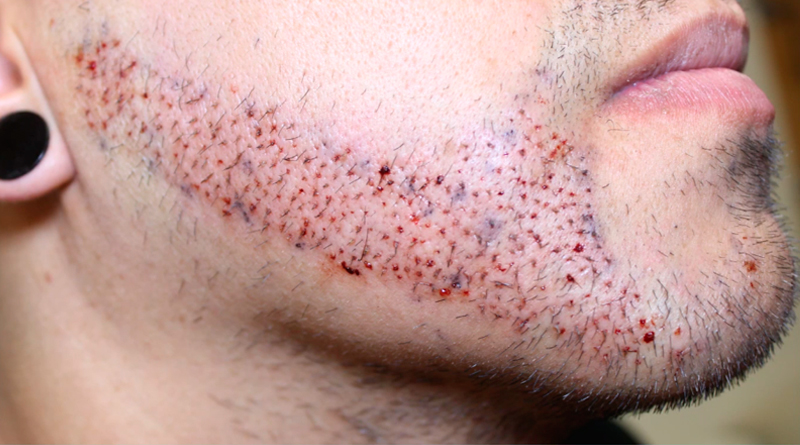
A facial hair transplant is a specialized procedure where healthy hair follicles are moved from a “donor site” (typically the back of your scalp) to your face. Unlike scalp hair, facial hair grows in single-hair units. This requires a meticulous approach to ensure the new hair mimics the natural texture of a beard or moustache.
Areas That Can Be Treated (Beard, Moustache, Goatee, Sideburns, Eyebrows)
You aren’t limited to just one area. Most clinics in KL and Penang can restore:
Beard & Goatee: Filling in “holes” or creating a full jawline.
Moustache: Enhancing the “stache” for better density.
Sideburns: Connecting the hair to the beard seamlessly.
Eyebrows: Reshaping thin or over-plucked brows.
Who Is a Suitable Candidate for Facial Hair Transplant?
If you have healthy hair at the back of your head and no active skin infections on your face, you’re likely a candidate. It’s also popular for those with “baby face” syndrome who want a more mature aesthetic.
Reasons for Undergoing Facial Hair Transplant in Malaysia
Patchy or Uneven Beard Growth
Many Asian men experience “spotty” growth where the cheeks remain bare while the chin grows thick. A transplant “fills the gaps” for a uniform look.
Genetic Lack of Facial Hair
Sometimes, it’s just in your DNA. If your father or brothers can’t grow a beard, a transplant is often the only permanent way to override your genetics.
Scars from Acne or Injury
According to clinical data on scar revision and hair transplantation, hair follicles can be successfully implanted into scar tissue, effectively camouflaging old acne scars or trauma marks.
Gender-Affirming Facial Hair Restoration
For many in the trans-masculine community, a beard is a significant milestone. These procedures are increasingly used to help align one’s physical appearance with their identity.
Types of Facial Hair Transplant Techniques
FUE (Follicular Unit Extraction) for Facial Hair
FUE is the most common method in Malaysia. Doctors extract individual follicles using a micro-punch tool (usually $0.7mm$ to $0.8mm$). It’s minimally invasive and leaves no linear scar.
DHI (Direct Hair Implantation) Technique
DHI uses a “Choi Implanter” pen to place the hair. This is arguably the best for the face because it allows for extreme precision in depth and angle—essential for avoiding a “fake” look.
FUE vs DHI for Beard and Facial Hair
| Feature | FUE | DHI |
| Placement | Pre-made slits | Direct implantation |
| Control | High | Superior (Angle/Direction) |
| Recovery | Fast | Very Fast |
Facial Hairline and Beard Design Planning
Custom Beard Shape Design
The doctor doesn’t just “draw” a beard. They follow your facial bone structure to ensure the beard enhances your jawline.
Natural Angle and Direction of Hair Growth
Facial hair doesn’t grow straight out; it grows at an acute angle, often pointing downwards or towards the chin. Specialists must match this “exit angle” perfectly.
Density Planning for Realistic Results
Over-packing a beard can look unnatural. The International Society of Hair Restoration Surgery (ISHRS) notes that strategic placement of single-hair grafts is the key to a soft, realistic transition from skin to hair.
Facial Hair Transplant Procedure Step by Step
Consultation and Facial Assessment
The doctor checks your “donor density.” Since you are using scalp hair, they look for follicles that best match the thickness of your existing facial hair.
Donor Area Selection and Graft Calculation
Usually, the hair from the very bottom of the scalp (near the neck) is used because it is finer and more similar to natural facial hair.
Extraction and Implantation Process
You’ll be awake and comfortable. Grafts are harvested, sorted, and then meticulously placed into the beard or eyebrow area.
Procedure Duration and Anaesthesia
Depending on the graft count (e.g., 500 for a goatee or 2,500 for a full beard), it takes 3 to 6 hours under local anesthesia.
Cost of Facial Hair Transplant in Malaysia
Price Per Graft in Malaysia
Expect to pay between RM7 and RM15 per graft.
Factors Affecting Total Cost
Technique: DHI is generally 20-30% more expensive than FUE.
Graft Count: A full beard restoration is a major investment compared to a simple moustache touch-up.
Beard vs Eyebrow Transplant Cost Comparison
While eyebrows require fewer grafts (usually 200–500 per brow), the price per graft is often higher because the precision required is much more intense.
Recovery and Aftercare for Facial Hair Transplant
Healing Timeline (First 7–14 Days)
Small scabs will form around each hair. These will naturally fall off within a week. You’ll want to keep your face clean and avoid touching the new grafts.
Managing Redness, Scabbing and Swelling
Mild swelling in the cheeks is common for the first 3 days. Sleeping with your head elevated helps significantly.
When to Shave or Trim After Transplant
You can usually trim your new beard with scissors after 14 days, but do not use a razor for at least 3 to 4 weeks to avoid irritating the fresh follicles.
Results and Growth Timeline
Shedding Phase (Shock Loss)
Don’t panic! About 2 weeks after the procedure, the hair shafts will fall out. This is a normal part of the hair growth cycle. The roots are still there, safe under the skin.
3–6 Month Growth Progress
New, permanent hair begins to sprout. It might look a bit thin at first, but it will thicken over time.
Final Results at 9–12 Months
By the one-year mark, you’ll have a full, mature beard or eyebrows that you can wash, shave, and style just like any other hair.
Are Facial Hair Transplant Results Permanent?
Yes. These follicles are resistant to the hormones that cause balding, meaning your new beard is there for the long haul.
Risks and Safety of Facial Hair Transplant in Malaysia
Possible Side Effects
Temporary redness, minor itching, or “folliculitis” (small pimples) can occur as new hairs break through the skin.
How to Reduce Complications
Follow the post-op cleaning routine strictly. In Malaysia, the Medical Device Authority (MDA) ensures that tools used in licensed clinics are safe and sterile.
Choosing a Qualified Hair Transplant Clinic in Malaysia
Ensure your doctor is LCP Certified (Letter of Credentialing and Privileging) by the Ministry of Health Malaysia. This confirms they have the specific training for aesthetic medical procedures.
Facial Hair Transplant vs Non-Surgical Options
Minoxidil for Beard Growth
Some men use “Minox” to stimulate growth. While it works for some, the results often vanish once you stop using the product.
PRP Therapy for Facial Hair
Platelet-Rich Plasma (PRP) can thicken existing hair, but it cannot grow hair where there are no follicles. It’s best used as a supplement to a transplant.
Cosmetic Alternatives (Beard Microblading & Fillers)
Microblading is essentially a semi-permanent tattoo. It looks fine from a distance but lacks the 3D texture of real hair.
Frequently Asked Questions
Is Facial Hair Transplant Painful?
Nope. The local anesthesia numbs the area completely. Most guys just feel a slight “tugging” sensation.
How Many Grafts Are Needed for a Full Beard?
Usually between 1,500 to 2,500 grafts, depending on your desired density and face size.
Will Transplanted Beard Hair Look Natural?
Yes, as long as the doctor mimics the natural downward angle of facial hair. Since it’s your own hair, the color and texture match perfectly.
Can Facial Hair Transplant Cover Scars?
Absolutely. It is one of the most effective ways to hide surgical or accident scars on the face.
How Long Does the Procedure Take?
A typical session lasts about 4 to 5 hours. It’s a “one and done” deal!