
Undergoing a hair transplant is a major milestone — but achieving natural, lasting density doesn’t end after surgery. The real secret to success lies in Hair Transplant Maintenance.
While transplanted follicles are typically permanent, surrounding native hair can continue thinning over time. Without proper aftercare and long-term planning, patients may experience uneven density years later.
In this guide, we’ll break down exactly how to preserve your results, support healthy regrowth, and protect your investment for the long haul.
Why Hair Transplant Maintenance Matters
Hair Transplant Maintenance is essential because hair loss is progressive. Even after procedures like Follicular Unit Extraction or Follicular Unit Transplantation, your non-transplanted hair may continue to miniaturize.
Hair Transplant Maintenance focuses on:
- Preserving existing native hair
- Supporting graft survival
- Preventing further thinning
- Enhancing overall scalp health
Think of a transplant as planting strong seeds. Hair Transplant Maintenance ensures the soil remains healthy for years to come.
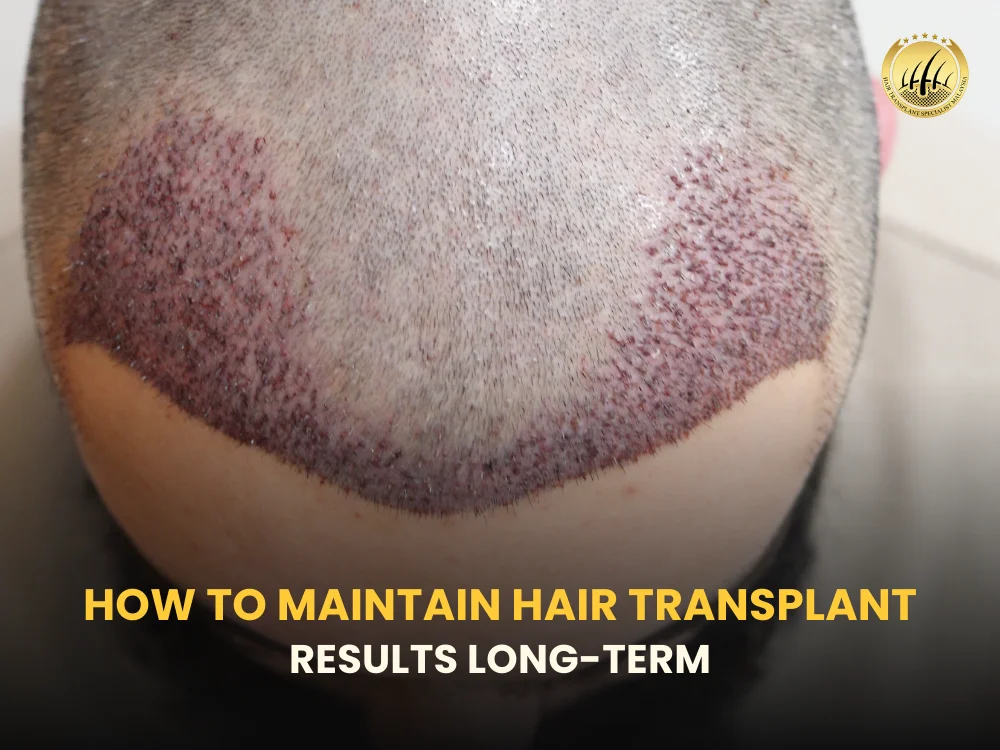
Understanding Permanent vs Progressive Hair Loss
Transplanted follicles are typically harvested from the “safe donor zone” — areas genetically resistant to DHT (dihydrotestosterone).
However:
- Native hair around transplanted grafts can still thin.
- Hormonal hair loss (androgenetic alopecia) continues unless medically managed.
- Aging naturally affects density.
Without ongoing support, patients may notice gaps forming behind or around transplanted areas.
That’s why long-term strategy matters.
First 12 Months: Critical Healing Phase
Hair Transplant Maintenance begins immediately after surgery.
Month 0–1: Protect the Grafts
- Follow all washing instructions strictly.
- Avoid scratching or heavy sweating.
- Sleep with head elevated during the first week.
Month 1–3: Expect Shock Loss
Temporary shedding is normal. Avoid panic. This phase is part of natural follicle cycling.
Month 4–12: Growth & Thickening
- Hair gradually thickens.
- Continue prescribed medications.
- Attend follow-up appointments.
Proper early care influences long-term density.
Medication for Long-Term Stability
Many doctors recommend medical therapy to prevent further loss.
1. Finasteride
An oral DHT-blocker that slows male pattern hair loss.
2. Minoxidil
A topical solution that prolongs hair growth phase.
These medications support non-transplanted hair, maintaining balance across the scalp.
Always consult a qualified physician before starting or stopping medication.
Role of PRP in Hair Transplant Maintenance
Platelet-Rich Plasma therapy (PRP) is commonly used as a supportive treatment post-transplant.
PRP may help:
- Stimulate dormant follicles
- Improve hair shaft thickness
- Strengthen surrounding native hair
- Improve scalp circulation
Some clinics recommend Hair Transplant Maintenance sessions every 6–12 months.
While not mandatory, PRP can enhance long-term density stability.
Proper Hair Care Routine
Hair transplant maintenance also involves everyday care habits.
Washing
- Use mild, sulfate-free shampoo.
- Avoid harsh chemical treatments early on.
- Do not aggressively rub the scalp.
Styling
- Minimize heat styling.
- Avoid tight hairstyles that cause traction.
- Limit strong chemical bleaching.
Healthy follicles thrive in low-inflammation environments.
Nutrition & Lifestyle Factors
Hair health reflects overall wellness.
Support long-term results with:
- Adequate protein intake
- Iron and zinc balance
- Vitamin D optimization
- Hydration
- Stress management
Chronic stress elevates cortisol, which may affect hair cycles.
Regular exercise improves blood circulation to the scalp.
Hair Transplant Maintenance isn’t just topical — it’s systemic.
Scalp Health Is Key
Conditions like seborrheic dermatitis or chronic inflammation can impact growth.
Consider periodic scalp assessments with:
- A dermatologist
- A hair restoration physician
Professional organizations such as the International Society of Hair Restoration Surgery emphasize long-term follow-up as part of responsible hair restoration planning.
Early detection of thinning allows proactive intervention.
When Is a Second Transplant Needed?
Some patients may require additional procedures years later due to progressive hair loss.
Reasons include:
- Advanced genetic thinning
- Large original balding area
- Aging-related density reduction
However, good Hair Transplant Maintenance often delays or reduces the need for additional surgery.
The goal is strategic planning — not reactive correction.
Common Mistakes That Shorten Results
While transplanted grafts are designed to be long-lasting, certain habits and decisions can compromise your overall outcome. A hair transplant is not just a one-day procedure — it’s a long-term commitment to scalp health and maintenance.
Here are the most common mistakes that can shorten or weaken your results:
❌ Stopping Medication Too Early
Many patients discontinue medications like minoxidil or finasteride once they see visible improvement. However, these treatments are often prescribed to protect existing native hair, not the transplanted grafts.
Stopping too soon can lead to continued thinning in untreated areas, creating uneven density over time. Always consult your doctor before making changes to your treatment plan.
❌ Ignoring Ongoing Thinning
A hair transplant does not stop the natural progression of androgenetic alopecia. If surrounding hair continues to miniaturize and thin, the contrast between transplanted and non-transplanted areas may become noticeable.
Regular scalp assessments help detect early signs of progression so preventive treatments can be adjusted accordingly.
❌ Skipping Follow-Up Visits
Post-operative reviews are not optional — they’re essential. During follow-ups, your doctor evaluates:
Graft survival rate
Growth progress
Signs of inflammation or scarring
Ongoing hair loss patterns
Missing these appointments may delay early intervention if issues arise.
❌ Smoking Excessively
Smoking reduces blood circulation to the scalp, limiting oxygen and nutrient delivery to hair follicles. Poor vascular supply can negatively affect healing and long-term graft health.
Patients who smoke heavily may experience slower recovery and potentially reduced overall hair quality. Reducing or quitting smoking supports better long-term outcomes.
❌ Choosing Unverified Supplements
The supplement market is saturated with products promising “miracle” hair growth. Many are not clinically tested and may contain inconsistent dosages or unnecessary additives.
Instead of self-prescribing, choose medically recommended supplements based on lab testing and professional guidance. Nutrients like iron, vitamin D, zinc, and biotin should only be taken if deficiencies are confirmed.
Psychological Aspect of Long-Term Care
Hair restoration is emotional.
After achieving growth at 12 months, some patients:
- Become complacent
- Stop follow-ups
- Assume hair loss is “cured”
But maintenance mindset ensures sustained confidence.
Hair transplantation treats visible thinning — maintenance protects the future.
How Long Do Hair Transplant Results Last?
Frequently Asked Questions (10 FAQs)
1. Is hair transplant maintenance lifelong?
In most cases, yes — especially if you want to preserve surrounding native hair.
2. Can transplanted hair fall out years later?
It’s rare, but overall density may change due to aging or medical conditions.
3. Do I need medication forever?
Some patients use long-term medical therapy; others taper under doctor supervision.
4. Is PRP necessary after transplant?
Not mandatory, but it may improve hair thickness and stability.
5. When can I dye my hair after transplant?
Usually after 4–6 weeks, once the scalp has healed.
6. Does stress affect transplanted hair?
Severe stress can influence hair cycles but usually does not permanently damage grafts.
7. Can I exercise normally?
Yes, after the first few weeks post-surgery.
8. Will I need a second transplant?
Only if future hair loss creates imbalance.
9. Are supplements enough for maintenance?
Supplements help, but they cannot replace medical therapy when needed.
10. How often should I see my doctor?
Annual check-ups are recommended for long-term monitoring.
Final Thoughts
Hair transplantation is not a one-time cosmetic fix — it’s a long-term commitment. Strong surgical technique lays the foundation, but Hair Transplant Maintenance protects your results for years to come.
By combining medical therapy, proper scalp care, healthy lifestyle habits, and professional follow-up, you can preserve density and avoid future surprises.
Think of maintenance as protecting your investment — because great hair deserves long-term care.